
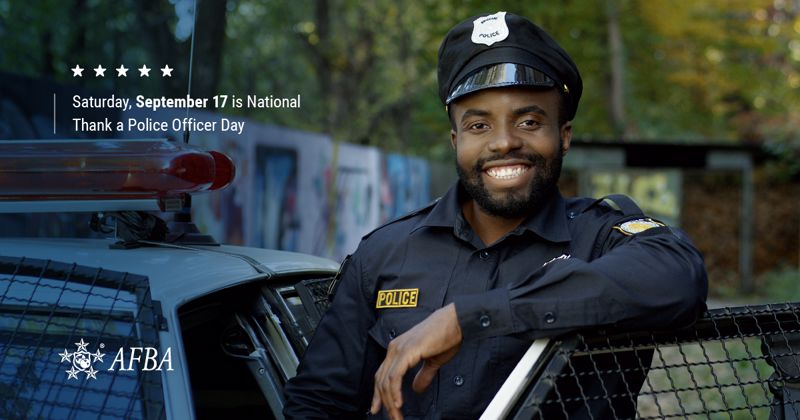
In America, September 17th is known as Thank a Police Officer Day. While many American citizens may not be aware of the celebration, the day is reserved as a way to remember the brave men and women who take care of our communities with skill and devotion.
Many people really only think of the police when they are in emergency situations, but the force is also working tirelessly behind the scenes to support the people who they live and work with on top of reacting to 911 calls. While we will be sharing some standout points of reference, the police are laying their lives on the line every day and they deserve respect and recognition. Here are some highlights of their good work in the country over the past few years.
Community engagement during the COVID-19 pandemic
Since the onset of the pandemic that disrupted so much in America, the police have been a pillar of their communities. One of the most essential workers, the police force was called on by state and local authorities to step forward.
Despite the fact that the virus was the leading cause of death among the police, they persevered bravely to do the job that they were called to do. An amazing example of this can be seen in Oklahoma, where the governor enlisted the police to assist in schools that were in dire need of personnel assistance. The City of Moore Police Department law enforcement officers were serving as elementary school substitutes for a short period of time.
In Waterbury, Connecticut the chief of police created a task force to help children who are the victims of trauma — something that has increased as a result of the pandemic. Increased social isolation can make already bad situations worse, and the task force works with local schools and other community partners to help impacted children.
There are countless stories of local law enforcement officers making a massive difference in their communities every day and these were just a couple of amazing examples.
Changing response to the virus
The police force is instrumental in preventing the spread of COVID-19 in their communities. Here are some of the commitments that police departments across the country have made as listed by The International Association of Chiefs of Police (IACP):
- Purchasing protective gear.
- Working to supply departments with hygiene kits, towels and cell phone chargers.
- Funding professional decontamination of police facilities and equipment.
- Providing sanitizer stations.
- Securing a COVID-19 testing center for exclusive use by first responders and other essential employees.
- Installing mobile trailers equipped with cameras and license plate readers to address areas with an uptick in crime.
- Promoting compliance with public health orders.
The first responder community came together and helped each other share the burden that comes with taking care of people who were —and are still — overwhelmed by the impact of the virus. With this came an elevated focus on the mental health of our police officers. The culture surrounding the force has changed greatly. Now, there are more resources than ever to help support these strong individuals.
This September 17th, don't forget to thank police officers for all their contributions, locally and nationally. Whether that be someone in your family, or you see someone in the blue out in the community, take the time to show your appreciation for the hard work that they do every day. From laying their life on the line to helping out where their country needs it the most, they deserve to know how valuable they are.
Image: https://pictures.brafton.com/x_0_0_0_14024210_400.jpg
Sources:
https://www.americanprogress.org/article/policing-coronavirus-pandemic/
https://www.facebook.com/moorepolice/posts/297810225720317
https://www.ctinsider.com/hartford/article/CT-police-step-up-to-help-children-dealing-with-17416865.php
https://www.theiacp.org/resources/document/the-role-of-police-foundations-during-the-covid-19-pandemic
https://www.rti.org/brochures/resources-supporting-police-officer-health-well-being-during-covid-19-pandemic-and-beyond
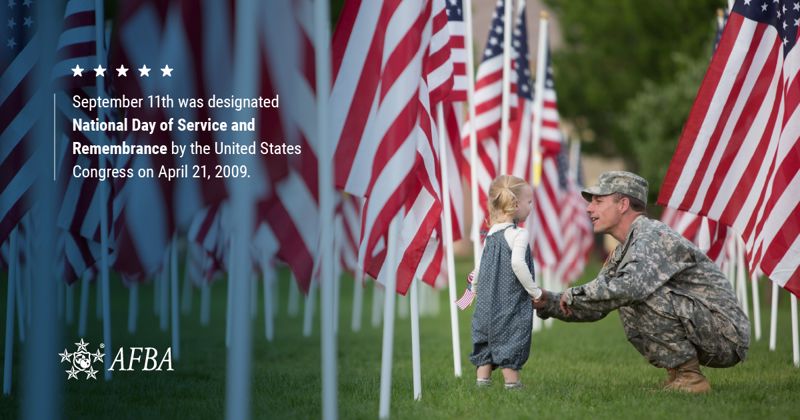
21 years ago, the tragic attack on the World Trade Center (WTC) and the Pentagon left Americans stunned and shocked. On its anniversary, citizens take the day to commemorate heroes who acted in bravery and those who lost their lives in the senseless act of terrorism. Today, we want to share some facts to consider on this day of remembrance.
1. The World Trade Center
Before the attacks, the WTC hosted many employees who went to work every weekday. The Twin Towers normally had 50,000 workers and 40,000 additional visitors. During the attacks, over 3,000 people passed away, many of whom were first responders who arrived on the scene to save civilian lives.
2. Dangerous cleanup
The horrible terrorist attacks cost thousands of lives and resulted in dangerous wreckage that trapped even more people. The rescue crews were able to save 18 individuals from the ruins, which, by expert estimations, weighed 1.8 million pounds. The recovery process lasted nine months and ended on May 30, 2002.
3. Terrible loss of life
Most people know the attacks on the WTC resulted in the tragic loss of life, but the act of terrorism marked an awful day for another reason as well. It was the largest loss of life by a foreign attack on American soil.
4. The catalyst of change
The horrific event changed the ways that Americans saw security and safety. In fact, in 2001, 50% of Americans reported to Pew Research that they wanted to see America change in a serious way. Here are some of the biggest policy changes implemented after the attacks:
- Created new institutions like the Department of Homeland Security, Directorate of National Intelligence, and National Counterterrorism Center.
- Increased resources for intelligence programs in the US.
- Increased air travel security.
- Urged leaders to increase counterterrorism partnerships across the globe.
After the attacks, American leaders took a more serious approach to homeland security and preventing terrorism on American soil.
5. Impact on public opinion
The atrocious event shocked American citizens and completely altered public perception and opinion. The impacts of this can be seen in the increased patriotic sentiment across the country. Pew Research found that 79% of adults "displayed an American flag" in 2001. Political divides shrunk as people shared a sense of loss and tragedy, with about 60% of adults reporting that they trusted in the federal government in October of 2001. This is a high that was unseen in the previous 30 years and has not been met since.
The events of 9/11 changed the course of American history and deserve to be remembered with respect. Each year the attacks grow further away, but the memory of the day will not be forgotten. Take the time for a brief moment of respectful silence or learn more about the events to honor those who were lost.
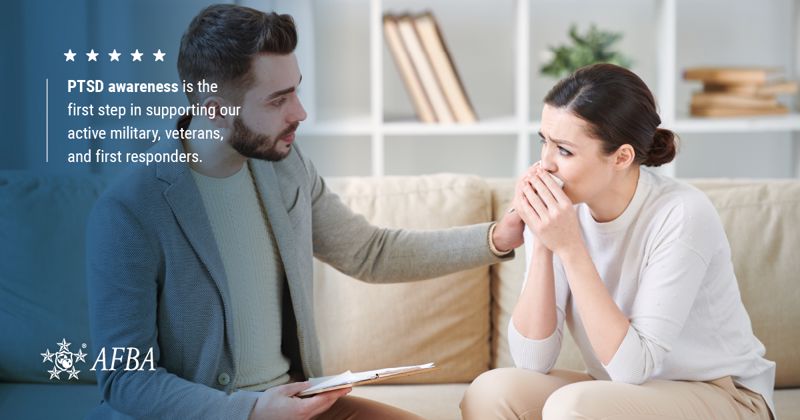
With PTSD Awareness Day behind us – celebrated in June of each year – it's important to remember that the disorder is present year round for many active-duty military, veterans and first responders. Let's take a deeper dive into what PTSD is and some valuable resources to help alleviate the symptoms.
What is PTSD?
According to the National Institute of Mental Health (NIMH), PTSD is "a disorder that develops in some people who have experienced a shocking, scary, or dangerous event." Symptoms can differ greatly from person to person and last for varying lengths of time. NIMH reports that someone can be diagnosed with the disorder if they exhibit all of these symptoms for at least one month:
- At least one re-experiencing symptom.
- At least one avoidance symptom.
- At least two arousal and reactivity symptoms.
- At least two cognition and mood symptoms.
How common is PTSD in Veterans?
While you may think that you do not know anyone who has been affected by PTSD, there is a chance that someone you know has been impacted by the disorder. In fact, 6% of the American population has been diagnosed with PTSD. According to the National Center for PTSD, about "12 million adults in the U.S. have PTSD during any given year."
The U.S. Department of Veterans Affairs (VA) reports that the number of those who have PTSD changes depending on the service era. Here are some of the most common examples:
Operations Iraqi Freedom (OIF) and Enduring Freedom (OEF)
The OIF era began in October 2001 and the OEF era began on March 20, 2003, mainly in response to the terrorist attacks that happened on September 11, 2001. The National Library of Medicine reported that 1.9 million U.S. military members served as a part of the response operation. The VA Department also states that about 20% of those who served in these operations had been diagnosed with PTSD within a year.
Gulf War (Desert Storm)
Operation Desert Storm was the second phase of the Gulf War, according to the US Navy's data. Again, the VA department reports that 12% of those who participated in the full two-year duration of the Gulf War will be diagnosed with PTSD as a result.
Vietnam War
One of the most well-known and deadly conflicts, the Vietnam War resulted in a high number of diagnoses for its veterans. The VA Department estimates that "about 30 out of every 100 (or 30%) of Vietnam Veterans have had PTSD in their lifetime."
Do first responders get PTSD?
Similar to active duty military members and veterans, first responders are routinely exposed to traumatic situations that could result in PTSD, among other mental health concerns. The Substance Abuse and Mental Health Services Administration (SAMHSA) reports that about 1 in 3 first responders are diagnosed with PTSD. This includes firefighters, EMTs, nurses and police officers. Due to their proximity to danger and death, the emotions and stress which they are exposed to often lead to the defined symptoms above and an active diagnosis of posttraumatic stress.
While there are many support services available within the career services sector of these professions, including mandatory therapies and time off, there are a high number of volunteer first responders who either don't quality for these services or who aren't required to attend. If you or a loved one is in a first responder profession, be sure to ask and be aware of the options available for leave of absence, time off, and therapeutic services, all of which can help catch early warning signs of the disorder and even lower the severity of symptoms. Check out the valuable resources below for more information.
Helpful resources
If you or someone you know is experiencing symptoms of PTSD, there are hotlines available that can help you discover your best course of action. The impacts of PTSD can be serious and should not be taken lightly. Seek professional assistance and help remove the stigma by having an open conversation with those involved. Here are some of the best resources:
SAMHSA: Call 1-800-662-HELP
Veterans Crisis Line: 1-800-273-8255, press 1
PTSD Foundation of America: Support groups
CopLine: (Law Enforcement Only): 1-800-267-5463
AllClear Foundation (all First Responders): Text BADGE to 741741 (crisis text line)
Americans love their pets and care for them like they're part of the family. Despite this, many people don't have a safety plan to protect their pets from a potential fire. It can be a scary emergency for anyone, but this is especially true for animals.
What is Pet Fire Safety Day
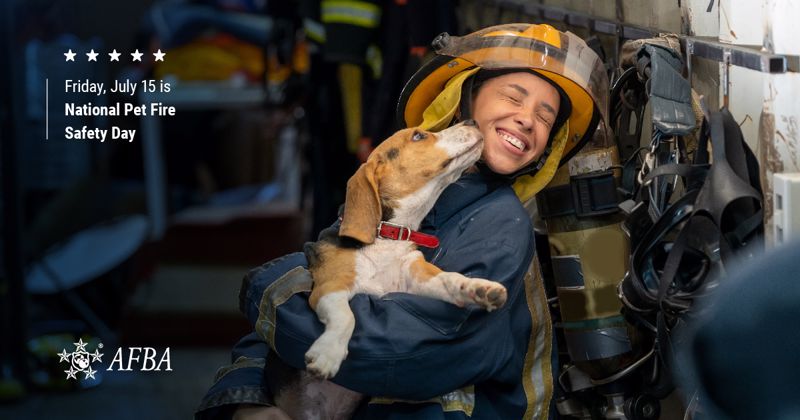
July 15 is National Pet Fire Safety Day and there's no better time to prepare yourself (and your pet) for an emergency fire situation. This might not be something that has crossed your mind yet, but your fuzzy friend may benefit from having a fire plan in place. The National Fire Protection Association (NRPA) estimates that about 500,000 pets are affected annually by fires.
Use Pet Fire Safety Day as the perfect opportunity to prepare, start fireproofing your home and getting your emergency kit ready to go. Here are some of our best tips and tricks to ensure that your entire family is ready if there is a fire.
Pet fire safety tips
About 1,000 home fires each year are accidentally started by the homeowners' pets, so it's important to make sure your home is pet-proof and pet-friendly. Here are a few tips to make it happen:
- Keep your pets away from cooking equipment like stoves and ovens. They could accidentally create a kitchen fire.
- Use a metal or heat-tempered glass screen on a fireplace to prevent your pets from getting too close. NRPA recommends having a "pet-free zone of at least 3 feet" around fireplaces.
- Protect pets from smaller objects like lit candles and space heaters which can quickly cause a house fire if left unattended.
- Make sure that there are no exposed wires that a pet could chew through and create an electrical fire.
Accidental house fires can easily be created by a dog or a cat, and it's your job as their adoring owner to protect them, your home and your neighborhood from the dangers of a structural fire.
How to prepare your pet for an emergency
The truth is that, even with the best preventative measures in place, accidents and house fires still happen. This is why it's so important to have an emergency plan ready to go in case something does go wrong. First and foremost, formulate a family-wide evacuation plan in advance! The whole family should be aware of and understand the best plan of action to take if a house fire were to occur. Recalling the plan and remaining calm are key initial steps to ensuring you can focus on getting yourself, other family members, and pets out of the house in the safest way possible. If time and the situation clearly permits it, grabbing a pre-made small go-bag of pet essentials will also make things easier for days to come if you are unable to quickly return to your home.
What should you put in a pet go-bag? Keep in mind that different pets have different needs, so pack accordingly. Here are some of the top common items to include:
- At least a few days' worth of food.
- Pet-safe first aid kit (including any essential medications).
- Leash or small carrying case.
NFPA has a household evacuation kit checklist that can help you prepare to the best of your ability. As you put the kits together, be sure to store them in a convenient, well-known location near a main exit point. After the initial evacuation has happened, keep a close eye on your furry friend for any negative health signs. For example, the American Veterinarian Medical Association (AVMA) recommends watching out for these symptoms from pets:
- Coughing.
- Eye irritation.
- Running nose.
- Reduced appetite.
In addition, AVMA also points out that if there is a nearby fire, limit your pet's outdoor activity and watch air quality. This is not just a good tip for animals but is also helpful for people as well.
As fire season falls upon us, take the time to prepare your home and pets for an emergency situation. They may not be able to say, but they'll be thankful for getting to safety alongside their human family members!
As with everything, celebrations change over time and this is especially true when it comes to how Americans spend the 4th of July. Regardless of what the commemoration looks like, Americans should take the time to honor the day that our great nation gained its independence. Let's take a look at how the holiday has changed.
Early Independence Day celebrations
While the legal separation of the original 13 colonies from Great Britain actually occurred on July 2, it took two more days for Congress to officially approve the Declaration of Independence. Early celebrations of the occasion consisted of the following:
- 1777 (one year later): 13 gunshots were fired in salute in the morning and evening. Many celebrated by having a nice dinner with toasts, music and parades, similar to what you would see today.
- 1781: Massachusetts recognized July 4 as a state holiday, becoming the first to do so.
For many centuries, people have been lighting fireworks and organizing parades for Americans to come together to recognize the day in 1776 when we finally became an independent nation. One of the oldest Independence Day celebrations occurred in Bristol, Rhode Island and is known as the Bristol Fourth of July Parade. According to their website, it all began "in 1785 when Rev. Henry Wight of the First Congregational Church and a Veteran of the Revolutionary War conducted the first Patriotic Exercises."
The official holiday
In 1870, the U.S. Congress officially declared July 4th as an unpaid holiday for federal employees. It took many more years for the federal government to dub the day as a federal holiday for all American citizens, meaning that all employees must be paid for their day off. After it became a federal holiday, post offices, the DMV and court houses started to shut down for the day, regardless of what day of the week it falls on.
To commemorate the newly paid holiday, fireworks were shot off, reminiscent of the gunshots that were originally used to celebrate independence. Today, Americans still adhere to this custom, spending about $1.5 billion annually on fireworks.
Modern-day celebrations
These days, everyone celebrates the Fourth of July a little differently. Americans still love to spend time outside with friends and family, barbequing and remembering that important day so many years ago. After two years of not being able to attend parades or other social gatherings because of the COVID-19 pandemic, the American people are looking forward to socializing once again. Here are some things you can expect:
- Smithsonian Folklife Festival: This national event is sponsored by the National Parks Service and a few other organizations. It has music, dancing, cooking demonstrations, film screenings and other events that showcase the variety that our nation has to offer.
- National Independence Day Parade: This parade occurs on the 4th of July and marches its way along Constitution Avenue NW from 7th Street NW to 17th Street NW in Washington, DC.
- July 4th Celebrations in Greater Philadelphia: It may not come as a surprise that Philadelphia has many Independence Day activities to participate in during the holiday. This is perfect if you are near the area already or want to take advantage of the day off by visiting the historic city yourself.
Take the time to find a local celebration near you and use the opportunity to relax, enjoy yourself and remember all of the historic events that led up to our current celebrations of the 4th.
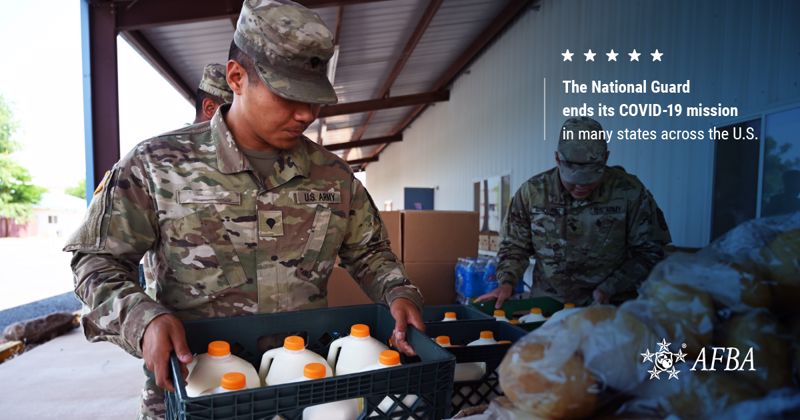
The past two years have taken its toll on the American people, but the Armed Forces have also devoted considerable time and energy to protecting communities from the effects of COVID-19. This is especially true for the National Guard, who were sent into action to support healthcare workers across the country. The National Guard provided homeland support by working in hospitals, prisons, nursing homes and testing centers. However, there are some states that are rolling back their support and returning to their regular duties. Let's take a brief look at what is happening and the implications for both active duty and civilians.
Where are COVID-19 official missions ending?
In late March 2022, the Deputy Secretary of Defense issued guidance on the reentry of Department of Defense (DoD) employees to their normal workplaces, which included the National Guard protocol. This was due to the declining impact of the COVID-19 in some areas. From here, states have made their own judgments based on local situations and requirements about whether to end or slow down their pandemic-related support.
Here are some of the states that have ended their COVID-19 pandemic missions:
Utah
According to Fox 13 News, "the Utah National Guard's COVID-19 Joint Task Force announced they will "relinquish its support" after supporting the state for two years in fighting the coronavirus." The news outlet reports that this was decided on because case counts are decreasing at a steady rate.
Pennsylvania
The Pennsylvania National Guard ended its COVID-19 response mission in late March as well. According to Maj. Gen. Mark Schindler, Pennsylvania adjutant general, "Over the past two years, Pennsylvania National Guard Soldiers and Airmen have risen to the challenge and demonstrated an unwavering dedication to their communities during the COVID-19 pandemic. I am truly proud of their dedicated service and sacrifice during this unprecedented time." He notes that they are ready to take action if needed in the future.
Connecticut
The Connecticut National Guard officially ended its COVID-19 response mission when the Guard gave up the keys to the state commodities warehouse in New Britain to the Connecticut Department of Health in March 2022. During the two years of pandemic support, they performed more than 1,000 missions all while helping with Hurricane Isaias clean-up and attending to regular duties.
Nevada
News source KUNR reported that Nevada's COVID-19 mission was the "longest activation since World War II," and was set to end that month. Much like the rest of the nation's National Guard, the Nevada Guard not only provided intense support during the pandemic but also responded to more than 70 other missions during the two-year period.
Hawaii
In March, the Hawaii National Guard Joint Task Force returned the obligation of COVID-19 support to the state. This includes vaccinations, tests, mapping, temperature control and other responsibilities. On March 14, 2022, Mayor Michael Victorino proclaimed the day National Guard Appreciation Day in Maui County. The day is to commemorate the National Guard's servicemember's support of the state during the COVID-19 pandemic.
More states are likely to follow suit as the pandemic continues to fluctuate. It is important to note that there are ongoing efforts in all 50 states and territories to end the effects of the virus, but now they are out of the National Guard's jurisdiction. Servicemembers and their families are able to breathe easier knowing they are no longer entering unknown scenarios on a daily basis and can return to regular activities supporting their community needs.
In the past two years, the housing market has seen record-high prices and record-low property inventory. The remainder of 2022 may bring a slight cooling in prices, but Reuters has found that inventory is likely to remain low in most American cities. Because of this, the current housing market will probably stay competitive.
For veterans, this can be discouraging when looking to buy a house in a seller's market. Luckily, this is where VA loans can make a big difference. Let's dive into the ins and outs of government-backed loans for veterans. Here is everything you need to know!
What are VA loans?
VA loans are for current service members as well as veterans and their eligible spouses. A VA loan is a mortgage that is guaranteed by the U.S. Department of Veterans Affairs. It can be issued by a private lender of your choice. This loan option has been available since World War ll when the GI Bill of Rights created the VA home loan program in 1944.
VA loans are beneficial for many reasons, but there are extra benefits in today's highly competitive housing market.

What are the benefits of VA loans?
One of the main draws of a VA loan is that there is no down payment required in most cases. In 2022, the VA loan limit received a sizable increase, making it easier to get more out of a single loan. This year, the limit is $647,200 for most U.S. counties. As house prices remain high, this can help veterans and active service members find their ideal housing.
This loan type also requires no private mortgage insurance, even if the down payment is less than 20% of the original mortgage amount. Many other loans can be complicated to obtain because of this prerequisite. Veterans also have the opportunity to receive better rates and terms than with other mortgages.
How do VA loans work?
When it comes to finding the right loan for your needs, there is no one size fits all option. Luckily, there are several kinds of VA loans available for different types of circumstances. Here are some examples:
- Purchase loans.
- VA streamline refinance.
- VA cash-out refinance.
Within this, there are two categories of VA loans. They are VA direct loans and VA-backed loans. Here are the differences:
- VA direct loans: These are loans that the borrower gets directly from the VA.
- VA-backed loans: In this case, the loan is issued by a third party and backed by the VA.
There is only one VA direct loan, which is the Native American Direct Loan available for Native American veterans buying a home on federal trust land.
Eligibility
The current housing market has made it hard for prospective buyers to get their dream homes. VA loans are here to take care of those who have served the country by helping them obtain fair housing options, something that is extremely valuable in today's hot housing market. Here are some of the eligibility requirements for securing a VA loan:
- Must be an American veteran.
- Must be an active duty service member.
- Able to prove current or prior enlistment in the National Guard or Reserves.
- Must be a surviving spouse of a veteran who passed from service-related injuries.
Your bank or mortgage lender will be able to guide you through the process and ensure that you can prove eligibility.
Summer is nearly here, and the joys of water activities and cookouts with friends and family are just around the corner. Amidst all of this are the first responders who keep our communities safe. June is known as National Safety Month, a reminder to be aware of how your actions can impact others while off having fun. After a few years that have been difficult for nurses, firefighters, police officers, and EMT responders, it is more important than ever for us to work together to keep each other safe. Let's break down some of the most common summer incidents and how to avoid them.
Car accidents
Whether it is a much-anticipated road trip or packing the car up for a camping trip, there is no doubt you'll be hopping into a motor vehicle at some point this summer. It can be easy to forget how common and dangerous a car accident can be. According to the National Highway Traffic Safety Administration (NHTSA), about 42,915 motor vehicle accidents resulted in fatalities in 2021, 11% of which occurred from June to September. Avoid these common causes of collision:
- Driving under the influence.
- Distracted driving.
- Irresponsible or reckless driving.

Accidental drowning
As the weather warms up, people flock to rivers, lakes, pools and water parks. This can be an enjoyable pastime and a great way to cool down while making lasting memories. However, the dangers of accidental drowning are very real and should be taken seriously. Stop Drowning Now reports that there is an average of 320,000 deaths as a result of drowning each year, and have increased since the beginning of the pandemic. In addition, they found that "drowning is the leading cause of unintentional injury-related death for children ages 1-4." Here are some of the most effective ways to prevent drowning:
- Learning to swim.
- Life jackets.
- Know CPR or basic life-saving skills.
- Be watchful.
Fires started by people
According to the USDA, 90% of all wildfires are caused by humans, many of which happen in the summer. This is due to:
- Unattended campfires.
- Discarded cigarettes.
- Fireworks.
- Equipment usage.
This is why it is so important to be mindful and aware of your surroundings. Be sure to completely distinguish campfires and never set off fireworks in a dangerous area. Fires can result in human harm, structure damage and wildland deterioration.
Boating accidents
Boating in the summer is one of the most beloved activities, but it does require an eye for safety. Whether you are setting sail on a lake or an ocean, it is important to know the dangers associated with boating. The Coast Guard reports that the following are some of the most common causes of boating accidents:
- Operator inexperience: Be sure that the operator is capable of operating a boat well.
- Boating too fast: Speeding is very dangerous and can result in a boating accident.
- Not having a lookout: The Coast Guard suggests that every boat has someone who is keeping a lookout for dangers on the horizon.
- Operating while under the influence: Boating while impaired is just as harmful as driving while drunk.
- Poor weather conditions: Boating in a storm or other dangerous weather can be treacherous.
Now you know what to watch out for while you're enjoying the long days of summer. National Safety Month is a great time to become CPR certified or just be more mindful during your warm-weather activities. Your community and first responders will thank you!

IN THIS ISSUE
President’s Message
Board of Directors Update
Life Insurance Offers Sense of Security
PTSD Awareness
AFBA’s 75th Anniversary
Member Benefit Highlights
Click here to read newsletter!
On Monday, May 30, Americans across the country will pause to observe Memorial Day. To learn more about the histories and traditions related to the holiday, read our blog from 2021. Today, we will take a look at what events have returned and what new options there are for those who want to honor and memorialize the brave soldiers who sacrificed their lives for this country. There are a lot of local traditions to participate in as well as national festivities.
Parades
Since 1971, Memorial Day has been celebrated on the last Monday in May. Parades have been a popular tradition and way to honor the occasion. However, due to recent years of COVID-19 restrictions, many local parades were put on pause in the name of public health and safety. For example, the annual Gilroy, CA parade was canceled last year; as their local newspaper puts it, "A holiday like Memorial Day should be a day to bring us together. Unfortunately, we can't safely gather together yet."
Now as Memorial Day 2022 fast approaches, three major cities are hosting parades to remember those who have served. Let's take a look at some of the most popular events happening this year:
- Chicago's Memorial Day Parade
- New York City's Memorial Day Parades – Brooklyn, Queens and Manhattan
- National Memorial Day Parade – Washington, D.C.
Visit the birthplace of Memorial Day
While there are many local events that memorialize those who have lost their lives in defense of the country, it may be worth it to take a family vacation to the birth of Memorial Day. In 1966, President Lyndon Johnson announced Waterloo, N.Y to be the birthplace of the holiday. The true origin of Memorial Day is debatable, with some arguing that the first true day of memory was 100 years earlier.
Waterloo itself claims that May 5, 1866, was the first day that businesses closed and the fall soldiers recognized with flags flying at half-mast. Not everyone agrees that this was the real first day, but the truth is that Americans have been honoring those who were lost protecting our freedoms.
Regardless, visiting some key sites can be a great way to learn more about the past and honor the fallen soldiers. You can visit other historic landmarks along the way to Waterloo, like Arlington National Cemetery. If you arrive at Waterloo, consider attending some of the Memorial Day events that the town holds.
Wreath Laying Ceremonies and Local Events
If traveling is not on your agenda, you can still participate in local events or even create your own! Many Veteran cemeteries encourage volunteers to help spring clean the area, or lay wreaths and flowers during the weekend of Memorial Day. Call your local town office to find out if there are any organized events your family might be able to lend a hand to. Or ask for permission to help lay flags or flowers where needed.
If your family is planning to attend a local ceremony or event, ask if they need last minute volunteer help. With responsibilities such as helping to place the flags, coordinating volunteers or attendees, and passing out supplies, the gift of helping is the ultimate thank you!
No matter how you choose to celebrate this weekend, stop and find a few moments to honor and thank those who sacrificed their lives to protect the United States of America and keep our great nation safe.