
With Independence Day upon us, Americans are hosting patriotic parades, parties and fireworks displays across the country to celebrate our nation's founding and thank our veterans for fighting for our freedom.
Why is July 4 Independence Day?
After the Revolutionary War started in April 1775, the Second Continental Congress did not vote on the issue of independence from Great Britain until July 2, 1776. Writing in his journal, John Adams, who would go on to serve as our second president, believed this day would go down as the founding of our new country, according to the National Archives. But as we all know, this isn't the case. So what happened?
Following the unanimous decision to reject British rule, the committee appointed Thomas Jefferson to draft the formal written explanation stating why the Congress voted to declare independence. Two days later, July 4, Congress ratified and issued the Declaration of Independence. In doing so, the Founding Fathers severed America's ties with the British crown and set the course for the formation of the United States.
How the army responded to news of Independence
The signing of the Declaration of Independence had a profound impact on the military at the time. The announcement changed the armed forces from a ragtag band of colonial militias into the unified Continental Army. This also reshaped their purpose, since now they were fighting against British rule and for the ideals that would come to shape our country.
"The Declaration of Independence had a profound impact on the military."
Since news traveled so slowly during the Revolutionary War era, many soldiers had to wait days and weeks to learn the Continental Congress adopted the Declaration of Independence, according to the National Museum of American History. After the 56 delegates signed that historic document, they dispatched couriers by land and sea to deliver the news to headquarters of all the Continental Army commands. While General George Washington and his troops heard the news in New York City square on July 9, it took until August 5 for word to reach troops stationed in Charleston, South Carolina.
According to the source, after hearing about the signing of the Declaration of Independence, soldiers lined up next to two rows of 13 cannons and fired 13 shots to represent each colony, followed by a fusillade. They repeated the ceremony three times. Following speeches and cheers, the soldiers would then indulge in games or drinks. In some places, such as Charleston, the troops paraded and read the Declaration aloud.
On July 15, 1776, Captain Joseph Bloomfield of the 3rd New Jersey Continental Regiment recorded in his journal the account of hearing our founding document:
"The Declaration of Independency being read, the whole present signifyed their hearty & sincere Approbation by Three Cheers and cheerfully drinking the following Patriotic Toastes, Harmony, virtue, Honor and all Prosperity to the free and independent United States of America, Wise Legislatures, brave & Victorious Armies, both by Sea & Land to the American States."
More than 225 years later, these words still ring as true as ever.
Keep our soldiers in mind this holiday
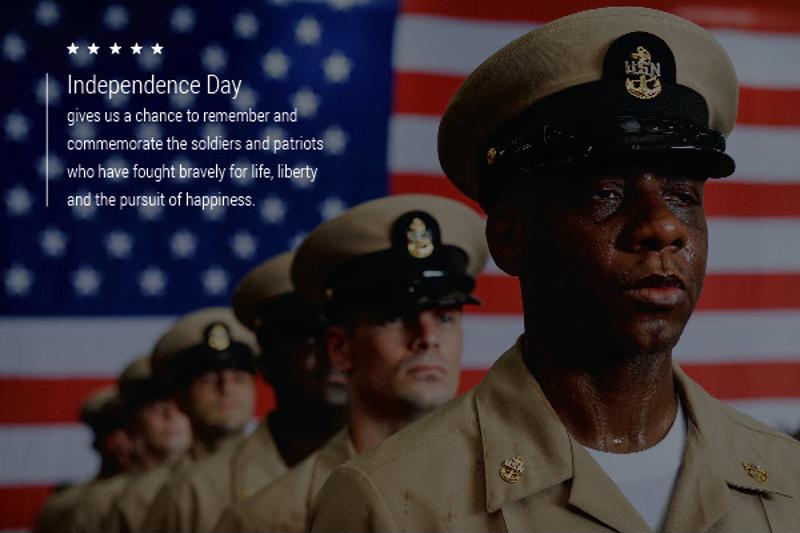
Independence Day gives us a chance to remember and commemorate the soldiers and patriots who have fought bravely for life, liberty and the pursuit of happiness. Their service since the Revolution continues to protect the values we hold dear today.
Whether it's going to a parade, hosting a celebration or attending a ceremony, remember to thank members of the armed services for fighting for our freedoms.
Contracting work with the government is the bread and butter of many companies. For those that contract with the U.S. Department of Defense, a new federal security directive will now require all contractors to either implement a robust cybersecurity plan to protect their digital data, or have a detailed plan in place for doing so by December 2017. Failure to comply will prevent companies from contracting with the DoD.
What's this new federal directive?
In December 2016, the National Institute for Standards and Technology, an agency under the U.S. Department of Commerce, released NIST Special Publication 800-171, "Protecting Controlled Unclassified Information in Nonfederal Systems and Organizations."
Dubbed "NIST 800-171" or simply "rule 171," the directive covers whether a company has the IT safeguards and security measures necessary to protect any classified data in order to conduct business with the federal government.
This covers every type of company contracting with the government, from defense engineering firms to janitorial services. And this isn't strictly limited to contractors – it also covers subcontractors. In practice, any company that has access to classified government information that needs to be protected.
In addition to rule 171, the DoD has also issued another clause that is likely to impact government contracting, the Defense Acquisition Regulations System (DFARS) Clause 252.204-7012, "Safeguarding Covered Defense Information and Cyber Incident Reporting." This clause covers implementing adequate security measures on all covered information systems owned, operated or utilized by the contractor.

How should government contractors respond?
With these new rules set to go into effect in 2018, it's imperative that government contractors have a plan in place to implement all of the technology.
Speaking with GovTech, Shawn Walker, vice president and co-founder of Secure Cyber Defense LLC, noted this directive impacts any company with classified information issued by the government and that it will take some time to implement.
"Starting from nothing, it will probably take six to 12 months to get all the technology in place to be able to say you're compliant," said Walker. "To put the plan together may take 30 to 60 days."
Companies can't simply wait until the last minute and cobble together a statement about a plan of action. Instead, they should start early and ensure they've accurately covered the list of 110 requirements outlined in the rule.
Steps to take
First, contractors should familiarize themselves with NIST 800-171 and the new DFARS clause, as these will be paramount in discerning how the directives apply to their firm and how they will affect operations and resources. Noncompliance with these new rules may cause the government contractors to forfeit their chances for a government partnership, so be sure to leave no stone unturned when reviewing the new rule and clause.
Next, perform a risk assessment of the organization based on the directive's requirements. The U.S. Department of Homeland Security provides a handy guide for conducting a thorough risk assessment, called the Cyber Security Evaluation Tool (CSET). According to its website, this tool provides contractors with a "systematic and repeatable approach for assessing the security posture of their cyber systems and networks."
Once risks are assessed, develop a plan of action and milestones for the company. This will serve as the guideline and map for every step, task and policy the organization implements to meet compliance.
Consider getting medium-assurance certification from the Information Assurance Support Environment, which allows for outside entities to securely communicate with the DoD and authenticate to DoD information systems.
With a carefully crafted plan of action, government contractors can tackle the new cybersecurity regulations with ease.
The U.S. Department of Defense recently introduced the new and improved Blended Military Retirement Plan. There are some significant changes to the system and calculating the difference between the old and new military retirements plan might be a difficult endeavor for current service members.
Let's shed some light on the new BRP: What is it, who's impacted by it, and how do you navigate the new system.
How big is the change?
The upgrade isn't a minor tweak of the military's current retirement system, rather it's a sweeping disruption. Anthony Kurta, who is performing the duties of undersecretary of defense for personnel and readiness, spoke with Pentagon reporters about this key step in modernizing the military's retirement system to more closely align with similar private-sector plans.
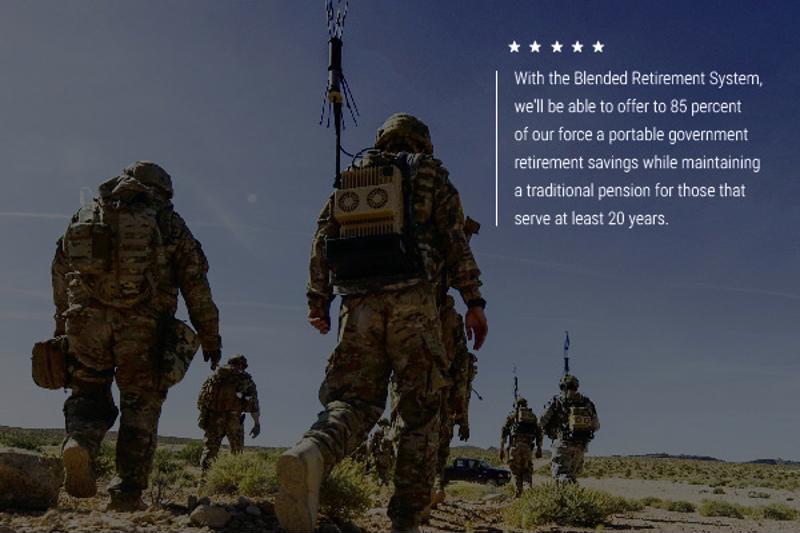
"[The new military retirement system is] one of the most significant changes to military pay and benefits that we've ever had over the past 70 years," explained Kurta. "We'll now be able to offer to 85 percent of our force a portable government retirement savings while still maintaining a traditional pension for those that serve at least 20 years."
What is the Blended Military Retirement Plan?
Now that we know it's a pretty big deal, let's dive into what the changes mean. The 2017 National Defense Authorization Act (NDAA) originally introduced the change that will affect all new entrants to the military as of Jan. 1, 2018. The change, known as the Blended Retirement System, is a dramatic departure from the military's current retirement plan. As it stands, immediately upon retirement, the military awards 50 percent of base pay as a pension for qualifying services, according to Military Times.
"The new system merges a defined benefit plan with a defined contribution plan."
However, the new Blended Retirement System merges the defined benefit plan with a defined contribution plan, which is similar to a 401(k). Dubbed the Thrift Savings Plan, this feature will add up to a 5 percent match on all personal contributions to the plan.
Who's impacted by the change?
Anyone who joined the military before 2006 is automatically grandfathered into the old system. Meanwhile, anyone who joins in 2018 or beyond will be covered by the new system. However, active duty service members with between one and 12 years must decide between either the old system or the new system. This is no easy decision, yet about 1.15 million service members, or roughly 88 percent of all active duty military, fall into this third category.
How to navigate the new system
Thankfully, active duty service members don't have to make their decision immediately – they'll have one year to make a choice on which plan they'll want to use. This provides ample time to speak with support groups, such as family and friends, consult with an accountant or other wealth management advisors and make an informed decision about the best path forward.
To assist in the decision-making process, the military rolled out a Blended Retirement Service Comparison Calculator designed to assist eligible service members in their efforts to compare and contrast the new and old systems.
It will be crucial for those active duty military members who will be impacted by this change to review the Blended Retirement System to ensure they fully understand the changes and they make the most informed decision on the fate of their retirement.
Post-traumatic stress disorder is a pervasive affliction that affects active duty military members, veterans, first responders and even government contractors working in combat zones.
Spreading awareness of PTSD
"In 2010 Congress designated June 27 as PTSD Awareness Day."
In 2010, Congress designated June 27 as PTSD Awareness Day to promote visibility and effective treatment for the affliction. Four years later, Congress set aside the entire month of June for National PTSD Awareness. The goal is to increase knowledge among the public about issues related to PTSD, to encourage those suffering from this affliction to seek help and to provide insights into caring for family members coping with PTSD.
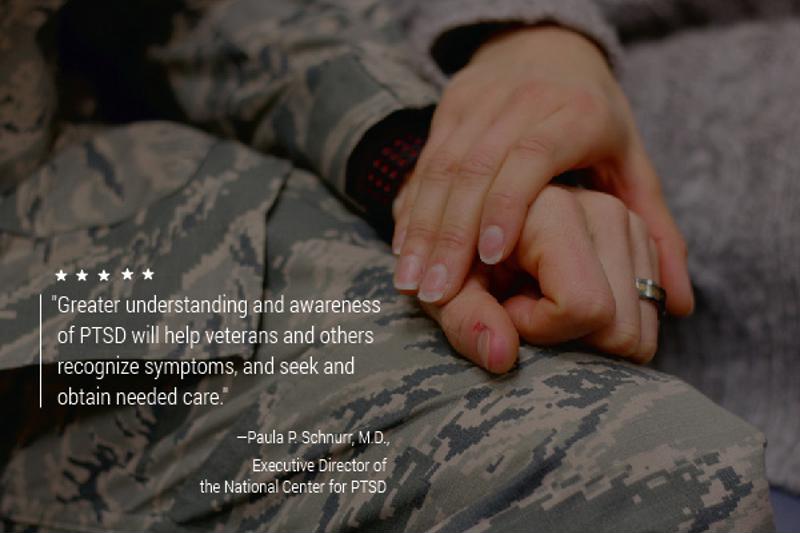
"Greater understanding and awareness of PTSD will help veterans and others recognize symptoms, and seek and obtain needed care," explained Paula P. Schnurr, M.D., executive director of the National Center for PTSD.
During June, government agencies, advocacy groups, medical associations and other PTSD-related associations come together to boost awareness for the condition.
How common is PTSD?
The nature of the environments where military members and first responders work puts them in precarious and sometimes life-threatening situations and the lingering trauma can have a big impact on their lives. These traumatic events can lead to:
- Nightmares.
- Flashbacks.
- Trouble sleeping or concentrating.
- Negative feelings.
Often people experiencing PTSD think they're alone, but the truth is it is far more widespread than many might believe. Veterans often have higher incidences of having stress disorders. According to VA statistics, veterans with PTSD account for:
- Between 11 and 20 percent of soldiers who served in Operations Iraqi Freedom and Enduring Freedom.
- Around 12 percent of Gulf War (Desert Storm) veterans.
- An estimated 30 percent of military members deployed in the Vietnam War.
While veterans comprise a large percentage of those with PTSD, first responders are also regularly exposed to the types of traumas that lead to stress disorders. A recent report published by the International Association of Fire Fighters found that firefighters and paramedics suffer from PTSD at similar levels to veterans.
Writing on the American Military University's website In Public Safety, faculty member Michelle Beshears explained how police officers often experience cumulative PTSD – the result of repeated stress-related incidents.
Further, PTSD is not strictly limited to the military and first responders. The VA also noted that roughly 7 to 8 percent of the U.S. population will experience PTSD at some point. In a year, approximately 8 million U.S. adults have PTSD. However, many won't seek treatment for a number of reasons.
What you can do to help
If you know anyone who might be suffering PTSD, be sure to offer support. While not everyone will want to discuss the issue, it's important to let them know you're available to help.
If a dialogue about the person's PTSD opens up, encourage him or her to seek treatment. There are a variety of centers and organizations that offer options for assistance and care.
Congress mandated the formation of the VA's National Center for PTSD in 1989 to address the needs of veterans with military-related PTSD. They have extensive research, education material and training opportunities for advancing the social welfare and clinical care of veterans with stress disorders.
In addition, non-governmental groups like Operation We Are Here provide an extensive directory of resources for those who have experienced a traumatic incident. From anonymous self-assessments and financial assistance to veteran service organizations and reintegration sources, there are plenty of options available to help.
By spreading awareness and contributing to ongoing treatment efforts, everyone can lend a hand in combating PTSD.
Founded June 14, 1775, the U.S. Army celebrates 242 years of bravery and sacrifices in protecting our great nation. Not only is June 14 the U.S. Army's birthday, it's also appropriately Flag Day.
A look back at the origin of the Army
Organized by the Continental Congress, the U.S. Army introduced new professional standards to long-standing militia traditions to fight the most powerful nation at the time – the British Empire. During these turbulent eight years of battle, the Army often served as the lone beacon for which patriots and champions of liberty united and drew their inspiration.
Although the colonists had already exchanged shots with British troops at Concord and Lexington in April of 1775, it was militia units and other volunteers from the New England colonies, not an official U.S. Army, who fought those battles. The Continental Congress convened in May, with the delegates voting to create an army that would serve all the North American colonies.
Then, on June 14, 1775, the Continental Congress passed this resolution:
"Resolved, that six companies of expert riflemen, be immediately raised in Pennsylvania, two in Maryland, and two in Virginia;… [and] that each company, as soon as completed [sic], shall march and join the army near Boston, to be there employed as light infantry, under command of the chief Officer in that army."
"The Continental Army became the fledgling country's first national institution."
Following this resolution, the Continental Army became the fledgling country's first national institution and remains in place as the oldest. Once established, the new fighting force needed an able commander, and so a few days later, the congress voted unanimously to commission George Washington as commander in chief.
After fighting hard for eight years, the Continental Army forced the British to recognize the sovereignty of the colonies, leading to the creation of the United States of America. In June 1784, the newly formed U.S. Congress disbanded the Continental Army and discharged its remaining soldiers, except for two companies they needed to protect military arms and stores. These two companies formed the basis for the 1st American Regiment. By the end of the year, eight infantry and two artillery companies formed the whole of the U.S. Army.
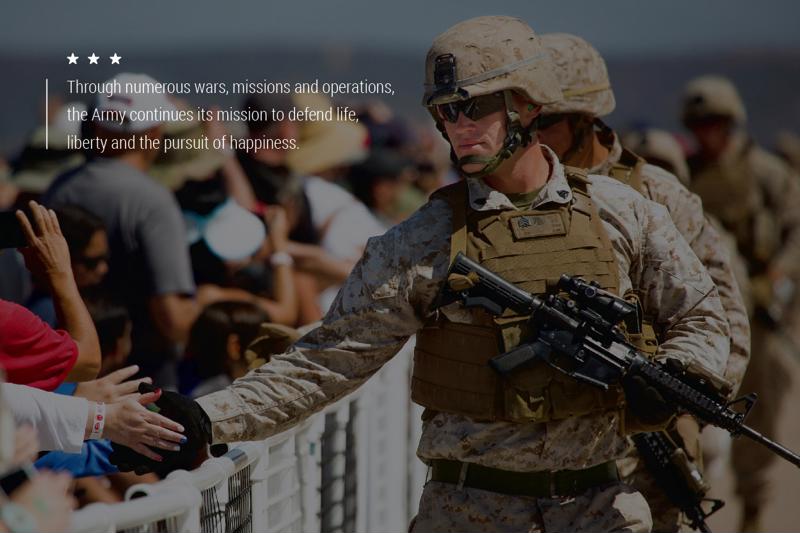
Now, 242 years after its creation, through numerous wars, missions and operations, the Army continues its mission to defend life, liberty and the pursuit of happiness.
Waving the flag proudly
The Stars and Stripes are the most recognizable symbol of the United States. Most people know the stars represent the 50 states and the 13 red-and-white stripes stand for the original colonies that revolted against the British and laid the foundation for our great country.
However, many people aren't aware of what the colors symbolize. While there's no federal law, resolution or executive order that explicitly lays out the reason or meaning for the flag's color, we do have some insight into their significance from a 1782 report from Charles Thomson, the secretary of the Continental Army, according to the Washington Post.
"White signifies purity and innocence," Thomson wrote. "Red hardiness and valour and Blue…signifies vigilance, perseverance and justice."
Despite the widespread belief that Betsy Ross designed the original flag, few historians believe this story, according to USFlag.org. While no one knows with absolute certainty who created the first flag, the general consensus is that Congressman Francis Hopkinson designed it. The flag has undergone many different alterations and additions as the country grew in size. However, it wasn't until President William Taft signed an Executive Order on June 24, 1912, prescribing the order of the stars and the proportions of the flag.
Various state and local communities began holding Flag Day celebrations around 1885, but it wasn't until 1949 that President Truman signed an Act of Congress designating June 14th as National Flag Day.
As we remember the history of the U.S. Army and the U.S. flag, let us make sure to remember those who have given their all so that the Stars and Stripes remains flying high.
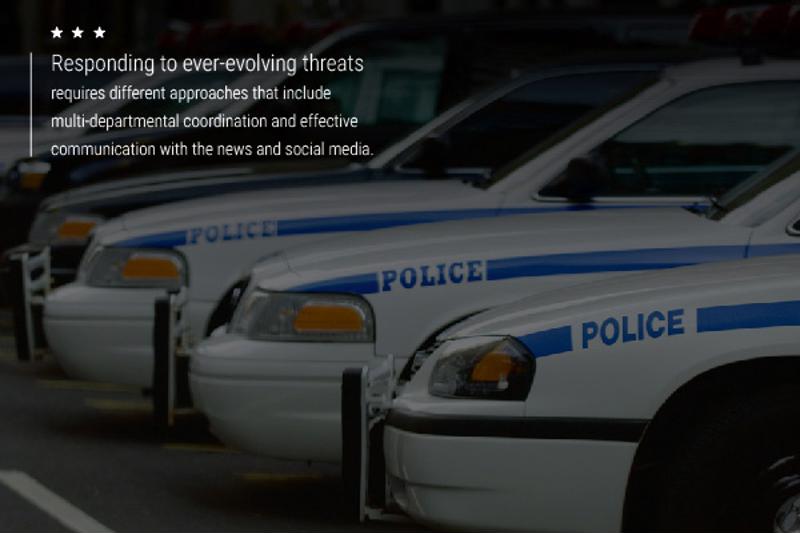
First responders rely on their bravery and their emergency response protocols to manage crises and mitigate problems following a tragic incident or natural disaster. These emergency response protocols must be updated regularly to ensure they account for changes in technology, best practices and other shifting factors. This is especially necessary as new risks emerge, such as mass shootings and bombings. Responding to these threats require different approaches that include multi-departmental coordination and effective communication with the news and social media.
The potential for miscommunication
A recent incident in Arroyo City, Texas, highlights the need for first responders to ensure they have updated and comprehensive emergency response protocols, according to ABC-affiliate KRGV.com.
Someone made a call to the Cameron County Sheriff's Office requesting help for a man suffering from a heart attack in Arroyo City. The dispatcher transferred that call to first responders in Los Fresnos, another city in Cameron County, before it went through to the Harlingen police. A representative from that office rerouted that call to the South Texas Emergency Care foundation, the emergency response team for EMS calls in Arroyo City. Arroyo City Volunteer Fire Department Chief John Whelan spoke with KRGV about the incident.
"Even minor delays in responses can be the difference between life and death."
"It took an extended time to get a hold of the correct medical response team to come out, whenever they did notify them, we were notified within minutes," said Whelan. "But it took a few extra minutes to notify the ambulance so that they could notify us to respond."
While it only took 12 minutes in total to activate the proper community response team, this extra time can be the difference between life and death. In light of this event, Whelan said different community emergency response teams in the area are setting up training courses for additional certification as well as upgrading communication efforts between departments.
Implement regular EMS reviews
As threats of active shooters and terrorist attacks unfortunately become more common, community emergency response teams must perform regular EMS reviews and ensure first responders are properly trained to handle these risks.
During these regular EMS reviews, response teams should factor in how to address the evolving nature of potential threats. For instance, as noted by EMS1.com, protocols for a bombing at a mass gathering should include:
- Assess and treat blast injuries.
- Anticipate and respond to secondary devices or shooters.
- Determine which EMS handle and transport the most severe injuries.
- Track patients and other injured individuals.
- Maintain future readiness for mass gatherings.
For larger threats, first responder teams should consider setting up incident command systems (ICSs) to be able to answer multiple coordinated attacks. Based on the emergency response coordination model developed in 1970s to implement organized and controlled responses from a centralized position, ICS helps in both near- and long-term field-level operations, according to the Federal Emergency Management Agency.
The role of communications and social media
In addition to regularly reviewing EMS protocols to ensure they're up-to-date, community emergency response teams should organize risk communications and social media crisis strategies, according to EfficiencyGov, an independent information service provider.
The ubiquity of always-connected devices means first responders need to have a strategy in place to effectively communicate statements and information. Social media offers the ability to quickly disseminate instructions and messages, as well as clarify any incorrect news floating around.
As threats continue to evolve, first responders must remain diligent in updating their emergency response plans to ensure they have protocols in place to handle the ever-changing nature of risk assessment and response.
Working as a first responder goes above and beyond clocking in and out each day – there are high stakes involved with managing a crisis or natural disaster. Due to these unique job hazards, first responders are also at a greater risk for stress, depression and even post-traumatic stress disorder. Without the right treatments and help, these mental health problems can become more serious as time passes and should be addressed as soon as possible.
From community support groups to yoga classes, there are many ways first responders can alleviate the stress and mental health detriments associated with their jobs.
How prevalent are mental health problems for first responders?
Occupational stress is a built-in consequence for most first responder jobs, be they firefighter, police officers, EMTs or paramedics. If left untreated, stress negatively impacts the mind, body, behavior and mood of anyone, no matter how disciplined he or she is. The mind becomes more anxious and depressed while the body's health deteriorates with a weakened immune system and higher blood pressure. Job satisfaction and productivity suffer as well, which can be dangerous for both first responders and the people they're protecting.
"85% of first responders experienced symptoms related to mental health issues."
Unfortunately, these issues are all too common among these professions. A recent study conducted by Harris Poll on behalf of University of Phoenix showed up to 85 percent of first responders experienced symptoms related to mental health issues. These stem from a variety of reasons, but a major contributor is the 84 percent of respondents experiencing on-the-job trauma.
A little more than a third of first responders surveyed said a doctor has diagnosed them with PTSD or depression. Of those individuals suffering from depression, 47 percent said something that happened at work contributed to their depression.
Despite the prevalence of mental health issues among first responders, workplace stigmas still linger for those who want help. Even though 74 percent of respondents said they have mental health services readily available to them, 39 percent said there are negative repercussions for utilizing these services. These repercussions include:
- 55 percent believe seeking mental help will make their supervisor treat them differently.
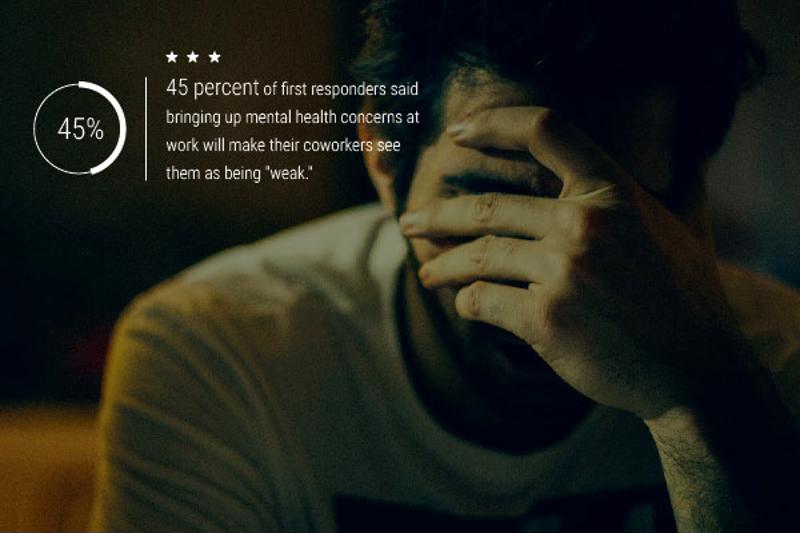
- 45 percent said bringing up mental health concerns at work will make their coworkers see them as being "weak."
- 34 percent said starting discussions about mental health concerns at work will reduce their chances of earning a promotion.
Although there are obstacles for some people, 61 percent of respondents still felt comfortable discussing these problems with their supervisor.
According to the Centers for Disease Control and Prevention, the duties that accompany being a first responder can lead to three types of stress:
- Day-to-day stress – caused by common tensions experienced in our lives, such as personal, familial or social issues.
- Cumulative, chronic stress or strain – caused by the accumulation of these daily stressors, whether it's working with new people, changes in job routines or introducing difficult new systems or procedures.
- Critical incident stress or shock – caused by exposure to traumatic or extreme incidents out of the norm, such as witnessing an accident, injury or death.
Unchecked, long-term exposure to any of these types of stress, but especially the third one, leads to:
- Post-traumatic stress symptoms.
- Burnout or compassion fatigue.
- Anxiety.
- Depression.
- Pathological grief.
- Interpersonal conflict, such as family or marital problems.
It's best if first responders deal with these mental health issues head-on to obtain any necessary medication or treatments.
Ways for first responders to manage mental health problems
There are several ways first responders can handle the issues that arise among workers in this area due to their unique occupational stressors. Each of these methods has its own benefits, and may work differently for every individual.
Treatment and therapy
In the early stages of their careers, first responders should take advantage of any job-offered pre-exposure training and "Psychological First-Aid" after an incident. These before-and-after sessions help first responders prepare mentally and emotionally for the initial exposure to a traumatic event and the potential fallout. Not all first responder departments have access to these kind of services, but there are still other ways for individuals to find help.
The University of Phoenix survey found that 61 percent of first responders have not sought out professional help for their mental health problems. Speaking with a psychologist, psychiatrist, therapist or occupational therapist is always a helpful way for first responders to get a better handle on any mental health issues – an important initial step toward successful treatment. Even if the professional doesn't make a diagnosis of a serious mental health problem, he or she can still recommend supplemental programs or services that can assist in alleviating job-related stress.
Self-care techniques
In addition to seeking out professional help in dealing with mental health issues, there are many self-care techniques first responders can incorporate into their daily habits to help alleviate the pressures and problems associated with stress. Often these actions are critical in ensuring first responders can successfully cope and continue to do their job.
The CDC listed several actions for maintaining self care during difficult times, including:
- Practice breathing and relaxation techniques. Consider yoga or meditation as well.
- Avoid working more than 12 hours per shift, if possible.
- Communicate feelings and experiences – whether it's writing in a journal or talking to family, friends, coworkers or anyone willing to listen.
- Eat healthy, exercise regularly and sleep adequately.
- Remember that saying "No" is a possibility – there are others who can help in responding.
While these techniques won't address severe stress, they can help limit exposure to stressful situations. For more serious cases, first responders should speak with a professional and licensed therapist.
There are many ways that companies and communities show their support for the brave men and women who protect our great nation. From organizing benefits and raising donations to hosting gatherings and simply saying "Thank you," these acts of kindness and generosity go a long way toward welcoming soldiers back from deployment and encouraging firefighters, police officers and other heroes to continue their efforts.
For instance, patriotic breweries and distilleries are saying thanks by crafting signature beers, whiskeys and vodkas and donating their sales for active duty military members, veterans and first responders. Other establishments provide discounts for these individuals. As craft breweries and local distilleries grow in popularity all across the country, the efforts these owners put forward demonstrate their gratitude. These are a great way to give back to soldiers, while also having some fun yourself.

Check out these companies doing their parts to lift spirits for those who serve:
Refreshing first responders
Virginia Distilling Company is one organization showing its appreciation for the heroics of local first responders, according to Nelson County Times. In April, the distillery launched the Nelson County First Responders Single Cask, with the net proceeds of sales donated to local fire and EMS crews.
Virginia Distillery CEO and Chairman Gareth Moore said they wanted to help the first responders for their work in fighting a wildfire that destroyed more than 1,500 acres in Livingston.
"There are no words to describe how thankful we are for the Nelson County first responders who assisted this past November when there was a forest fire behind the distillery," said Moore. "We're so excited that this special release will be able to benefit such an important group of people within our community and that we can give back in this way."
Another example is recently opened Loose Rail, a local brewery in Columbus, Ohio, which offers all first responders and active and former military personnel a 10 percent discount. The bar also boasts the original 48-star flag flown on the USS Compton in 1945 at the end of WWII in Tokyo Bay, which initiated Japan's formal surrender five days later.
Serving our soldiers
Just like the support shown for first responders, craft brewers and local distillers have been serving up special drinks for active duty military members and veterans.
Beer and Brewing recently highlighted 12 different breweries that have been playing a part in lifting spirits for the troops. There's Veteran Beer Co. in Chicago that donates a portion of their revenue to help veterans while also employing them. Gettysburg's Battlefield Brew Works's Red Circle Ale provides children of Special Operators with enrichment scholarships and the emergency gap funding for injured soldiers and their families.
For cocktail afficionados, Warrior Vodka uses revenue to provide monetary grants to disabled veterans wounded in combat. Jonathan Jans, an injured veteran himself, partnered with Mid Oak Distillery, the makers of CD Vodka on Chicago's Southside, and launched the line of vodkas to help those who sacrificed for our country.
With all that active duty military members, veterans and first responders sacrifice to keep us safe, it's great to see breweries and distillers providing grants, savings and other financial and moral support for these groups.
The Space Available Travel program, better known as Space-A or HOPS, offers Department of Defense members and their families open seats on flights at no charge. Hurlburt Air Force Base recently joined the ranks of participating bases in the the Space-A program, according to the base's news page.
Hurlburt Field welcomes HOPS
The first Space-A flight took off from Hurlburt Field April 8, 2017, en route to Las Vegas, Nevada. The efforts follow three months of planning and execution by the 1st Special Operations Logistics Readiness Squadron air transportation team and it amounted to a major success.
"The efforts follow three months of planning and execution."
This unique privilege offered to active duty military servicemembers, retirees, and their families lets eligible passengers fill unused seats on military aircraft at no cost. With Hurlburt Field now supporting air travel for the Space-A program, Gulf Coast servicemembers can take advantage of this great opportunity.
Master Sgt. James Tompkins, superintendent of air terminal and aerial delivery at Hurlburt Field, noted that a study showed the 1st SOLRS air transportation shop fell under the classification for both an aerial delivery shop and a small terminal. This officially made Hurlburt a Space-A supported base and kickstarted the entire process.
The source noted leave status, type of leave and a first-come, first-serve will form the basis for seat assignment.
- Emergency leave.
- Environmental morale leave.
- Active duty military on leave.
- Dependents when sponsors are deployed.
- Command sponsorship.
- National Guard, Reserves and retirees.
"Colonel Palenske has said if it's going to improve our Airmen's lives and not going to be a negative factor let's go ahead and do it," explained Lt. Col. John Klohr, commander of the 1st SOLRS. "It's a way of saying 'thank you for your service'."
This provides another opportunity for both active duty military members, veterans and their families to take advantage of free air travel.

Other travel options
While the HOPS program offers a great benefit for current and discharged soldiers, it's not the most reliable means of transportation for someone on a strict schedule with little room to maneuver. These flights don't operate like normal commercial aircrafts. This means there typically isn't a backup flight if the plane gets diverted or canceled, in addition to there not being any guaranteed seats in the first place. Servicemembers should still seek out any opportunities for Space-A flights when they get the itch to travel, but they should remember they also have other discounted recreational options available to them.
The U.S. army also manages the Armed Forces Recreation Center, which offers affordable joint service hotels and resorts for servicemembers and their families. These locations in Florida, Hawaii, Germany and South Korea are great destinations for a vacation.
The Armed Forces Vacation Club arranged low rates for the military at more than 3,500 companies, including hotels, resorts, campgrounds, cruise lines, air fare, rental cars and more.
From HOPS to discounted travel options, active duty military members have many convenient options to take a much-needed vacation, visit family or go on a new adventure.
While it can be difficult to know all of the ins and outs, working as a government contractor can be a worthwhile and lucrative endeavor. This line of work requires navigating a labyrinth of bureaucractic red tape. Signing a contract with the government requires careful compliance and fulfilling of obligations. Although maintaining compliance can be costly, not remaining compliant can be even more expensive.
Since 2009, the cost of doing business with the federal government has increased 72 percent according to the latest annual survey from the American Express OPEN for Government Contracting initiative, Government Executive reported. Companies trying to get a chunk of the approximately $90 billion in contracts awarded by the government will have to work harder and spend more time and money to win these bids. On average, firms spent approximately $148,124 in 2016 trying to obtain a federal contracting opportunity.
Thankfully, with some careful planning and attention to details, small business owners can lessen the burden necessary to obtain these contracts. Whether you're already involved in government contracting or seeking to work with them, consider these Do's and Don'ts:
Preparing to contract with the government
Do register with Central Contractor Registry at the System for Award Management.
Don't forget to keep your data on the SAM current.
Do check out the U.S. Small Business Administration and register as a small business if you qualify.
Do prepare your product or service by visiting the NAICS.
Don't forget to regularly check Fed Biz Opps for new opportunities.
Do obtain a DUNS number from Dun & Bradstreet.
Do review and research the government agency you're contracting with on the Federal Acquisition Regulation.

Working with the government
Don't schedule any meetings with contracting officers until you've reviewed all the websites and researched what the agency needs.
Don't use any workers or staff members that might not pass the background checks for security clearance.
Do use energy-efficient equipment and products, and promote the fact that you do.
Don't try to bid on jobs that exceed the capabilities and qualifications of your firm.
Do allocate the appropriate resources for creating and implementing a robust compliance program.
Don't submit documentation without all the proper signatures, certifications, bonds or other required information.
Do be open and honest with the contracting officer about your firm's capabilities and experience.
Don't try to underbid what the job costs just to try and secure the contract – you'll need to cover your overhead and still turn a profit in the end.
Following Compliance
Don't forget to follow all recordkeeping requirements.
Do communicate with the contracting officers regularly to notify them of any changes and to keep them abreast of the status of the project or delivery dates.
Don't try to outsource or subcontract your government contract without first seeking approval from the agency you contracted with.
Do regularly inspect the work as your firm progresses through the contract as you don't want to find out once you're finished that a part of it is not compliant with the contract.
Although it might seem overwhelming, with some diligent effort and a solid plan in place, government contracting can be a great opportunity for any firm.