
It's important that communities don't forget the important role first responders play in keeping their fellow citizens safe. These brave individuals are ready to risk their lives to protect and save others in times of crisis. When towns and cities come together to create tributes to their first responders, either to show support for those currently active or to honor the sacrifices of those who have passed on, it sends a valuable message that firefighters, police officers and EMTs have the support of their communities. Some examples of effective shows of support include the following:
Community bonds through mural
Large-scale art projects provide ways to show unity and bring people together, especially when many hands contribute. According to the Columbus Dispatch, one such effort is now underway in the town of Millersport, Ohio. The finished piece will be a mural carrying the imagery of the National Law Enforcement Officers Memorial, and the canvas is the wall of the Millersport Police Department. Students from the art club at Millersport High School are doing the painting themselves, based on an initial idea by Police Chief Mark Consolo.
The news provider added that the mural is set to be unveiled on the 11th, paying tribute to first responders' sacrifices on the 15th anniversary of the Sept. 11 attacks. A local business, the Millersport Hardware Store, made a donation of the materials the students will need to finish the mural. The club members involved voiced their enthusiasm for the project, explaining they are happy to be involved with a public piece that will remain visible for years.
Memorial to firefighter honors all first responders
The town of Hamilton, Ohio, recently dedicated a more somber tribute to the sacrifices of emergency personnel, installing a memorial flagpole in memory of firefighter Patrick Wolterman, WHIO reported. Wolterman died in December 2015 while putting out a house fire. The new monument outside Fort Hamilton Hospital will serve to honor both Wolterman and all first responders serving in the county. Local EMS Coordinator Jennifer Mason explained that the death of a colleague moved her and others to raise funds and have the flagpole installed.
"The service, flag and flagpole represent the great partnership among Fort Hamilton Hospital, City of Hamilton and Butler County first responders," Hamilton Mayor Patrick Moeller said, according to WHIO. "The flag is a fitting tribute to those heroic people, including firefighters, EMT staff, police personnel and military personnel, who live and work for a higher purpose. Firefighter Patrick Wolterman fits that heroic standard."
Many project types available
Each community has its own first responders to honor, and residents can choose from a long list of public displays when they want to show they care. The important part is to create lasting monuments that cement bonds between fire, police and EMS departments and the populations they protect. The sacrifices and risks that come with these job descriptions are deserving of recognition and thanks.
Lending a hand to veterans facing hard times is a noble calling, and there are several ways organizations and individuals can contribute. Even a simple act such as donating to vets' causes can take a few different forms, some of which may go beyond the expected. Below are two examples of communities giving specific items to those in need to improve their living conditions. While the exact methods will vary from one place to another, the end goal remains the same: When veterans encounter difficulties upon their return from military service, these programs are there to make things a little better.
Appliance donations in Alabama
Having a new stove, refrigerator or microwave can be hugely helpful for someone in need. In Birmingham, Alabama, one American Legion post is helping local veterans obtain free appliances in an effort to materially improve their living conditions. Local news station WSFA reported that the Legion received hundreds of kitchen fixtures when a local apartment complex launched a remodeling project. The organization is now reaching out to vets who need new stoves, refrigerators and more, all for free.
The news provider explained that some of the appliances have gone to a veterans housing complex set up by the Priority Services Group. Currently, there are 30 units available to formerly homeless vets, and they have all received new kitchen equipment. Priority Services Group also offers employment training, and the group's Cedric Anderson hopes the military members housed in the development will be able to join the workforce.
"We are working with the junior colleges of the state of Alabama to make sure these guys are trained and then at that point we will bring in employers to come interview these guys and hire them right on the spot," Anderson told WSFA.
Quilts offered in Washington
Just as kitchen appliances can be helpful to those in need, warm blankets and quilts help make a home feel more comfortable. Upon hearing about a new housing development for homeless veterans in her area, Quilting Mayhem's Chelsey Weber decided to donate some of her handiwork, according to My Edmonds News. Weber organized several other quilters to join her effort and set to work creating 20 quilts, one for each formerly homeless vet living in the complex.
The quilts were created with materials purchased by Weber herself, and the whole effort of creating them took under a month, the news provider reported. Now the ex-military members at Sebastian Place will have handmade quilts in time for the cooler fall and winter weather.
Donations can take many forms
Companies and individuals can make a positive impact on an at-risk veteran's quality of living by making a timely donation. As shown by the above examples, there are many different ways to contribute, and choosing what to give will rely on gauging the needs of local vets as well as seeing what's available in the community. When the opportunity presents itself, taking action in this way can show gratitude for military members' service and let them know their town or city is behind them.
Ending veteran homelessness is a goal shared by government agencies at all levels, as well as privately run organizations. And while the task isn't easy, it's something that is being pursued more aggressively these days. One organization in Missouri recently received significant funding as it works toward that goal.
Springfield, Missouri-based Home At Last – run by a local shelter known as The Kitchen – received a $491,000 grant to help reduce veteran homelessness in its area by continuing a mission it has upheld for years, according to a report from Springfield television station KOLR. The organization first assists former service members in finding a home or apartment in the area, and then helps pay the bills until they can get on their feet and find a job that gives them a little more financial independence.
"Home At Last helps pay the bills until homeless vets can get on their feet."
A big help
Those who receive aid through Home At Last say something as simple as having access to a bathroom or basic utilities like a washer and dryer can go a long way toward helping them stabilize their lives, the report said. So far the organization has helped 384 veterans and boasts a success rate of as much as 85 percent.
"Some individuals might need just one or two months of assistance to get a place to live, find a job, get back on their feet," Randy McCoy, director of housing programs at The Kitchen, told the station. "Some people might need five, six, seven months of assistance."
A bigger issue
Of course, individual efforts to reduce veteran homelessness are great, but the fact is that organizations or government agencies undertaking that battle deal with some harsh realities, according to the Sioux City Journal. For example, when it comes to determining just how many homeless veterans are living in a given area, it can be a real struggle for local officials and experts.
One recent review of the problem in Iowa found it difficult to determine just how many homeless vets were living in the state, the report said. Part of that challenge came from a lack of trained counters. Also, it's just not always easy to find everyone in the course of such a survey. U.S. Rep. Dave Loebsack, a Democrat representing the Hawkeye State, said that while federal figures show only about 170 homeless veterans living in the state last January, he thinks the true number is higher. That's due in part to the fact that most of these counts are conducted in larger cities and exclude smaller towns and rural areas.
The good news is that significant headway has been made in getting homeless vets off the street regardless of lingering issues. While the U.S. as a whole hasn't met its goals for addressing this problem, some cities and even entire states say they have effectively ended veteran homelessness within their borders, and that's a trend that could continue for some time to come.
Programs that encourage students to speak with veterans about their memories of serving are valuable in several ways. Not only do the students learn about preserving information and conducting interviews, but the former service members also get to pass on stories that might otherwise remain untold. Often, vets keep their memories to themselves, but these stories hold lessons that should be preserved. For this reason, it's heartening to hear that many schools are interested in using this information as an assignment. Below are two recent examples of this lesson plan in action, with the interview subjects coming from different generations.
Younger veterans describe their experiences
Auburn High School in Alabama arranges interviews between eleventh-grade students and local military personnel, according to Opelika-Auburn News. The school submits the collected information to the Library of Congress' Veterans History Project to ensure the stories endure for others to rediscover. In the past, Vietnam War veterans were the main subjects of the program, but this year, it is focused on individuals who served in the Gulf War and subsequent conflicts. The past 25 years have seen many important moments for military personnel and preserving memories from those who were there is a helpful service.
Teacher Blake Busbin explained to the news provider that students may gain much-needed perspective from speaking to the military members. He noted that today's high schoolers have grown up in a time when American soldiers have been constantly involved in wars. Learning about their own era from the men and women who have seen it from the front lines of conflict may prove valuable. The high school is coordinating with Auburn University's veterans organizations to secure interview subjects from the college community.
Voices from World War II
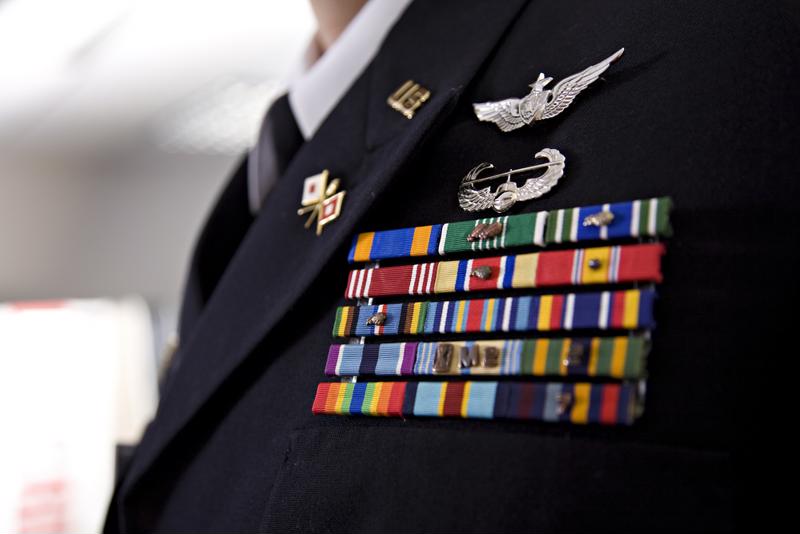
Meanwhile, Wisconsin news service Lake Country Now reported that Pewaukee High School students are speaking with veterans from a different historical era. Seven retired military members signed up to tell their stories, and more than half served in World War II. Like the Alabama interviews, the conversations will be submitted to the Library of Congress for archiving. Students prepared questions ahead of time and spoke with the vets during the summer break, with each session lasting more than half an hour.
The high schoolers received valuable experience from these interviews, with the personal stories of the subjects going beyond the overview of historical conflicts delivered by textbooks. Liana Jackson, a rising high school senior, told Lake Country Now that speaking with an individual who has experienced war is "more special" than learning about that conflict in a classroom setting.
Preserving memories, establishing bonds
By getting high school students involved in preserving veterans' stories and memories, these archival projects deliver value in several different ways. Keeping personalized narratives of the country's wartime history can help future generations learn, and the pupils conducting the interviews gain a new perspective to go along with their honed fact-gathering abilities. The effort to ensure vets' stories aren't forgotten is a helpful one wherever it goes, and its role as a program in schools adds a new twist to the formula.
Veterans assistance programs can come in many forms and from all different segments of the community. Local government, federal organizations, business owners and private citizens all have unique parts to play in making life a little better for military personnel after their return from the service. Often, helpful ideas come from alliances between the public and private sectors, with both sides bringing ideas and capabilities to the table. Small-business owners, nonprofit operators and local government members looking for ways to show appreciation for the vets in their community can look to the following examples for inspiration.
Discounts and benefits in North Carolina
Guildford County, North Carolina, has seen success with its Thank A Vet program over the past year, area news provider News & Record reported. This initiative was created by the county's Register of Deeds office. Veterans who process their release or discharge papers through the county receive an ID card that qualifies them for discounts and bonuses at a variety of local businesses. While registering, the vet can also sign up for Veterans Administration benefits, thus combining important long-term services with helpful everyday advantages.
Jeff Thigpen, the county employee who hatched the idea for the program, explained that it is a positive force people from all sides of the political spectrum can agree on. Nearly 300 local companies offer discounts based on the Thank A Vet ID cards, and 1,424 participants have signed up for the program thus far. The success of the initiative has made it a model for other communities – six more regions have joined since Thank A Vet began.
"Local business leaders can also have a positive effect through one-time donations."
Donations for a California nonprofit
While the above programs displayed the value of long-term alliances between small companies and government agencies, local business leaders can also have a positive effect through one-time donations to nonprofits. Your Central Valley recently highlighted A Combat Veteran's Hope, an organization designed to help service members transition back to civilian life. The nonprofit has received strong contributions from company owners to help it keep up with its mission.
The news provider reported that the latest donation to the group was $25,000 from HR Mobile Services and its CEO Kenneth Hernandez. A Combat Veteran's Hope has spent a year ensuring that veterans who return to civilian life don't become isolated or cut off from the outside world. They achieve the goal through hosting events such as golfing, fishing and softball games. The latest contribution will be paid over five years, providing periodic infusions of funds to keep the nonprofit operating.
The power of teamwork
When local companies and veterans groups get together, the results can be more positive than if the organizations tried to help separately. Giving money or services to programs designed to assist military personnel is a great way to show that a company is a responsible part of its community, and one that wants to show appreciation for vets' service and sacrifices. There's no one set way to create such an alliance and every town and city will have its own unique situation.
Sometimes, veterans returning from active duty require a little help re-integrating into civilian life. Groups that provide job and housing searches can step in and ensure a smooth transition away from the military routine. In other cases, problems persist, making more active intervention necessary.
When veterans struggle with heavy burdens such as addiction, physical disability or inability to find housing, a dedicated class of organizations can step in to provide assistance. These programs have taken root in cities and towns across the country, helping veterans facing the worst times of their lives rebound. Learning the stories behind such efforts can underscore why they are needed and what services they can provide.
California development sets good precedent
The Mather Veterans Village in Rancho Cordova, California, is designed to ensure that vets facing serious crises have a roof over their heads, CBS Sacramento reported. The residential units are funded by the city, Veterans Resource Centers of America and a nonprofit group called Mercy Housing. At present, 50 veterans live in the Mather Veterans Village. Some of the residents, including those dealing with physical disabilities, were homeless before finding places in the apartments.
Mercy Housing California's Doug Shoemaker explained to the news provider that Mather Veterans Village is just the beginning. The state of California intends to create more of these facilities, which consist of comfortable apartments instead of the bare-bones accommodations that can be found at homeless shelters. The village is an inspiring start, as it links veterans with therapy sessions, job training and medical help at a nearby VA hospital.
Private project creates veteran housing in Reno
Affordable apartments for formerly homeless vets have also gone up in Reno, Nevada, according to the Reno Gazette-Journal. Instead of being driven by an official program, this development was funded by Mountain Group Property Development's Dr. Murray Rosenthal. The company converted what was previously an uninhabitable motel into 20 single-occupant apartments. They are available to homeless veterans through the U.S. Department of Housing and Urban Development – VA Supportive Housing voucher system. Vets can receive rooms whether they need temporary accommodation or a place to live permanently.
When Rosenthal converted the units into apartments, he also turned a room into a center where veterans can receive health care advice, the news provider reported. The room is a full-time community gathering place in addition to its medical role. Rosenthal is also looking into adding other VA services, such as job counseling sessions to help tenants re-enter the workforce.
Help when it's needed
Providing places to stay for veterans who have fallen on desperate times is an important and noble undertaking, whether the project in question is led by public or private forces. A tragically high number of individuals struggle with homelessness after returning from serving their country. Communities that have resources to get these veterans back on their feet help to ensure that they are not forgotten. Housing developments provide their residents with the second chances they need to settle back into their lives and leave their darkest times behind.
When a veteran returns home from active military service, several important elements need to fall into place to ensure a smooth transition back into civilian life. Health care for both physical and mental ailments is a must. Next, the veteran needs housing. After those considerations are squared away, it's time to either enter the workforce or return to academia for further education. Higher learning can play an important part in helping military personnel improve their lives, which is why programs that help connect vets with schools are in such high demand. Today, there are many organizations all over the country lending a hand in their communities.
Connecting vets with benefits in Jacksonville
Alabama news station ABC 33/40 recently focused on efforts by Jacksonville State University staff to make sure veterans in the area know how to access the education benefits they receive upon leaving the service. The college will soon sport a new veterans center on campus. JSU Director of Veteran Services Justin Parker explained that the school takes its role in vets' lives seriously – it can be the driving force that helps them rejoin the civilian population.
The GI Bill is in place to help pay for higher education, but since its benefits aren't universally known, projects such as JSU's have an important role to play. Congressman Mike Rogers told the news provider that a lack of clarity on education options is one of biggest hurdles keeping veterans from re-entering civilian life successfully.
"It was disappointing to learn that as part of their exit interviews and their exit process that they aren't given more in depth knowledge about all the opportunities that are there as far as assistance," Rogers added.
JSU appears to be an appropriate place for veterans outreach: The university had approximately 430 students using VA benefits as of the Spring 2016 semester. The opening of the new center will help this group, as well as the next wave of vets who may be considering school but are unsure what benefits they qualify for. Parker explained to ABC 33/40 that he sees JSU becoming an even greater part of the local community once it has more resources for military outreach.
Standing up for the GI Bill
Of course, benefits due to veterans could change. It depends on what happens to the GI Bill itself. According to Military Times, the organization Iraq and Afghanistan Veterans of America is attempting to ensure that lawmakers stop any cuts to this legislation. The group's campaign is a reaction to worries that the bill may be dismantled due to the fact that the Iraq and Afghanistan wars are no longer as prominent in the public consciousness.
The news provider noted that the House of Representatives passed legislation to halve the GI Bill housing allowance. The measure is up for evaluation in the Senate and, despite promises that some of the money saved with the cut will go to scholarships for children who have lost a military parent, leaders of IAVA are worried about the serious effect housing funding reductions could have on vets. With around $12 billion going to the bill this year, this is likely not the last attempt by lawmakers to cut parts of it.
One of the biggest issues many veterans face when they return home from service, and sometimes for a while afterward, is that it's not always easy to find a steady job. Fortunately, many companies now look to focus their hiring efforts specifically on veterans, and organizations also exist to help organize events at which vets can find work.
For instance, the U.S. Congressional delegation representing Delaware recently set up a pair of job fairs for veterans at Wilmington University in Dover, according to the Middletown Transcript. In all, 40 employers, including private enterprises and state and federal agencies, were in attendance. The event drew 50 vets and active military personnel with polished resumes, and another was scheduled for nearby Middletown, Delaware, a few days later.
Why is this important?
One of the problems former service members face when they try to find work is unfair stigmas about their applicable work experience and other issues common among veterans, the report said. However, anyone who has been in any branch of the military for a number of years has probably cultivated several highly valuable qualities – from intangibles such as leadership and teamwork to clear on-the-job skills – that put these individuals in a great position to contribute for any employer.
"Veterans have tremendous skills that can be used in almost any capacity," retired U.S. Air Force Col. Ron Sarg, chairman of the Delaware Commission of Veterans Affairs, told the newspaper. "Veterans know how to work as a team, and they know how to work independently. They can easily identify with any company's objectives."
Going high tech
In addition, efforts are also underway to help train veterans for jobs that already relate to the skills they've developed, if not their real-world experience, according to the Providence Journal. The U.S. Department of Homeland Security recently partnered with Hire Our Heroes to offer free cybersecurity training classes that can prepare former service members for careers in IT. The Veterans Cybersecurity Training and Education Guide offered by DHS can help vets determine how prepared they are to begin this training, and once they are ready, up to 800 hours of courses are available for free online. About 100,000 vets have used the program so far.
This kind of job opportunity may be crucial for veterans because IT security plays into strengths they likely developed in the military, such as critical thinking and analytical examination of a potential problem, the report said. Moreover, IT security jobs generally pay quite well, with such a position currently carrying an average annual salary of about $116,000.
It shouldn't be incumbent upon veterans to show why such a relationship can be mutually beneficial, but if organizations can make those strides on their behalf, that's vital to ensuring veterans' future prosperity. However, when job fairs and other hiring events take place, veterans should have a resume ready to go so they can seize the opportunities that might be available to them based on their skillsets.
While first responders perform difficult and dangerous work every day, they may go a long time without receiving thanks or support for their efforts. Some communities, however, have made concrete plans to rally around their firefighters, police officers and EMTs, letting them know that the services they provide are invaluable.
While such celebrations can seem downright understated – after all, first responders' jobs are about saving lives – appreciation can have an immense impact. Knowing that cities and towns are behind them and support the vital work they do can buoy emergency responders' spirits and forge strong bonds between communities and departments. The following are two examples of how these kinds of events can come together.
Family Fun Night in Gulfport
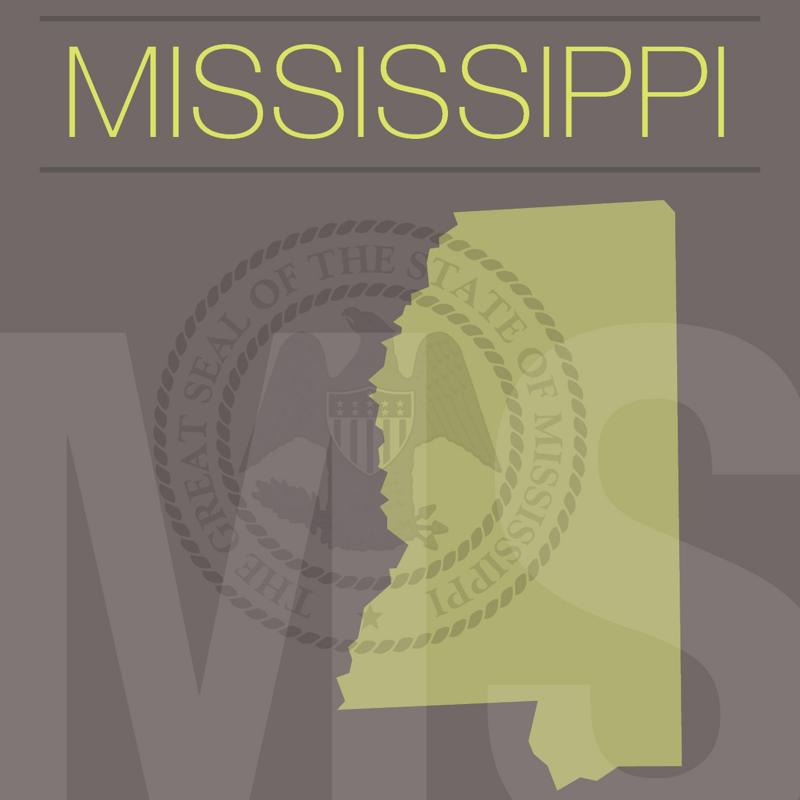
The Sun Herald, a Mississippi news source, described a recent gathering for Harrison County first responders and their families. The idea came from Mark and Alicia Powell, the proprietors of a party equipment rental business. When the couple called the police to help deal with an incident in which a renter refused to return an item, it served as a reminder of how much aid police, fire and EMT personnel provide to citizens every day. The Powells decided to organize a regional event showing the community's support for its first responders.
Since the couple behind the gathering rent out inflatable party equipment for a living, it was easy to set up a party that attendees' young children could enjoy. Despite rain, the party involved playtime for the kids and free food for everyone. The Sun Herald noted that a local youth group, WINGS for Performing Arts, put on a skit, and a fitness demonstration allowed guests to try a new kind of exercise set to music. The Lynn Meadows Discovery Center and local small businesses made the event possible by donating time and facilities.
Day of celebration declared in Winston County
In another example from the same state, Winston County declared a day of celebration for its first responders, according to local news station WTOK. In this case, Vowell's Market and Bennett's Do It Center decided to create a day that would highlight unity between the county and its police officers, firefighters, EMTs and sheriff's deputies. Louisville, Miss., police chief L.M. Claiborne explained why these events are so important.
"We're only as effective as a community will allow us to be and through their cooperation and working with us. I think it's important that we come out and meet them so they can put a name to the face," he told the news provider.
When communities band together to show their appreciation for fire, EMS and law enforcement personnel, they can choose from plenty of different gathering types. A meet-and-greet is one option, as is a dinner, carnival or talent-based event. The choice of agenda, however, is less important than ensuring that a forum exists for civilians and first responders to meet. Celebrating the aid these hard-working professionals give for their communities is always worthwhile.
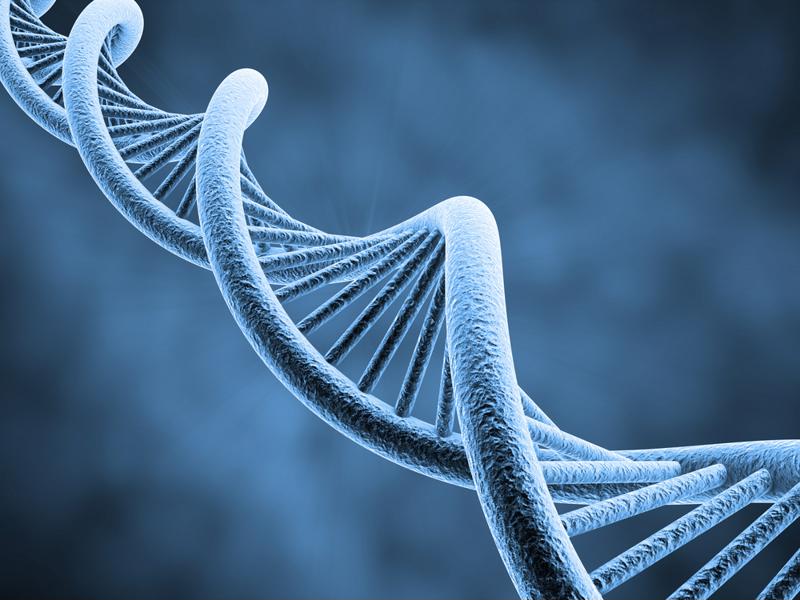
The health risks and challenges facing veterans demand attention from the medical establishment. These are individuals who have given years of their lives for their country, risking extraordinary harm, so it is important that their physical and mental health alike receive attention and are not pushed aside. According to the Providence Journal, some important medical research is being helped along by veterans themselves, who have volunteered their genomic information for a database being run by the Department of Veterans Affairs. The Million Veteran Program aims to create a huge genetic database to unlock new health information and help formulate treatments.
Over 500,000 have enrolled
Gathering complete genomic data from blood samples and creating a huge database could be very helpful in identifying causes of and cures for serious medical conditions. To this end, the VA is seeking volunteers to become part of the Million Veteran Program and, the Providence Journal reported, has been very successful in its mission.
More than 500,000 individuals have joined the testing pool, which is currently the largest database of its kind. The program has been underway for five years now. In addition to logging genomic data, veterans respond to surveys about their health and their experiences during and after their military service. Between these answers and the hard data encoded in the blood samples, scientists have plenty to work with.
The news provider explained that many of the ailments studied by researchers working with the program are those that directly affect veterans more frequently than other populations. For instance, blood pressure issues, tinnitus and cancer strains common to service members are all subjects of study. By donating their time and the records of their genetic information, veterans are aiding in research that could be hugely relevant to their quality of life.
"We believe MVP will accelerate our understanding of disease detection, progression, prevention and treatment by combining this rich clinical, environmental and genomic data," said VA Undersecretary for Health Dr. David Shulkin, according to the Providence Journal. "MVP will allow the nation's top researchers to perform the most cutting edge science to treat some of the nation's most troubling diseases."
New approaches to veteran health care
Intensive research into health conditions that affect veterans is only one component of treating these issues. High-quality care facilities and programs are also needed to put the results of that research into practice. Health Data Management recently spotlighted an increasing focus on telemedicine among VA providers, in an attempt to see more patients without physical hospital visits.
The news provider explained that the VA is one of the most noted and advanced telemedicine users among all medical systems, with the programs being especially helpful when dealing with individuals who live in rural areas, far away from the nearest hospital. Travel time can be eliminated when experts use video technology to see what is going on at satellite clinics, or even in patients' own homes. In 2015, 677,000 veterans used telemedicine systems to converse with doctors. That impressive total accounted for 12 percent of all veterans in the country.