
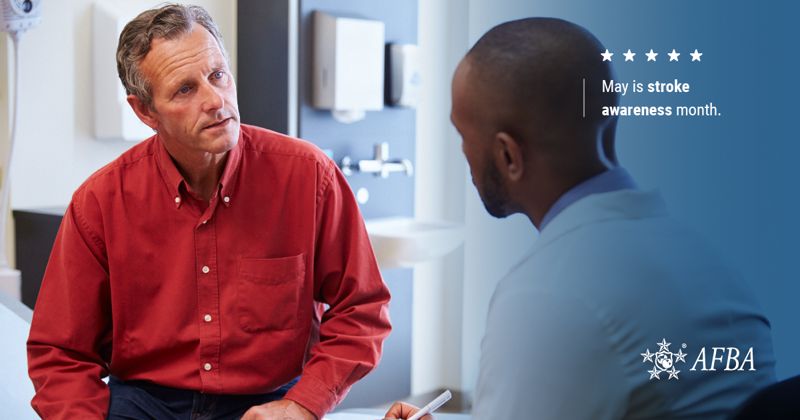
May is stroke awareness month, and we are taking a look into how strokes impact the military veterans of America. Regardless of age, many veterans are at a heightened risk for stroke and the impacts that come with it. When it comes to U.S. Veterans, about 15,000 of them suffer a stroke each year as a result of their service to the country. Let's go into further detail about why this is and other important resources related to stroke awareness.
How PTSD is connected with stokes
Multiple studies have found that PTSD is intrinsically linked with a person's risk of stroke. According to Reuters, one study found that "veterans with PTSD were 61% more likely than others to have a mini-stroke and 36% more likely to have a stroke." The study primarily focused on those who were a part of the Iraq and Afghanistan wars and who had no previous history of stroke incidents.
The research also showed that, while age can be a factor in determining an individual's risk, there is a link between PTSD and strokes in young or middle-aged people. Strokes occur when a blood flow to the brain is disrupted by a clot or a rupture. Because blood vessels carry oxygen and other nutrients, the cells begin to die when it is blocked from those parts of the brain.
So how does PTSD relate to that? Traumatic stress that is sustained over a long period of time, such as in combat situations, can impact the overall functionality of the brain. While not every study suggests the same thing, many of them come to similar conclusions as to why PTSD increases the risk of stroke:
- Increased hypercoagulability: Hypercoagulability is the increased tendency to form blood clots within a blood vessel.
- Damaged Catecholamine and glucocorticoid production: These are hormones that the brain produces like epinephrine and dopamine. When these hormones are impacted, these impacts can lead to a higher risk of stroke: increased blood pressure, heightened platelet aggregation, vasoconstriction, cardiac arrhythmias, elevated heart rate and increased cardiac output.
Stroke awareness
PTSD is not the only reason why veterans are likely to be the victim of a stroke. Conditions such as brain damage received from active duty can also be contributing factors. The American Heart Association has found that "those who had a head injury were 69% more likely to have a stroke," even over the long term.
Understanding that veterans are at a higher risk for stroke than their civilian counterparts can help increase awareness of the potential dangers. Stroke is the leading cause of death and disability across America, and awareness is just one piece of the puzzle and in creating prevention.
Stroke prevention
Aside from encouraging healthy lifestyle choices, there are a few things that a person can do in order to mitigate the damages of a stroke incident. There is even a helpful acronym that can help with stroke recognition and awareness:

- Face: A drooping side of the face is a key sign of a potential stroke.
- Arms: When both arms are raised above the head, does one fall lower than the other?
- Speech: Slurred speech is a red flag and a characteristic symptom of a stroke.
- Time: If you suspect a sign of stroke, call 9-1-1 right away because time is critical.
The U.S. Department of Veteran Affairs reports that about 6,000 Veterans per year are admitted to VA facilities with a stroke. If you are someone you know is at risk for a stroke, take the time to consult your physician and create a plan of prevention.
First responders lay their lives on the line to protect their communities and they are a true example of the kind of bravery that our nation benefits from. There are many different ways Americans show their appreciation and support for first responders, from parades and discounts to remembrance gardens.
With spring around the corner, the gardens are blooming and in prime condition for everyone to attend and appreciate. These locations serve as a tribute to those who were lost in the line of duty. The gardens can last hundreds of years if maintained well, and can also serve as a place for survivors to heal and others to spend a nice day. Let's take a look at some of our nation's first responder remembrance gardens.
Georgetown Community Hospital
The town of Georgetown, Kentucky recently unveiled a new garden commemorating first responders. In March 2022, the community gathered to show their support of the First Responders Memorial Garden. The garden came to fruition thanks to a partnership between the hospital and several other groups in the community. It has 5,000 daffodils that the team came together to plant in remembrance of local police, fire, EMS, and others who respond first to community emergencies.
"What a beautiful way to honor the first responders of our community," Georgetown Mayor Tom Prather told LEX18. "I know a lot of hard work went into this project, and I want to thank everyone who worked so hard to make this happen."
Garden of Honor
The Garden of Honor began as a project by an Eagle Scout, Hayes Lang, in Farmville, VA. His project aimed at memorializing first responders and veterans. With the help of other Eagle Scout members, the cemetery and community businesses, the Garden of Honor opened on June 14 of last year, after three years of preparation. Among the garden's plants are bronze sculptures of a fire helmet and police cap, which are true to size. Now, the area is not only a pleasant way to spend time outdoors but also reminds visitors of the service that first responders offer our country.
Memorial Garden in NY
When you think about remembrance gardens, New York's Memorial Garden probably comes to mind because it is one of the most famous examples. The garden commemorates those first responders and Port Authority employees who made extreme sacrifices during the terrible events of 9/11. The plaque that sits in the memorial garden reads "On the 20th anniversary of September 11, we dedicate this memorial garden in remembrance of the heroic first responders and rescue and recovery workers of the Port Authority of New York and New Jersey."
With hundreds of visitors every day, the garden serves as a reminder to tourists and locals alike of the sacrifices made. This is a perfect example of what a remembrance garden should provide to the community.

Take part
Many of these gardens are always looking for volunteers to help take care of the garden by sweeping the walkways, weeding around the plants or helping plant any new contributions. For example, the 9/11 Reflection Garden has plenty of volunteer opportunities for people who live near the location. Most locations also welcome flowers, plants or other arrangements to adorn the area. Even if you aren't sure if you know how to create a memorial garden yourself, taking the time to visit the garden this spring and summer is a way to pay tribute.
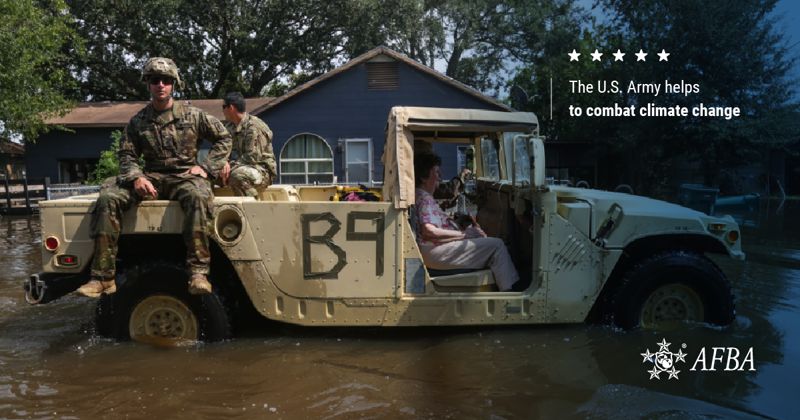
Friday, April 22 is Earth Day. This year, the U.S. Army is taking part in a more integrated way than ever with its new initiative to "sustain the mission, secure the future to meet and defeat climate challenges," according to the U.S. Army Environmental Command.
Let's take a moment to dive into the project a little more in-depth.
The Pentagon and climate change
When it comes to the Pentagon and the climate crisis, the department has a history of keeping an eye on environmental concerns. However, based on new information and at the recommendation of scientific data, worries about climate change have only increased. According to the UN's Intergovernmental Panel on Climate Change (IPCC), the world is expected to warm by 3.2C (or 37.76F) this century.
Global warming is only one of the major climate concerns. The U.S. government is also worried about rising sea levels, carbon emissions and habitat destruction. The Pentagon itself has taken steps to create a new strategy regarding the climate issue by introducing the U.S. Army's first climate change strategy.
For example, climate-related issues can lead to conflict, which is where the Pentagon's interests are peaked. From dwindling resources to water wars, the environmental changes have a severe impact on the United State's defense policies.
As a massive contributor to the federal government's carbon footprint, The Army is taking accountability and leading by example to lower its environmental impact — currently, the department produces about 56% of the federal government's carbon footprint and 52% of its electricity use, according to the Washington Post.
A new strategy
In its first strategic plan released in February of 2022, the Army outlined its response to global-warming-driven conflicts. In its climate strategy, it hopes to cut back on its own negative impact on the earth. Here are a few of its goals:
- Cut back on the military's emissions by half in eight years (2030).
- Convert all noncombat vehicles to electric by 2035.
- Develop electric combat vehicles by 2050.
- A new kind of officer training for the changing climate, dealing with warmer and more extreme environments.
These may seem like ambitious goals, but the hope is that the Army can be more efficient and move into the future with the tools to mitigate the damage and prevent further issues. But it is not only about the future, it is imperative to take action now.
According to Christine E. Wormuth, who is the Secretary of the Army, "For today's Soldiers operating in extreme temperature environments, fighting wildfires, and supporting hurricane recovery, climate change isn't a distant future, it is a reality."
While these goals may seem out of the Army's regular line of work, Paul Farnan, the acting assistant secretary of the Army for installations, energy and environment made it clear that the new strategy is actually aiding its main mission of fighting and winning wars. Now, these two issues have become intrinsically linked.
Earth Day is another opportunity for the U.S. Army to prove its commitment to sustain the mission, and secure the future to meet and defeat climate challenges. To learn more about the Defense Department's activities on Earth Day, take a look at the partnership for the planet.
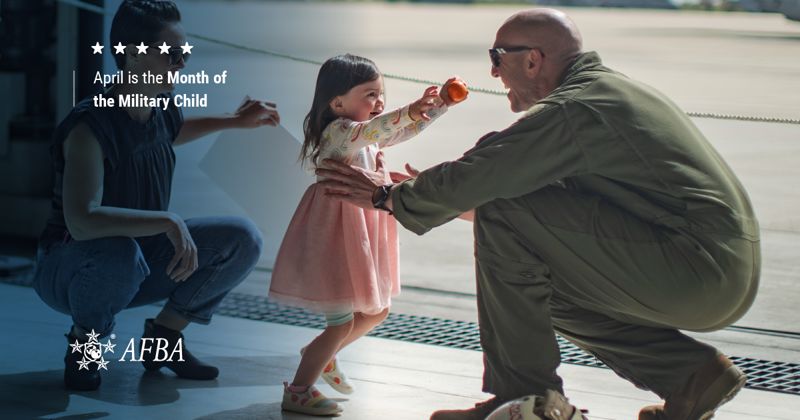
In the military community, family members are connected and rely on each other. The same is true for the children of military members, who play a large role in this community. April is Military Child Month and we're taking the time to spotlight the experiences of military children.
The military child in 2022
The Department of Defense reports there are currently 1.6 million military children of active-duty members. These are kids who move around the nation with their service member parents, often going to different schools and making new friends at each base. In fact, the average military families move about three times more than civilians according to the School Superintendents Association.
Because of their parent's choice to serve their country, military children have unique experiences that help shape who they will grow up to be. Despite the fact that they often change schools and change support systems, the United States military does its best to provide consistency and support to the military children and their parents.
Community support
There are resources provided by the Department of Defense to increase community support and connectivity. The life of a military child can result in many different experiences that the children of civilians can't relate to. Here are some of the different ways that military children are assisted.
Military Kids Connect
Military Kids Connect is a program that aims to support children by offering unique resources for their particular situation. From relationships, feelings, health and overall wellness, there is plenty of information for parents and kids alike. Their website says that their "goal is to enhance military kids' quality of life and help them prepare and cope with significant transitions such as relocations, parental deployment, and family adjustment after injuries."
Boys and Girls Club of America
There are hundreds of Boys and Girls Club of America locations across the country, and all children of active duty, National Guard and reserve parents have a free membership to their local club. This partnership is 30 years old and works to provide "access to specialized opportunities, cultivate lifelong friendships, and develop the necessary resilience to build great futures." Click here to find a club near you.
4-H military partnership
Another great collaboration, the 4-H military partnership helps military children find friends, passions, hobbies and a community across the country. They focus on positive youth development programs and unique learning opportunities that encourage them to be confident leaders. 4-H offers predictable connections to kids who often lead somewhat unpredictable lives, as well as a good environment for military-connected children. 4-H has military liaisons who are the official point of contact between military branches and the organization, which helps the two communities come together to support the youth.
Aid for parents
Whether both parents or just one family member serves the country, it can be hard to know how to help your children cope. The DOD offers several different programs to help parents give their military children the best. Here is a list of just a few of the options that parents have through the government:
Thrive online programs: You can find courses on ways to parent positively through child stress management and health promotion.
Childcare: Military OneSource has a database of accredited childcare centers.
Exceptional Family Member Program: "Use this tool to navigate through the Department of Defense's network of services and support for families with special needs."
Members of the military and first responders have long been active in the Olympic competition, and the 2022 Beijing Olympics is no exception. This year, America cheered on California wildland firefighter Robby Burns, who was on the U.S. Olympic snowboarding team. The professional from Mt. Shasta competed in men's parallel giant slalom. Let's take a look at his 2022 run and his contribution to battling the raging fires in California.
Getting to the top
Burns's own website describes him as a snowboarder, a firefighter and a speaker. He started his snowboarding journey when he was young, began competing professionally in 2014, and 2022 was Burns's first time in the Olympics.
At 31 years old, he is not only a qualifying Olympian but works for the U.S. Forest Service as a firefighter during the summer. Burns' firefighting career is as impressive as his athletic ability. During his time fighting fires, he was a part of a hotshot crew, called the Shasta Lake Hotshots. These are the people who are deployed to fight the most intense and hot parts of the fire. Most recently, Burns and his crew were out fighting the Californian Dixie Fire, which was massive enough to have burnt 900,000 acres. Not only that but he was on the crew that fought the Monument Fire. Located in Del Loma, CA, the fire burned 223,124 acres.
For the last five years, Burns has been a professional snowboarder, as Wildfiretoday reports. During his time competing, he wore a belt buckle to represent and call out his fire crew, which he received for being in the crew for three consecutive years. Burns' journey to the Olympics really started when he finished first in the Nor-Am Cup Parallel Giant Slalom race in Steamboat Springs, Colorado. There was a minor setback when he injured his leg during one of his training sessions. Because of this, Burns missed some of the 2021 World Cup tours in Russia.

The Olympic journey
During his time in Beijing, Burns needed a combined time of 1:22:48 to make it to the medal rounds. Burns' is a two-time All-American and gold medal-winning snowboarder. Those accolades were achieved when he was in college at the University of Idaho. In 2022, he missed qualifying for the 2018 Games in Pyeongchang by one slot.
Other first responders who competed
Due to their drive and determination in everything that they do, there are usually quite a few first responders representing America. Here are some of these firefighters who have competed in the past and present Olympics:
- Lea Ann Parsely: Now retired, Lea Ann was the first female skeleton athlete to win both a world cup and bring home an Olympic medal.
- Jimmy Watkins: This first responder finished sixth in the men's cycling sprint in 2012, which was the best in 12 years at the time.
- Lovie Jung: In 2008, Lovie won a silver medal with her team in Softball. Now, she is an active firefighter and paramedic for The City of Riverside Fire Department.
There is a long history of first responders and military members who excel in their chosen sport well enough to make it to the Olympics. Robby Burns is another example of this devotion — whether it's a professional sport or saving lives.
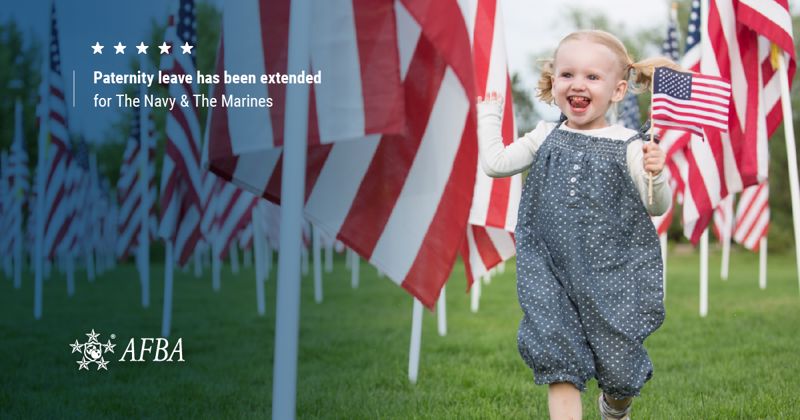
On February 11, 2022, Carlos Del Toro, the Secretary of the Navy, extended the Secondary Caregiver Leave(SLC). This means that paternity leave is no longer two weeks but is now three weeks and provides up to "21 days of non-chargeable leave to parents who are designated as secondary caregivers per the Military Parental Leave Policy." The same is true of the Marines. Instead of paternity leave, it is called secondary caregiver.
The Navy
According to a Navy press release, "This policy change aligns secondary caregiver leave duration in the Navy and Marine Corps with that in the Army and Air Force. The extension to three weeks comes in advance of an increase to twelve weeks authorized in the recently enacted NDAA, which will become effective at the end of 2022." The leave is non-chargeable which means that it does not "count against a member's earned leave balance.
Vice Adm. John B. Nowell, Jr. the chief of naval personnel was quoted several times in the press release.
"Navy is dedicated to supporting our new parents, and we fully understand that our families are as much a part of our service as our Sailors," he said.
Keep in mind that sailors who are currently on parental leave are not eligible for more time. However, those who are about to embark on their leave can take the full 21 days.
The Marines
Following suit, the Marines also extended their second parent leave during the beginning of their child's life. Del Toro said in the Marines' press release. "The expansion of caregiver leave will provide additional relief to the families of Marines and Sailors, further improving Marine and family readiness, as well as recruiting, retention, and overall talent management of the force."
While this change was not anticipated by some, it reflects the Department of Defense's emphasis on family and community connection during difficult times. Note that the Secondary Caregiver Leave can be taken at the same time as a Maternity Convalescent Leave. This is because it is part of the bigger program which is called the Military Parental Leave Program.
The Army and Airforce
The army and airforce increased their paternity and secondary caregiver leave several years ago. The Airforce did this in 2018. Its press release at the time said, "effective immediately, the new policy applies to Total Force Airmen who are birth mothers and fathers, same-sex couples, as well as adoptive and surrogate parents."
The Army extended its leave in 2019, citing that it wanted to increase its members' flexibility as it relates to family reunification. The branch doubled its parental leave for secondary caregivers and added more for maternal leave. On January 23, 2019, the Secretary of the Army at the time, Mark T. Esper signed this directive.
Now, the Marines and the Navy have the same orders and the opportunity for the secondary caregivers to bond with their newborn babies
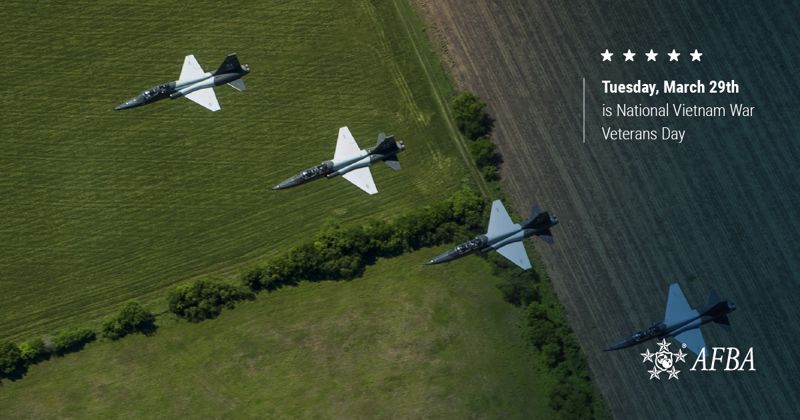
March 29 is National Vietnam War Veterans Day and we're encouraging our readers to tune into some of the best-rated and well-known documentaries that capture the significance of the Vietnam War. Over the years, new information and interviews reveal more details and footage of what the Veterans and their families experienced during this difficult time. Honor a Vietnam Veteran today by taking some time to educate yourself and others about the facts, the impact, and the importance of this period in American history.
Here is our top five list:
In the Year of the Pig (1968)
This documentary has long been touted as one of the best documentaries about the Vietnam War by film critics. Created in 1968 by the director Emile de Antonio, the film has many experts and professionals that have personal experience with the war. From members of the military to CIA agents, the Year of the Pig was one of the first to document the brutal war in this way. There is historical footage and interviews, all done in black and white, which was normal for the time. Because of its content, the documentary has had an impact on the way we think about the war now.
Vietnam: The Ten Thousand Day War (1980)
This is a 26 part mini-series that was produced by Michael Maclear, later consolidated into a 12 episode series where each installment was longer. For this documentary, Maclear visited Vietnam and was the first Western journalist to be allowed to visit Vietnam since the end of the war. Additionally, a writer for the docuseries was Peter Arnett, who was an Associated Press reporter in Vietnam from 1962 to 1975.
The War at Home (1979)
This documentary shares another angle of the Vietnam War. It focuses on the anti-war movement in the Madison, Wisconsin region of America. The film has real footage from the protests and interviews with people who participated in them. The War at Home uncovers the sentiment of many in the United States at the time. It was nominated for an Academy Award for Best Documentary Feature in 2008.
Hearts and Minds (1974)
Premiering at the 1974 Cannes Film Festival, this documentary has its own interesting history. Columbia Pictures would not distribute the film due to legal issues which required the people who made the film to purchase back the rights. The documentary showcases two narratives: the military's strategic planning and the repercussions of the war on American families. Hearts and Minds was selected for the National Film Registry by the Library of Congress as being "culturally, historically, or aesthetically significant."
The Vietnam War (2017)
A Ken Burns and Lynn Novick film, the Vietnam War is a ten-part documentary. According to PBS, where it first aired, the docuseries contains "revelatory testimony of nearly 80 witnesses from all sides—Americans who fought in the war and others who opposed it, as well as combatants and civilians from North and South Vietnam." It reportedly took the team ten years to create and document, and it contains a score of music that was specifically made for the film.
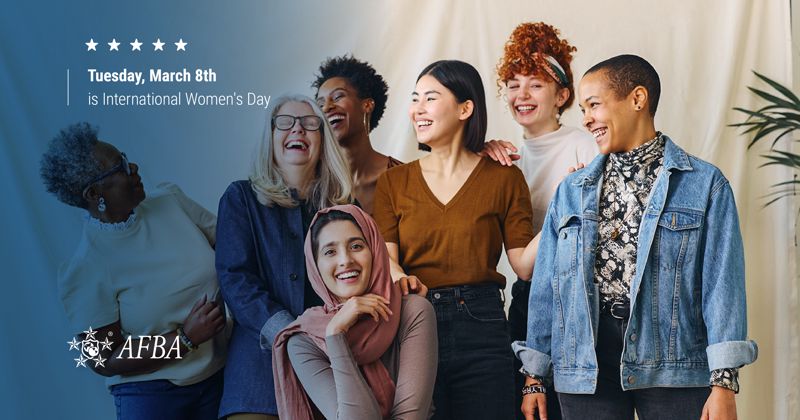
March is International Women’s Month and March 8th is the specific day devoted annually to remembering the impact and importance of gender equality. The day has been celebrated in America since 1975 when its recognition was encouraged by the United Nations. Let’s take the time to learn a little more about how it came to exist and honor some inspiring American women.
The roots of International Women’s Day
While the U.S.A. did not celebrate the holiday until the ’70s, international recognition began much earlier than that. The first noted Day of the Woman was around 1910 when Clara Zetkin suggested that a day be set aside internationally at a meeting of the International Congress of Working Women. The meeting, which was in Copenhagen, eventually brought the day to become celebrated in Austria, Denmark, Germany and Switzerland the next year.
The significance of March 8th is also important. This was the first day of a historical strike led by women, in hopes to secure the right to vote in Russia in 1917. The strike ultimately led to the Russian Tsar being overthrown and women being given the right to vote in Russia.
 The appearance of U.S. Department of Defense (DoD) visual information does not imply or constitute DoD endorsement.
American women to recognize this year
This year, the 2022 International Women’s Day campaign theme is Break the Bias. According to the campaign website, “Whether deliberate or unconscious, the bias makes it difficult for women to move ahead. Knowing that bias exists isn’t enough, action is needed to level the playing field.” Here are some women in the American Government who have broken the bias and cleared the path for many other women to find success:
Maxine Waters
Congresswoman Maxine Waters was elected in November 2018 and is serving her 15th term in the House of Representatives in the 43rd Congressional District of California. She received 70% of the vote and her constituency continues to rely on her to represent them and their needs. She represents the diverse population of South Los Angeles. She was the first woman and first African American Chair of the House Financial Services Committee. Congresswoman Waters has a long history of shaping public policy and breaking down social barriers.
Liz Cheney
Congresswoman Liz Cheney represents Wyoming in the U.S. House of Representatives. She is the only member of congress to do so and has been in office since 2016. According to her website, “Cheney sits on the House Armed Services Committee and also serves as the Vice-Chair for the House Select Committee to Investigate the January 6th Attack on the United States Capitol.” Aside from her current role of leadership, she served at the State Department as a Deputy Assistant Secretary of State and Principal Deputy Assistant Secretary of State for the Middle East. She was also a lawyer and speaks with authority as a Fox News Analyst.
Sonia Sotomayor
Now a U.S. Supreme Court Associate Justice, Sonia Sotomayor graduated in 1976 from Princeton with the University’s highest academic honor and continued to earn a degree from Yale Law School. Sotomayor served as Assistant District Attorney in the New York County District Attorney’s Office from 1979–1984. She was first nominated in 2009 and has served since. In 2019, she was inducted into the National Women’s Hall of Fame.
These are only a few of the inspiring women who serve us through our government. Take the time this March 8th to consider the massive strength of those brave women who took a stand and fought for equality and those who continue the tradition today.
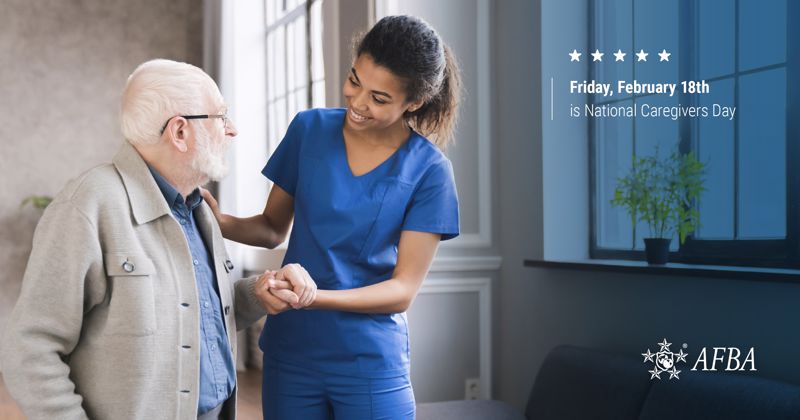
February 18 is National Caregivers Day, and we are taking this opportunity to spotlight the caregivers who serve those who serve America. The day of recognition occurs every year on the third Friday in February. Caregivers are unsung heroes, working to support individuals and families in their times of need.
Caregivers for disabled veterans
It is not uncommon for those who have served in war or other capacities to have service-related injuries and disabilities. In a survey published by Statista Research, they found that there are more than 1.5 million veterans who have a 70% or higher service-connected disability rating. This means that at least a few of those individuals need a caregiver in some capacity.
Unpaid caregivers
A caregiver can be anyone, paid or otherwise, who helps someone who is elderly, sick or disabled do everyday things. They can be family members, friends or a professional. This individual should be the one who helps the person in need by supporting their health, personal needs and safety. From bathing and dressing to grocery shopping, the caregiver is there every step of the way. A study conducted by AARP found that one of every five family caregivers is unpaid.
The U.S. Department of Veterans Affairs has a program for comprehensive assistance for family caregivers because these people often set aside their personal lives in order to care for the veteran who needs them. Here are some of the requirements someone must have to qualify for the program:
- Be a spouse or family member of the veteran.
- Live full time with the veteran or is willing to do so.
The program offers the caregiver a monthly payment, health care benefits, training, mental health counseling and other assistance.
Caring for an active duty military member
Those who have retired from their service are not the only ones who need assistance. Active-duty servicemen and women need help sometimes too. Physical wounds and accidents happen, and it is not uncommon for a caregiver to provide some help while they heal. The same is true for those who have suffered from PTSD as a result of their service. This mental ailment can be incredibly disruptive to everyday life. Here are some examples of caregiver tasks according to the Army Public Health Center:
- Assist a Service member with day-to-day tasks.
- Provide a Service member with emotional support.
- Advocate for treatments for a Service member.
- Oversee legal or financial responsibilities for a Service member.
- Coordinate care and schedules.
If you identify with any of the above experiences, you are probably a caregiver whether you know it or not.
Showing recognition
The day of recognition was first established by the Providers Association for Home Health & Hospice Agencies in 2015, first occurring in 2016. It is a great opportunity to thank the person in your life who you know dedicates their life to care. These people often put others' needs before their own.
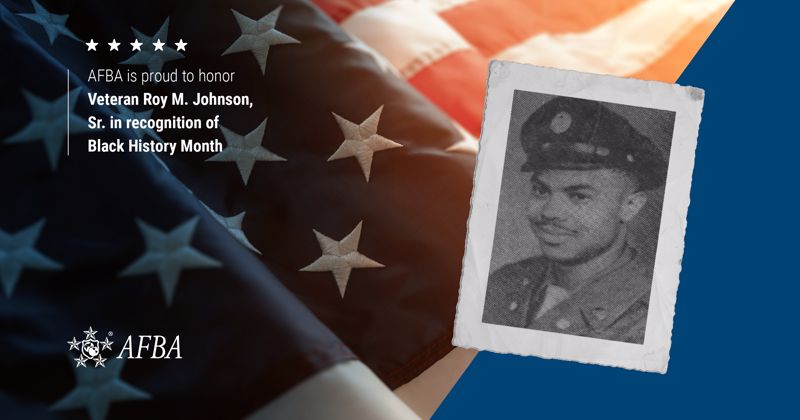
February is Black History Month and, while it is important to take note of history all year round, we're using this opportunity to share and honor Black veteran stories. This month, we're highlighting the inspiring story of Black American war veteran Roy M. Johnson, Sr. who fought bravely as a medic in the Korean War, Black Americans faced inequalities on the front lines and at home when they returned from war, despite their contributions to the country.
A story of bravery
Roy Johnson was born in 1922 in Lincolnton, GA. Just over 20 years later, he was drafted into the war in Europe where he served until it ended. His story is one of bravery, perseverance and service to the United States of America.
By 1950, Sergeant Roy Johnson was a medic in the US Army. Like most active military members of the time, there came an opportunity for him to volunteer for a dangerous mission, where he would risk his life further to protect his country and his deep-held beliefs. Sergeant Roy accepted the mission and was sent to the frontlines of the Taejon area in Korea. There, his task was to get the wounded soldiers from the frontline and bring them back to the first aid station.
The backroads of the countryside were notoriously confusing and difficult to navigate, and Sergeant Johnson's journey to the Taejon area was no exception. At a crossroads, his path intersected that of several enemy tanks that had somehow broken through American lines. He came under unexpected enemy fire, especially because his vehicle was marked with the Red Cross symbol. His traveling companion was killed in the onslaught and Sergeant Johnson's hand became badly wounded (later it would be completely amputated).
Sergeant Johnson fell off the vehicle and while laying on the ground, was subsequently shot three times in the back. An hour after this conflict, when the enemy was gone, he climbed onto another medical vehicle and drove himself to find his comrades. Badly wounded, he lost consciousness immediately.
Not yet completely safe, the field hospital where he was taken to be cared for fell under enemy machine gunfire. Escaping the enemy once again before the hospital was taken by the North Koreans, Sergeant Johnson was sent first to Japan and then to Walter Reed Medical Center. Not only is this the hospital where his hand was amputated — it's where he met Sergeant Alfonzo Spencer (the father of current AFBA President, General Larry Spencer). The two would become deep friends for the rest of their lives.
Before being discharged from the army in 1958, Sergeant spent another eight years at Bethesda Naval Hospital where he was an Occupational Therapy Technician who trained other war amputees on how to use their new prosthetics effectively. Along with his honorable memory of service, Sergeant Johnson lives in Maryland today with his children.
To learn more about this inspiring Korean War Veteran, check out our YouTube channel.