Aside from all the active branches of the United States Armed Forces, there are reserve components of the armed forces. February 19th is the coast guard reserve's anniversary, so we're tipping our hats to all Armed Forces reserves, collectively called the National Guard and Reserve. Title 10 of the United States Code, a document that outlines the role of armed forces in the United States, reveals the purpose of reserve components.
The purpose of the reserves
According to the document, "the purpose of each reserve component is to provide trained units and qualified persons available for active duty in the armed forces, in time of war or national emergency, and at such other times as the national security may require, to fill the needs of the armed forces whenever, during and after the period needed to procure and train additional units and qualified persons to achieve the planned mobilization, more units and persons are needed than are in the regular components."
Basically, the reserves are a resource for active duty armed forces to use whenever there is a national emergency that requires additional support. They usually perform a minimum of 39 days of military duty per year in order to be prepared for when they're needed. Here's a list of the regular reserves in the U.S.:
- Army Reserve.
- Navy Reserve.
- Marine Corps Reserve.
- Air Force Reserve.
- Coast Guard Reserve.
Joining the reserves
Joining the military reserves could be a better option for some than participating in the active-duty military. Not only are you still able to work to protect your country, but you are also able to do so in a more manageable way, which may suit some people better. This is because members can keep their civilian jobs and continue their education. The standards to join the reserves are still rigorous and draw reliable, qualified individuals. While there are some minor differences in each branch's reserves, the basic requirements are the same and the same state benefits are offered.
Eligibility status
According to MilitaryOneSource, here are the basic standards that must be met to qualify for the reserves:
- Be a U.S. citizen or resident alien.
- Generally, be between the ages of 17 and 42.
- Make it through the armed forces physical exam.
- Pass the Armed Services Vocational Aptitude Battery test.
- Meet the minimum Armed Services Vocational Aptitude Battery (ASVAB) eligibility standard.
Before meeting these requirements, anyone interested in joining the reserves must contact a recruiter, who would be happy to help them get started. A good place to begin your journey is the recruiting website of your desired branch:
- Army National Guard.
- Army Reserve.
- Navy Reserve.
- Marine Corps Reserve.
- Air National Guard.
- Air Force Reserve.
- Coast Guard Reserve.
Despite the fact that being in the reserves is less of a time commitment than active duty, there are still important obligations that you'll need to fulfill. These include things like initial training, a monthly drill, annual training, possible activation and commitment time.
These obligations come with many different benefits for those who choose to devote a portion of their time to their country. For example, reserve members get part-time pay that depends on their level of commitment and service, as well as health care coverage from TRICARE Reserve Select.
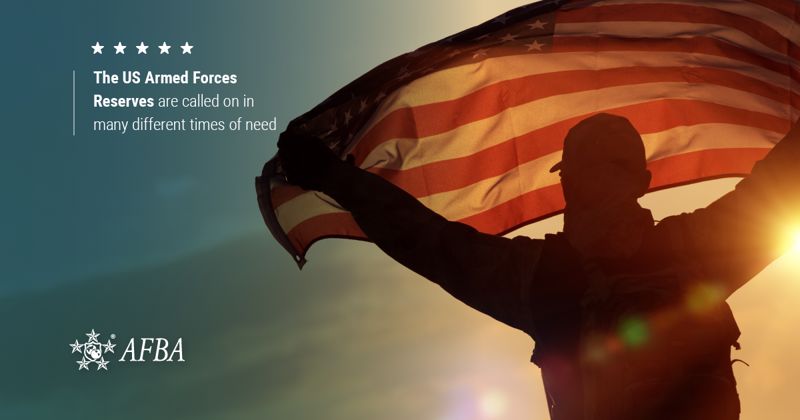
The United States Armed Forces Reserves are an important part of the military, and the country has called on them in many different times of need.
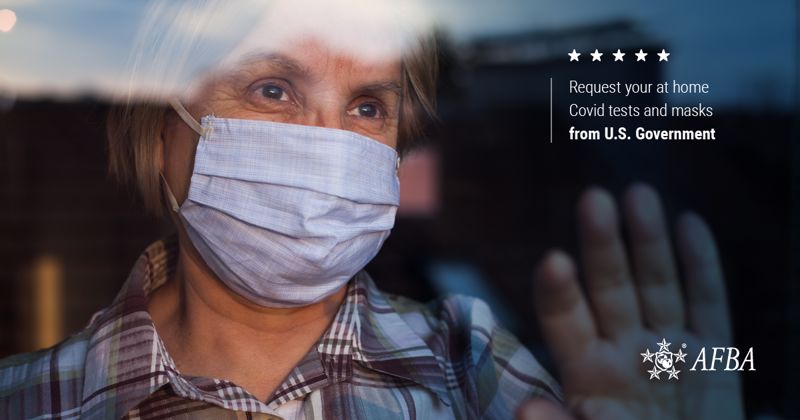
Accessibility of healthcare and COVID-19 prevention tools has been a serious topic of conversation the past two years, amidst the coronavirus and its many strains. The Biden administration launched its at-home COVID-19 test kit and its website on January 19th. Here is what you need to know about how to get the at-home tests and the accompanying N95 masks.
U.S. government offers free at-home testing
This new government effort will provide up to four at-home COVID tests per family. According to the White House press release that was given on January 14, "Public health experts and the Centers for Disease Control and Prevention recommend that Americans use at-home tests if they begin to have symptoms, at least five days after coming in close contact with someone who has COVID-19, or are gathering indoors with a group of people who are at risk of severe disease or unvaccinated."
The accessibility of this program offers Americans a way to easily mitigate their own risk as well as the risk they might pose to their family and community. According to the CDC, a robust and responsive testing infrastructure is a very important component in stopping the spread of COVID-19. The rollout of free tests is a step in the right direction.
How to get your tests
In order to provide four free tests to every American household, the Biden Administration purchased "one billion at-home, rapid COVID-19 tests." Because these tests have already been procured, they have partnered with the United States Postal Service (USPS) to package and deliver tests to those who order them.
To order your tests simply go to the covidtest.gov site that is devoted to distributing them. It is important to note that the tests take 7-12 days to ship Because of this, it's recommended to order the four free kits before you may need them so that you are prepared with resources already at home versus running around to find at-home testing options once sick or exposed. If you or someone in your household needs a test as soon as possible, check out this state-based resource.
Getting your free N95 masks
Not only is the government offering free tests, they are also providing N95 masks to those who request them. The White House announced that the masks will come from the government's Strategic National Stockpile, which has more than 750 million masks available.
The masks are available for pickup at community health centers that have partnered with the federal government's COVID-19 vaccination campaign. The program begins January 24, and is thought to be fully rolled out at the beginning of February, according to the Wall Street Journal. This project is not fully-fledged yet, but the first murmurings are promising.
The new free at-home COVID-19 testing and masks are an exciting opportunity to help fight the pandemic. Check out the government website to get started today!
With so much of our everyday lives being completed online, your personal information could be vulnerable if you don't know how to protect it from would-be cybercriminals. From online banking to payments and shopping, there are thousands of ways for a potential data breach to happen. Here are some of the best tips to up your data security for the new year.
1. Don't save your payment information online
It is likely that if you buy things online, there is probably a website that you frequent because the shop has products that you know and like. Because of this, there is usually the option to save your debit or credit card for easier checkout. Sounds convenient and easy, right? While that may be true, going with an autocomplete option may not always be the safest. Even if you are shopping online from a reputable company, be aware that big retailers are not immune to hackers.
Cyber attacks are becoming more frequent and as security software innovates, online criminals adjust accordingly. Popular e-commerce hosts like Shopify and Magento have high-level security in place to protect their user's data, but accidents still happen. The best way to protect yourself from becoming a victim of an online criminal attack is to manually enter your card information every time.
2. Use a virtual private network
A good way to protect yourself is to use a virtual private network or VPN. This is especially true if you spend any amount of time using public wifi networks when transferring important personal data. This is because public internet connections are not as secure as your personal network. Hackers can easily spy on other people who are using the connection to purchase products online. A VPN makes sure that your data and personal information is secure, regardless of where you are, digitally. According to the service Surfshark, 31% of internet users protect themselves using a VPN.
Without a VPN, you leave yourself vulnerable to attacks. If you access your online bank account, input card information or do other personal activities using a public or shared internet connection, consider spending the small monthly fee to protect your personal data. If you are a frequent traveler, this extra layer of protection is well worth it.
3. Avoid phishing scams
Watch out for convincing phishing scams, which are far more intelligent than they used to be. A common method is through email or through a bogus internet ad. Before clicking anything or giving out any of your personal data, think twice. Ask yourself if it is coming from a reputable website or retailer and why they want this information. Another trick is to hover over the sender field so you can see the entire email address. Many spoof senders will have a combination of unique characters vs a qualified business name.
Remember, the majority of companies sending emails will not likely request financial information or include forms for sensitive information without you having previously requested it, or without the assistance of a secure document sharing program. If a random request like this hits your inbox, it's likely bogus! And if you aren't sure, it never hurts to give the customer service phone number a quick call to verify. Companies are often grateful to be made aware of scams and can keep track of specifics scams if a high number of users report similar experiences.
4. Change passwords frequently
We all have that one trusty password that we use for everything because it is so easy to remember. However, it is important to change your passwords every so often, especially for important things like your bank account, credit card or any other personal information on the web. According to electric.ai, you should change your passwords every 3 months. This will reduce the possibility that a cybercriminal will be able to hack into your data. It is important to make sure that you do not have the same password for more than one account. This adds another layer of protection to safeguard your personal information.
February 4th is the official creation day for the United Service Organizations (USO). The USO has been a fixture in military life for over 80 years. Let's dive into the history of the USO and how it impacts the modern military. According to their website, "Since 1941, the USO has been the nation's leading organization to serve the men and women in the U.S. military, and their families, throughout their time in uniform. From the moment they join, through their assignments and deployments, and as they transition back to their communities, the USO is always by their side."
An organization with a history
The organization was founded in 1941 and is private and not-for-profit. It also works with the Department of Defense (DOD). The organization was first formed in WWll to boost the morale of the troops and to encourage American citizen involvement in the war effort. President Franklin D. Roosevelt's goal was to foster more support for the men fighting overseas, which was much needed at the time. In fact, several preexisting organizations and associations were combined to create the USO. They were:
- The Salvation Army.
- The Young Men's Christian Association.
- The Young Women's Christian Association.
- The National Catholic Community Services.
- The National Travelers Aid Association.
- The National Jewish Welfare Board.
Most notably, the USO provided live entertainment to the troops and their families, which included comedians, actors and musicians. In addition, they also created social facilities for those in need, which they still actively do. Though they were disbanded between the end of WWll and the beginning of the Korean War, the USO was revived for the latter war and continued through the entirety of the Korean War, the Vietnam War, Lebanese peacekeeping, Gulf War, Afghanistan and the Iraq war.
The USO today
Today, USO still provides important resources to those who are members of the military community. They have over 200 locations in 14 countries and 27 US states. The USO has over 250 centers that "extend to countries on every continent, operated by thousands of staff and volunteers whose goals are to match our service members' vigilance and provide best-in-class service to those who sacrifice so much for America," according to their website.
Services provided
The USO is a service that is provided to troops both while they are deployed and after deployment. They are also available for military families. Here is a short list of just some of the services offered:
- Operation Phone Home: The project offers military members internet connections and potential phones. 2.8 million minutes of free talk time and 760,000 wifi sessions were logged by service members connecting with their families in 2019.
- USO Care Package Program: You or someone you know can send a care package to the troops overseas.
- Entertainment: USO has provided more than 8.1 million center celebrity visits across the world.
- Transitioning Service Members and Military Spouses: The organization offers support and services to those who are transitioning to a new point in their service.
The USO has been around for over 80 years to provide different kinds of support to the military as a private, non-government entity. On February 4th, 2022 consider donating in celebration of the organization's birthday.
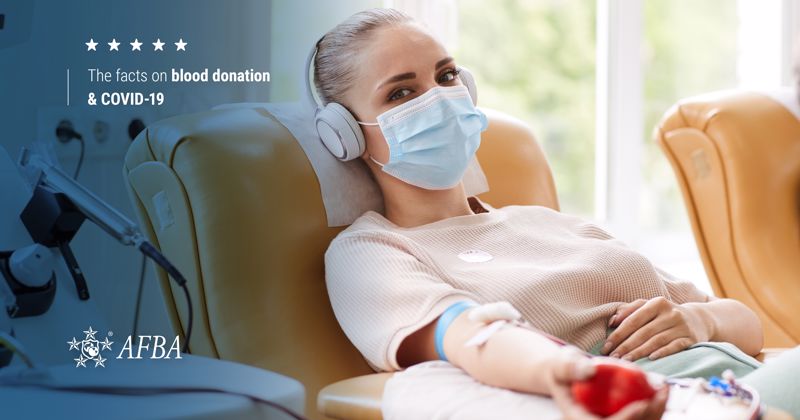
Donating blood is a way to give back to your community that can make a massive difference in someone's life. According to the New York Times, U.S. blood banks are experiencing their biggest shortage in a decade. This is partially due to the fact that there are many misconceptions around donating blood in the midst of the COVID-19 pandemic. Today, we will address some of the biggest myths surrounding the topic.
Donating blood is still possible
Many people might think that donating blood is not even possible because of the restrictions around hospitals. While there is some truth to this, there are still ways to give. There are different organizations that offer available locations where you can schedule an appointment to donate. Here are some examples:
- Red Cross: The Red Cross has a website where you can enter your zip code and find a blood drive near you.
- Association for the Advancement of Blood & Biotherapies: This link will help you find a permanent location near where you live.
Passing the requirements is simple
Some people are nervous to donate because they are unsure if they qualify to do so. Here are the qualifications for whole blood donations according to Red Cross:
- Be at least 17 years old.
- Weigh at least 110 lbs.
- Not be on the following medications according to blood assurance.org
- Accutane.
- Antibiotics *Donors who are taking antibiotics are eligible to donate 24 hours after their last dose.
- Antiplatelet Medications.
- Blood thinners (such as Coumadin, Heparin, Lovenox, Warfarin).
- Bovine insulin.
- Hepatitis B Immune Globulin.
- Human-derived growth hormones.
- Find the full list on blood assurance.org.
Please note that all people who have taken a licensed vaccine, for COVID-19 or otherwise, are able to donate blood. The American Red Cross says that there is no deferral time for the COVID-19 vaccine manufactured by AstraZeneca, Janssen/J&J, Moderna, Novavax, or Pfizer.
Those who have had the virus can donate
A major myth that we want to bust today is that those who have had the virus can't donate their blood. This is absolutely not true. The FDA recommends that "individuals diagnosed with COVID-19 or who are suspected of having COVID-19, and who had symptomatic disease, refrain from donating blood for at least 10 days after complete resolution of symptoms."
This means that, even if you have had the virus, you are still eligible to donate blood to those who may need it as long as the donation happens at least 10 days after the symptoms have gone away. COVID-19 can not be transferred through a blood transfusion according to the FDA. Their website reported, on January 11, 2022, that "there have been no reported cases of transfusion-transmitted coronavirus, including SARS-CoV-2, worldwide."
Taking precautionary measures is important
While there are important precautionary measures to take in order to prevent COVID-19, blood donation is still necessary and possible. Here are some of the most important things that the Stanford
Donation Center is doing to maintain a safe blood donation environment, for example:
- Appointments are necessary.
- Equipment is sterilized, and most is single-use only.
- Hand sanitizers are placed throughout donation sites.
- Increased spacing between donors.
- Team members wear face masks while interacting with donors during the entire donation process.
- Team members at collection sites are fully vaccinated against COVID-19.
Because blood donations had previously relied heavily on mobile drives on college campuses and high schools, the pandemic has severely impacted donation levels. Find a location near you and learn more about donating today.
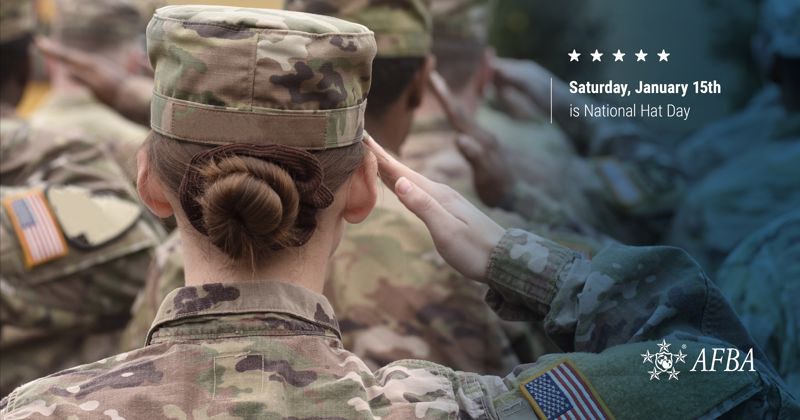
January 15 is National Hat Day, and no one knows the importance of a good hat more than members of the military and first responders. Unlike a run-of-the-mill baseball hat, military hats and those worn by first responders command a certain reverence and value. Just like the rest of a uniform, headgear can let the world know important facts like rank, status or military branch. Let's celebrate National Hat Day by taking a closer look at the history and meaning behind the many unique hats worn by these groups.
Military hats
Many civilians may not know that military members refer to their hats as "covers." In the Army, members wear different berets that have a specific meaning. This tradition dates back to World War ll for the United States, though militaries across the world have been using berets to signify status for centuries. In the U.S. the color of the hat is very meaningful for those in any branch of the military. Here are some examples of different hats and their significance:
- Black berets: This headgear is used in the fancy dress uniform of army members.
- Brown berets: In 2018, the army created a unique hat for members of the Security Force Assistance Command.
- Green berets: Perhaps one of the most well-known styles of berets, green is worn by army members who are special forces soldiers.
In addition to the berets, the army has many other hats, each with its own meaning. Generals have their own caps, depending on rank. These designs have changed over time to reflect the dress of the era. The army is a simple example, but every branch of the military has its own important hats for every rank or service provided.
There are different military uniforms for different occasions. The recognizable Navy cap has different insignias on the visor to signify rank. Captains and commanders have "dark blue cloth, embroidered with two rows of gold oak leaves and acorns." On the other hand, Lieutenant Commanders and lower ranks have a plain visor. There are even different pins that are positioned on the cap depending on rank and occasion.
Military traditions
The U.S. military has its own uniform designers who strive to make uniforms that are practical, modern and effective. Regardless of rank or year, each branch has its own age-old traditions and requirements of its members. For example, when dressed in a formal uniform hat, a member must wear it outside, remove and carry it inside and keep it off in any military aircraft. In addition, service members are not allowed to salute while their hats are off. If a member is attending a funeral in their dress uniform, they must keep their cover the entire time as a sign of respect, whereas a civilian would likely take their hat off.
First responder hats
For firefighters, hats are more than just an accessory. Their helmets are created to protect them from potentially dangerous situations like falling beams, rafters and other debris. In addition, these helmets are usually also equipped with a visor, eye protection, and a light for maximum functionality.
The police force also has a long history of different hats and helmets, but the modern first responder wears different headgear depending on the occasion and rank. Most of the time, police officers wear baseball hats or other casual headgear (depending on location and force) instead of the typical custodian helmet that is worn by officers in the UK.
With its many different customs and traditions, military and first responder headgear are more than just a stylish accessory to the rest of the uniform.
The U.S. military offers a plethora of career options as well as training opportunities, often at a reduced cost and sometimes it is even paid for in full. While many think of the military as consisting solely of combat personnel, there are a lot of other long-term job opportunities in every branch. As 2021 comes to a close, let's take a look at the future trends of the military and career trajectories.
Most popular careers in the military
According to the Bureau of Labor Statistics (BLS), enlisted personnel and officers have a wide range of career options. Here are some of the most common career fields found throughout the U.S. military branches:
- Engineering.
- Medicine.
- Administration.
- Human resources.
- Protective services.
- Mechanics.
Regardless of service level, members of the military have many different opportunities, but there are a few that stand out and are increasing in popularity and demand.
Engineering, science and technology are on the rise
According to a BLS report published in March 2021, engineering, science and technological careers make up the majority of total enlisted personnel with a total of 170,642 people.
- Army: 42,202.
- Air Force: 53,672.
- Marine Corps: 27,810.
- Navy: 46,958.
This field is booming, in part due to the need for more advanced technology in the military. The Department of Defense's most recent proposed budget for U.S. research and technology development has surpassed any previous budget proposal. According to Military and Aerospace Electronics, "Pentagon experts want $111.96 billion in 2022 for research, development, test and evaluation (RDT&E), which would be a 4.2 percent increase from 2021."
An increased budget means that more people and experts will be needed to execute the elevated technological requirements. Here are some of the most popular jobs within this career path:
- Security analysts
- Civil engineers
- Environmental engineers
- Computer network architects
In addition to these STEM career path options, the existence of the United States Space Force has welcomed a plethora of new opportunities. According to their website, the Space Force is looking for those who are interested in science and technology, including:
- Space operations officer
- Developmental engineer
- Intelligence officer
- Space systems programming
- Cyber surety
To learn more about your options as an officer, an enlisted military professional or a civilian, be sure to check out the career section of their website. As of now, there are only about 6,434 personnel assigned to the Space Force, but there are plans to beef up the project. In fact, the Air Force's FY22 budget requested "$156.3 billion represents a 2.3% increase, and the Space Force's budget of $17.4 billion is a 13.1% increase," according to airforcemag.com.
Combat specialty
Combat is still an extremely important component of what each branch does, despite the variety of other options. According to BLS, an enlisted officer who specializes in combat plans and directs "military operations, oversees combat activities and serves as combat leaders. They may be in charge of tanks and other armored assault vehicles, artillery systems, special operations, or infantry units. This group also includes naval surface warfare and submarine warfare officers, combat pilots, and aircrews."
The BLS research study found that there were a total of 164,390 enlisted personnel in the combat occupational group, a vast majority of them being in the Army. To learn more, check out this helpful resource, regardless of your preferred branch.
BLS research makes it clear that technology and science are the fastest-growing military career paths, followed by the plethora of combat specialty opportunities. In third place was the occupational group of vehicle and machinery mechanics, with a total participation number of 61,506 people across all branches. To learn more about each branch's employment opportunities, visit their respective websites.
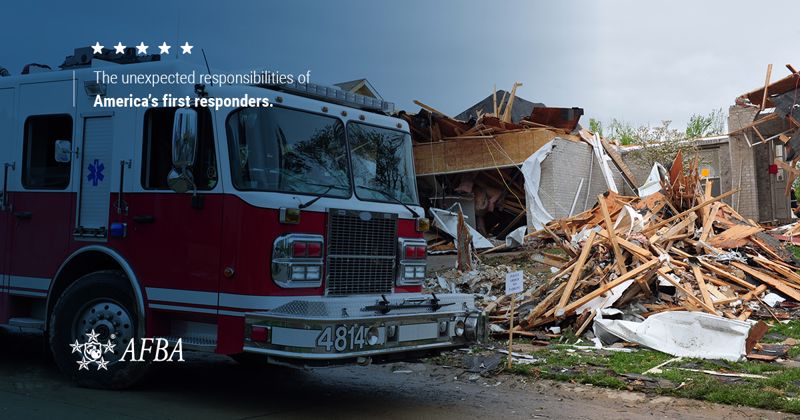
First responders are well known to be the unsung heroes who support their communities by providing important and necessary services. However, first responders occupy many other roles that the general public may not be aware of but are nonetheless valuable. Here are some of the most interesting and unexpected responsibilities of America's first responders:
Disaster response
First responders are commonly thought of as those who respond at the scene of a local crisis, and while that is true, they also play an important role in broader disaster response efforts. In times of national emergency, first responders are there to take care of those who need it the most at the time, no matter where they are. Because they are trained to react with a level head and operate effectively in times of crisis, first responders are the perfect group of people to send to help manage national emergencies.
According to the legal services company US Legal, first responders are a massive part of the response plan. They can help manage "evacuation, rescue, crowd control, and medical attention." Not only do first responders get called on in times of national need, but they are also relied on to prepare their communities for the likelihood of a disaster.
Preparation in schools
Emergency preparation in schools is important in case of natural disasters or other high risk situation. Even something as simple as a fire drill can make a huge difference in a time of need. Sometimes, to add another layer of safety, administrators partner with first responders. When firefighters and police officers build a working relationship with teachers, aids and the members of the school, their response can be more effective in an emergency situation.
First responders can also share important information with administrators and students alike. According to Navigate360, they provide valuable knowledge and help to enhance already existing safety plans for school-wide emergencies. Working with first responders can add a layer of safety and preparedness that will protect the learning environment.
Psychological first aid
First responders are all trained to administer first aid and provide life-saving care, but there is a psychological element that many don't think about. However, first responders do have to consider the mental component of their care and are trained to manage those who may be having an adverse mental reaction to their current situation. For example, if a group of people has just experienced a terrible car accident, there is likely to be a psychological impact as well.
According to FamilyDoctor.org, there is a high chance that a car accident or a circumstance that requires the presence of a first responder will lead to post-traumatic stress disorder (PTSD) in the victim. The EMT or firefighter will need to make sure the people involved are safe and out of harm's way while understanding the victim's fragile mental state.
Community support
First responders are present in every American community, in many ways that are unseen. Recently, North Carolina designated that child protective services workers and adult protective services workers are now emergency first responders. According to a local news source, the law became active in June 2020 and it was created to give the workers more protections and added training. The typical titles and operations that are held by first responders are rapidly changing, as our requirements as a nation shift. In the wake of the global pandemic, we need them more than ever.
It's that time of year again! It's the season where you brainstorm the best holiday presents for the loved ones on your list, which can be tricky. You want to get them something they will love from a place that you don't mind supporting. This holiday season, consider buying something special from a veteran-run business. Not only are you sure to find something unique, but you will also be giving your money to a company that is owned by an American veteran. Here is our 2021 veteran-owned holiday shopping guide.
Black Rifle Coffee Company
This veteran-owned company is very popular and well known for its delicious blends of coffee. You can also purchase apparel, coffee bundles, mugs, cups, tumblers and so much more. They roast their coffee beans five days a week in their Manchester, TN and Salt Lake City, UT locations. When you buy one of Black Rifle Coffee Company's products, you support the veteran founders and contribute to their philanthropic endeavors. According to their website, they focus on, "serving this great country and are committed to supporting veterans, law enforcement, and first responders."
R. Riveter
This company is owned by the wives of two veterans, so when you shop on their website, you are supporting a veteran family. R. Riveter is co-owned by military spouses Lisa Bradley and Cameron Cruse and there are plenty of well-designed, gorgeous bags and purses to choose from. According to the website, the different "parts and pieces (of the bags) are made remotely across the country to provide military spouses with mobile, flexible income opportunities."
R. Riveter supports active-duty and veteran families so you know that your hard-earned money is going to a good cause. Not only that, but you will receive the perfect gift for that patriotic man or woman on your list. Be sure to check out their website for their 12 Days of Holideals for a bargain!
Stubble + 'Stache
The founder and owner Nick Karnaze served over seven years as an officer in the United States Marine Corps and is now a veteran. Nick created this beard and skincare company in remembrance of the combat death of his good friend and fellow special operations Marine Justin Hansen. Stubble + 'Stache has superior formulas and special ingredients as well as many different product options for the bearded man in your life.
Bottle Breacher
Former Navy SEAL, Eli Crane created Bottle Breacher to provide a one-stop shop for anyone shopping for an American patriot. The online store offers hand-crafted, "personalized man-gifts" but they also have a great selection of holiday presents and stocking stuffers for every patriotic person on your gift list. Their hero product is a .50 caliber shell that has been crafted into a bottle opener. Bottle Breacher has the option to add customized engraving and personalized gift wrapping.
These are all great options for a potential holiday gift and would support American veterans in their post-service entrepreneurial efforts. If you are a veteran or someone you know is, be sure to urge them to check out the Small Business Association funding for veteran-owned small businesses. This year, consider buying from a veteran and offer your patronage as a token of appreciation for their sacrifices.
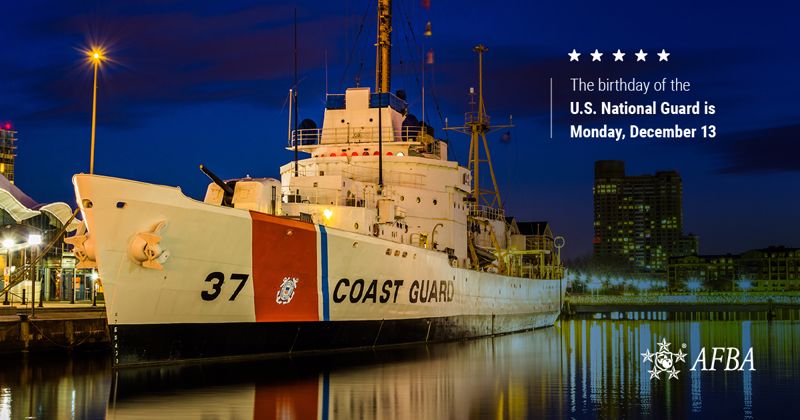
Every year on December 13, America celebrates the National Guard's birthday. This year marks the 385th anniversary of the creation of the U.S. National Guard, making the branch quite a bit older than the nation itself. (To learn more about the history of this branch of the military, check out this blog that goes into the details.)
In honor of the National Guard's birthday, we are diving into some of the most interesting things that the Guard does. Some of these may surprise you, but its motto, "Always Ready, Always There!" could not be more true.
1. There are 150 types of jobs available in the National Guard
Between the infantry, air defense, medical and military police, there are plenty of career fields to choose from. No matter someone's talents, interests and skills, there is likely to be an opportunity in the National Guard for them. In order for the Guard to operate and be prepared to fulfill its many duties, its members must be multi-faceted.Here are just a few of the fields available to work in through the National Guard:
- Intelligence
- Medicine
- Heavy weapons
- Cyber
- Ground forces
- Supply and logistics
To learn more about all the possible jobs and the different ways that the National Guard operates, check out nationalguard.com/careers.
2. The National Guard is at work in its community
One of the National Guard's main goals is to maintain a peaceful home front, and this means that community outreach is a big part of the Guard. According to its website, those who are in the National Guard work "closely with the local, regional and national communities to link their services to the services already available to the Guard."
A great example of this can be seen in how members of the Guard have been working to fill in gaps and help where they can during the COVID-19 pandemic. During a time when first responders, nurses and other essential workers were feeling overwhelmed with their duties, the National Guard stepped in to offer relief. From natural disaster assistance to everyday community outreach programs, the Guard enriches every community it is in across America.
3. The National Guard is mentioned in the U.S. Constitution
Ever since the first version of the Guard in 1636, which consisted of a militia of the English colonists in North America, it has been operating with honor and bravery. The Constitution proclaims that the National Guard is "to execute the Laws of the Union, suppress Insurrections and repel Invasion" (Article I, Section 8, Clause 15').
4. Every state has its own Guard
It is commonly known that every state has its own National Guard, but even U.S. territories have their own Guard. The nation's capital, Washington D.C., has its own Guard as well, in order to carry out necessary duties.
The National Guard is one of the most flexible branches of the military because it has both federal and state responsibilities. On December 13, take the time to thank a Guard member or learn more about the force. From the air to the land, the National Guard can be found everywhere responding to threats and humanitarian disasters at home and abroad.