
Military members are known for their extreme drive to support and protect Americans at home and abroad, as well as their unwavering commitment to the civilians in their communities upon returning stateside from service overseas. Veterans play a crucial role in many communities and, because there has been so much work to be done to improve the livelihood of all Americans in the past few years, they have been invaluable in many local areas across the nation of late.
"The job of a veteran is never truly finished."
The job of a veteran is never truly finished, and the training received while going through boot camp and serving in combat can be easily applied to some of the demanding jobs that need to be covered in civilian life. One group of veterans is working to contribute to the improvement of certain areas in one major city through simple projects, and this is expected to have a relatively large impact on the municipality's residents in the near future.
Rebuilding a broken city
Military Times recently reported that Operation Motown Muster, a deployment of sorts involving volunteers who served in the military, was launched by a Missouri-based nonprofit called The Mission Continues to help revitalize underserved areas of Detroit. According to the news provider, this current project has the biggest scale of any launched by the group, and includes dozens of veterans who will contribute to construction, beautification and rebuilding projects in some of the toughest areas of the Motor City.
"When you're not part of something that's bigger than yourself, you lose that identity. You become isolated, and a lot of us tend to go to dark places," Denver resident and post-September 11 veteran Ben Eichel told Military Times. "So, The Mission Continues was there and got me involved in the community. It helped me reintegrate in civilian society effectively, because I learned that I'm not just a veteran."
The source pointed out that the deployment aims to clear out empty lots, beautify certain parks and create an art gallery out of a dilapidated classroom in the city, while individuals involved in the project will spend several days completing the projects.
"We believe very strongly that military veterans are really uniquely poised to help try to solve some of these community challenges all over the country,"one of leaders of The Mission Continues and former Marine combat engineer Mary Bruggeman told Military Times.

Reciprocating the assistance
The Times-News reported that one community in Burlington, Vermont, has pulled together to work on a construction project that will give a veteran who lost his ability to walk while serving in Afghanistan a new home. This is just one of countless stories in which communities work to support veterans in their area, and shows the value of reciprocating the support and assistance military members give to civilians throughout their careers and long after retiring.
Veterans and civilians working together to complete projects can help to unify communities and assist in the process of re-acclimating service members to their lives at home.
Although awareness is largely viewed as one of the most important weapons in the fight against post-traumatic stress disorder among the veteran community, another critical facet is destigmatizing the affliction in the eyes of sufferers. Because PTSD has long had such a severe stigma in some circles, many veterans will end up being ostracized from their local communities, or might even avoid getting help given their lack of desire to be classified as someone living with the disorder.
"Destigmatizing a disorder is no easy task."
Destigmatizing a disorder of any kind is no easy task, and demands a joint effort between the veteran community and civilians who interact with former military members to truly succeed. Luckily, the call to action has been heard across the nation, and many projects have been launched to actively inform Americans of what PTSD really entails and how it impacts sufferers on a daily basis. One advocacy group has been working hard to contribute to this cause.
Spreading awareness
The Detroit Free Press recently reported that Honor for All, an advocacy group run by veterans and based in Royal Oak, Michigan, has made its core mission the complete eradication of stigmas related to PTSD. The group's leadership believes that achieving this objective would have a profoundly positive impact on not only the veteran community, but civilians who are around individuals suffering from PTSD on a daily basis. Interestingly, the group has a relatively intense connection to the dangers of this stigma.
According to the news provider, Honor for All's vice president, Kent Hall, served in the Army during Vietnam and suffered from severe PTSD, then attempted a suicide by cop back in 1985 due to his lack of treatment and knowledge of the disorder. This is not all that uncommon in the veteran community, but Hall affirmed that the combination of a highly skilled officer on that fateful day with the support he received following the event has helped him live on. Now he wants to help others who live under similar circumstances.
The source pointed out that Michigan Representative Tom Barrett explained that more veterans die from suicide than in combat today, which is why he commemorated Post Traumatic Stress Injury Awareness Day this week. The Detroit Free Press noted that Honor for All is looking to change the moniker of PTSD to post-traumatic stress injury in hopes that it will help to reduce stigma.

Simple steps toward improvement
PTSD is too often misunderstood, but this is likely caused by the relative novelty of scientific and medical research focused on the disorder. Although PTSD has been well-known for decades, intelligent conversations and advocacy for sufferers did not truly pick up until the turn of the century, but improvements have been widespread since that point.
Veterans and their neighbors can find helpful resources related to treating and understanding PTSD through a range of groups and government agencies, including the U.S. Department of Veterans Affairs.
The vast majority of parents across the country know full well that their kids are online for big chunks of almost every day. Whether they're chatting with friends, watching videos, or spending time on social media, children tend to live a lot of their lives on the internet. However, that comes with an inherent risk, because many may not know about the potential threats they face online. It's therefore very important for parents to educate them about how to avoid these problems.
One issue that many kids face online is that cyberbullying is still quite prevalent on social networks, according to a report from the Wichita Eagle written by Denise Groene, the state director of the Better Business Bureau of Kansas. While this used to be playground or classroom territory in the past, the ability of mean kids to track down and harass others online spreads to 24 hours a day with the internet, and can be extremely harmful. As such, telling kids how to handle and report this type of treatment is vital to their ongoing mental and perhaps even physical health.

What else should kids know about social networks?
In addition, kids may not have the filter to know what they should and shouldn't say or do online, Groene wrote. (This is, unfortunately, also true of many adults.) Problematic posts – like those with objectionable language, photos, videos, and so on – can end up coming back to haunt them even years later, and do damage to their reputations that can cost them significant opportunities down the road.
How to keep kids protected
Of course, it falls to parents to help kids understand the threats they face online, and not just from their peers and themselves, the report said. Kids may also serve as prime targets for criminals looking to steal personal or otherwise sensitive information, particularly when it comes to phishing scams that ask them to simply turn the information over. Most children aren't going to be savvy enough to identify these potential threats of this kind, often because no one has told them what to look out for.
This is also true when it comes to kids potentially clicking on links or downloading files that contain viruses and other malware, which can then be used for things like identity theft, said Groene. For this reason, it's important for parents to not only talk to their kids about what they should and shouldn't click on, but also to make sure every device on their networks has comprehensive anti-virus, firewall, and other security software in place. That can help to ensure that even if a mistake is made by a child, the resulting damage will be as limited as possible.
Again, many adults may not know the ins and outs of cybersecurity in this regard. As such, the more they can do to educate themselves before passing any knowledge on to their kids, the better off everyone in the household is going to be in the future.
Throughout the past decade or so, it has become abundantly clear that the best treatment for post-traumatic stress disorder will be highly specialized in accordance with the specific needs of each veteran. Combating PTSD begins with raising awareness, and is then driven by access to a broad spectrum of options with respect to rehabilitation. Many groups have sprouted up that seek to help veterans through the healing process in new ways.
"Combating PTSD begins with awareness."
Between expanding the medicinal options available and offering alternative treatments, advocacy groups, government agencies and other entities are having a tremendously positive impact on the veteran community. One of the biggest topics of conversation in this arena on the national level has been the use of medicinal marijuana to treat PTSD, and Rhode Island just made a move to further relevant research and treatment options for veterans in the state.
Legislation passed
Thanks to consistently positive results of studies related to the use of medicinal marijuana for PTSD treatment, regulators have been pushing new reforms to make this once-controversial drug legal and available to veterans. The Providence Journal recently reported that Governor Gina Raimondo will either pass or veto a measure that was passed by the Rhode Island General Assembly to expand the definitions of legal treatments for PTSD in the state to include medicinal marijuana. The legislation has been dubbed the Edward O. Hawking and Thomas C. Slater Medical Marijuana Act.
"Medical marijuana is already the law of Rhode Island. We've already established that it works in treating certain conditions," said Senator Stephen Archambault, who introduced the bill into the Assembly, according to the source. "It is unconscionable that we would not add PTSD to the list of medical conditions that would benefit from it. Post-traumatic stress disorder is a very real psychological problem, particularly among our veteran community, and it's our responsibility to provide them with treatment options that can alleviate their suffering."
The news provider pointed out that scientific studies have shown medicinal marijuana to be highly effective in treating the depression, anxiety and flashbacks associated with PTSD – a disorder which roughly 30 percent of post-September 11 veterans experience. The Providence Journal noted that the bill was built in such a way that fast tracks the various statutes to ensure, once it is signed into law by Governor Raimondo, the treatment will be logistically accessible to veterans as quickly as possible.

Getting the necessary assistance
PTSD has had many names throughout the past century, but one could make the argument that it is better-understood by the medical community, government and military than ever before. The U.S. Department of Veterans Affairs offers a wealth of information and services regarding the most effective types of treatment, such as cognitive behavioral therapy, medication and brief psychodynamic psychotherapy.
Veterans suffering from PTSD should not hesitate to seek out assistance from the local, state and federal entities available to support them through the healing process.
Since service members began to come home from their duties overseas in Afghanistan and Iraq, there has been a consistent push to help these individuals get jobs right when they arrive. Because the veteran community has struggled to find the right professions upon returning in the past, this has not been an easy task, but more groups are contributing to boost opportunities for military members. One of the more prominent and novel today is working to get veterans involved in entrepreneurship.
Leadership skills, problem-solving, the ability to thrive under extreme duress and other common characteristics of veterans make them incredibly well-suited to business ownership. Thanks to the efforts of government agencies and advocacy groups, there has been a notable uptick in the number of veteran-owned companies across the country, and it appears as though this trend will continue to intensify as time goes on.
"One entrepreneur applied military lessons to business strategy."
Construction company success
The New York Times recently reported that one veteran-owned and operated business, Rhumbix, has incorporated lessons and strategies learned in the military into its approach to management on several levels. According to the news provider, Rhumbix is one of many enterprises to be involved in the upswing of veteran-owned businesses, as half of World War II service members ran their own companies upon returning home compared to a fraction of that in 2014.
Interestingly the source pointed out that Rhumbix has used a tool leveraged during the Arab Spring by the military to monitor service member locations to enhance construction project management – especially in the field. Because construction projects need to be so carefully tracked at every stage, having a tool that can strengthen the transparency of reports related to productivity and workforce hours can be invaluable for a firm operating in the sector.
Rhumbix's co-founder Zachary Scheel, a retired U.S. Navy civil engineer and junior officer, explained that his experiences in the military have prepared him for the challenges of the private sector.
"Veterans are comfortable operating in high-pressure environments that are changing rapidly, where they're constantly forced to make decisions with incomplete information," Scheel told The New York Times.
At the end of the day, veterans will often need access to other types of support and professional development opportunities to make the transition back into civilian life. Luckily, there are many to choose from.

Professional assistance
Veterans can turn to the U.S. Small Business Administration for a range of their needs when trying to begin their careers as entrepreneurs, including specialized lending programs and educational materials. When looking to get support for re-acclimation purposes in the context of applying for jobs and finding the right career path, the U.S. Department of Veterans Affairs can be invaluable to service members.
Myriad local advocacy groups and special programs are available in most states and cities across the nation as well. Veterans should not hesitate to take advantage of these resources, as such support can pay dividends when launching a new company.
Congress has been highly active in the pursuit of excellence when it comes to better serving and supporting the veteran community throughout the past several years. Whether it is enacting widespread reforms to the Department of Veterans Affairs or launching new programs to help veterans with a range of unique needs, committees and subsets within the House of Representatives and the Senate are striving to regain the trust of service members, both active and retired.
One of the centerpieces of this movement has been the Veterans First Act, which is currently making its way through the Senate and appears to be close to finalization and approval. This legislation is a big deal for the veteran community and the country at large, as it contains so many different statutes related to the services government agencies and others offer to service members, as well as how those departments operate and how they keep activities transparent.
"The Senate is focused on the Veterans First Act."
Speeding up?
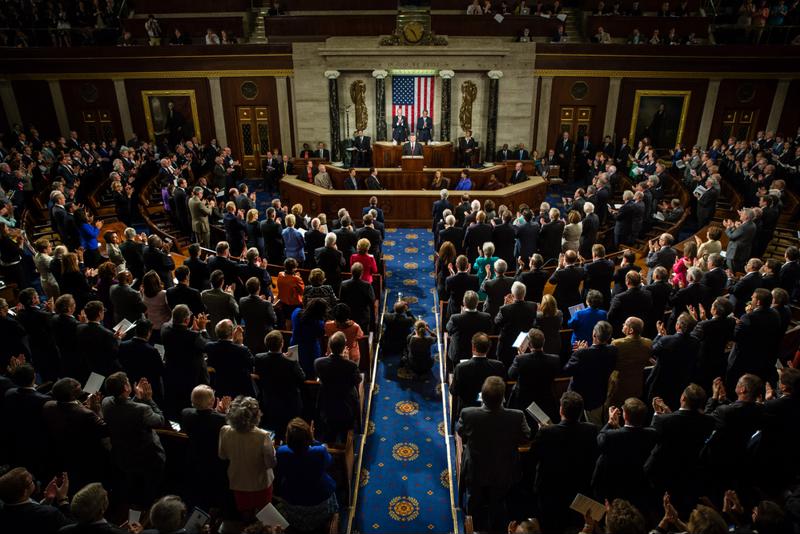
Leo Shane III, writing for Military Times, recently reported that the Senate Veterans Affairs Committee has been highly focused on the Veterans First Act, and is trying to push the legislation to a vote before the recess beginning in July. Unfortunately, he pointed out that the VFA had hit some roadblocks and fell far behind schedule with respect to a vote, but this latest push seems to have some legs thanks to a questionable decision from the VA.
According to the author, the VA stated that it would not be following the "fast-track firing rules" implemented two years ago, and that this announcement actually added a level of urgency that was seen both within and outside of the Veterans Affairs Committee. Champions of the legislation believe it will be one of the more progressive bills to pass in the context of veterans.
"Three and a half weeks ago every member of our committee voted unanimously for the Veterans First bill," Senator Johnny Isakson of Georgia, who is the chairman of the Veterans Affairs Committee, explained, according to Shane. "Why? Because it first of all hits the heart and strikes the point we all know needs to be struck. Our veterans, who have served us, fought for us, risked their lives for us, deserve the respect, the treatment and benefits they were promised when they signed up for duty."
The author added that debates have been contentious, and that only 12 working days remain before the recess to get the vote completed and legislation into action.
Still a sign of progress
Many issues involved in the VA and other arms of the government that serve the military community have arisen in the past decades that have hindered the public's opinions toward these agencies, especially the sentiments of veterans. However, so long as this legislation gets passed in the near future, it will be a major win for the service member community, and the bill is believed to cover myriad areas that had led to outrage and dissatisfaction throughout the past several years.
Treating post-traumatic stress disorder and other afflictions that embattle veterans has become a far more innovative practice in the past few years, with groups and medical professionals branching out from traditional approaches. One of the most popular and widely respected trends in this area has been the increasing use of dogs, horses and other therapy animals to assist veterans in healing and regaining their footing upon returning from overseas.
"Groups are pairing veterans with rescue animals for therapy."
In some situations, advocacy groups are even working to help animals and veterans in one fell swoop. One such entity has been working to match former service members with rescue horses.
Co-healing
The Seattle Times recently reported that the Walter Reed National Military Medical Center has launched an equine therapy initiative that has already begun to positively impact veterans who get involved. According to the news provider, Army veteran Major Dan Thomas has been healing with the help of the program after being severely injured during his duty in Afghanistan. He plans to expand equine therapy to his home state of Alabama.
Because there are so many rescue horses in need of care and attention, the group from the medical center has worked with sanctuaries and state officials to coordinate sessions that allow veterans to contribute. Interestingly, the source pointed out that they have been particularly active with Friesian horses, which are known to be extremely smart and timid. Thomas worked with these horses in his therapy sessions.
"I've been through lots and lots of things. After being blown up, it's quite a traumatic experience for you," Thomas told The Seattle Times. "The horses are what works for me. So I know it's out there and works for other people because I've seen it."
This veteran's sentiments regarding the identification of specific types of therapy that work for him is largely the foundation for treatment centers and groups trying out so many different approaches to helping the service member community. Initiatives that match therapy dogs with veterans have also been immensely effective, though one new story has indicated that the funding needed to make these programs work is lagging behind demand.

Time to speed up
The Salem News recently reported that the current status of legislation on Capitol Hill has left a lot to be desired with respect to the PAWS Act, which would help veterans living with PTSD adopt service dogs. The news provider affirmed that service dogs are currently offered to veterans with physical ailments, but not mental ones, and that it currently appears as though the extension of the legislation to reach PTSD sufferers will not occur until 2018. This has upset certain members of Congress.
"Veterans cannot wait until 2018. The problem of veteran suicides is too urgent," Representative Ron DeSantis, who is acting chairman of the House Committee on Oversight and Government Reform, explained, according to the source.
Hopefully this program and others that have proved effective will go into action a bit quicker in the coming years.
The Wounded Warrior Project is among the most prolific advocacy and assistance groups for veterans and service members in the United States. Since its inception in 2003, WWP has focused its efforts on assisting service members who were injured – physically or mentally – during time spent serving in the military following September 11, 2001, as well as the families of those veterans. However, there have been some problems of late for the nonprofit organization.
"The WWP will get a new leader."
Several executives were fired in recent months following scandals, leaving the WWP in a precarious position and inherently threatening the veterans who the organization serves. Luckily, a new captain will be stepping up to lead the WWP, and many believe is the best-qualified candidate for the job given his experiences and the unique situation the organization finds itself in today.
Reforming the organization
Military.com recently reported that Major General Michael Linnington, the man who was directing the Defense POW/MIA Accounting Agency for about one year, will be leaving that post to act as WWP's chief executive officer. According to the news provider, the nonprofit group has been under relatively consistent fire for scandals, and Linnington is uniquely qualified to handle this type of situation given his experience at the Defense POW/MIA Accounting Agency.
The source pointed out that the latter entity was under fire for its accounting practices, with families of missing veterans not approving the techniques being used to find them. He has, by all accounts, left the agency in a far better position than when he came in, which is something that everyone involved is hoping will repeat at the WWP.
"I'm very proud of the things we've done at the DPAA over the past year but I was approached by a group that needed some leadership in caring for our wounded warriors," Linnington told Military.com "I'm a 35-year soldier. I brought soldiers to combat and welcomed many of them home that were grievously wounded … If we continue to focus on our families and providing families the fullest possible accounting of their loved ones, based on those values, I think we'll be fine."
The WWP is a very important entity in the veteran community, and Linnington will hopefully bring its performance to levels not yet reached in the organization's history.

Assisting in rehabilitation, transition
The WWP has long committed to providing support and services to the veterans who need them most, and offers a range of options to fit the unique goals and requirements of each individual service member. The group provides a Combat Stress Recovery Program, peer support, a massive network, long-term support, physical health and wellness options, a Transition Training Academy,Warriors to Work and many other offerings to veterans.
Veterans who are interested in taking advantage of the WWP should consider checking out the nonprofit organization's website, where they can find more details on the unique types of support available and how to begin.
Immense progress has been made in veteran services and support, especially when it comes to helping retired service members recover from the physical, emotional and mental toll of combat, in the past decade. One of the reasons why so much improvement and diversification have occurred is the more creative approaches to treatment that have arisen in that time, with more emphasis being placed on customization of regimens and strategies for each veteran.
"Athletics are a growing trend in veteran treatment."
One of the umbrella trends in this movement revolves around athletics, with smaller groups working to incorporate engaging physical activities to get veterans on the right track toward recovery. Two such instances of this have been seen in Missouri and Illinois of late.
Recreational recoveries
The Southern recently reported that the Marion Veterans Affairs Medical Center has developed and launched therapy plans that allow veterans to choose from various recreational activities to improve their overall experiences with treatment. Again, this is not necessarily a one-of-a-kind project, but is certainly one that has begun to grow nicely in St. Louis, Missouri, where that VA medical center is located.
According to the news provider, the strategy is specifically targeted at veterans who suffered spinal cord injuries during the time they served the military, as this group needs approaches to treatment that will get them moving. The source listed some of the activities, including scuba diving, wheelchair lacrosse and bocce ball, with adaptive sports equipment that can be used by injured veterans made available by certain groups.
Later, The Southern went on to cite the comments of Paralyzed Veterans of America National Vice President Hack Albertson regarding the importance of being mobile:
"Getting out here is a chance to give them their dignity back," Albertson told the news provider. "If you are in your house and don't get out, you are going to become more unhealthy…and you are depressed. That is what these does – it keeps bad things from happening."
Another activity being offered through this program is fishing, which is the sport that one group in Illinois has narrowed in on in efforts to help veterans recover.
Angling the treatment
The St. Louis Post-Dispatch recently reported that two Army veterans, Nicholas Harding and Daniel Kennedy, in Decatur, Illinois, are a part of an organization called #22KILL that seeks to assist veterans who are suffering from post-traumatic stress disorder. According to the source, Harding and Kennedy are skilled anglers – a style of fishing – and work to identify veterans who are struggling with emotional and mental hardships, then helping them to heal through fishing.
"Volunteer boaters are paired with a veteran, and they take them out to fish for either catfish, bass or crappie," Harding told the St. Louis Post-Dispatch. "It's an entire weekend, and the organizers raise all kinds of money to pay for it, and we don't pay a dime for room, board, food or nothing. They really take care of us vets."
The news provider pointed out that this group gave itself this name in recognition of the VA report on veteran suicide and depression rates released several years ago.
These days, millions of Americans use Wi-Fi in their homes, making it easy to use a device to get online from just about anywhere on their property. However, many may not know the potential risks that having an unsecured network can present to them and their families. As such, brushing up on a few of the most basic steps to ensure a network – and by extension, all the devices that connect to it – is as safe as possible may be a critical step for anyone.
The first and most obvious thing a person should do with his or her home Wi-Fi network is to protect it with a password. And in much the same way security experts advise that people should go out of their way to create long, complicated passwords for email accounts, mobile banking, and the like, the same principle applies to creating login details for a network. Passwords here should be long – at least 10 characters – and include a mix of numbers, letters, and symbols.
Moreover, they should be as random as possible to ensure that even if someone is trying to hack in by guessing the password (an admittedly rare occurrence for most people) they're going to find it next to impossible to do so. That means no family birth dates, pet names, or other common personal touchstones, should be included in the password.

Other steps to take
Along similar lines, those who set up their personal home networks will also want to be careful to change factory-default settings, according to a report from CNET. Most wireless routers are going to come with standard information – such as IP address, in addition to passwords and network names – that should be changed as soon as possible. That's because the more a potential hacker knows about the network (and a lot of it can be guessed based upon details like who made the router or what model it is), the more likely they are to be able to gain access to it. That, in turn, makes it very important to change everything about how the router communicates with the wider world and the devices using it, even if it's just by a little bit.
One last thing
In addition, many companies that make routers routinely update the firmware those devices use, and consumers should regularly check for updates on that front, the report said. Often, routers ship to stores with the most up-to-date firmware available, but by the time a person buys it, that might not be the latest version. Likewise, those who have had their routers for a while may not realize that the firmware for their networks may be years old at that point. Consequently, regularly checking to get the latest version can add yet another layer of security for a home network.
The more people do to check for the latest and best ways to keep all their devices secure from hacking, viruses, malware, and other online threats, the better off they're going to be when it comes to protecting critical data on an ongoing basis.