
Veterans often need support in financial management when returning home from overseas or ending their time on active duty within the United States. At the same time, crimes such as identity theft and fraud have run rampant across the nation for years now, and veterans – along with civilians – have certainly been targeted and victimized by the events. There have even been scams that specifically target service members and use digital tactics to steal from them.
This is one of the main reasons why more groups ought to be advocating for veteran financial management assistance, education and protection against some of the more common threats on the Web and elsewhere today. Certain projects and programs have already been launched with these objectives in mind, and a relatively unique one has been making a big difference in the state of Kentucky.
Operation Stand Down
The Bowling Green Daily News recently reported that Ron Georgette started Operation Stand Down – an organization that works to better inform veterans' financial decisions – in 2015, and has already made a solid impact on local individuals. The source noted that Georgette is a veteran of the U.S. Army himself, and believed that service members needed an entity to support them through the challenges of handling their budgets properly and avoiding problems.
"I started this because of veterans getting ripped off," Georgette told the news provider. "We want to make sure our veterans aren't getting the shaft. That's where the original idea spawned from. We have a great team who implemented it. It's totally unique."

He also explained that the current goal is to begin operating nationally in the near future, especially as there are only six VA Fiduciary Hubs in the country that can help with these matters. The Bowling Green Daily news added that the group currently works with one of the VA Fiduciary Hubs.
"When a veteran gets into a jam or some life-changing event, we will advance them their own money," Georgette asserted, according to the source. "We're on the fence between the VA and the families when it comes to finances. When you have family and friends handling finances it can cause problems."
Plenty of resources
While these types of groups can make a big difference on the ground, veterans can also find opportunities to learn more about proper financial management through a range of resources. For example, the American Association of Collegiate Registrars and Admissions offers information pertaining to financial literacy and other similar matters through its website, while VeteransPlus provides learning courses to service members and their families.
Whether in a stable, financially sound position or one that has been a bit rockier, veterans should always take advantage of opportunities to boost their financial literacy and better manage their bank accounts. Awareness and education are the best weapons to combat issues with cash flow down the road, and service members can begin to improve their financial stature by learning more.
The Navarre Press reported that May has been recognized as Military Appreciation Month since Congress first designated it as such back in 1999, and has been successful in bringing communities together in the years since. The source pointed out that there have been countless examples of extreme heroics and selflessness among the nearly 1.5 million individuals who currently serve in the armed forces, while communities should take this opportunity to recognize the veterans in their local areas.
Events have been hosted across the nation throughout the past two weeks, and more are certainly to follow in the remaining days of Military Appreciation Month. From governors and state senators passing new legislation to assist veterans to relatively simple recognition programs and events, civilians will have a wealth of opportunities to support veterans and active duty service members throughout the coming months.
South Dakota's big statement
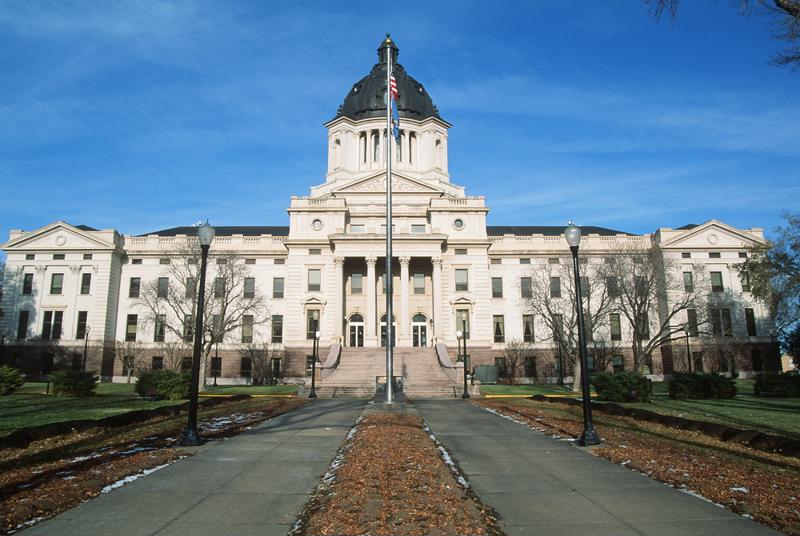
The Rapid City Journal recently reported that South Dakota Governor Dennis Daugaard spoke to the reasons behind May acting as Military Appreciation Month across the nation, and urged the state's residents to honor those who have or are serving in the armed forces. The source pointed out that Armed Forces Day and Memorial Day both fall within the days of May, and act as an even greater chance for communities to rally around their veterans.
"The vigilance of the members of the Armed Forces has been instrumental to the preservation of freedom, security and prosperity enjoyed by the people of this great nation," Governor Daugaard stated in his proclamation last week, according to the news provider. "The success of the Armed Forces depends on the dedicated service of its members and their families."
High-ranking politicians in Washington, D.C., Utah and elsewhere have put forth similar proclamations to kick off and recognize Military Appreciation Month. Another well-known figure took to writing a blog post regarding his backing of this month's appreciation events.
A message from Chuck
Chuck Norris recently published an opinion piece in WND regarding some of the reasons he believes May has been designated to honor veterans and service members. The renowned action-movie actor noted that he served as an Airman First Class in the U.S. Air Force, and that his experiences while on active duty shaped many of his life's core missions and goals.
Norris also took the opportunity to point out the increasing division between military and civilian life, and the need to bring the groups a bit closer together in the near future. He argued that the tiny percentage of the population that serves now – 0.5 percent – compared to the 12 percent who did for World War II might be one of the sources of misunderstandings and division.
Communities that pull together behind their veterans will be making a big difference, as service members act as champions for their neighbors and fellow Americans throughout and following their time on active duty. May is the perfect month to increase these types of efforts.
Many service members return home intent on attending a higher education institution. Whether it is to start from scratch on a new skill for a fresh career path, or to get the necessary certifications for skills that were developed in the military, colleges are a common location for young veterans following their duty. Because of how important a college education is to seizing job opportunities in the currently competitive employment landscape, many groups have been pushing for more programs that support veterans who want to attend a university.
Scholarship programs are available, while the Department of Veterans Affairs and other government agencies do offer guidance to service members who are looking to finance their higher education and get the degrees they need to step into preferable positions. Across the nation, communities appear to be getting behind veterans and their families in hopes of improving the quality of life among service members in their areas, including Massachusetts.
State's overwhelming support
The Lowell Sun recently reported that the Massachusetts House of Representatives passed bill H-4278 unanimously last week, which will now go to the State Senate for final approval. The bill, which gained a vote of 154-0 in favor, relates to several propositions and initiatives that span from housing homeless veterans to supporting the children of those who either fell prisoner overseas or lost their lives in active service.

According to the news provider, should the bill pass through Senate, veterans would be given preference when applying for public housing, while the statutes within the Public Service Scholarship will be expanded as well. This scholarship, the source noted, has traditionally been specifically targeted at children of prisoners of war from the Vietnam War, but this latest legislative change would open that up to all children of POWs from any war.
The Lowell Sun pointed out that this was not the only move by the House of Representative in favor of veterans last week, as another unanimous vote passed a bill to exempt veterans from the automotive excise task in the state. The bill would also push for more donations to veteran benefit funds. State-level support for veterans has played a massive role in the improvement of service members' livelihoods throughout the past several years.
Re-integration implications
The Yakima Herald recently reported that many veterans have started their civilian lives at Central Washington University, which boasts almost 600 service members in its current undergraduate and graduate programs. The school also has a veterans club and center, as well as other assets and programs that are focused on improving the assimilation of veterans into college life.
More concerted efforts from universities will likely be necessary in the coming years. According to the source, the VA estimates the volume of veterans receiving education credits reached 1 million in 2013, and that the number will grow by another 20 percent in the near future. Veterans can find specialized academic programs and scholarship opportunities specifically tailored to their unique needs.
Veterans have long faced immense challenges when returning home from overseas. Adversities and setbacks are all too common when looking for jobs and a place to live, while other elements of re-acclimation can be even more difficult. Considering the sheer volume of veterans who have come back after serving in Afghanistan and Iraq throughout the past decade or so, communities and government officials are increasingly pushing for broader, more helpful programs to help service members re-integrate.
Some initiatives are a bit more by-the-books, such as those that work to assist veterans in job hunts and advocate for entrepreneurial ventures among the service member community. Others are far outside the box, and train their sites on helping veterans through the more social-related aspects of re-acclimating to civilian life.
A new pursuit in North Carolina
The Winston-Salem Journal recently reported that American Heroes for North Carolina, a brand new organization, is working to change the ways in which civilians look at veterans, with a specific emphasis on relieving the stigmas facing service members. The news provider pointed out that Jim Hoffman, a West Point graduate and lawyer, is the president of the foundation.
"American Heroes for North Carolina enjoys a special mission to assist veterans integrating back into society, by helping them find employment and fulfillment in their work endeavors, find educational opportunities so they can carry over their talents, skills, and leadership abilities into a viable civilian career," is how Hoffman presented American Heroes for North Carolina's mission statement, according to the source.
Many of the projects taking shape at this organization involve the support of veterans who come home and are not necessarily served by special programs due to their state of relative normalcy. The Winston-Salem Journal noted that stereotypes of veterans have largely defied the military community, especially given the incorrect perspectives so many civilians have, and the lack of substantive resources for those returning who do not suffer from post-traumatic stress disorder.
The group is still young, but will continue to assist in correcting the public image of veterans in North Carolina as it scales up its various ventures.
Boston school's initiative success
The Boston College Chronicle reported that the College Warrior Athlete Initiative, which was launched by Cornell's School of Nursing and supported by Boston College, has had a solid impact on those who have participated. The scope of the project was relatively simple – help veterans from post-9/11 service to get into good physical shape.
"More than 60 percent of these veterans gain significant amounts of weight," former Army and Air Force Nurse and project manager for the initiative Susan Sheehy told the news provider. "About 43 percent of them are in the obese category, which creates all sorts of health problems and also results in social isolation and depression."
The source stated that the program has helped veterans lose 15 to 25 pounds on average, positively impacting their quality of life in the process. Mental and physical health are critical matters for veterans who are trying to reintegrate.
First responders are often on the front lines of the most dangerous and trying events communities in the United States face. At the same time, the past few years have seen several debates that question how well government agencies and the laws they uphold support first responders, with many of the conversations being somewhat negative. Virtually all individuals agree that first responders need to have the support of the community behind them to do their jobs properly.
Lawsuits, as well as medical concerns, have been commonly discussed within the scope of first responders in local areas and nationally, and it appears as though the debate is reaching a tipping point of sorts. More individuals, as well as major journalists, are beginning to speak out for first responders.
A call to action
The Chicago Sun-Times Editorial Board recently published an online post regarding a decision that was made by the Illinois Supreme Court in the opening months of 2016, with a vote of 4-3 to dispose of a bill called the "public duty rule." According to the publication, the rule had long protected first responders against lawsuits for actions taken in the field, and was intended to ensure that the individuals on the ground did not need to worry about what would occur should they make a mistake.
While there might be some argument to be made regarding the potential for recourse among citizens who have not been served properly, this particular rule opens the floodgates to lawsuits that are beyond the scope of realistic issues. The editorial board members stated that the decision has already led to some serious reactions from the Associated Firefighters of Illinois and Illinois Municipal League, with those groups trying to get the rule reinstated as soon as possible.
Interestingly, even before the rule was taken out of the Illinois record, federal laws superseded it and allowed citizens to sue first responder agencies in certain situations. The Chicago Sun-Times also stated that reinstating the bill would be the right thing to do, as it has "worked well both for citizens and first responders" for the nearly century and a half Illinois has been around.
Fundraiser to be held
CBS Chicago reported that the 100 Club of Chicago, which has been around for five decades, will be hosting an event to remember first responders who died on the job, and raise funds for the families involved with the support of Jewel-Osco. The month of May is devoted to this particular pursuit, and the source noted that these groups have so far donated $10 million to hundreds of families since its inception.
"Through the 100 Club, they know that there are literally tens of thousands of people out there whose hearts are pouring out in sympathy and appreciation for their sacrifice of what their loved one has given," Joe Ahern, chief executive officer of the 100 Club, told the news provider.
At the end of the day, these initiatives will make a big difference in the lives of first responders and their kin.
Veterans living with post-traumatic stress disorder have been subject to a large, long-lasting conversation throughout the past several years, as advocates, the medical community, government agencies and others have worked to heal service members. Dogs have been the most popular animals involved, with programs taking shape across the country that pair veterans with service canines, and many have shown clear, positive results in a relatively short period of time.
The federal government is weighing a funding bill to make this a national pursuit, but other groups have not faltered or delayed their attempts to get veterans the support they need through this somewhat novel approach to therapy. Now, a new animal is entering into the conversation, as a program in one state is gaining traction and helping participants cope with their PTSD.
Equine therapy
WATE, a local ABC affiliate, recently reported that veterans living with PTSD in Grand Haven, Michigan, are beginning to partake in a form of therapy that couples them with rescue horses, with Out Side In Stables running the initiative. According to the news provider, horses rescued after racing on the tracks often need their own level of support, and allowing people and horses to heal together has had a massive impact on some of the individuals involved.
"It feels (like) freedom. It's hard to describe freedom," Air Force veteran Chris Timmer, who served as a combat engineer throughout 1990s and 2000s, told the source. "A horse lives in the moment. I have a hard time living in the moment. So he's helped me live in the moment."

Interestingly, WATE pointed out that the farm's executive director, Jennifer McVoy, has been working to rescue race horses for years, as about 10,000 of these animals are slaughtered in Canada and Mexico each year following the retirement from racing. In establishing this program and getting it beyond the pilot, which has been going on for a few months now, McVoy is effectively helping to heal two groups, of different species, in need of support.
"Just like the horses, the veterans are so valuable for so many reasons when they come back," she told the source. "They just have to find the things that they're good at."
Two at a time
Although some of the more mainstream programs that pair canines with veterans specifically use service dogs to assist in PTSD therapy, others take approaches similar to Out Side In Stables. Yahoo! News reported that Pets for Vets, a nonprofit organization, has also been working to provide therapy and assistance to veterans living with PTSD and dogs who have been rescued in animal shelters of late.
This dynamic approach to therapy can make a big impact on any community, especially as so many states across the nation have large populations of stray dogs, and veterans with PTSD can be found in so many communities. More projects such as this one are likely to sprout up in the coming years as the nation becomes more conscious of the problems facing the veteran community.
One of the first challenges veterans face upon completing their active duty relates to education, as additional skills and accreditations will need to be gathered to make the jump into the private sector. Although plenty of service members have the necessary credentials to get a job, more advanced learning will increase their stock in the job pool.
Unfortunately, this has been a turbulent subject in the veteran community. For example, the federal government recently filed charges against a man who tricked veterans into thinking they were getting an education from an accredited university when they were not, levying $35 million from the victims, Inside Higher Ed reported. Another report pointed to the need for better and more thorough support of veterans looking to attend a university.
Data quality issues
Military Times recently reported that while new software and technology are being developed to assist high school students in deciding on a college, there is an immense lack of similar services available to veterans. The news provider stated that federal agencies have tried their hands at developing solutions that specifically help veterans through their unique path toward earning a graduate or undergraduate degree after service, but with relatively poor results.
It does not appear as though the situation will improve any time soon.

"I think we're still far away from having the kind of reliable information that people can base good decisions on," American Association of State Colleges and Universities Director of Federal Policy Barmak Nassirian explained. "These [tools] are works in progress, and at the end of the day, you really do need to do your own due diligence."
Better data and more personalized approaches to application development will need to be priorities among agencies working on these tools should they hope to make a positive difference in the fight to educate veterans.
Opportunities are available
Several organizations, as well as the U.S. Department of Education, offer services to veterans who are looking to decide upon a college to attend following their service. Some are even specialized in accordance with unique needs, such as the Association on Higher Education and Disability. Veterans can search for other opportunities to navigate the complex process of choosing a college through local universities, the U.S. Department of Veterans Affairs and elsewhere.
Soon, though, the tools discussed above will likely streamline the college selection process among American veterans.
Post-traumatic stress disorder has gone through many phases of awareness and understanding throughout the past century, but is just now beginning to hit a point at which treatments are progressing effectively. Innovative approaches to coping with PTSD have been as diverse as they are impactful on the veterans they serve, and could not have come at a more opportune time given the sheer volume of former service members who suffer from this disorder.
The U.S. Department of Veterans Affairs estimates roughly 11 to 20 percent of veterans who served in Iraq and Afghanistan to be living with PTSD, compared to 7 to 8 percent of the population as a whole. Several new methods of treating PTSD have entered into the equation of late.
Art as relief
Atlanta Magazine recently reported that Jason Smith, a medic who served in Iraq with the Marines, was suffering from severe PTSD until he came to realize that painting was a helpful form of relief. He affirmed that art allows him to bridge the gap between the debilitating aspects of PTSD and his ability to control his mind.
The magazine spoke to National Intrepid Center of Excellence art therapy leader Melissa Walker regarding this approach to therapy.
"It's difficult for them to verbalize what they've been through, so traditional talk therapy doesn't always work," Walker told the source. "The art-making process accesses other parts of the mind."
According to Atlanta Magazine, Smith has been among the many veterans to leverage artwork in efforts to manage PTSD. Similar programs and opportunities to those offered by the National Intrepid Center of Excellence can be found across the country.

A new app
The New Prague Times reported that a Minnesota man has developed an app that essentially makes a device vibrate right before a veteran might begin to experience a night terror or waking-life symptoms of PTSD. The news provider stated that the app will monitor a user's heart rate and movements for 10 days, eventually learning the indications that a severe event might take place, while the creator, Tyler Skluzacek noted that it is in the same vein as using service dogs to disrupt PTSD symptoms.
The app raised $26,000 following its initial Kickstarter initiative, the The New Prague Times noted, and Skluzacek was inspired to develop it because of his father's experiences with PTSD following service in Iraq.
Dogs still spreading
Although the federal initiative to fund service dogs for veterans suffering from PTSD has been slow-moving at best, local efforts are getting helping canines into the lives of veterans. ABC 10 reported that yet another graduation has taken place for service dogs that were a part of an initiative from 4 Paws 2 Freedom. Even the eight weeks leading up to graduation provide therapeutic benefits to veterans, as the news provider noted they work with the canines to ensure a healthy relationship down the road.
More funding of these niche PTSD treatment tactics will likely translate to even more opportunities for veterans to heal in the coming years.
Veteran homelessness has been a major problem across the United States for years, but local communities and governments are getting behind service members in need of housing with the hope of ending the issue in the near future. The National Coalition for Homeless Veterans estimates that 1.4 million veterans are at risk of becoming homeless, and that nearly 50,000 veterans are sleeping without a house on an average night.
The federal government has been working on its own programs to end this particular epidemic, but it appears as though cities and states are more quickly and effectively acting on the matter at hand. Two recent examples of this came from Denver, Colorado, and Detroit, Michigan.
Advocacy group's big push
The Denver Post recently reported that local advocates in the Mile High City are aiming to spend about 100 days on a project that will house 65 homeless veterans in Larimer County. One state-backed initiative will bring 140 homeless veterans together to help construct the buildings, and is being run by Homeward 2020, the source affirmed.
Interestingly, this project and others have been part of the federal initiative put into place in 2009 that aimed to end veteran homelessness by last year and, while that goal has not been met, progress has been made. According to the news provider, 35 percent fewer veterans are homeless today than in 2010, which is a significant drop. However, with 50,000 still living without a home across the nation, more concerted efforts are still necessary.
The Denver Post added that advocate Bryan Tribby who is himself a former homeless veteran, decided to begin supporting those who now suffer the way he did by volunteering for both Homeward 2020 and Homeless Gear, offering his experiences to guide initiatives.
Project completed in Detroit
The Stamford Advocate reported that a low-income rent project in Detroit has been completed, and more than 24 veterans are set to move into their new living spaces in the coming days. According to the source, the project involved a major renovation of an apartment building in the city, and cost roughly $6.1 million to complete.
Housing the homeless is not the only feature of this building, as other groups are getting involved to offer services and support. For example, the source pointed out that Detroit Central City Community Mental Health will be actively engaged in providing assistance to veterans who reside in the building.
"We wrap our arms around those in society who need extra support," director of the nonprofit Curtis Smith told the Stamford Advocate. "Those who have experienced being homeless, folks who have mental illness and we also look at folks that have criminal backgrounds."
Ending veteran homelessness is certainly a righteous cause, but relevant efforts will need to be coupled with forward-looking strategies to maintain stability among former service members once they move into houses. With the help local communities, these objectives and more are realistic.
First responders are, by their very definition, on the front lines of major events in communities that put civilians at risk, including floods, fights and drug overdoses. Across the nation, local municipalities have been striving to better position their first responders to both remain safe and provide better assistance to those in need. As the needs of local cities and neighborhoods begin to evolve for a range of reasons, the support given to first responders must also transform.
One of the more notable stories in the first responder arena across many states has been the use of a specific drug that helps to save individuals from opioid overdoses. Initiatives related to this chemical compound have spread to some of the states hardest-struck by the opioid epidemic, which has certainly been apparent in virtually every region throughout the past several years. First responder-related programs represent some of the first efforts to treat those suffering from addiction with care before thinking about the legal implications.
Positive results in Michigan
MLive recently reported that first responders in Jackson, Michigan, have been armed with naloxone, more commonly known by its brand name of Narcan, when responding to calls related to opioid overdoses. The source pointed out that this particular remedy has been incredibly effective in saving lives, as it regularly kicks the respiratory system back into functionality without virtually any lasting side effects.
It is worth noting that this has not been the most straightforward pursuit for states, as the opinions regarding opioid addicts and how they ought to be treated is often contested. However, first responders are being empowered with an important tool they need to oblige their core responsibility – the safety of civilians in need of immediate medical attention. According to MLive, the initiative has certainly helped out in many instances, but might not be enough to begin dramatically reducing heroin-related fatalities in the short or long term.
The news provider noted that first responders from the Jackson Fire Department have used naloxone in 27 separate instances since first beginning the program back in October. Because of the sheer speed of heroin addiction increases across the country, chances are more changes to first responder policies and strategies will sprout up in the coming years.
Weathering a storm in Ohio
The Columbus Dispatch reported that first responders have had to remain strong in the wake of one of the more extreme cases of violence the state has ever seen. In Pike County, eight people were killed in an execution-style fashion, sending shockwaves and fear throughout the area.
According to the source, first responders have been tasked with maintaining the peace, supporting the community, and handling the events.
"You see such carnage and nastiness that you can't ever put it out of your mind," former Logan County Sheriff Michael Henry told the news provider. "But eventually, you have to take that uniform off and just be a human, just feel. And that's tough to do. It's tough for everyone there right now."
First responders are making a big difference in the upper Midwest.