
It should come as no surprise to first responders and their families that stress can be a major factor in their lives. Studies show that pretty much all of these workers, whether EMTs, police officers, or firefighters, experience some levels of stress as a result of their jobs.
However, about 40 percent say that the stress is moderate or worse, and if left untreated these issues can even result in post-traumatic stress disorder. That’s particularly a risk factor for those working more than one first-responder job, such as firefighters who also work as EMTs. Fortunately, many businesses or government organizations that employ first responders also provide them with access to support groups, training, and mental health care that can help them better deal with those concerns.
What else can be done?
There are also many groups that work with first responders and veterans – another big group of PTSD sufferers – to give them the chance to disconnect from the stresses of what they’ve had to deal with through their jobs. These include counseling, but also day trips, sports leagues, and even assistance in getting a service animal trained to help people cope with stress and PTSD.
Something to talk about
Of course, it’s not always easy for people to find someone they can talk to about these issues. For that reason, even those who feel they can’t reach out to friends, family, or co-workers can call specially designed crisis hotlines that will help connect those suffering from stress with the assistance they need.
The more help first responders can get when it comes to dealing with stress, the better off they and their loved ones will be. And fortunately, all it usually takes to find a rich array of resources in this regard is reaching out.

There are many different ways individuals and communities can show their admiration and respect for the first responders who keep them safe. Firefighters, police officers and paramedics put their lives on the line in the course of their everyday duties, and it's always heartening to see efforts made to salute their service. Whether these gestures of thanks take the form of one-off events or lasting monuments, the message will come through loud and clear: First responders render valuable services to their communities, placing the common good above their own safety. Below are two tributes to these sacrifices.
Chairs serve as memorials
Memorials to fallen first responders can take a number of forms. According to Texas news station KSAT, a nonprofit in San Antonio called Saving a Hero's Place is pioneering a new type of monument: wooden chairs. These symbolically hold spots for the fallen police officers, firefighters or paramedics they are dedicated to, ensuring the memory of those individuals lives on. The artisans behind the project explained that the finished pieces are often emotionally received by family members or departments that have lost someone and that their creative process has a powerful effect.
According to the news provider, Michael Pullen, a chaplain at the nonprofit group, believes the chairs are a powerful way to carry on the legacy of the individuals whose names are engraved on them. The materials for the chairs are donated and they are given away without cost. Instead of being mass-produced, the memorial chairs are each crafted by hand, which means they have a personal touch. Saving a Hero's Place has made more than 30 chairs so far.
"There's a lot of time to think about what the officer did," Pullen told KSAT. "Not necessarily how he died, but how he lived serving his community."
Eagle release salutes first responders
Another recent example of a unique and heartfelt salute to veterans comes from Utah, where the Southwest Wildlife Foundation plans to release a rescued eagle back into the wild in a ceremony dedicated to first responders. The organization's founder and CEO Martin Tyner explained that the conservation group hopes to highlight the bravery and dedication of emergency personnel through the symbolic act of returning the bird to the sky. He said that the natural beauty of the area where the eagle is being released, in the mountains overlooking Cedar City, Utah, should create a moving spectacle.
Join us for 1st Responders Eagle Release Fri 8/19/16 @ 4pm @ the C Overlook. #1stresponders #eagle #rescue #release pic.twitter.com/cYI2rzoLkp
— SWFgowildlife (@SWFgowildlife) August 15, 2016
Tyner stated the bird in question has been in the Southwest Wildlife Foundation's care since July. Suffering from the effects of heat and almost starving, the eagle was saved by care from the group's members. Over the past month, the golden eagle regained its strength, and now it is set to become part of the tribute to first responder bravery. Tyner noted that numerous native traditions ascribe prayers and wishes to eagle feathers, making it a fitting choice for such an event.
The eagle release and chair donation projects demonstrate that organizations thinking outside of the box can show they appreciate first responders' efforts and sacrifices through unique displays.
Firefighters, police officers and EMTs regularly put their lives on the line to keep their communities safe, but the strenuous demands of their roles can take a toll. Events that create a sense of togetherness between first responders and the towns and cities they serve fulfill a valuable function, ensuring there is a strong bond between civilians and emergency personnel. These gatherings are a great chance for those in the community to let first responders know that their tireless efforts are being appreciated by the people they are keeping safe – as such, they can be valuable for morale.
Community gathering in Illinois
Champaign, Illinois news provider WCIA recently described one such gathering, designed to create a space where firefighters and police officers can mingle with the community they serve and enjoy a festive evening. Part of the National Night Out series of events, the gathering has been held in Champaign annually for several years. It is meant to foster an environment of inclusiveness, one where civilians and first responders take a stand together against crime in the community while relaxing and having dinner.
Neighborhood Association of Beardsley Park member Christine Bailey told WCIA that the events are always peaceful and thoroughly enjoyed by the participants. The local citizens get to spend time chatting with members of the fire and police departments, who in turn get to introduce themselves to those they serve on a daily basis.
Neighborhood Services' John Ruffin elaborated that the symbolism of the event involves the whole community taking a stand against crime. Individuals come out to mingle and support the efforts of first responders to keep the neighborhoods safe. This is a valuable connection, and one that can help prevent the fraying of ties between emergency personnel and the towns and cities they protect.
WCIA added that in Central Illinois alone, there are multiple other towns taking part in the National Night Out program. Decatur and other, smaller towns have organized gatherings along similar lines, ensuring that first responders in those communities have close and cordial connections to the public. Efforts to keep people happy and unified with emergency personnel may prove valuable for all involved.
Dining and dancing in Michigan
Another evening event for the benefit of fire firefighters, police and EMTs was recently announced in Michigan, via local news provider the Record & Clarion. This particular gathering, the Gladwin County Emergency Responders Appreciation Dinner and Dance is designed around the theme of free food and dancing. The event will also have a raffle that awards donated prizes to first responders who attend, as another way to show esteem.
The news provider explained that the community wants to show it values the contributions of first responders, as well as the support provided by their spouses, who are also invited. This Gladwin County event is new, being held this year for the first time. This demonstrates that new ideas for appreciation and community engagement events are popping up all the time, and there are multiple ways to ensure there is a strong feeling of connection between emergency responders and civilians.
Working as a first responder is one of the most difficult career paths an individual can take. Firefighters, police officers and paramedics find themselves in situations that put them under intense strain as part of their regular duties, and they need to find methods to cope with the added pressure. In this way, they share a great deal with active duty military personnel, who also spend plenty of time in dangerous conditions. As such, they are affected by some of the same problems that haunt veterans.
Coping with PTSD
The Aspen Daily News recently reported on efforts to help first responders deal with post-traumatic stress disorder. The news provider explained that, like veterans, emergency relief workers have a heightened risk of committing suicide – 10 times higher than the average U.S. adult. Bringing this rate down may rely on managing issues such as PTSD. Fortunately, some programs do exist to manage mental health and keep individuals comfortable, even when they have to face traumatic circumstances while on the job.
According to the Aspen Daily News, Michael Ferrara, former Aspen Ski Patrol member, paramedic and sheriff's deputy, is behind an effort to keep first responders mentally healthy. He told the news provider that he had his own difficult experiences suffering from PTSD in 2009, and that the issue is sometimes denied the focus it deserves because it is not a physical disorder. Mental health can be more difficult to recognize and diagnose, but it demands attention, and Ferrara's series of lectures is designed to shed light on PTSD in the community.
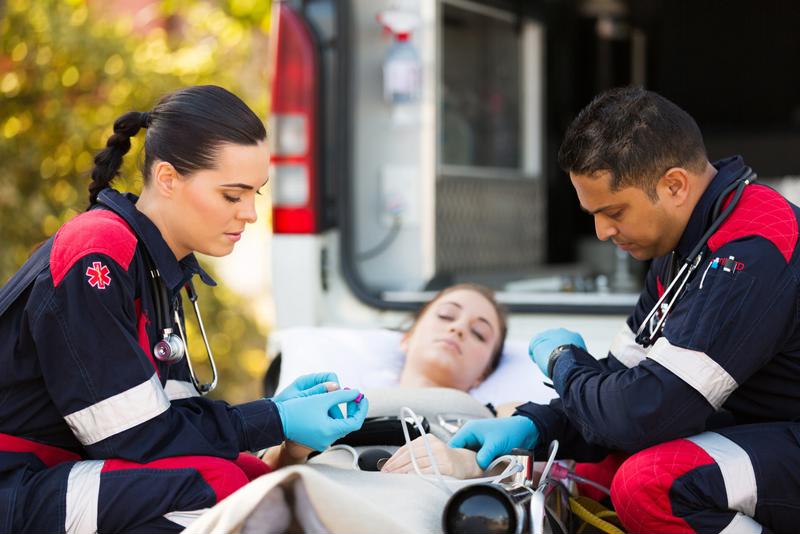
Discovering and mastering coping strategies and treatment methods for traumatic mental health issues are important steps for first responders. Ferrara explained to the Aspen Daily News that he recommends getting fresh air, as well as spending time with animals and staying physically active. He stated that people who have been exposed to trauma should try to depersonalize the incident and not take it to heart – and they must not become to isolated. Being alone can be very harmful to mental health, especially when a negative event is preying on an individual's mind.
Healing those with mental trauma
In addition to taking better care of their own mental health, first responders around the nation are learning to better serve those in the community who are suffering from related afflictions. According to Hartford news source NewsTimes, local paramedics and other officials have begun to receive mental health first aid training. This program is designed to help them respond in situations such as providing medical care to those who have made suicide attempts.
Participants in the course told NewsTimes that the training has helped them relate to individuals who are at risk and engage in situations that it feels more natural to avoid. If first responders receive direct lessons in dealing with mental illness, they may be able to step into situations beyond their normal purview and bring more people home safely. It's clear that between the struggles of the population at large and the trauma-induced challenges facing emergency personnel themselves, increased focus on recognizing and treating mental illness is worthwhile.
There are many different ways to show appreciation and support for the firefighters, police officers and paramedics who put their lives at risk to help others in need. People all over the nation have shown great creativity and dedication in putting together events large and small to tell these first responders they are valued. Three quick looks at such efforts follow, and there are many more going on every day.
Helpful group for spouses sets up in Virginia
Virginia news channel WTKR recently focused on Backing the Thin Line, a group founded by Megan Stewart, herself the wife of a police officer. The TV station gave Stewart its People Taking Action Award for her efforts, which include organizing several helpful gatherings aimed at easing the burdens placed on the families of first responders. In the past, this has taken the form of fundraising to help relatives of those who have died in the line of duty, in addition to more general social get-togethers.
WTKR reported that Stewart's group also gathers presents for children at the holidays, and it recently took part in a training exercise for first responders hosted by the local elementary school. Backing the Thin Line volunteers handed out water to police and fire personnel while they participated in the simulated action.
A 'thank you' from local pupils
Derby, Kansas's, Derby Informer recently detailed another project designed to make first responders feel appreciated. This effort featured crafts by children at a Derby Presbyterian Church summer program. The kids at the program range in age from preschool to fifth grade levels, and they used oversized pieces of poster board to create large thank-you cards.
"The first responders were very appreciative and the kids loved seeing them here," the church's Christian education director, Michael Gutzmer, told the news provider. "It was a great time."
"Even simple gestures can make first responders feel appreciated."
The Informer noted that 11 emergency personnel were there to receive the children's thank-you cards and presents of candy, giving them stickers in return. The first responder group consisted of police officers, firefighters and one paramedic. This type of community connection shows that even simple gestures such as cards can make first responders feel appreciated.
Free meal to show support
Community meals shouldn't be overlooked among the many ways to thank local emergency personnel. Dealing with demanding schedules, first responders will have had to miss a fair few home-cooked meals in their years of service, so this gesture could be greatly appreciated. Dayton, Ohio's WHIO recently described one such gathering at the Fairborn Senior Center.
The news provider explained that no single group was behind the meal – it was conceived by an alliance of companies and churches, each wanting to do its part to make sure the first responders in the community know their service is valued. This demonstrates that even when individuals or groups don't feel they have the resources to launch such a venture, they can band together. However these events are created, they are a practical outlet through which to voice support for the police, fire and EMS personnel who keep their areas safe when emergencies strike.
First responders' duties bring them into harm's way every day. Police officers, firefighters and paramedics put themselves on the front lines of dangerous and traumatic events, and it's common to wonder how you can thank these individuals, perhaps lessening the emotional burden of their work.
The following list is just a sampling of the many ways you can show a first responder that you care. These are good ideas to start with, and apply at any time of the year.
1. Cook a meal
Bringing home-cooked food to the local police or fire station can show the local first responder community that you care. Day-to-day life as a police officer, firefighter or paramedic can be stressful and the schedule irregular, meaning that home-cooked meals may be a luxury that will make these first responders grateful. And if you take the meal over yourself, you have a great chance to say a verbal thanks as well. Of course, since an alarm can sound at any time, it may be best if the meal is one that can be returned to later if the diners have to leave off in the middle.
2. Donate to a good cause
There are numerous charity drives in any given community to support the fire departments, police forces and more. A gift to one of these causes can make a material difference in the lives of first responders and the family members. Even if you don't possess the material means to make a big donation, there are plenty of ways to help charities, including organizing or volunteering at a drive or other event.
3. Send a letter of thanks
These days, many people don't take the time to write letters – electronic communication has driven paper out of favor. This means that sending a physical letter thanking first responders for their service may take on greater importance, feeling more personal, permanent and heartfelt than email. If you gather multiple letters from the community and deliver them all at once, the impression on the recipients could be significant.
4. Send a practical gift basket
A gift basket is a classy way to express thanks. If you customize one of these presents to suit the tastes and needs of the local fire department or police force, it could be an incredibly thoughtful choice, one that will make your gratitude clear. Such a basket could include gift cards to restaurants in the area, allowing first responders to relax and unwind with good food between their high-stress assignments.
5. Use word of mouth
When you have a good experience with local first responders, spreading the word either online or in person can do a great service to the department. It's not a direct thanks to the police, fire and paramedic personnel, but speaking well of these individuals is a gesture of gratitude, one that is easy and impactful.
6. Just say 'thanks'
Just about every day, you likely pass police officers, firefighters and paramedics going about their daily business. Just saying a simple "Thank you for your service" can be a great way to show that individual you respect and appreciate what he or she is doing for the community. It's extremely simple, and could make a first responder's day.
First responders have long been at the front lines of their communities, working to protect and serve the civilians in their jurisdiction and often putting their lives at risk to do so. This was clear in the weekend's heinous mass shooting at a nightclub in Orlando, Florida, where a gunman opened fire on patrons in the early hours of morning. In the hours that transpired following the beginning of the attack, first responders were selfless and resolved in their actions.
"EMS professionals were vital in responding to the Orlando attack."
Carrying the weight
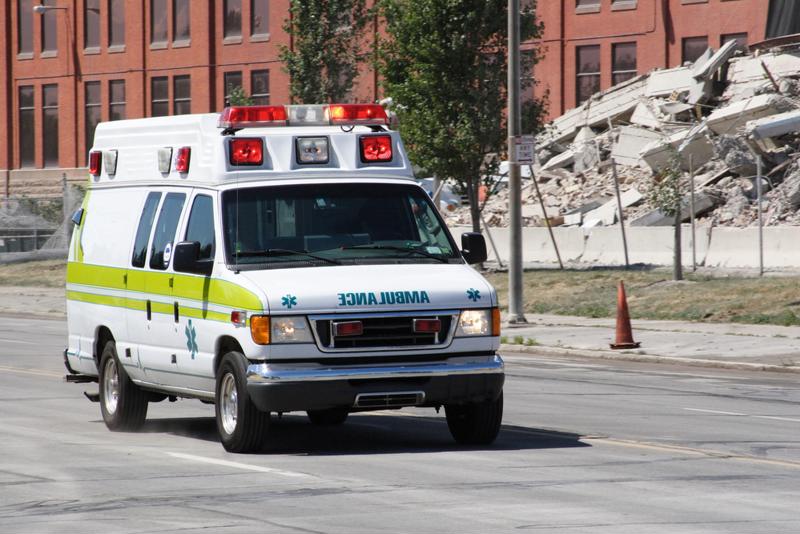
Click Orlando recently reported that the emergency medical services professionals and others involved in rescuing the survivors of the attack entered to a devastating scene, but maintained tight control of their actions nonetheless. Other reports have indicated that roughly 300 individuals were in the club at that the time of the event, with 49 being killed and 50 wounded. This made for a uniquely horrific call to respond to.
"I got reports that early on it was very chaotic," the Orlando Firefighters Union's Ron Glass told Click Orlando. "There seemed to be two separate flows of EMS patients coming out. The initial flow once the incident happened around 2 o'clock in the morning. We had units that were on their way back from the hospital that actually intercepted the call as it was coming out and arrived on scene within seconds."
For first responders, some of the most challenging parts of handling an attack such as this one come after the smoke has cleared and the individuals begin to digest what they have seen, Glass added to the source. He noted that all first responders involved will be monitored to ensure that they are capable of performing in the wake of this tragedy.
"We're going to be keeping a close eye on our guys for the next couple of days to make sure everyone is doing well, behaviorally acting normal and is not impacted," Glass explained, according to the news provider. "A lot of times, with calls like this, you have scenes where guys become – they start getting distracted, lose focus, and it's because they're still processing what they saw on that call."
Support from the community
First responders in Orlando are certainly getting support from their community members and other professionals from across the nation. For example, the Orlando Sentinel reported that civilians in the neighborhood started to bring first responders food and beverages while the event was still transpiring. Additionally, The Press Enterprise reported that first responders in San Bernardino, who themselves saw one of the most violent mass shootings in American history last December, sent their wishes and supportive words to those in Orlando.
Pulling behind first responders, as well as the victims of attacks and their families, can make a community stronger in the long run. Any and all support for first responders in Orlando is welcomed in the coming months, as the city works to heal.
First responders are on the front lines of tragedies in communities across the country, and many advocacy groups have called for greater support on the municipal, state and national levels. From protection against the hazards of their jobs to simply recognizing the selflessness of these individuals, many have already begun to take action on programs and initiatives to improve the quality of life of first responders.
Luckily, the federal government – along with state legislatures – appears to be following suit, passing new bills and acts ranging from health care and recognition of those who have fallen in the line of duty to legal protection and beyond. A combination of civilian-driven programs and governmental moves will hopefully work in the best interests of first responders, enabling them to stay safe, complete their duties and have a strong quality of life following retirement.
Moves made on Capitol Hill
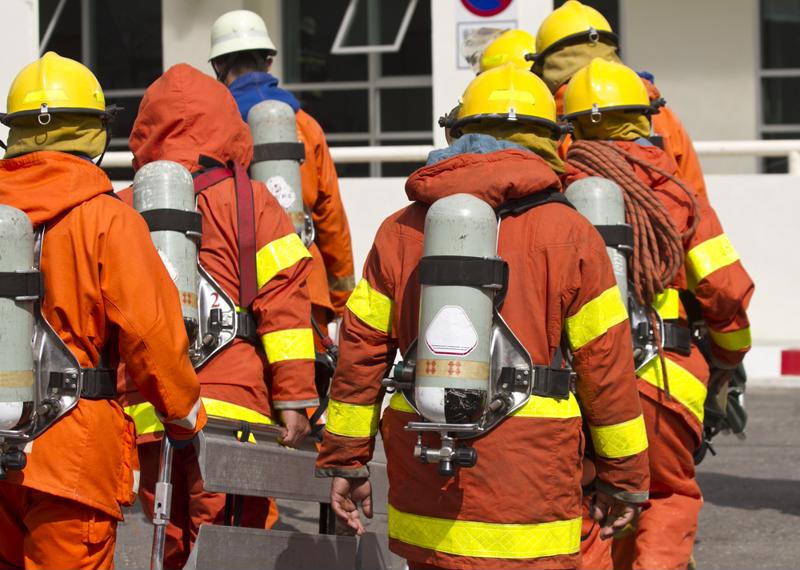
The St. Joseph News-Press recently reported that the U.S. House has completed and voted in favor of a bill titled the Fallen Heroes Flag Act, and that President Barack Obama is expected to sign it into law soon. The source noted that the Senate also passed of the act, which will put a flag in the nation's capital that recognizes first responders who have died while on the job, including police officers and firefighters.
"We can never in any way fully repay the debt we owe them or that we owe their families," Missouri Senator Roy Blunt, who created the legislation and acts as the Senate Law Enforcement Caucus' co-chairman, explained, according to the news provider. "These are people who go to work every day, with the greatest goal for their families being that they come home safely that day, and they have more reason to worry about that than most of us have. All we can offer instead is our gratitude."
The St. Joseph News-Press also quoted Florida Representative Rich Nugent regarding his sentiments on the bill, pointing out that he was in law enforcement for nearly 40 years before entering the political theater.
"It's really lifting up all of our first responders," the source cited from Nugent's statement. "This is not a huge thing, but I'll tell you what: To a grieving family, it is a small token of the appreciation that the United States of America and this Congress … can bestow on a family at their deepest sorrow."
State-level action
A state bill has been signed into law in Florida by the state's Governor Rick Scott to give spouses of fallen first responders rights to their late husbands' and wives' salaries for their entire lives, Fox 13 reported. The news provider explained that the bill was championed by a widow of a sheriff's deputy who was killed in the line of duty.
Protecting first responders and their families ought to be a priority in the coming years, as these selfless individuals put their lives at risk every day to protect their communities.
First responders are, by their very definition, on the front lines of major events in communities that put civilians at risk, including floods, fights and drug overdoses. Across the nation, local municipalities have been striving to better position their first responders to both remain safe and provide better assistance to those in need. As the needs of local cities and neighborhoods begin to evolve for a range of reasons, the support given to first responders must also transform.
One of the more notable stories in the first responder arena across many states has been the use of a specific drug that helps to save individuals from opioid overdoses. Initiatives related to this chemical compound have spread to some of the states hardest-struck by the opioid epidemic, which has certainly been apparent in virtually every region throughout the past several years. First responder-related programs represent some of the first efforts to treat those suffering from addiction with care before thinking about the legal implications.
Positive results in Michigan
MLive recently reported that first responders in Jackson, Michigan, have been armed with naloxone, more commonly known by its brand name of Narcan, when responding to calls related to opioid overdoses. The source pointed out that this particular remedy has been incredibly effective in saving lives, as it regularly kicks the respiratory system back into functionality without virtually any lasting side effects.
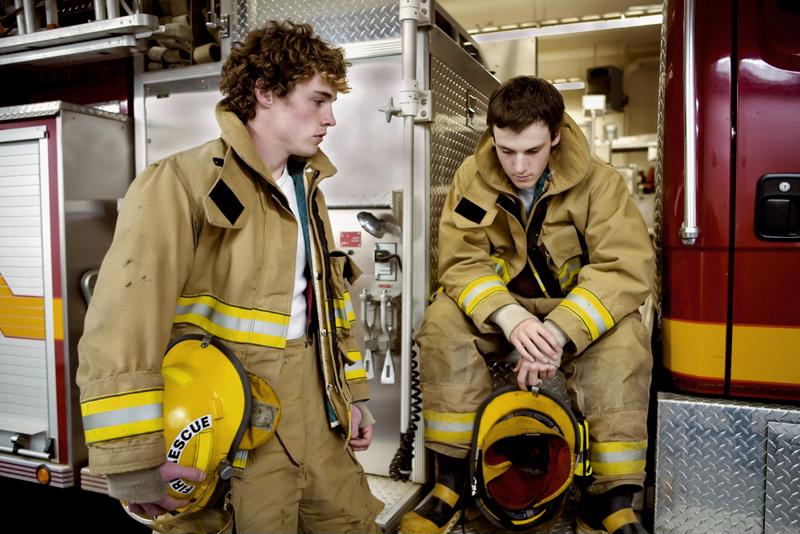
It is worth noting that this has not been the most straightforward pursuit for states, as the opinions regarding opioid addicts and how they ought to be treated is often contested. However, first responders are being empowered with an important tool they need to oblige their core responsibility – the safety of civilians in need of immediate medical attention. According to MLive, the initiative has certainly helped out in many instances, but might not be enough to begin dramatically reducing heroin-related fatalities in the short or long term.
The news provider noted that first responders from the Jackson Fire Department have used naloxone in 27 separate instances since first beginning the program back in October. Because of the sheer speed of heroin addiction increases across the country, chances are more changes to first responder policies and strategies will sprout up in the coming years.
Weathering a storm in Ohio
The Columbus Dispatch reported that first responders have had to remain strong in the wake of one of the more extreme cases of violence the state has ever seen. In Pike County, eight people were killed in an execution-style fashion, sending shockwaves and fear throughout the area.
According to the source, first responders have been tasked with maintaining the peace, supporting the community, and handling the events.
"You see such carnage and nastiness that you can't ever put it out of your mind," former Logan County Sheriff Michael Henry told the news provider. "But eventually, you have to take that uniform off and just be a human, just feel. And that's tough to do. It's tough for everyone there right now."
First responders are making a big difference in the upper Midwest.
The floods in Texas have been deemed historic in the past several days, with several individuals losing their lives in Houston and damages to homes and infrastructure rising rapidly. Evacuations have been taking place in that city, while the region around it received as much as a foot of rain within a very short period of time, CNN reported. Suffice it to say that the Coast Guard and local first responders have been pivotal throughout this trying time in the Lone Star State.
Protecting those in need
KHOU recently reported that one of the buildings impacted by the Houston floods was an assisted living facility that specifically caters to those suffering from Alzheimer's. Although the facility and area of Houston – Cypress Creek – did not flood during the initial span of rain, the source noted that it became a problem as some of the runoff began to make its way to the neighborhood.
Due to the severity of the flood, first responders had to step in to rescue the 40 residents of the facility, KHOU pointed out, while another 60 have been relocated to a safer building as well. This was not a straightforward rescue by any means, as the water had rose high enough to necessitate military vehicles to complete the task.
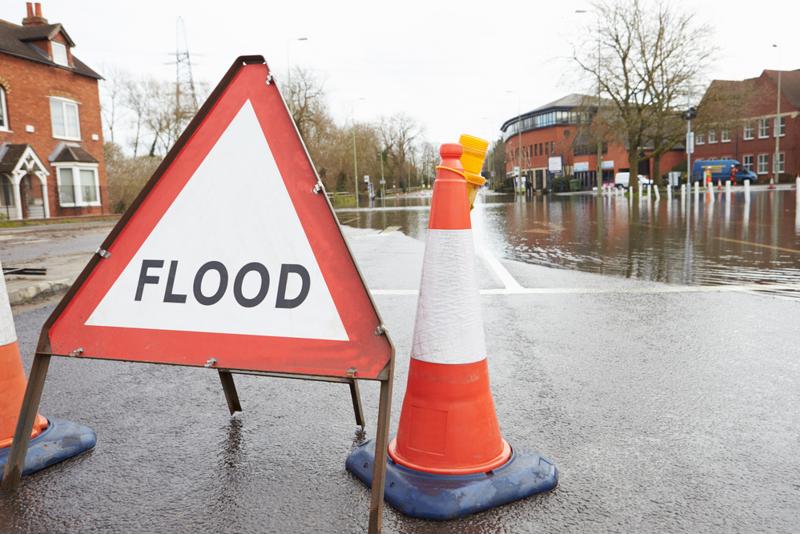
According to the news provider, Cypress Creek officials are on high alert given the fact that the floods are still pressing on the region's infrastructure. First responders will be on the front lines tackling the rescue and assistance needs of residents throughout Houston and its surrounding neighborhoods.
Assisting the responders
Texas A&M University hosted a discussion on the use of information technology to assist first responders through the challenges of their jobs, the school's newspaper The Eagle reported. As part of the Aggies Invent program, which takes place several times throughout the year, students were tasked with developing tools to protect first responders and help them more effectively serve the community.
According to The Eagle, teams dreamed up ideas spanning from advanced smoke detectors to spinal cord injury management and presented them at the event. The winning project ended up being a communication tool that uses drone technology to connect individuals in need with first responders more safely. By blending advanced innovation with first responders, communities will likely benefit immensely.