
The October incident in Las Vegas is the deadliest mass shooting committed by a single person in the U.S. throughout the country's history. That said, the number of casualties could have been much higher. As the Las Vegas Review-Journal reported, emergency responders credit their years of training for their efficient response, which helped them save an untold number of victims.
A thorough response that saved lives
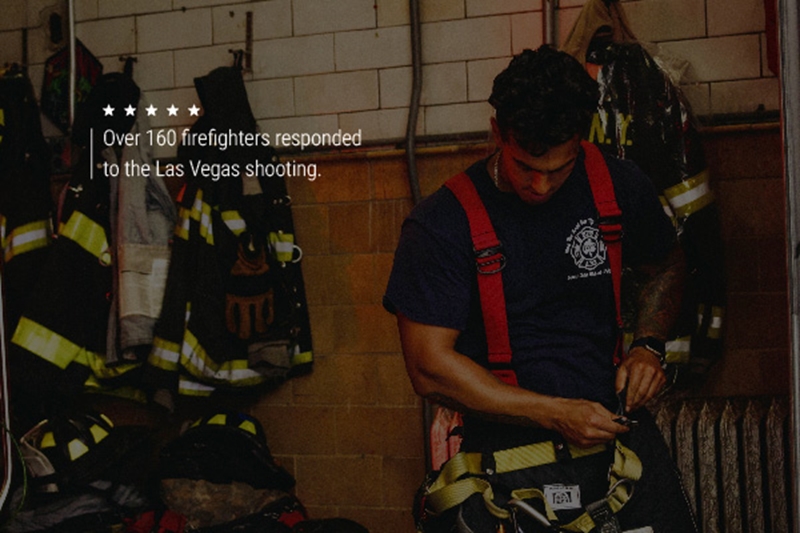
Overall, 160 firefighters responded to the attack, according to the Review-Journal. The majority were from the Clark County Fire Department, while the remainder came from the Las Vegas, North Las Vegas and Henderson Departments.
According to Clark County Fire Department Chief Greg Cassell, the first responders learned from prior events like the shootings at Columbine and Aurora. He said there would have been many more casualties had the Las Vegas attack occurred a decade ago.
"We knew what to do," Cassell told numerous reporters, according to the Review-Journal. "It was much grander than we ever envisioned. However, we were able to handle it because of our people, our training, our professionalism and our equipment and our relationships."
"Knowing their city could be a target, firefighters and police began training years ago."
Las Vegas police and firefighters, knowing their popular city could be the target of a terrorist event, began training in counterterrorism efforts after the 2009 attacks in Mumbai, India. Now, all Las Vegas first responders participate in drills run at schools, hotels, hospitals and malls.
Help from strangers blocks away
Additionally, average citizens stayed on the scene to help the injured, further preventing more deaths. Cassell noted these individuals, as well as the paramedics and other first responders, performed wonderfully under fire.
Some of the assisting citizens were in fact military veterans. According to a local Fox affiliate, Portland resident and Army veteran Austin Depiazza ran to the gunfire when he was first alerted of the attack.
Depiazza arrived in Las Vegas a few hours before the attack with a few military friends, Jose Ortiz, Edward Prince and Keith Hewitt. They were at a casino two blocks away when a woman ran in and alerted everyone to the situation. Depiazza and his friends headed to the venue, tearing down a fence in order to get inside and help the injured, all while the gunfire continued.
"Trying to help the ones that lost people there, that was the biggest thing, getting them to safety," Depiazza told the news station. "Because they wanted to stay there with their loved ones, which I understand, but we had to do everything to help."
Of course, active-duty servicemembers on the scene helped where they could as well. As the Tribunist reported, Army soldier Matthew Cobos's heroic actions were captured in one of the most iconic photographs of the attack. In the image, Cobos is physically shielding a woman on the ground, using his body to protect her from gunfire. He even reportedly held his hand in front of her eyes to prevent her from witnessing the devastation. At one point, Cobos was able to move the unidentified woman to a safe location before returning to help others who had been injured.
These stories reveal the strength and courage of first responders, veterans and ordinary citizens. They also emphasize the importance of proper training, both of which the responders and servicemembers had. With their direction, concert-goers and people standing by were able to provide assistance without causing further chaos.

This year's hurricane season was one of the most devastating in recent history. Most notably, Hurricane Harvey was the first major hurricane to make landfall in the U.S. in 12 years. The storm hovered over southeast Texas and unleashed an unprecedented amount of rainfall – anywhere from 40-61 inches, according to The Weather Channel.
Following Harvey was Hurricane Irma, which also reached incredible extremes. The storm is one of five in history with maximum sustained winds at or exceeding 185 miles per hour. It maintained these speeds for 37 hours, which is the longest length of time on record. In terms of damage, Irma ravaged the islands of Barbuda and Antigua, leaving the former island completely evacuated and damaging 95 percent of its existing structures, according to USA Today. The state of Florida was also heavily damaged by the storm, leaving thousands without housing.
First responders and members of the National Guard have been essential to mitigating the damage done by these and other major storms as much as possible. While it's impossible to tell each of their individual stories, we should recognize their courage and efficiency as best we can. Below are a few examples of how these emergency personnel have reacted to this year's hurricane season:
Coordination – and help from citizens – in Texas
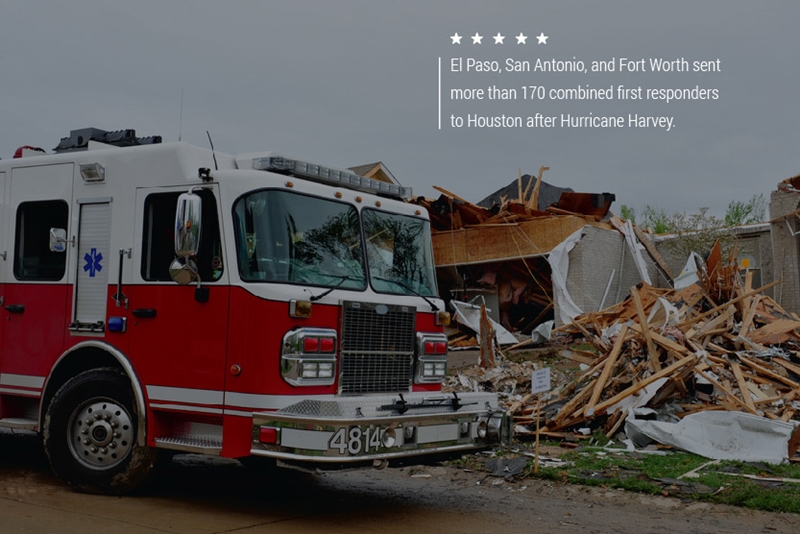
If Hurricane Harvey can be considered an extraordinary storm, so were its recovery efforts. The city of Houston was hit hard, but first responders gathered from all over the state to help. According to The Texas Tribune, they were able to do so thanks to a system created by the state legislature in 2007. The Texas Statewide Mutual Aid System allows agencies to request assistance without creating a contract to settle liability and cost beforehand. Instead, the requesting agency simply reimburses those that come to assist it with federal aid money. Thanks to this system, San Antonio, El Paso and Fort Worth were able to easily and quickly send more than 30, 40 and 100 officers, respectively.
Overall, the city's rescue efforts were well-coordinated, according to Michael Walter, public information officer for the Office of Emergency Management in Houston.
"What I can tell you is that I have never seen so much coordination," he told the national news organization. "I have never seen such a request – when a request goes out, I've never seen so many agencies so willing to jump in and help."
The city's residents, in turn, helped their rescuers, and thousands came together to provide hot meals. One woman, Kristel Meadows, even did laundry for a team of firefighters and organized a series of traveling food drives, according to Time Magazine.
Out-of-state response to Irma and Maria
"FEMA sent 34,000 responders to respond to Hurricane Irma."
Response to Hurricane Irma was swift and efficient, according to Federal Emergency Management Agency Director Brock Long. In a separate Time Magazine article, he credited the agency's success to the veteran emergency managers who had experienced past disasters. He also added that FEMA sent 34,000 responders to assist with Irma-related damage. Additionally, the Environmental Protection Agency and the Department of Health and Human Services coordinated to create pop-up hospitals that both treated patients and tested floodwaters for contamination.
A great number of resources for Puerto Rico also came from outside of the island. Some of the initial response came from individual states. For instance, New York City alone sent 140 first responders, according to the New York Times. Additionally, National Guard members from several states converged to assist with relief efforts, including Pennsylvania, Kentucky, Texas and Maryland.
Though this hurricane season has been one of the most destructive on record, the dedicated work of the nation's first responders helped ensure the people most at risk received the help they needed.
Although it has been sixteen years since the tragic September 11 terror attacks, the incident's lasting impacts still ripple through society. We have many to honor and remember.
First responders to the rescue
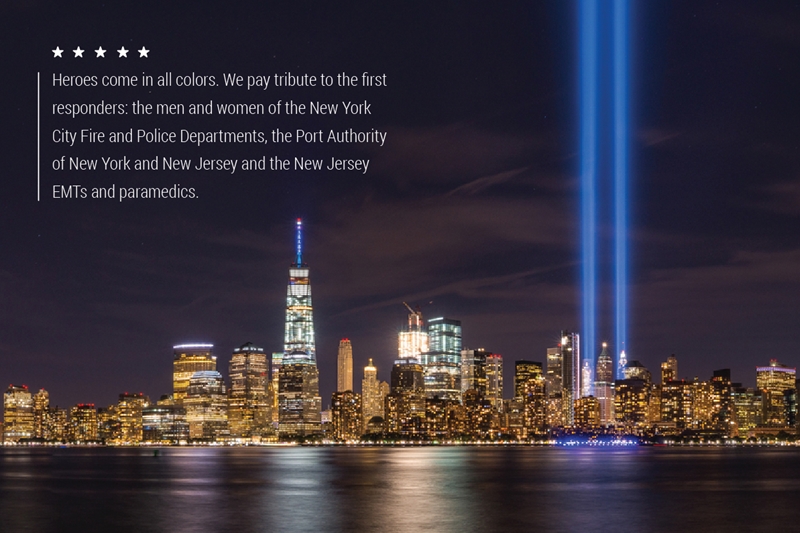
Many forget who the true heroes of the day were: first responders, such as firefighters, police officers from the New York City Police Department and the Port Authority of New York and New Jersey, EMTs and paramedics.
Immediately after the hijacked planes hit the the Pentagon in Washington, D.C., and the first of the Twin Towers in New York City, the first responders were rushing into the catastrophic scene as everyone else was running away from it. Shortly thereafter the first tower collapsed, but the heroic first responders nonetheless continued to selflessly perform their duties and help those who were trapped or injured.
With the loss of 343 firefighters, the 9/11 attack was the deadliest day in the 152-year history of the New York City Fire Department, according to Fire Engineering. Meanwhile, during the evacuation of the Twin Towers, an additional 23 New York City police officers and 37 Port Authority police officers gave their lives to ensure others could survive.
These first responders were doing everything they could to try and save as many civilians as possible. Thanks to their heroic efforts, hundreds and even thousands of people survived this devastating day and were able to return to their lives.
The short- and long-term aftershocks of 9/11
That evening, as people across the country and world were still trying to process what had happened earlier that day, President George W. Bush delivered a television address wherein he stated, "Terrorist attacks can shake the foundations of our biggest buildings, but they cannot touch the foundation of America. These acts shatter steel, but they cannot dent the steel of American resolve."
While military endeavors continue in the fight against terrorism, first responders continue to live with long-term injuries and other debilitating health problems that stem from these terrorist attacks.
Ray Pfeifer, a member of FDNY Engine 40 and Ladder 35 station in Manhattan, was a first responder on the site of the Twin Towers a few hours after their collapse, according to ABCNews. Pfeifer worked alongside other first responders for months following the attack to continue searching through the still-smoldering pile of ruins in search of remains and survivors.
During this time, many of his peers began developing what they called the "World Trade Center cough." In the following months and years, these coughs led to asthma, lung problems and, ultimately, cancer.
"There's not one person that put their foot on the Trade Center and worked down there that doesn't think in the back of their mind that they're not going to get sick," Pfeifer stated.
"Many lingering issues and unanswered questions remain for 9/11 first responders."
In the time since the attacks, illnesses related to working at Ground Zero have taken the lives of an additional 127 firefighters, and thousands more have medical conditions and health problems associated with exposure at Ground Zero.
Although Congress has taken steps to help, including passing the Zadroga 9/11 Health and Compensation Act of 2010, there are still many lingering issues and unanswered questions for first responders and military personnel. Mental health concerns, such as post-traumatic stress disorder and depression, and physical ailments, such as chronic sinus inflammation and lung disease, remain rampant problems for first responders who were at ground zero.
As we take a solemn moment to reflect on the events of this tragic day, we must not forget those still suffering from the long-term effects of their heroic actions.
First responders face dangerous situations on a daily basis. As such, these individuals need to ensure they have the best possible training to handle the chaotic moments inherent in their line of work.
Chicago announces new training facility
In a move aimed at improving the readiness of first responders, the City of Chicago recently announced the opening of the Public Safety Training Academy for firefighters and police officers, according to WGNTV.
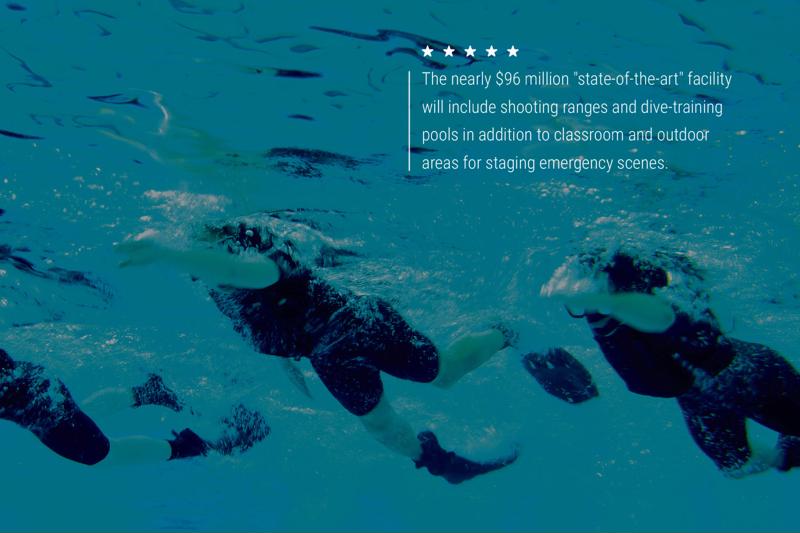
The facility will be built on 30 acres of land in the Garfield Park neighborhood on the city's west side, and will house a mock two-flat building, public buses and locomotives used to simulate real-world scenarios for training purposes. The nearly $96 million "state-of-the-art" facility will also include shooting ranges and dive-training pools in addition to classroom and outdoor areas for staging emergency scenes.
"It will include the resources we need to prepare for policing in the 21st century," noted Chicago Police Department Superintendent Kevin Navarro.
City officials said construction will begin in 2018 and will take two to three years to finish. Officials also noted that the project will create nearly 100 construction jobs for the neighborhood.
Building greater partnerships
Not only will the new facility serve as an advanced training ground for local first responders, but city leaders also expect it to create greater bonds of unity between various departments, agencies, municipalities and jurisdictions.
"The new center will train firefighters and police officers simultaneously."
Unlike its current system, where firefighters and police officers train at their own respective facilities, the new center will train both groups simultaneously. This setup should prove helpful as most emergency situations in Chicago involve members of both the fire and police departments.
Chicago Fire Department Commissioner Jose Santiago welcomed the news, noting that it's more important than ever before that all types of first responders train together since communities are impacted by emergencies that often require simultaneous police, fire and EMS services. When all of these different departments can successfully work in concert, it produces better overall results for everyone.
Mayor Rahm Emanuel believes Chicago will become a must-visit destination for departmental training from nearby states as well.
"So it will be a real economic development," Emanuel explained. "People from the suburbs come train here, downstate come stay here for small fee; [sic] we will let people from Wisconsin, Indiana come train here."
Colorado opens new training facility
Chicago isn't the only place making efforts to update the training of its first responders, as other locales also take steps to upgrade their facilities to reflect real-world scenarios and the ever-changing nature of the threats they face on a daily basis.
For instance, Wheat Ridge, Colorado, recently transformed a closed-down elementary school into a first responders training facility, according to NBC affiliate KUSA-TV. After 60 years of educating children, the Jefferson County School District shut down Martensen Elementary in 2011.
The facility – named The Frank DeAngelis Center for Community Safety after the principal at Columbine High School during its infamous student shooting incident – has already hosted 17 agencies from across the country. These bomb techs, SWAT teams, school resource officers, federal agents and Navy Seals use the facility as it reproduces a realistic school environment, providing first responders a better idea of their limitations and capabilities as they protect students and teachers.
Faced with evolving threats and dangerous situations, first responders need training adequate enough to prepare themselves for the latest iteration of emergencies. With upgrades and state-of-the-art facilities at their disposal, first responders will have the tools and means to improve their practices and be ready to face a whole new set of real-life situations.
While there's a Law Enforcement Appreciation Day and an International Firefighters' Day (January 9th and May 4, respectively, for those who want to mark their calendars), there is currently no national day of remembrance and appreciation for first responders. Firefighters and law enforcement agents certainly fall under the umbrella of first responders. However, there are also other individuals who are not firefighters or law enforcement agents who go out everyday to brave natural disasters and emergency situations.
Petition calls for National First Responder Appreciation Day
To address this glaring omission, several groups have attempted to get a day recognized in the past. Advocates first proposed in 2006 to create a National First Responder Appreciation Day, but their petitions were unsuccessful.
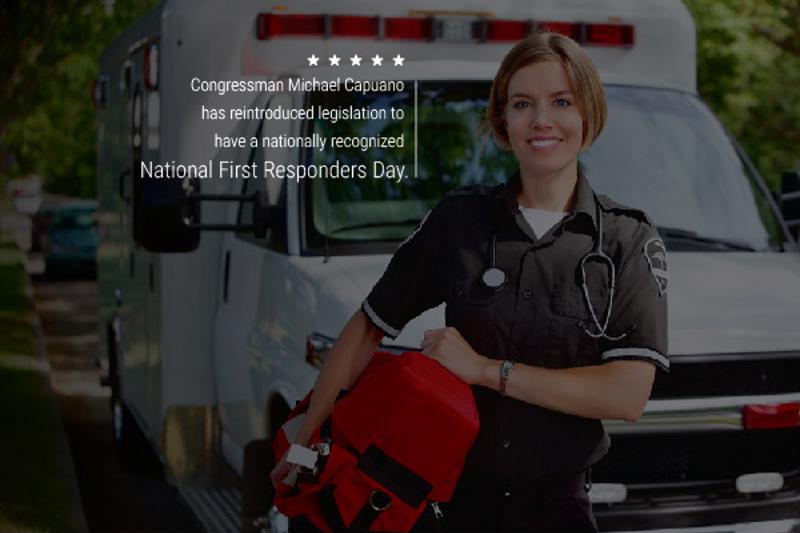
However, supporters have recently renewed their efforts to establish this day as a way to show thanks for everything first responders do. After failing to pass the first attempt, Congressman Michael Capuano has reintroduced legislation to have a nationally recognized National First Responders Day. To further support his proposal, there is an online petition you can sign to help show the overwhelming public support for the establishment of this national day of observance.
Why First Responders deserve a day of their own
The title "first responder" can be somewhat of an abstract concept for some people to understand since it covers a wide range of occupations, some public and some private. So what roles fall under the umbrella of first responders?
From emergency medical technicians and paramedics to animal control officers and park rangers, a first responder is anyone who is specifically trained to respond to an emergency. While most first responders are members of their local community, others may serve a role in the federal government, such as in the Coast Guard or as a TSA agent.
"There are more than 90 different types of jobs considered as first responders."
According to the National First Responders Organization, there are more than 90 different types of positions that fall under this title. These individuals play a crucial role in keeping people and property safe during dangerous situations. Without their fearless and focused contributions following natural disasters and other emergencies, the fallout from any one of these types of events would be even more devastating.
Shedding more light on the situations and hazards facing first responders by dedicating a national day of appreciation will help raise awareness among the general population and highlight the thanks we offer to these individuals.
For instance, The National Emergency Number Association reported that Americans make an estimated 240 million calls to 911 each year on average. Emergency medical services personnel treat 22 million patients a year. Yet, despite the fact that work-related injury and fatality rates among U.S. EMTs and paramedics are higher than the national average for other occupations, very little is known of the risks they face on the job, according to a 2013 study published in the "Prehospital Disaster Medicine" journal.
With greater awareness of the obstacles and risks involved in these occupations, we can find new avenues for safety precautions and post-event treatments.
Local observances of First Responders Day
While there's no federal day set aside to honor first responders, many states and local communities have dedicated days to honor these brave individuals.
For instance, Texas shows their respect for First Responders on September 11. Albuquerque, New Mexico, Mayor Richard Berry recently declared July 30 as First Responder Appreciation Day.
Even if there is no nationally observed first responders day, we can still take time to thank these men and women for their help and continue to raise awareness to the dangers they face on a daily basis.
Post-traumatic stress disorder is a pervasive affliction that affects active duty military members, veterans, first responders and even government contractors working in combat zones.
Spreading awareness of PTSD
"In 2010 Congress designated June 27 as PTSD Awareness Day."
In 2010, Congress designated June 27 as PTSD Awareness Day to promote visibility and effective treatment for the affliction. Four years later, Congress set aside the entire month of June for National PTSD Awareness. The goal is to increase knowledge among the public about issues related to PTSD, to encourage those suffering from this affliction to seek help and to provide insights into caring for family members coping with PTSD.
"Greater understanding and awareness of PTSD will help veterans and others recognize symptoms, and seek and obtain needed care," explained Paula P. Schnurr, M.D., executive director of the National Center for PTSD.
During June, government agencies, advocacy groups, medical associations and other PTSD-related associations come together to boost awareness for the condition.
How common is PTSD?
The nature of the environments where military members and first responders work puts them in precarious and sometimes life-threatening situations and the lingering trauma can have a big impact on their lives. These traumatic events can lead to:
- Nightmares.
- Flashbacks.
- Trouble sleeping or concentrating.
- Negative feelings.
Often people experiencing PTSD think they're alone, but the truth is it is far more widespread than many might believe. Veterans often have higher incidences of having stress disorders. According to VA statistics, veterans with PTSD account for:
- Between 11 and 20 percent of soldiers who served in Operations Iraqi Freedom and Enduring Freedom.
- Around 12 percent of Gulf War (Desert Storm) veterans.
- An estimated 30 percent of military members deployed in the Vietnam War.
While veterans comprise a large percentage of those with PTSD, first responders are also regularly exposed to the types of traumas that lead to stress disorders. A recent report published by the International Association of Fire Fighters found that firefighters and paramedics suffer from PTSD at similar levels to veterans.
Writing on the American Military University's website In Public Safety, faculty member Michelle Beshears explained how police officers often experience cumulative PTSD – the result of repeated stress-related incidents.
Further, PTSD is not strictly limited to the military and first responders. The VA also noted that roughly 7 to 8 percent of the U.S. population will experience PTSD at some point. In a year, approximately 8 million U.S. adults have PTSD. However, many won't seek treatment for a number of reasons.
What you can do to help
If you know anyone who might be suffering PTSD, be sure to offer support. While not everyone will want to discuss the issue, it's important to let them know you're available to help.
If a dialogue about the person's PTSD opens up, encourage him or her to seek treatment. There are a variety of centers and organizations that offer options for assistance and care.
Congress mandated the formation of the VA's National Center for PTSD in 1989 to address the needs of veterans with military-related PTSD. They have extensive research, education material and training opportunities for advancing the social welfare and clinical care of veterans with stress disorders.
In addition, non-governmental groups like Operation We Are Here provide an extensive directory of resources for those who have experienced a traumatic incident. From anonymous self-assessments and financial assistance to veteran service organizations and reintegration sources, there are plenty of options available to help.
By spreading awareness and contributing to ongoing treatment efforts, everyone can lend a hand in combating PTSD.
First responders rely on their bravery and their emergency response protocols to manage crises and mitigate problems following a tragic incident or natural disaster. These emergency response protocols must be updated regularly to ensure they account for changes in technology, best practices and other shifting factors. This is especially necessary as new risks emerge, such as mass shootings and bombings. Responding to these threats require different approaches that include multi-departmental coordination and effective communication with the news and social media.
The potential for miscommunication
A recent incident in Arroyo City, Texas, highlights the need for first responders to ensure they have updated and comprehensive emergency response protocols, according to ABC-affiliate KRGV.com.
Someone made a call to the Cameron County Sheriff's Office requesting help for a man suffering from a heart attack in Arroyo City. The dispatcher transferred that call to first responders in Los Fresnos, another city in Cameron County, before it went through to the Harlingen police. A representative from that office rerouted that call to the South Texas Emergency Care foundation, the emergency response team for EMS calls in Arroyo City. Arroyo City Volunteer Fire Department Chief John Whelan spoke with KRGV about the incident.
"Even minor delays in responses can be the difference between life and death."
"It took an extended time to get a hold of the correct medical response team to come out, whenever they did notify them, we were notified within minutes," said Whelan. "But it took a few extra minutes to notify the ambulance so that they could notify us to respond."
While it only took 12 minutes in total to activate the proper community response team, this extra time can be the difference between life and death. In light of this event, Whelan said different community emergency response teams in the area are setting up training courses for additional certification as well as upgrading communication efforts between departments.
Implement regular EMS reviews
As threats of active shooters and terrorist attacks unfortunately become more common, community emergency response teams must perform regular EMS reviews and ensure first responders are properly trained to handle these risks.
During these regular EMS reviews, response teams should factor in how to address the evolving nature of potential threats. For instance, as noted by EMS1.com, protocols for a bombing at a mass gathering should include:
- Assess and treat blast injuries.
- Anticipate and respond to secondary devices or shooters.
- Determine which EMS handle and transport the most severe injuries.
- Track patients and other injured individuals.
- Maintain future readiness for mass gatherings.
For larger threats, first responder teams should consider setting up incident command systems (ICSs) to be able to answer multiple coordinated attacks. Based on the emergency response coordination model developed in 1970s to implement organized and controlled responses from a centralized position, ICS helps in both near- and long-term field-level operations, according to the Federal Emergency Management Agency.
The role of communications and social media
In addition to regularly reviewing EMS protocols to ensure they're up-to-date, community emergency response teams should organize risk communications and social media crisis strategies, according to EfficiencyGov, an independent information service provider.
The ubiquity of always-connected devices means first responders need to have a strategy in place to effectively communicate statements and information. Social media offers the ability to quickly disseminate instructions and messages, as well as clarify any incorrect news floating around.
As threats continue to evolve, first responders must remain diligent in updating their emergency response plans to ensure they have protocols in place to handle the ever-changing nature of risk assessment and response.
Working as a first responder goes above and beyond clocking in and out each day – there are high stakes involved with managing a crisis or natural disaster. Due to these unique job hazards, first responders are also at a greater risk for stress, depression and even post-traumatic stress disorder. Without the right treatments and help, these mental health problems can become more serious as time passes and should be addressed as soon as possible.
From community support groups to yoga classes, there are many ways first responders can alleviate the stress and mental health detriments associated with their jobs.
How prevalent are mental health problems for first responders?
Occupational stress is a built-in consequence for most first responder jobs, be they firefighter, police officers, EMTs or paramedics. If left untreated, stress negatively impacts the mind, body, behavior and mood of anyone, no matter how disciplined he or she is. The mind becomes more anxious and depressed while the body's health deteriorates with a weakened immune system and higher blood pressure. Job satisfaction and productivity suffer as well, which can be dangerous for both first responders and the people they're protecting.
"85% of first responders experienced symptoms related to mental health issues."
Unfortunately, these issues are all too common among these professions. A recent study conducted by Harris Poll on behalf of University of Phoenix showed up to 85 percent of first responders experienced symptoms related to mental health issues. These stem from a variety of reasons, but a major contributor is the 84 percent of respondents experiencing on-the-job trauma.
A little more than a third of first responders surveyed said a doctor has diagnosed them with PTSD or depression. Of those individuals suffering from depression, 47 percent said something that happened at work contributed to their depression.
Despite the prevalence of mental health issues among first responders, workplace stigmas still linger for those who want help. Even though 74 percent of respondents said they have mental health services readily available to them, 39 percent said there are negative repercussions for utilizing these services. These repercussions include:
- 55 percent believe seeking mental help will make their supervisor treat them differently.
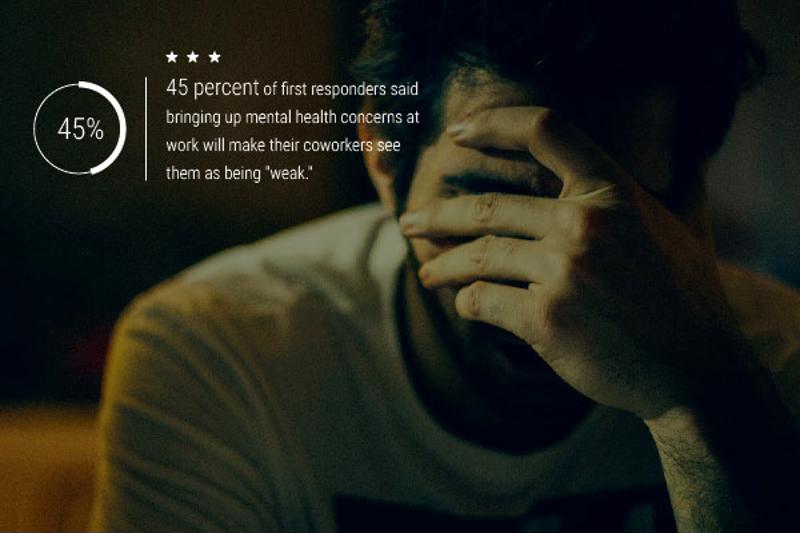
- 45 percent said bringing up mental health concerns at work will make their coworkers see them as being "weak."
- 34 percent said starting discussions about mental health concerns at work will reduce their chances of earning a promotion.
Although there are obstacles for some people, 61 percent of respondents still felt comfortable discussing these problems with their supervisor.
According to the Centers for Disease Control and Prevention, the duties that accompany being a first responder can lead to three types of stress:
- Day-to-day stress – caused by common tensions experienced in our lives, such as personal, familial or social issues.
- Cumulative, chronic stress or strain – caused by the accumulation of these daily stressors, whether it's working with new people, changes in job routines or introducing difficult new systems or procedures.
- Critical incident stress or shock – caused by exposure to traumatic or extreme incidents out of the norm, such as witnessing an accident, injury or death.
Unchecked, long-term exposure to any of these types of stress, but especially the third one, leads to:
- Post-traumatic stress symptoms.
- Burnout or compassion fatigue.
- Anxiety.
- Depression.
- Pathological grief.
- Interpersonal conflict, such as family or marital problems.
It's best if first responders deal with these mental health issues head-on to obtain any necessary medication or treatments.
Ways for first responders to manage mental health problems
There are several ways first responders can handle the issues that arise among workers in this area due to their unique occupational stressors. Each of these methods has its own benefits, and may work differently for every individual.
Treatment and therapy
In the early stages of their careers, first responders should take advantage of any job-offered pre-exposure training and "Psychological First-Aid" after an incident. These before-and-after sessions help first responders prepare mentally and emotionally for the initial exposure to a traumatic event and the potential fallout. Not all first responder departments have access to these kind of services, but there are still other ways for individuals to find help.
The University of Phoenix survey found that 61 percent of first responders have not sought out professional help for their mental health problems. Speaking with a psychologist, psychiatrist, therapist or occupational therapist is always a helpful way for first responders to get a better handle on any mental health issues – an important initial step toward successful treatment. Even if the professional doesn't make a diagnosis of a serious mental health problem, he or she can still recommend supplemental programs or services that can assist in alleviating job-related stress.
Self-care techniques
In addition to seeking out professional help in dealing with mental health issues, there are many self-care techniques first responders can incorporate into their daily habits to help alleviate the pressures and problems associated with stress. Often these actions are critical in ensuring first responders can successfully cope and continue to do their job.
The CDC listed several actions for maintaining self care during difficult times, including:
- Practice breathing and relaxation techniques. Consider yoga or meditation as well.
- Avoid working more than 12 hours per shift, if possible.
- Communicate feelings and experiences – whether it's writing in a journal or talking to family, friends, coworkers or anyone willing to listen.
- Eat healthy, exercise regularly and sleep adequately.
- Remember that saying "No" is a possibility – there are others who can help in responding.
While these techniques won't address severe stress, they can help limit exposure to stressful situations. For more serious cases, first responders should speak with a professional and licensed therapist.
There are many ways that companies and communities show their support for the brave men and women who protect our great nation. From organizing benefits and raising donations to hosting gatherings and simply saying "Thank you," these acts of kindness and generosity go a long way toward welcoming soldiers back from deployment and encouraging firefighters, police officers and other heroes to continue their efforts.
For instance, patriotic breweries and distilleries are saying thanks by crafting signature beers, whiskeys and vodkas and donating their sales for active duty military members, veterans and first responders. Other establishments provide discounts for these individuals. As craft breweries and local distilleries grow in popularity all across the country, the efforts these owners put forward demonstrate their gratitude. These are a great way to give back to soldiers, while also having some fun yourself.

Check out these companies doing their parts to lift spirits for those who serve:
Refreshing first responders
Virginia Distilling Company is one organization showing its appreciation for the heroics of local first responders, according to Nelson County Times. In April, the distillery launched the Nelson County First Responders Single Cask, with the net proceeds of sales donated to local fire and EMS crews.
Virginia Distillery CEO and Chairman Gareth Moore said they wanted to help the first responders for their work in fighting a wildfire that destroyed more than 1,500 acres in Livingston.
"There are no words to describe how thankful we are for the Nelson County first responders who assisted this past November when there was a forest fire behind the distillery," said Moore. "We're so excited that this special release will be able to benefit such an important group of people within our community and that we can give back in this way."
Another example is recently opened Loose Rail, a local brewery in Columbus, Ohio, which offers all first responders and active and former military personnel a 10 percent discount. The bar also boasts the original 48-star flag flown on the USS Compton in 1945 at the end of WWII in Tokyo Bay, which initiated Japan's formal surrender five days later.
Serving our soldiers
Just like the support shown for first responders, craft brewers and local distillers have been serving up special drinks for active duty military members and veterans.
Beer and Brewing recently highlighted 12 different breweries that have been playing a part in lifting spirits for the troops. There's Veteran Beer Co. in Chicago that donates a portion of their revenue to help veterans while also employing them. Gettysburg's Battlefield Brew Works's Red Circle Ale provides children of Special Operators with enrichment scholarships and the emergency gap funding for injured soldiers and their families.
For cocktail afficionados, Warrior Vodka uses revenue to provide monetary grants to disabled veterans wounded in combat. Jonathan Jans, an injured veteran himself, partnered with Mid Oak Distillery, the makers of CD Vodka on Chicago's Southside, and launched the line of vodkas to help those who sacrificed for our country.
With all that active duty military members, veterans and first responders sacrifice to keep us safe, it's great to see breweries and distillers providing grants, savings and other financial and moral support for these groups.
Communication and coordination are crucial following a natural disaster, major accident or other times of crisis. First responders must have the capabilities to effectively and easily relay orders, context and real-time reports on what's happening to quickly deal with the problem at hand. Unfortunately, there are currently more than 10,000 networks for voice communications, most of which do not interoperate, according to AT&T. This leads to major problems when, during an emergency, first responders are unable to, in fact, respond.
To solve this problem, the U.S. Department of Commerce recently contracted AT&T to build a special broadband network specifically for first responders to use during these times of crisis. This nationwide seamless, IP-based, high-speed mobile communication network gives first responders priority access to boost different groups' ability to communicate with others when responding to a crisis. With greater ability to communicate and coordinate, first responders can improve safety and more effectively respond to crises.
Background on the network
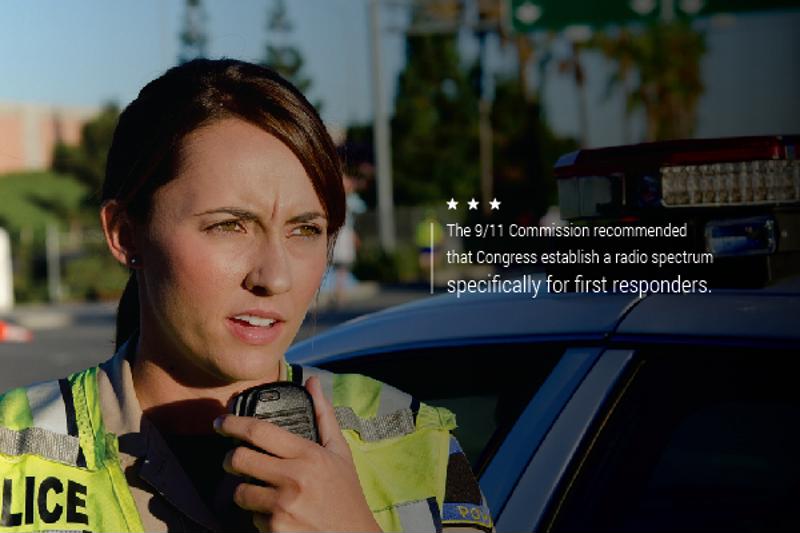
The inception for this network arose from the response to the Sept. 11 terrorist attacks, CNN reported. The 9/11 Commission discovered that emergency responders relied on different radio frequencies during the aftermath, which made communication and coordination efforts between the groups nearly impossible. In response to this, the Commission recommended that Congress establish a radio spectrum specifically for public safety and first responders.
Based on this recommendation, the First Responder Network Authority (FirstNet), an independent group at the Commerce Department, will now partner with AT&T to build this crucial network. AT&T will invest $40 billion to build and operate the network over the next 25 years, while FirstNet will provide an additional $6.5 billion over the next five years.
"Today is a landmark day for public safety across the country and is a prime example of the incredible progress we can make through public-private partnerships," said Secretary of Commerce Wilbur Ross.
AT&T Chairman and CEO Randall Stephenson also hailed the project as a one-of-a-kind project that will greatly improve first responder safety.
"We are honored to work with FirstNet to build a network for America's police, firefighters and EMS that is second to none," said Stephenson. "This is an unprecedented public-private partnership investment in infrastructure that makes America a leader and public safety a national priority."
Writing in PoliceMag, Dave George, president of Pryme Radio Products, said that it's not the technology that's important for first responders, it's the network. Network-based wireless communications will be a major driving force in the years to come, and first responders will be there with cutting-edge technology thanks to this new public-private partnership between AT&T and FirstNet.
Moving beyond the network
In addition to providing a nationwide network for first responders to communicate and collaborate, the partnership will also:
- Keep first responders safe by improving rescue and recovery operations.
- Expedite the development of an Internet of Things and Smart City solutions focused on public safety, i.e., using real-time weather data to forecast the potential for natural disasters, or using real-time traffic conditions to speed up emergency response times.
- Develop advanced technological capabilities, such as drones and robots with sensors to capture real-time video or images of disasters.
Overall, the goal of this public-private partnership is to boost first responder safety and ensure they're equipped to manage crises and emergencies as quickly and efficiently as possible. First responders know the importance of using the right tools for the job, and with this new broadband network at their disposal, first responders will have what they need to get the job done.