
Last month, President Obama signed into law legislation giving the Department of Veterans Affairs permission to cover in vitro fertilization treatments and the cost of adoption for former service members with combat-related fertility issues, The Washington Post reported.
"Our goal is to restore, to the greatest extent possible, the physical and mental capabilities of veterans with service-connected injuries. The provision of assisted reproductive technologies would do that," Walinda West, spokesperson for the VA, said in a statement to the newspaper. "It is important that we fully understand the needs of our veteran population, and fully incorporate the major scientific advances available today that can allow them to live a full life."
The Veterans Health Care Act, passed in 1992, prohibited the agency from covering IVF treatments, according to NPR. Proponents of the ban argued these procedures often involved the destruction of viable human embryos and therefore should not be paid for with federal funds.
In the years since, veterans with fertility issues have been forced to foot the bill for their own IVF procedures, which cost as much as $12,000 per cycle. Additionally, military families usually pay for multiple cycles, as most women must undergo several treatments before fertilization takes place, The Wall Street Journal reported.
Clinics offer discounts but, for most former service members, this simply isn't enough, leading many to give up on dreams of having children.
Army veteran Matt Keil and his wife Tracy nearly joined this group. In 2007, Keil was wounded in Iraq. A round from a sniper traveled through the his right shoulder and nicked his spine, leaving him paralyzed from the neck down. One year later, the couple decided they wanted to have children and needed IVF treatments to make it happen. They soon discovered that the VA could not cover the procedure.
"This is a direct result of a combat injury," Tracy Keil explained in an interview with NPR. "Don't tell me that his service wasn't good enough for us to have a chance at a family. Because we've already lost so much. I just want to have a family with the man that I love and please don't make this any worse than it already has to be."
Eventually, a local VFW branch located near their home in Parker, Colorado stepped in and helped raise money needed to cover the procedure. In November 2010, the couple welcomed twins.
Unfortunately, many veterans of the wars in Afghanistan and Iraq aren't so lucky. As of February 2016, an estimated 1,400 service members have returned home with injuries to their reproductive organs. An even larger number have come home with severe spinal injuries like Keil's. The Veterans Health Care Act essentially prevents many of these veterans from starting families.
The new law will hopefully give service members suffering from fertility issues the opportunity to have children. However, there are still roadblocks ahead. Though both houses of Congress passed the bill, it did not receive permanent funding. Additionally, the legislation does not actually repeal the Veterans Health Care Act. It only provides the VA with a workaround that allows it to earmark existing funds for IVF treatments and adoption services.
Proponents must still find long-term funding and ultimately remove the ban.
Getting outdoors and becoming active is a great way to seek out health and happiness. In a world that has become fast-paced and highly connected, the calm of the woods can feel almost surreal. This disconnect between average life and the serenity of nature may explain why outdoors activities have the potential to have a deep and lasting positive impact on veterans.
Vets coming home from active duty have to be aware of their health and wellness. The unique stresses of military service can create a dangerous environment, and there is a potential risk of becoming too isolated from everyday civilian life. The great outdoors can be a balancing influence in some cases.
Bonding on the Appalachian Trail
A recent NPR feature followed Sean Gobin, a veteran of the Marine Corps who organizes veterans' trips into the wilderness. His nonprofit group is called Warrior Expeditions. Gobin knows the positive effects of fresh air and hard travel well, as he walked the entire length of the Appalachian Trail when he returned from combat duty. The hike stretched over 2,100 miles and helped Gobin reconnect with his civilian mindset after three deployments.
To get a sampling of the emotional impact a good hike can have on a veteran re-engaging with everyday life, NPR spoke with several members of a trip up Maine's Mount Katahdin. Cody Yates, who spent 20 years serving in both the Army and the Marine Corps, explained that there is a need to ease the transition back into the civilian world, as experiences from time in the military – including losing friends in the line of duty – tend to linger in the mind long after they've occurred.
It's possible to lose some of the heaviness associated with such bad memories, according to another of the hikers, former Air National Guard member Diana Brown. She told NPR that though it's impossible to fix things that happened in the past, it is necessary to set them down and leave them behind. Outdoor exertion is one of the types of activity that can have such an effect. A long walk on the Appalachian Trail can make an encouraging contribution to the process.
Groups around the nation
There is an impressive group of veterans organizations promoting the healing power of nature around the country. The Standard Examiner focused on another. In Woods Cross, Utah, Iraq veteran Josh Hansen created Continue Mission after a medical retirement from the Army brought on by brain injuries. After feeling the healing power of nature, he began the organization, which now serves nearly 150 other veterans. In total, 1,500 have worked with the group since its founding.
Hansen stated that the name of the group is inspired by seeing civilian life as the next stage of the mission for the members of the program. By getting active in nature, they are taking the next steps in their respective lives. According to the Standard Examiner, Continue Mission offers all sorts of activities outdoors, from hikes to canoe journeys to skiing. In all cases, wellness is the long-term goal.
Starting a small company is one of the signature elements of today's economy. It's a way to be independent and bold, and bring a new idea into the world. Veterans who are responsible for their own businesses are transferring the discipline, composure and sometimes the skills they acquired in the military to making their customers happy, and it's always heartening to see them successfully set down roots in the small business world. Highlighting and supporting these companies is a great way to get the word out and encourage more service members to follow in entrepreneurial footsteps when they return to civilian life.
National Veterans Small Business Week approaches
While there's never a wrong time to support a local veteran, it's also great to set aside a week to focus on former military personnel who started their own companies. That's what the U.S. Small Business Administration does every year for National Veterans Small Business Week. This year, the event stretches from Oct. 31 through Nov. 4, and will celebrate the significant contributions vets have made to the local business world as a whole.
Barbara Carson of the SBA's Office of Veterans Business Development explained veterans own nearly 1 in every 10 small companies in the country. Entrepreneurs who have served in the military have made significant contributions to the national economy. The SBA puts the number at $1.2 trillion in sales annually.
National Veterans Small Business Week is not just an awareness initiative. There are many related programs across the country during the five-day period. Webinars will be accessible by current and prospective company owners nationwide, and further get-togethers will take place regionally. These will instruct participants in everything from capital access to business development. Entrepreneurs will also learn how to procure assistance from federal programs, ensuring that potential advantages don't fall by the wayside.

Stories of the business owners
Inc. recently gathered some specific anecdotes about the struggle and triumph that come with starting a company after returning from the military. The news provider focused on veterans who served in post-9/11 conflicts. There are plenty of these individuals in the entrepreneurial world, totaling approximately 162,000.
Some of the interview subjects described challenges in getting started. However, the toughness that comes with military service helps these founders succeed. Software company leader Blake Hall told the news provider that as a combat veteran, he knows the value of life and what it takes to be happy. That clarity has helped him get through the lonely early days of launching a new concept.
Sometimes, being a veteran leads an individual down a particular path in the business world. Accounting firm founder Tabatha Turman focuses on federal contracts, hiring employees who have security clearances and employing either vets or military spouses as nearly half of her workforce. She told the news provider that being the boss of a company gives her the freedom to take the time to recover from the tension that can linger years after military service, and she extends this understanding to the members of her team who have had similar experiences.
There is a checklist of things every veteran must accomplish when returning from active duty. Making a smooth transition may mean settling into a new job or seeking a degree, as well as finding somewhere to live and dealing with the psychological adjustment between military service and everyday life.
"A generation of young veterans is returning from combat to everyday life."
Every vet's experience is different, but there are enough common elements that organizations can create programs that will help many others. These are needed now more than ever, as the post-9/11 conflicts in Iraq and Afghanistan, as well as ongoing anti-terror operations around the world, have brought about a generation of young veterans returning from combat to everyday life. A few communities have taken especially strong steps to meet their needs.
Helping vets help themselves and others
A unique example of re-integration into civilian life recently opened in Missoula, Montana, according to local radio station MTPR. At RIVER, the Rural Institute for Veterans Education and Research, trainees who recently left the military gain new skills which can, in turn, help others. For instance, veterans can use GI Bill funds to sign up for classes that will teach them how to provide services such as recreational therapy or pain management.
The news provider explained that RIVER is intended to go well beyond the scope of basic care patients may receive from other services. The program teaches its students to try new methods to combat common problems, which can, in turn, help fellow military members who have returned home with more serious problems.
"[W]e're learning how to go outside the scope of just what's typically presented by the Veterans Administration, you know – 'Oh you've got some pain – here's some meds.' Well, if that's not working, where do you go? That's what we're learning here," Afghanistan veteran Justin Groff explained to MTPR.
Ed Lesofski, executive director of the program, noted that the students who take classes at RIVER aren't just gaining the experience to help others – they're simultaneously receiving help returning to their civilian communities. He told MTPR part of the program is based on acclimating to everyday roles, echoing the training service members received when they joined the military.
"Classes can assist vets in reconnecting with spouses who have not experienced military life."
Instilling a new mindset
Young vets just returning from conflict may initially have trouble speaking about the experience, even with those closest to them. The wellness elements of RIVER's programs try to bridge this gap, according to NBC Montana. Groff spoke with this news provider as well, explaining that classes can help counter negative feelings and assist vets in reconnecting with spouses and other family members who have not experienced military life and have a different frame of reference.
NBC Montana noted that 300 vets are enrolled in the programs at RIVER now, either re-acclimating, learning to provide care for others or both. Despite its relatively light population density, the state of Montana is home to approximately 1,000 veterans. Having a resource center available to act as a venue for education and adjustment will surely help many of these individuals find satisfying and comfortable lives now that they are done with their tours of duty.
It's important for veterans' voices to be heard by their elected representatives, whether at the local, state or federal level. When legislative bodies don't act in accordance with what returning military personnel need, the day-to-day effects can be disappointing and harmful for vets and their families. This means it's especially important to spotlight those who go to bat for service members and introduce legislation that will help them. On issues ranging from education to housing, health care and beyond, there is work to be done. Below are two recent efforts to create positive change, one at a state level and one on a national scale.
New York: Property tax exemption
There are a few things legislators can do to thank veterans for their service, including introducing tax relief. State legislators in New York have taken this approach, according to the Staten Island Advance. Members of several levels of state government touted a new property tax exemption for New York City vets. Giving veterans one fewer expense to worry about should ease the burden of homeownership and help former military members set up their lives.
State Senator Andrew Lanza and Assemblyman Michael Cusick are also behind a new bill meant to accompany a previous law enabling school tax relief that was ambiguous in how it covered New York City residents, due to the fact that there is no school board for the City of New York. The politicians explained that their quest to introduce these new rules is based on giving back to people who have sacrificed for their country. It's only fair, they explained to the news provider, to recognize service where possible.
"While I believe that our original legislation covered the City of New York, Senator Lanza and I authored this bill to make it crystal clear that the City Council has the authority to offer this exemption" said Cusick, according to the Staten Island Advance.
Congress: Relief sought for ITT Tech students
Meanwhile, on Capitol Hill, the fight is on to provide relief for veterans left with no recourse when for-profit college ITT Tech ceased operations. The school was aggressive about signing up veterans for its programs, and now that it has shuttered, it may be difficult for pupils attending on GI Bill benefits to recoup their loans, according to the Cleveland Plain Dealer. An effort is now underway to ensure that VA-funded loans are forgiven, though it's become hard to gain agreement in the Senate as to how that should happen.
Currently, Ohio's Sen. Sherrod Brown is leading the effort to get loan forgiveness for the ITT Tech students, though his attempts to form consensus have been stymied by those worried that the VA's other programs will suffer if funds are allocated to the payments. While an agreement is currently lacking, the news provider noted that all groups involved say that they want to ensure the ITT Tech pupils aren't left paying off loans for education they didn't receive. The Plain Dealer pointed out that there is hope of movement on the issue in the near future – Congress tends not to let veterans' issues languish.
There's more than one way to re-integrate into civilian life after a tour of duty, and military personnel don't have to go through this process on their own. Joining a group or class can be a great decision, whether the goal is simply to make new friends and connections or to counter the intense stresses that can go with military service.
Between nonprofits, state and federal government agencies and private undertakings, veterans will be able to find programs that suit their particular interests, whatever those may be. Art, sports, music and any hobby imaginable can become a relaxing bonding experience for service members. Below are two recent examples.
Referees in training
The Los Angeles Times pointed to a very unique group for veterans interested in football – Battlefields to Ballfields, founded by former NFL head official Mike Pereira, who currently contributes to Fox Sports broadcasts. Pereira explained that by joining a sports officiating team, former military members can gain a sense of camaraderie and belonging to a unit, something that they may find themselves missing when they return from a tour of duty.
The organization has ambitious goals for its new referees. The news provider explained that Pereira hopes the refs rising through his program will one day officiate high-level college games, or make it all the way to the NFL. With the need for referees to enforce rules at all levels of play, there is an obvious outlet for members to use their new knowledge.
There is a natural match between officiating sports and the skills veterans pick up in the military. Referees have to respond confidently to high-speed action, and potentially take the jeers of a hostile crowd. The mental toughness and focus built in the armed forces mean that veterans are set up to succeed on the playing field. Battlefields to Ballfields helps them make it to higher levels of expertise with grants for equipment, uniforms, training and insurance.

Rock music heals wounds
Some hobby-based organizations for veterans are aimed specifically at those who were wounded while serving – they use their programs as alternative forms of therapy. Houston Press recently spotlighted one such group, Rock 4 Recovery. This project, spearheaded by Iraq veteran Paul De La Cerda, runs a rehearsal space where vets can come and play music and connect with one another. Performing music can be a therapeutic experience, and the value of having a shared space to meet up is also considerable.
Beyond that, the group also reaches out to famous rock bands to help local veterans with free concert tickets. Sometimes, the stars go even further, offering full-on VIP experiences in recognition of the important service military members provide. The news provider noted that De La Cerda's efforts to bring music to the veteran community also include shows from his own group, Vetted, specifically for military audiences. The many arms of his program all aim to create safe and creative spaces for vets, using music as the connective thread.
No matter what the unifying concept is, any hobby, sport or type of art can become a bonding experience for military personnel as they navigate their return to civilian life.
Is it better to launch a major one-off event to help individuals find work or establish a long-term program that will connect people with jobs over time? The answer will vary by time and place, and there is room for both kinds of efforts. Notably, programs of each type are springing up specifically to help the military community.
These projects are rendering a valuable service, as it's worrying to think of veterans coming back from active duty but being unable to connect with companies that can use their unique and effective mix of discipline and skills. Below are one example each of a long-term career program and a one-time job fair to serve as inspiration for those planning to use such services – or operating them.
Tech program in Norfolk
Norfolk, Virginia, is home to a new partnership in which two local organizations and the city government team up to help veterans access one of the most promising and in-demand sectors of the job market – information technology. Local TV station WAVY reported that the initiative, dubbed TechForce, involves training for post-9/11 veterans or their spouses. During the program, participants will receive a salary as they learn about popular IT topics such as cybersecurity for Cisco networks and administrating Windows servers. They can even receive certification as Microsoft Technology Associates.
"With so much demand for IT workers today, the focus area is well chosen."
Currently employed vets can take the program as well, but their roles must make them less than $13 hourly, WAVY explained. The initiative is all about helping military members move up into tech-focused roles. With so much demand for workers in these professions today, the focus area is well chosen.
"The City of Norfolk has proven its commitment to veterans with its innovative initiatives, and we are happy to contribute to the successful programming from the City." said Anthony Dale, CEO of Social Impact Collective, one of the organizations assisting Norfolk with the program.
Career fair in Cincinnati
Exemplifying the one-day event version of a career program, RecruitMilitary and Disabled American Veterans recently teamed up for a veteran-focused hiring fair. Journal-News reported that the gathering took place at Great American Ballpark, where the Cincinnati Reds ply their trade. The fair catered to both veterans and current military members, including National Guardsmen and those serving in the Army Reserve. Also, like the Norfolk program described above, military spouses were allowed to participate.
"Just last year, 56 percent of veteran job seekers expected to secure an interview as a result of their participation in a RecruitMilitary job fair and employers were expected to extend as many as 38,700 interviews and more than 12,000 job offers," the organization's CEO Peter Gudmundsson told the news provider."
Every community has its needs
Wherever veterans settle after they leave the military, they'll be on the lookout for good jobs. The organizations behind career fairs and employment training programs understand these needs and set out to ensure employers connect with great candidates. There's no need to choose which kind of process is better able to prepare individuals for the workforce, as they can all coexist across the country, with vets picking the programs that interest them.
There's more than one way to find housing for veterans who have fallen on hard times, and the right move for a particular community will depend upon its needs, geography and local government strategy. Efforts can be backed by local agencies, a part of federal programs or initiated by small-business owners in the region, and comprise anything from vouchers to whole new housing units. Several communities across the nation have already seen success, and their efforts can serve as models and inspiration for other towns and cities with similar needs.
Rate falls in Hawaii
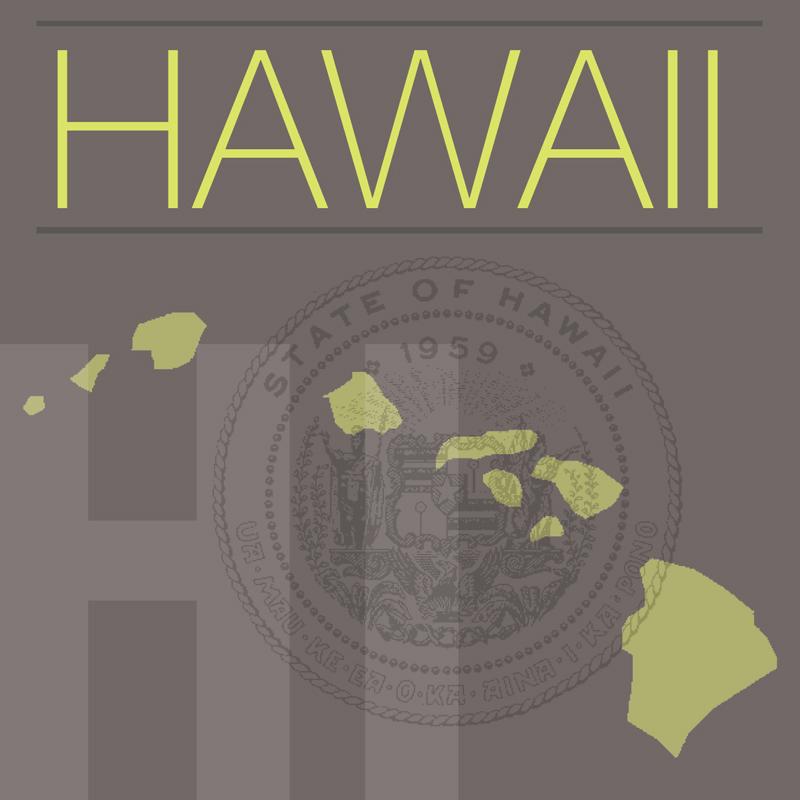
According to the Honolulu Star Advertiser, the Hawaiian island of Oahu has seen veteran homelessness decline in two important ways. There are far fewer vets without housing as of August than there were at the beginning of the year, and the rate of these individuals becoming newly homeless also fell. Those dual declines put Oahu in rare company, making it one of five regions vying to set a new standard for housing the veteran population. Nate French of nonprofit Community Solutions explained that a joint effort involving multiple agencies is responsible for the improvement.
"You have such deep engagement from the state and city and VA," French said, according to the news provider. "We don't see that in every community. You have all the right people at the table. … And it's not just token leadership."
The observed rate of homelessness on the island is down 44 percent in six months, based on periodic checks by local social workers. The Star Advertiser explained that at the beginning of the year, there were 329 vets known to be living without homes on the island. As of August, the number was 183. And with the average number of veterans losing their homes falling from 24 per month in January to 21.5 in August, it's clear that progress is being made.
French explained to the news provider that Oahu might soon reach "functional zero," which is when the number of vets receiving homes each month is equal to or greater than the amount still living without. He specified that Chicago, Tucson, Ariz., Jacksonville, Fla., and Riverside County, Calif., are the other top-performing regions.
New apartments in Philadelphia
The above example shows the results of cooperation between government groups, but what does a mass housing effort for vets really look like? A recent demonstration comes from Philadelphia, where the Philadelphia Housing Authority and a project called HELP USA have created many apartments for homeless veterans in a historic building that previously served as a school. According to the Philly Voice, there will be 37 units available.
The news provider added that Philadelphia, like Oahu, has drawn high praise for its ability to actively create housing units for those who need them. From 2013 through 2105, the city housed 1,390 homeless vets permanently. The new apartment building project provides a valuable use for real estate that was sitting vacant for decades waiting for the right developer to do something with it. Once finished, the new development will offer career counseling and health services in addition to safe, clean living spaces.
In the past few years, efforts on the part of state and federal lawmakers to help veterans in many walks of life have become more noticeable. Thanks to many returning from engagements in Iraq and Afghanistan, the issues former service members face when they get home have become a lot more pressing. With this reality in mind, many legislators now want to do more to help the cause.
The effort to get more assistance for veterans upon their return from service includes passing a new budget for the U.S. Department of Veterans Affairs, according to
Veterans organizations say movement on the initiative is vital to ensuring everything runs as smoothly for former service members as possible going forward.
"I cannot tell you how disappointed I am in the 114th Congress," VFW Commander Brian Duffy told lawmakers, according to the report. "Both the VA and the VFW have point-blank told Congress what the department needs to better serve veterans, yet it appears every funding bill is going to be tabled until after the November elections, which means another continuing resolution to temporarily fund the government that does little to strengthen national security or bolster the VA's programs and services for veterans."
Another push for more help
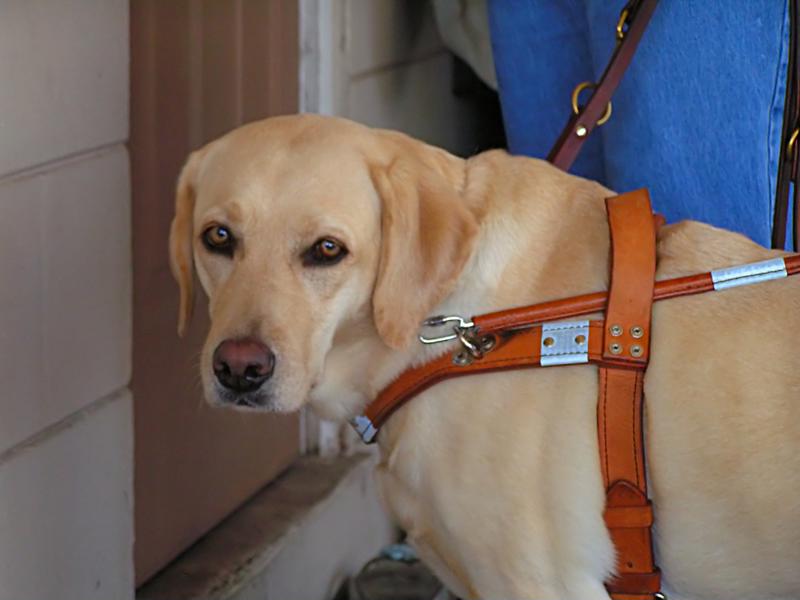
Meanwhile, another issue for veterans recently caught the attention of federal lawmakers and veterans' organizations, according to Dr. Robin Ganzert, president and CEO of the American Humane Association, writing for the political news site The Hill. A restaurant in Atlanta denied a veteran with post-traumatic stress disorder entrance because she wanted to bring in her service dog. This situation was partly due to the fact that there is no federal certification program for service dogs that help people with PTSD.
A recent meeting of leaders from a number of different industries attempted to shed light on this issue, the report said. A poll by American Humane found more than 1 in 3 workers at various types of businesses sometimes think animals brought into their businesses aren't legitimate service dogs, and nearly 3 in 5 said this perception is because the person didn't have any outward appearance of a disability.
Veterans with PTSD, or any other disability, face so many hurdles in their lives that adding more on top of those challenges doesn't seem fair. For this reason, there are plenty lawmakers can do at the state and federal levels to address those needs and make sure former service members face as little difficulty as possible.
A problem like post-traumatic stress disorder among veterans isn't going to vanish overnight. PTSD has been a scourge of military personnel since before it received its official name, and it's worth expending virtually any amount of resources to push back against it. Only a concerted effort from dedicated individuals and organizations both within and outside of the government can finally turn the tide on the mental health problems that are threatening the armed forces community.
First dedicated facility
It's now well known that PTSD, substance dependence and other mental afflictions are common dangers for those in dangerous and stressful occupations, including military and first responder roles. To combat these issues, a new facility called Warriors Heart has opened its doors in Bandera, Texas. Local news station KENS 5 recently highlighted the fact that the 543-acre treatment complex is the first of its kind to cater solely to the military and first responder communities.
"Founders have set up a private space where patients can bond and begin to overcome their afflictions."
The founders of the new facility told KENS 5 that they are interested in setting up a private space where patients can bond and begin to overcome their afflictions, removed from the pressure that comes with explaining to the world at large what they are going through. The news provider noted that programs at Warriors Heart are comprehensive, each lasting a minimum of 28 days.
"We do animal assisted therapy with dogs, we have a metal shop where the guys can go and pound metal. They make tomahawks through a foundation called Mission 22 or Elder Heart. They do a lot of intensive group work, individual therapy," Warriors Heart co-founder Lisa Lannon said.
Making sure these treatments are available to patients with limited means is an important step. KENS 5 explained that Warriors Heart has applied for Department of Veterans Affairs accreditation. That isn't the founders' only plan to give financial aid to prospective enrollees. There is currently a scholarship program, as well as a nonprofit that accepts donations. The organization is already serving patients but has plans for a grand opening ceremony in October. It also operates a crisis hotline that is active.
Medicinal trials underway
While organizations provide aid through treatment and therapy, drugmakers are also making progress on medicines that can have a real effect on PTSD symptoms. WNDU noted that TNX-102 SL is the latest drug to offer hope of relief. Marine veteran Mark Bratton explained that his time in the trial has seen his state of mind improve. His self-image has recovered from the depths it reached when his PTSD symptoms were at their worst.
According to WNDU, the process to get the new medicine on the market will take approximately three years. More trials are planned for next year, and researchers have high hopes they will prove as effective as the previous round. In the fight to help veterans survive their PTSD symptoms, doctors need a wide variety of options. Between medicines and therapies, they are gaining more potentially useful techniques every day. Tireless efforts to fight this health crisis are paying off.