
As the economy continues to improve nationwide, more companies look to hire well-trained workers who can help them for years to come. And one area where many such businesses now turn toward with greater frequency is veterans, who likely developed a lot of skills that are applicable to the working world during their time of service.
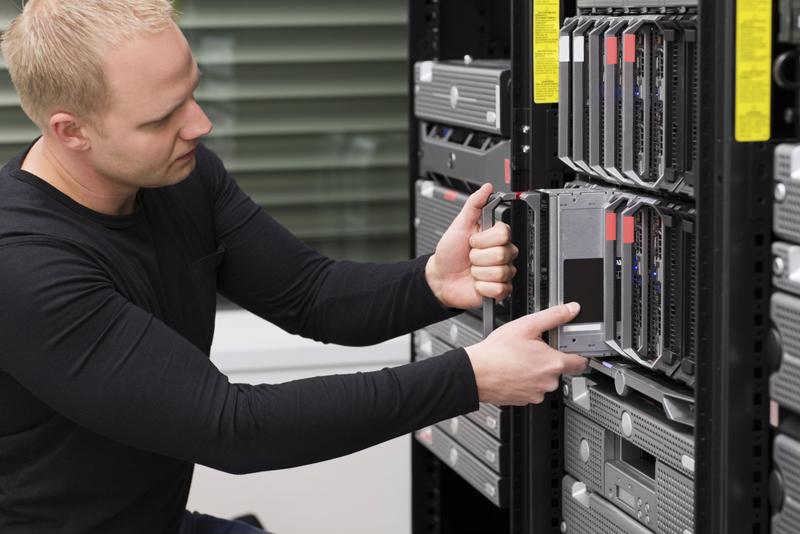
One industry in which this kind of hiring effort has become quite popular in the past few years is the tech sector, where companies are always on the lookout for highly talented employees, according to a report from TechCrunch. Veterans, especially those whose job during their service was to work with computers, can prove valuable assets to any tech company, but there is still some disconnect regarding how both sides of this equation work to fill each others' needs.
Working toward a solution
Organizations such as VetsinTech work to bridge the gap between tech companies and veterans who would make good job candidates, the report said. Some experts have noted companies sometimes tend to lean away from hiring veterans even if these individuals are qualified to do a job, and the tech sector is no different.
To that end, what VetsinTech does to organize job fairs, training classes, hackathons, and more can show both sides getting vets working for tech firms en masse is not only feasible, but also a good idea. And with as many as 1 million veterans coming into the workforce in the next five years, the organization is also dedicated to teaching veterans about the value of entrepreneurship so they can work for themselves if they want.
One major resource now gone
One recent news story came as a big worry to many vets trying to bolster their skills as they enter the workforce again, according to a report from Houston CBS affiliate KHOU. In early September, ITT Technical Institute, which has a long history of recruiting and training veterans, announced that it was shutting down effective immediately. That move left some 12,000 former service members in the lurch when it came to everything from tuition and housing benefits to something as simple as getting their course transcripts.
"There's nothing the VA can do, it needs Congressional action," U.S. Rep. Gene Green, who represents part of Houston, told the station. "A veteran shouldn't be punished for going to a school that has been in business and all of a sudden it didn't want to comply with the rules."
Problems related to finding steady, well-paying jobs are real for many veterans. As such, the sooner companies and organizations can get out in front of the veteran hiring trend, the better off all involved will be going forward. It's nearly impossible to overstate how important having a steady job is to keeping former service members happy and healthy in their lives.
Dealing with the stress and other serious ailments that can follow veterans home from active duty is one of the most important responsibilities we have as a society. Military members put their lives on the line to perform important tasks, and it's unacceptable to abandon them after their time in the service is done. Programs that can provide aid and comfort are numerous and take many surprising forms. Not all therapeutic measures have to be carried out in a clinical setting: Around the country, there are groups using art and performance as ways to help veterans get more out of life.
Ancient theater texts remain relevant
The New Yorker recently profiled Theater of War, a group that has been touring since 2008, using classic Greek drama to reach out to veterans, with a special emphasis on those dealing with post-traumatic stress disorder or other afflictions. Sophocles' tragedies, written millennia ago, hold a rare relevance for today's military members. Hundreds of shows have taken place, some for active duty personnel and others for veterans. Venues range from military bases around the world to a veteran-focused homeless shelter on Long Island.
"Vets find the courage to speak about the difficulties they have endured."
According to the magazine, discussions with the audiences after the performances have shown just how deeply individuals have been moved by the works. Vets find the courage to speak about the difficulties they have endured, even if the memories and emotions are hard to address. Actor David Strathairn recalled an instance in which an audience member handed the cast a note stating that seeing the performance had helped him deal with suicidal thoughts, literally saving his life.
Director Bryan Doerries, founder of Theater of War, explained he has many high-profile actors on call to read parts in the plays. They serve on a volunteer basis and include such Hollywood mainstays as Jesse Eisenberg, Frances McDormand, Martin Sheen and Paul Giamatti.
Art and music become transformative experiences
While simply engaging with art can have powerful therapeutic effects, there is something to be said for arts programs that seek to teach veterans to create their own works rather than audience members. The San Diego Union-Tribune recently spotlighted instruction events and classes designed with military members in mind. The Veterans Initiative in the Arts, a California Arts Council program, funds eight such projects. These range from Combat Arts, a Museum of Contemporary Art project that will create a mural in the San Diego community, to a music therapy session called Semper Sounds.
The connecting thread between the visual arts and music programs is that they allow individuals to get a hands-on link to creative work. Sometimes, this represents reclaiming a previous passion, such as when a Semper Sounds member who had suffered severe trauma sang again after years away and used the experience to rebuild her own sense of self-worth.
The concept of using visual art, music and theater as healing tools for veterans in need of attention has shown powerful results in many instances. The huge range of art forms available to such programs means that it's possible to start one anywhere and begin to make a difference.
Veterans groups and organizations help military personnel take care of their own. This is an important effort, ensuring that vets don't fall through the cracks and are taken care of after they leave the service. This kind of attention even continues when veterans pass away. In some cases, there wouldn't be a proper burial or honors without the actions of patriotic groups dedicated to acknowledging those who have gone before. Thankfully, such organizations exist. Their efforts cover a range of situations, and two examples can be found below. It's reassuring to know that those who have died are not forgotten.
Ensuring a proper burial
In Copperas Cove, Texas, Vietnam veteran and Purple Heart recipient James Cogan died in early September. Funerals can be expensive, and his family could not afford a burial. According to the Killeen Daily Herald, the resolution to the situation came from Eddie Bell, a Korean War veteran and the state president of a nonprofit group setting aside money to ensure former military members never go without a dignified burial. Scott's Funeral Home helped the organization by lowering the price of the service from approximately $10,000 to $3,500.
The newspaper reported that Bell's group, the Texas Korean War Veterans Association, operates a fund specifically for funeral expenses. Cogan's case is not the first in which the organization had to step in to pay for a service. When veterans service officer Willie Browning passed away, there was no way to pay for interment without the nonprofit taking action. Bell explained those interested in helping can donate to a local chapter of the Korean War Veterans Association.
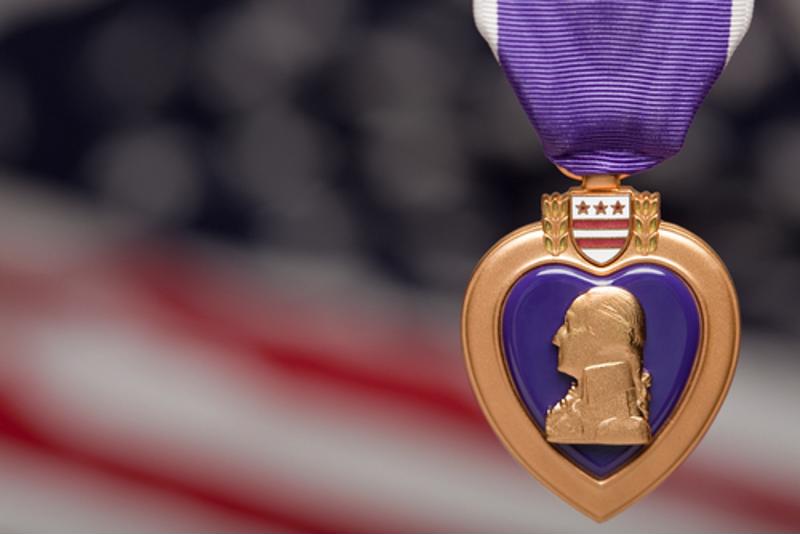 Two Purple Heart veterans recently received appropriate posthumous honors
Purple Heart recognition after 32 years
Another example of honoring a Purple Heart recipient comes from Natick, Massachusetts. In this case, Sgt. Donald Mackenzie's grave did not bear mention of the medals he earned, according to WPXI. The lack of a commemorative plaque first came to the attention of Jeff Campbell, Mackenzie's nephew. Now, working with the Natick Veterans Affairs office, mentions of Mackenzie's two Purple Hearts will be added to the headstone. Paul Carew of the VA stated that such recognition is deserved, but sometimes overlooked if people don't visit graves.
The news station reported that Campbell is especially eager to have his uncle's military service honored due to the extreme hardships he faced, both in combat and following his discharge. During wartime, he narrowly avoided capture in an engagement that killed many of his fellow servicemen. Upon his return home, Mackenzie suffered through homelessness and substance abuse.
Recognition goes on
When veterans pass away, their sacrifices and stories may be forgotten without the efforts of veterans groups and surviving family members. Those who ensure memories live on and honors are bestowed are doing a service to those who have gone before. Purple Heart recipients who have suffered in service of their country remain in these individuals' thoughts, which has led to the creation of lasting monuments for others to visit.
Organizations devoting time and funds to help veterans re-acclimate to civilian life are performing important roles, whether they originate in the public or private sectors. Many times, worthy efforts are created by alliances between government and business interests. A recent example of one such project comes from the National Park Foundation, the nonprofit arm of the National Park Service. This group has partnered with aerospace company Boeing to launch a multi-faceted initiative to connect military personnel with U.S. national parks, with staff members and volunteers working hard to keep these spaces looking their best.
Natural wonders restored to health
The National Park Foundation, in its announcement of the new initiative, stated that the launch took the form of a beautifying effort for a park with a proud military history. Fort Battery Ricketts Park near Washington, D.C., was constructed during the Civil War as a defensive fortification. Working with nonprofit The Mission Continues, more than 100 volunteers including veterans and Boeing personnel set to work renovating the park, which hasn't seen heavy use in recent years.
"The organizations hope to spread across the country, creating roles for veterans and inviting volunteer workers."
The cleanup in Fort Battery Ricketts Park is only the first of many projects planned by The Mission Continues and the National Park Service. The organizations hope to spread across the country, both creating roles for veterans and inviting volunteer workers in their continued efforts to beautify and maintain national parks and other protected and listed landmarks.
The program is especially aimed at younger veterans who have served in the years following the September 11 attacks. The 15th anniversary of that tragedy was intentionally chosen as the launch date for the project, with the upkeep of the park near Washington, D.C., carried out in honor of the military personnel who have spent the past decade and a half serving their country.
"I'm very proud that we have developed such a strong partnership with our veteran community. Veterans represent many of the ideals the National Park Service holds near and dear; serving our nation and preserving our country's resources," explained National Park Service Director Jonathan B. Jarvis.
A big year for national parks
The National Park Service is in the midst of its own push to get American citizens from all walks of life engaged in nature and interested in their country's preserved spaces. PRI columnist Jonathan Kealing recently described the efforts to reach out to younger people especially and get them more involved. This is the centennial year for the park system, founded in 1916 with the aim of protecting Yellowstone National Park. There are now 59 parks, and the organization's director, Jonathan Jarvis, told the author that the project is nothing without its contributors – the American taxpayers.
Efforts to connect with veterans could be beneficial for the park system and the military members themselves. Keeping natural wonders looking their best and engaging returning military members are equally important tasks. With 100 years in the books, the National Park Service can use the dedication and efforts of vets to keep itself strong.
Lending a hand to veterans facing hard times is a noble calling, and there are several ways organizations and individuals can contribute. Even a simple act such as donating to vets' causes can take a few different forms, some of which may go beyond the expected. Below are two examples of communities giving specific items to those in need to improve their living conditions. While the exact methods will vary from one place to another, the end goal remains the same: When veterans encounter difficulties upon their return from military service, these programs are there to make things a little better.
Appliance donations in Alabama
Having a new stove, refrigerator or microwave can be hugely helpful for someone in need. In Birmingham, Alabama, one American Legion post is helping local veterans obtain free appliances in an effort to materially improve their living conditions. Local news station WSFA reported that the Legion received hundreds of kitchen fixtures when a local apartment complex launched a remodeling project. The organization is now reaching out to vets who need new stoves, refrigerators and more, all for free.
The news provider explained that some of the appliances have gone to a veterans housing complex set up by the Priority Services Group. Currently, there are 30 units available to formerly homeless vets, and they have all received new kitchen equipment. Priority Services Group also offers employment training, and the group's Cedric Anderson hopes the military members housed in the development will be able to join the workforce.
"We are working with the junior colleges of the state of Alabama to make sure these guys are trained and then at that point we will bring in employers to come interview these guys and hire them right on the spot," Anderson told WSFA.
Quilts offered in Washington
Just as kitchen appliances can be helpful to those in need, warm blankets and quilts help make a home feel more comfortable. Upon hearing about a new housing development for homeless veterans in her area, Quilting Mayhem's Chelsey Weber decided to donate some of her handiwork, according to My Edmonds News. Weber organized several other quilters to join her effort and set to work creating 20 quilts, one for each formerly homeless vet living in the complex.
The quilts were created with materials purchased by Weber herself, and the whole effort of creating them took under a month, the news provider reported. Now the ex-military members at Sebastian Place will have handmade quilts in time for the cooler fall and winter weather.
Donations can take many forms
Companies and individuals can make a positive impact on an at-risk veteran's quality of living by making a timely donation. As shown by the above examples, there are many different ways to contribute, and choosing what to give will rely on gauging the needs of local vets as well as seeing what's available in the community. When the opportunity presents itself, taking action in this way can show gratitude for military members' service and let them know their town or city is behind them.
Ending veteran homelessness is a goal shared by government agencies at all levels, as well as privately run organizations. And while the task isn't easy, it's something that is being pursued more aggressively these days. One organization in Missouri recently received significant funding as it works toward that goal.
Springfield, Missouri-based Home At Last – run by a local shelter known as The Kitchen – received a $491,000 grant to help reduce veteran homelessness in its area by continuing a mission it has upheld for years, according to a report from Springfield television station KOLR. The organization first assists former service members in finding a home or apartment in the area, and then helps pay the bills until they can get on their feet and find a job that gives them a little more financial independence.
"Home At Last helps pay the bills until homeless vets can get on their feet."
A big help
Those who receive aid through Home At Last say something as simple as having access to a bathroom or basic utilities like a washer and dryer can go a long way toward helping them stabilize their lives, the report said. So far the organization has helped 384 veterans and boasts a success rate of as much as 85 percent.
"Some individuals might need just one or two months of assistance to get a place to live, find a job, get back on their feet," Randy McCoy, director of housing programs at The Kitchen, told the station. "Some people might need five, six, seven months of assistance."
A bigger issue
Of course, individual efforts to reduce veteran homelessness are great, but the fact is that organizations or government agencies undertaking that battle deal with some harsh realities, according to the Sioux City Journal. For example, when it comes to determining just how many homeless veterans are living in a given area, it can be a real struggle for local officials and experts.
One recent review of the problem in Iowa found it difficult to determine just how many homeless vets were living in the state, the report said. Part of that challenge came from a lack of trained counters. Also, it's just not always easy to find everyone in the course of such a survey. U.S. Rep. Dave Loebsack, a Democrat representing the Hawkeye State, said that while federal figures show only about 170 homeless veterans living in the state last January, he thinks the true number is higher. That's due in part to the fact that most of these counts are conducted in larger cities and exclude smaller towns and rural areas.
The good news is that significant headway has been made in getting homeless vets off the street regardless of lingering issues. While the U.S. as a whole hasn't met its goals for addressing this problem, some cities and even entire states say they have effectively ended veteran homelessness within their borders, and that's a trend that could continue for some time to come.
Programs that encourage students to speak with veterans about their memories of serving are valuable in several ways. Not only do the students learn about preserving information and conducting interviews, but the former service members also get to pass on stories that might otherwise remain untold. Often, vets keep their memories to themselves, but these stories hold lessons that should be preserved. For this reason, it's heartening to hear that many schools are interested in using this information as an assignment. Below are two recent examples of this lesson plan in action, with the interview subjects coming from different generations.
Younger veterans describe their experiences
Auburn High School in Alabama arranges interviews between eleventh-grade students and local military personnel, according to Opelika-Auburn News. The school submits the collected information to the Library of Congress' Veterans History Project to ensure the stories endure for others to rediscover. In the past, Vietnam War veterans were the main subjects of the program, but this year, it is focused on individuals who served in the Gulf War and subsequent conflicts. The past 25 years have seen many important moments for military personnel and preserving memories from those who were there is a helpful service.
Teacher Blake Busbin explained to the news provider that students may gain much-needed perspective from speaking to the military members. He noted that today's high schoolers have grown up in a time when American soldiers have been constantly involved in wars. Learning about their own era from the men and women who have seen it from the front lines of conflict may prove valuable. The high school is coordinating with Auburn University's veterans organizations to secure interview subjects from the college community.
Voices from World War II
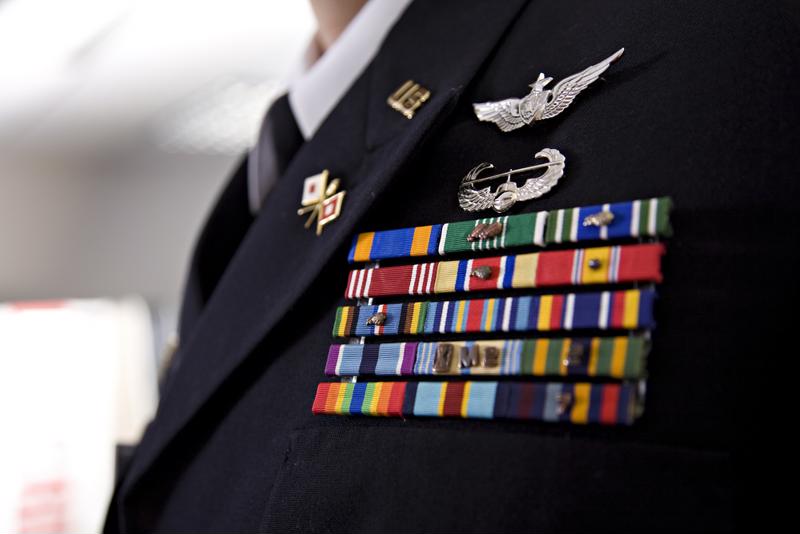
Meanwhile, Wisconsin news service Lake Country Now reported that Pewaukee High School students are speaking with veterans from a different historical era. Seven retired military members signed up to tell their stories, and more than half served in World War II. Like the Alabama interviews, the conversations will be submitted to the Library of Congress for archiving. Students prepared questions ahead of time and spoke with the vets during the summer break, with each session lasting more than half an hour.
The high schoolers received valuable experience from these interviews, with the personal stories of the subjects going beyond the overview of historical conflicts delivered by textbooks. Liana Jackson, a rising high school senior, told Lake Country Now that speaking with an individual who has experienced war is "more special" than learning about that conflict in a classroom setting.
Preserving memories, establishing bonds
By getting high school students involved in preserving veterans' stories and memories, these archival projects deliver value in several different ways. Keeping personalized narratives of the country's wartime history can help future generations learn, and the pupils conducting the interviews gain a new perspective to go along with their honed fact-gathering abilities. The effort to ensure vets' stories aren't forgotten is a helpful one wherever it goes, and its role as a program in schools adds a new twist to the formula.
Veterans assistance programs can come in many forms and from all different segments of the community. Local government, federal organizations, business owners and private citizens all have unique parts to play in making life a little better for military personnel after their return from the service. Often, helpful ideas come from alliances between the public and private sectors, with both sides bringing ideas and capabilities to the table. Small-business owners, nonprofit operators and local government members looking for ways to show appreciation for the vets in their community can look to the following examples for inspiration.
Discounts and benefits in North Carolina
Guildford County, North Carolina, has seen success with its Thank A Vet program over the past year, area news provider News & Record reported. This initiative was created by the county's Register of Deeds office. Veterans who process their release or discharge papers through the county receive an ID card that qualifies them for discounts and bonuses at a variety of local businesses. While registering, the vet can also sign up for Veterans Administration benefits, thus combining important long-term services with helpful everyday advantages.
Jeff Thigpen, the county employee who hatched the idea for the program, explained that it is a positive force people from all sides of the political spectrum can agree on. Nearly 300 local companies offer discounts based on the Thank A Vet ID cards, and 1,424 participants have signed up for the program thus far. The success of the initiative has made it a model for other communities – six more regions have joined since Thank A Vet began.
"Local business leaders can also have a positive effect through one-time donations."
Donations for a California nonprofit
While the above programs displayed the value of long-term alliances between small companies and government agencies, local business leaders can also have a positive effect through one-time donations to nonprofits. Your Central Valley recently highlighted A Combat Veteran's Hope, an organization designed to help service members transition back to civilian life. The nonprofit has received strong contributions from company owners to help it keep up with its mission.
The news provider reported that the latest donation to the group was $25,000 from HR Mobile Services and its CEO Kenneth Hernandez. A Combat Veteran's Hope has spent a year ensuring that veterans who return to civilian life don't become isolated or cut off from the outside world. They achieve the goal through hosting events such as golfing, fishing and softball games. The latest contribution will be paid over five years, providing periodic infusions of funds to keep the nonprofit operating.
The power of teamwork
When local companies and veterans groups get together, the results can be more positive than if the organizations tried to help separately. Giving money or services to programs designed to assist military personnel is a great way to show that a company is a responsible part of its community, and one that wants to show appreciation for vets' service and sacrifices. There's no one set way to create such an alliance and every town and city will have its own unique situation.
Sometimes, veterans returning from active duty require a little help re-integrating into civilian life. Groups that provide job and housing searches can step in and ensure a smooth transition away from the military routine. In other cases, problems persist, making more active intervention necessary.
When veterans struggle with heavy burdens such as addiction, physical disability or inability to find housing, a dedicated class of organizations can step in to provide assistance. These programs have taken root in cities and towns across the country, helping veterans facing the worst times of their lives rebound. Learning the stories behind such efforts can underscore why they are needed and what services they can provide.
California development sets good precedent
The Mather Veterans Village in Rancho Cordova, California, is designed to ensure that vets facing serious crises have a roof over their heads, CBS Sacramento reported. The residential units are funded by the city, Veterans Resource Centers of America and a nonprofit group called Mercy Housing. At present, 50 veterans live in the Mather Veterans Village. Some of the residents, including those dealing with physical disabilities, were homeless before finding places in the apartments.
Mercy Housing California's Doug Shoemaker explained to the news provider that Mather Veterans Village is just the beginning. The state of California intends to create more of these facilities, which consist of comfortable apartments instead of the bare-bones accommodations that can be found at homeless shelters. The village is an inspiring start, as it links veterans with therapy sessions, job training and medical help at a nearby VA hospital.
Private project creates veteran housing in Reno
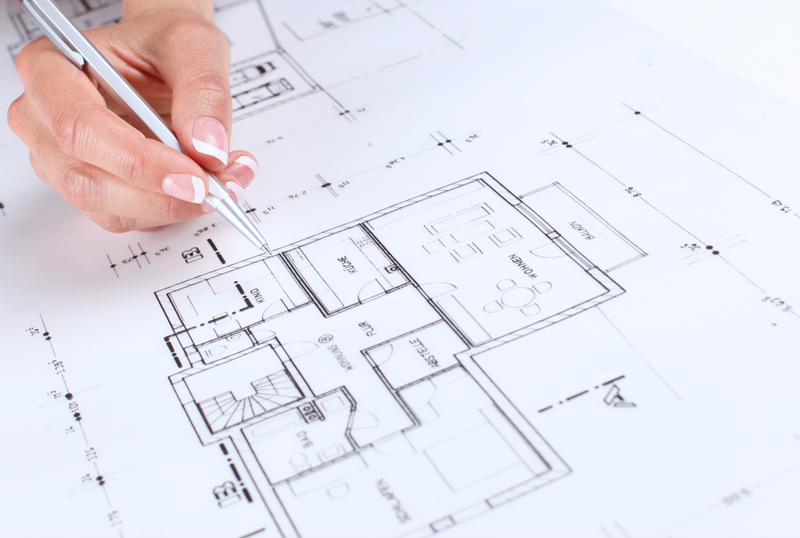
Affordable apartments for formerly homeless vets have also gone up in Reno, Nevada, according to the Reno Gazette-Journal. Instead of being driven by an official program, this development was funded by Mountain Group Property Development's Dr. Murray Rosenthal. The company converted what was previously an uninhabitable motel into 20 single-occupant apartments. They are available to homeless veterans through the U.S. Department of Housing and Urban Development – VA Supportive Housing voucher system. Vets can receive rooms whether they need temporary accommodation or a place to live permanently.
When Rosenthal converted the units into apartments, he also turned a room into a center where veterans can receive health care advice, the news provider reported. The room is a full-time community gathering place in addition to its medical role. Rosenthal is also looking into adding other VA services, such as job counseling sessions to help tenants re-enter the workforce.
Help when it's needed
Providing places to stay for veterans who have fallen on desperate times is an important and noble undertaking, whether the project in question is led by public or private forces. A tragically high number of individuals struggle with homelessness after returning from serving their country. Communities that have resources to get these veterans back on their feet help to ensure that they are not forgotten. Housing developments provide their residents with the second chances they need to settle back into their lives and leave their darkest times behind.
When a veteran returns home from active military service, several important elements need to fall into place to ensure a smooth transition back into civilian life. Health care for both physical and mental ailments is a must. Next, the veteran needs housing. After those considerations are squared away, it's time to either enter the workforce or return to academia for further education. Higher learning can play an important part in helping military personnel improve their lives, which is why programs that help connect vets with schools are in such high demand. Today, there are many organizations all over the country lending a hand in their communities.
Connecting vets with benefits in Jacksonville
Alabama news station ABC 33/40 recently focused on efforts by Jacksonville State University staff to make sure veterans in the area know how to access the education benefits they receive upon leaving the service. The college will soon sport a new veterans center on campus. JSU Director of Veteran Services Justin Parker explained that the school takes its role in vets' lives seriously – it can be the driving force that helps them rejoin the civilian population.
The GI Bill is in place to help pay for higher education, but since its benefits aren't universally known, projects such as JSU's have an important role to play. Congressman Mike Rogers told the news provider that a lack of clarity on education options is one of biggest hurdles keeping veterans from re-entering civilian life successfully.
"It was disappointing to learn that as part of their exit interviews and their exit process that they aren't given more in depth knowledge about all the opportunities that are there as far as assistance," Rogers added.
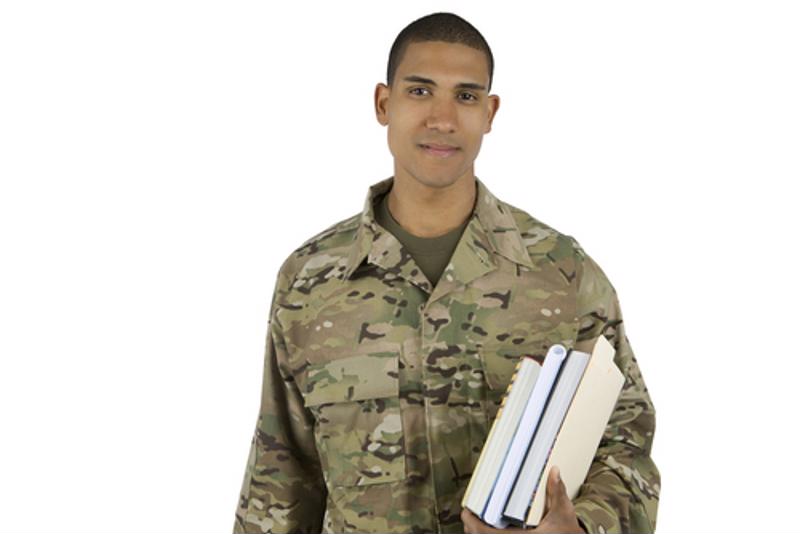
JSU appears to be an appropriate place for veterans outreach: The university had approximately 430 students using VA benefits as of the Spring 2016 semester. The opening of the new center will help this group, as well as the next wave of vets who may be considering school but are unsure what benefits they qualify for. Parker explained to ABC 33/40 that he sees JSU becoming an even greater part of the local community once it has more resources for military outreach.
Standing up for the GI Bill
Of course, benefits due to veterans could change. It depends on what happens to the GI Bill itself. According to Military Times, the organization Iraq and Afghanistan Veterans of America is attempting to ensure that lawmakers stop any cuts to this legislation. The group's campaign is a reaction to worries that the bill may be dismantled due to the fact that the Iraq and Afghanistan wars are no longer as prominent in the public consciousness.
The news provider noted that the House of Representatives passed legislation to halve the GI Bill housing allowance. The measure is up for evaluation in the Senate and, despite promises that some of the money saved with the cut will go to scholarships for children who have lost a military parent, leaders of IAVA are worried about the serious effect housing funding reductions could have on vets. With around $12 billion going to the bill this year, this is likely not the last attempt by lawmakers to cut parts of it.