
Immense progress has been made in veteran services and support, especially when it comes to helping retired service members recover from the physical, emotional and mental toll of combat, in the past decade. One of the reasons why so much improvement and diversification have occurred is the more creative approaches to treatment that have arisen in that time, with more emphasis being placed on customization of regimens and strategies for each veteran.
"Athletics are a growing trend in veteran treatment."
One of the umbrella trends in this movement revolves around athletics, with smaller groups working to incorporate engaging physical activities to get veterans on the right track toward recovery. Two such instances of this have been seen in Missouri and Illinois of late.
Recreational recoveries
The Southern recently reported that the Marion Veterans Affairs Medical Center has developed and launched therapy plans that allow veterans to choose from various recreational activities to improve their overall experiences with treatment. Again, this is not necessarily a one-of-a-kind project, but is certainly one that has begun to grow nicely in St. Louis, Missouri, where that VA medical center is located.
According to the news provider, the strategy is specifically targeted at veterans who suffered spinal cord injuries during the time they served the military, as this group needs approaches to treatment that will get them moving. The source listed some of the activities, including scuba diving, wheelchair lacrosse and bocce ball, with adaptive sports equipment that can be used by injured veterans made available by certain groups.
Later, The Southern went on to cite the comments of Paralyzed Veterans of America National Vice President Hack Albertson regarding the importance of being mobile:
"Getting out here is a chance to give them their dignity back," Albertson told the news provider. "If you are in your house and don't get out, you are going to become more unhealthy…and you are depressed. That is what these does – it keeps bad things from happening."
Another activity being offered through this program is fishing, which is the sport that one group in Illinois has narrowed in on in efforts to help veterans recover.
Angling the treatment
The St. Louis Post-Dispatch recently reported that two Army veterans, Nicholas Harding and Daniel Kennedy, in Decatur, Illinois, are a part of an organization called #22KILL that seeks to assist veterans who are suffering from post-traumatic stress disorder. According to the source, Harding and Kennedy are skilled anglers – a style of fishing – and work to identify veterans who are struggling with emotional and mental hardships, then helping them to heal through fishing.
"Volunteer boaters are paired with a veteran, and they take them out to fish for either catfish, bass or crappie," Harding told the St. Louis Post-Dispatch. "It's an entire weekend, and the organizers raise all kinds of money to pay for it, and we don't pay a dime for room, board, food or nothing. They really take care of us vets."
The news provider pointed out that this group gave itself this name in recognition of the VA report on veteran suicide and depression rates released several years ago.
These days, millions of Americans use Wi-Fi in their homes, making it easy to use a device to get online from just about anywhere on their property. However, many may not know the potential risks that having an unsecured network can present to them and their families. As such, brushing up on a few of the most basic steps to ensure a network – and by extension, all the devices that connect to it – is as safe as possible may be a critical step for anyone.
The first and most obvious thing a person should do with his or her home Wi-Fi network is to protect it with a password. And in much the same way security experts advise that people should go out of their way to create long, complicated passwords for email accounts, mobile banking, and the like, the same principle applies to creating login details for a network. Passwords here should be long – at least 10 characters – and include a mix of numbers, letters, and symbols.
Moreover, they should be as random as possible to ensure that even if someone is trying to hack in by guessing the password (an admittedly rare occurrence for most people) they're going to find it next to impossible to do so. That means no family birth dates, pet names, or other common personal touchstones, should be included in the password.

Other steps to take
Along similar lines, those who set up their personal home networks will also want to be careful to change factory-default settings, according to a report from CNET. Most wireless routers are going to come with standard information – such as IP address, in addition to passwords and network names – that should be changed as soon as possible. That's because the more a potential hacker knows about the network (and a lot of it can be guessed based upon details like who made the router or what model it is), the more likely they are to be able to gain access to it. That, in turn, makes it very important to change everything about how the router communicates with the wider world and the devices using it, even if it's just by a little bit.
One last thing
In addition, many companies that make routers routinely update the firmware those devices use, and consumers should regularly check for updates on that front, the report said. Often, routers ship to stores with the most up-to-date firmware available, but by the time a person buys it, that might not be the latest version. Likewise, those who have had their routers for a while may not realize that the firmware for their networks may be years old at that point. Consequently, regularly checking to get the latest version can add yet another layer of security for a home network.
The more people do to check for the latest and best ways to keep all their devices secure from hacking, viruses, malware, and other online threats, the better off they're going to be when it comes to protecting critical data on an ongoing basis.
The public and private sectors – along with myriad advocacy groups – have scaled up efforts to support veterans who are looking to start a business throughout the past several years. Thanks to their inherent leadership skills and plenty of other strengths acquired in the military, veterans have been known to make exceptional managers, executives and entrepreneurs. With the economy running strong, now is a great time for veterans to step into business ownership.
"Resources are abundant for veteran entrepreneurs."
Resources span from specialized loan programs from the U.S. Small Business Administration and other groups – including private banks – to support and guidance from governmental agencies and advocacy organizations. As one of the more important aspects of succeeding in the enterprise is a sound understanding of business, degree programs are also expanding for the veteran entrepreneur community.
Unique education
Southern California Public Radio recently reported that the University of Southern California has crafted a business degree program in such a way that specifically seeks to educate veterans, titled the Master of Business for Veterans. According to the news provider, roughly 140 service members have completed the program in the four years since its inception, and many have been especially happy with the lessons related to re-acclimation.
"We could be sitting around the table in a project group in the civilian world where there's nobody in charge – everybody is of equal status," Army veteran James Bogle told the source. "And you now have to figure out how to get the job done when there's nobody directing. Among the most important factors of your success in the civilian world are whether or not the people you work with like you. And that's simply not a factor in the military."
Interestingly, SCPR noted that about 20 percent of the veterans who have completed the degree went on to launch businesses of their own, showing just how effective the program is in leading service members toward entrepreneurship.

More opportunities
Military Times reported that one nonprofit, Bunker Labs, is touring the nation in efforts to give veterans an opportunity to pitch their small business ideas between this summer and next spring. The tour will be stopping in Tennessee, Missouri, North Carolina, Wisconsin, Texas, Pennsylvania, Florida, the District of Columbia, Washington state and California over the next 10 months, while investors will be present to hear the entrepreneurial ideas of veterans in attendance.
The news provider noted that the chief executive officer of Bunker Labs, Navy veteran Todd Connor, is confident that this tour will have a positive impact on veterans who are looking to launch a business.
"Entrepreneurship is not a single-player sport," Connor told Military Times. "You need people, you need community, you need friends, you need customers, you need employees. Organizations like Bunker Labs pull together community and give them a place to show up both online and in person."
Veterans should take these opportunities to launch their business careers whenever they get the chance.
Gun violence has become one of the greatest challenges facing the United States, acting as a stark, polarizing topic of contention and true threat to innocent civilians in every state and community. With the deadliest mass shooting in the history of the United States taking place earlier this month, more groups are beginning to speak out against the nation's current set of laws and regulations that govern the sale of weapons, most notably assault rifles like the one used in Orlando.
"Service members are advocating gun reforms."
The Los Angeles Times reported that the attacks in Newtown, Connecticut, and Blacksburg, Virginia, marked the third and second largest mass shootings in history, respectively, taking place within the past 10 years alone. With more public outcry for reforms and a variety of organizations mobilizing to force the issue on Capitol Hill, service members – both active and retired – are also scaling up their efforts to catalyze change in legislation.
Military steps up
The Christian Science Monitor recently reported that the Veterans Coalition for Common Sense, which was launched just two days before the mass shooting in Orlando, is working to advocate for reforms in the federal government. According to the news provider, the group was formed by some of the more decorated veterans living today, including former commander of U.S. forces in Afghanistan General Stanley McChrystal, Admiral Eric Olson, who achieved the first four-star rank for a Navy SEAL, and the former Director of the Central Intelligence Agency General David Petraeus.
The group seeks to encourage common-sense legislation regarding gun sales and relevant background checks in hopes of stifling the current cycle of regular killings, which resulted in the deaths of roughly 33,000 civilians in 2015 alone, the source affirmed. The biggest qualm from the group appears to be against the National Rifle Association.
"Policymakers should know that they're not alone when they stand up to the NRA – they'll have all of us behind them," U.S. Navy veteran and coalition advisory committee member Shawn VanDiver told the Christian Science Monitor. "My name might not carry much weight, but Gen. Petraeus, Gen. McChrystal, they do."
The news provider also cited research from the Global Strategy Group that found 91 percent of veterans support mandatory background checks and nearly 60 percent would approve of a complete ban on assault weapons.

Veterans are invaluable leaders
This is far from the first time veterans have stepped up to protect civilians far from the battlefield, right here at home. Groups formed by and comprising active and retired service members have been fighting for a range of causes throughout the past several decades. One, Veterans For Peace, took part in a demonstration to support two other organizations and protest New York Governor Andrew Cuomo's June 5 executive order that has been widely received as an attack on First Amendment rights.
With continued support from the military, advocacy groups will remain active in fighting for the rights of American civilians.
People probably hear about issues like cybersecurity and hacking all the time, but it's often one of those things that gets ignored, or at least categorized as something that "can't happen to me." But the truth of the matter is that there are so many cyber threats out there that even if hackers aren't targeting any individual specifically, random people still run the risk of having their computers, networks, and devices affected by these issues.
As a result, there's probably a lot the average person needs to know about cybersecurity in general, but doesn't, according to a report from the consumer financial advice site Bankrate. The first and most important issue in this regard – especially for people who bring laptops out of their homes on a regular basis – is that they should password-protect their phones, computers, and networks. The best passwords tend to be long and random, and incorporate letters, numbers, and symbols. Having that as a first line of defense if a device is lost or stolen – or even if a hacker tries to gain access – could be hugely beneficial.
Likewise, people who take their laptops out of the house and connect them to public Wi-Fi networks should be extremely cautious about doing so, the report said. If an average user can connect to a network, so can a hacker, and at that point the cybercriminal can monitor all the transmissions on that network. As such, people should never use these connections to send sensitive data including personally identifying or financial information.

Take other precautions
In addition, many people may find themselves annoyed by pop-ups on their computers asking them to click links, but they shouldn't be encountering these intrusions, the report said. That's why things like firewalls, anti-virus programs, and malware scanners can go a long way toward ensuring that people's devices, their personal networks, and most importantly their files and sensitive data have additional layers of security between them and the outside world.
Another issue
Of course, all these things prevent hackers from actively gaining access to a system, but what about passive threats? After all, many consumers have their personal information stolen because they inadvertently download attack programs, rather than someone actually going to the trouble of hacking their systems, the report said. As such, it's vital that people know what to look for when they download things or visit certain sites.
However, it's not always easy to identify these threats unless people know what they're looking for, the report said. For instance, loved ones whose systems were infected may seem to send emails with attachments that appear to be photos or other non-threatening files, but are actually viruses or malware. If things don't seem like they're on the up-and-up, it's better to be safe than sorry, and just avoid them.
In general, the more that can be done to follow common-sense steps for even basic precautions, the better. The best practice when it comes to keeping a device or network safe is to be vigilant and carefully consider security on an ongoing basis.
The U.S. Department of Veterans Affairs has gone through a range of changes in the past few years, largely driven by public outcry for improvements to the ways in which the agency serves the military community. Wait times have been drastically reduced, while the VA has also appeared to focus on becoming a bit more transparent to gain the trust of civilians and service members alike. However, there is still plenty of work to be done should the department hope to reach optimal performance across the board.
Two stories broke this week regarding the VA – one that was somewhat troublesome, and the other being a sign of good things to come.
"TBI examinations at the VA did not align with federal guidelines."
TBI examinations under fire
ABC News reported that the VA disclosed that it had sanctioned traumatic brain injury examinations that were not aligned with federal guidelines, specifically in terms of the individuals who were in charge of conducting the tests. According to the news provider, as many as 25,000 veterans will likely have to go through additional screening and new exams because their original tests had been overseen by medical professionals who were not qualified.
The source discovered this following the receipt of a letter the VA sent to the 25,000 veterans who were impacted by the mistake. The VA has been scrambling to get a handle on this issue, and advocacy groups have already put forth their frustrations with the department.
"We're really disappointed that the VA conducted all these examinations using non-certified physicians or health care professionals to examine veterans who claimed TBI," Veterans of Foreign Wars' Jerry Manar explained in an interview with ABC News. "On the other hand, we're glad that the VA is finally responding and is voluntarily undertaking this review that should be helpful to most, if not all affected veterans."
Still, representatives in Washington have expressed their trust in the VA's Secretary Robert McDonald.

Reforms to come
Military Times reported that the VA is weighing a piece of legislation that would essentially designate the department's medical facilities as nonprofits, which is a move that is believed to be positive for the veteran community. The news provider argued that this reform, should it pass, would help grant veterans access to private medical care, which would be a first for the department and the military community.
The lawmaker who proposed the reform, Representative Cathy McMorris Rogers of Washington state, noted that this is a necessary reform given the current stature of the VA.
"With the never-ending wait times and the VA Secretary doubling down on his comparison to Disney, the time has long passed for the VA to make the necessary changes to ensure that our veterans are treated effectively, seen efficiently and cared for with respect," she told Military Times.
At the end of the day, private and public sector collaboration will almost certainly have a positive impact on the VA and the veterans it serves, and this reform is another step in the right direction.
Millions of veterans nationwide struggle with both the physical and mental scars that can come with service, and as such people are always on the lookout for ways to help. And now, thanks to a new bill being advanced in the U.S. Senate, that could include at least testing the benefits of medical marijuana when it comes to treating post-traumatic stress disorder.
U.S. Sens. Kirsten Gillibrand, Cory Booker, and Barbara Boxer – Democrats representing New York, New Jersey, and California, respectively – recently introduced a measure that could be attached to the National Defense Authorization Act, according to a report from Marijuana.com. Specifically, the measure – if adopted – would only require the VA to report to Congress within six months as to any studies related to the effects of cannabis in treating PTSD that it may have conducted during that time. If there is no study, conducted, the VA would have to report why it did not take that step.
Part of a bigger trend
And while this idea may sound controversial to some, lawmakers and average Americans alike seem to have adopted a stance that could be described as an "anything to help veterans" kind of philosophy, the report said. Both the U.S. House of Representatives and Senate recently approved bills that would allow doctors at the VA to recommend medical marijuana use to vets with PTSD in the states where the drug has already been legalized.
Furthermore, the House and Senate overwhelmingly approved a bill last month that would stop the VA from spending money to prevent doctors from making this recommendation, the report said. On the other side of the coin, though, the House Rules Committee recently blocked two bills that would have increased marijuana research from the federal government.
What do the people want?
Interestingly, though, 87 percent of Americans believe doctors should be able to prescribe marijuana in pill form to veterans with PTSD, according to a recent Quinnipiac University Poll. Only 9 percent opposed such a move.
And among households with at least one veteran or active duty military member, the support was split 82 percent for and only 13 percent against, the report said. Furthermore, people of every demographic breakdown – regardless of age group, gender, party affiliation, and race – supported such a change at least 79 percent of the time.
"If you serve your country and suffer for it, you deserve every health remedy available, including medical marijuana in pill form," said Tim Malloy, assistant director of the Quinnipiac University Poll. "That is the full-throated recommendation of Americans across the demographic spectrum, including voters in military households."
Certainly, just about anything that can be done to help veterans in their everyday lives is something that the vast majority of Americans would support. This is a big reason why many organizations exist to assist veterans in a number of ways, ranging from helping them cope with medical issues to giving them a hand financially whenever they need it.
Operation Stand Down has been helping veterans across the country with social services ranging from housing assistance and clothing to medical support and food. Certain states and cities have their own Operation Stand Down offerings to veterans, and all focus on the re-acclimation of veterans to civilian life and giving them everything they need to complete this process comfortably, safely and efficiently. The biggest initiatives from the organization involve homeless veterans, and it has made a big difference over the years.
"Operation Stand Down assists veterans with a range of services."
Most state- and city-run divisions of Operation Stand Down will host events that take place over the course of one to three days, inviting veterans to attend and get access to the support and services they need on the spot. The one in Tennessee has been especially vital in helping veterans re-integrate following their discharge from the military.
One coordinator's quest
The Leaf Chronicle recently interviewed Willie Celestine, a young Army veteran who has gotten involved with the Clarksville, Tennessee Operation Stand Down as an outreach specialist, beginning with the office at its inception during the first month of 2015. According to the news provider, Celestine has worked to apply his own lessons from re-acclimating to civilian life to his duties as an outreach specialist for Operation Stand Down. Celestine spoke to some of the reasons why the office is so important to the veteran community in the area.
"There is a great need for us," Celestine told The Leaf Chronicle. "Since we've been here, we've housed many homeless veterans and their families. We've been able to help several unemployed veterans find jobs, help veterans file for their compensation and disability and referred many to our legal services."
The source pointed out that Celestine is specifically involved in raising awareness regarding the group's various social services available to veterans, and finding those in need. He also stated that the Clarksville operation has been highly effective when compared to other areas.
"I think Clarksville is a very veteran-orientated community overall," Celestine added to the news provider. "One of the things that we do enjoy is through the Veterans Coalition is a lot of interacting between the agencies to make sure the veterans are taken care of. As a community, I think we're on point there."
Suffice it to say that Operation Stand Down can have a massively positive impact on an entire community, including the veterans and civilians who are living in it.
Tennessee leads
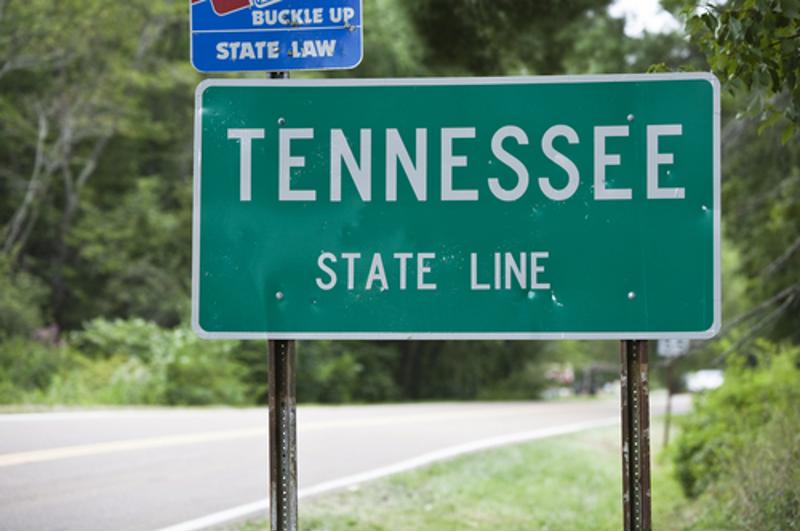
Operation Stand Down Tennessee has been around for more than 23 years, making it one of the earlier ones to sprout up in the country. Veterans in that state can access its services through the Operation Stand Down Tennessee website, while it offers employment training, transitional housing programs, Stand Downs and more to its local service member community.
Veterans can likely find an Operation Stand Down in their state with similar services, and should remember to seek these out given their extreme value in re-acclimating to civilian life.
Public figures who use their elevated platform to raise awareness can be powerful forces for those in need of help. Veterans have long been supported by a range of public figures, particularly celebrities from the film and music industries. From generating higher volumes of donations to starting their own nonprofit organizations that assist veterans in a specific fashion, celebrities are helping to get the word out about the need for more veteran support.
This month, a winner of a major beauty pageant chose to use her platform to raise awareness regarding the needs of veterans who are suffering from post-traumatic stress disorder.
First of her kind
Army Times recently reported that Deshauna Barber, an Army officer who won the 2016 Miss USA event, set her sights on veteran assistance in her performance on stage. For example, the source pointed out that Barber, who is the first military members to be crowned as the winner for this competition, had a particularly poignant response to a question regarding the place of women in the military, specifically when in combative situations.
"As a woman in the United States Army, I think … we are just as tough as men," she said, according to Army Times. "As a commander of my unit, I'm powerful, I am dedicated. Gender does not limit us in the United States."
The news provider stated that Barber is now planning to take a couple of years off from the Army Reserves should she go on to win the Miss Universe contest later this year. She will be the first American military member to compete in that event. Army Times also noted that she mentioned the extreme flexibility the Army Reserves offers to its service members, and that it has allowed her to be active about twice a month more recently.

A smaller scale, but big impact
Food manufacturer Eckrich and nonprofit Operation Homefront recently announced that they had tapped the skills of celebrity grill master Moe Cason to put on a special event called "Grilling for a Cure" in Arkansas. The celebration worked to recognize and honor one family in the state, and led to a donation of roughly $5,000 in free groceries for them by the end, with Cason doing the cooking. Cason, a veteran himself, spoke to what the event meant to him:
"What Eckrich did was wonderful. I'm glad to be a part of it," said Cason. "I was in the military myself, so I know the trials and tribulations of being in the service."
The patriarch of the family, Roger Lobato, was an Army Specialist who contracted cystic fibrosis. The "Grilling for a Cure" event itself is meant to generate donations to the Cystic Fibrosis Foundation.
"We really value what Eckrich is doing," Lobato explained. "We need people looking after our service members, so when I see a company like Eckrich doing that, it means the world to me."
Whether performed by a big or lesser known celebrity, any work to raise awareness and support veterans is healthy for the community.
Millions of Americans use Wi-Fi internet connections on a daily basis, and rarely encounter problems with them. However, depending upon where and how they use those hotspots, they may be putting themselves at significant risk of hacking attacks, identity theft, and the like. As a consequence, it's important for people to remember the best security practices for using Wi-Fi both in their homes and in public, because even knowing the basics can be incredibly helpful.
The area where consumers face the biggest threat on Wi-Fi is when they use it in public, at places like coffee shops, restaurants, shopping centers, and so on, according to a report from Investor's Business Daily. That's because if one person can use them, anyone in the area can, including people who plan to hack those networks. And because so many people connect not only laptops, but also smartphones and other devices to these networks, that may put them at significant risk for being targeted.
"When you join a Wi-Fi network, and I can join that same network, I know that I can attack your computer," Josh Wright, a Providence, Rhode Island-based security consultant, told the site. "And the Wi-Fi hot spot provider, whether it's a coffee shop or whatever, really has no interest in providing additional security for you because that's an added cost for them."

What can be done?
The smartest thing people can do with respect to staying safe on public Wi-Fi networks is to not use them, but sometimes this is unavoidable, the report said. For that reason, it's also smart for anyone connecting to such a network to make sure they have up-to-date virus protection and firewall software that can help them detect any efforts to gain control of his or her system or the files contained on it.
Another important issue to keep in mind here is that not joining a Wi-Fi network on a smartphone is actually the most secure thing that can be done, because these devices have unique one-to-one connections with the service provider and their transmissions cannot be intercepted in nearly all cases. As such, when there is a need to transmit sensitive data, including credit card or bank account details, private personal information, and so on, using these devices without Wi-Fi is often a smart way to go.
What about at home?
Meanwhile, it's important for people to make sure the Wi-Fi networks they use at home are secure as well. In much the same way unprotected public connections can allow hackers access to people's computers, home networks can fall into the same category as long as any potential attackers happen to be in the area. Consequently, home computers should also have anti-virus and firewall programs installed, and passwords for home Wi-Fi networks should follow industry standard guidelines.
The best passwords are those that are long, and which incorporate a series of numbers, letters, and symbols. It's often even wiser to make those passwords totally random, and change them on a regular basis. By doing so, consumers can make sure all their most important information is kept as secure as possible.