
One in five veterans living today served on active duty following the 9/11 attacks. New data from the Pew Research Center demonstrates how their experiences differ from earlier generations of armed servicemembers.
"The American Veteran Experience and the Post-9/11 Generation" summarizes the results of a 2019 Pew survey. Respondents included nearly 800 veterans whose military service was completed before the attacks on Sept. 11, 2001 and nearly 500 vets who began serving afterward.
Among the key findings is the fact that younger veterans struggle more during the transition from active duty to civilian life.
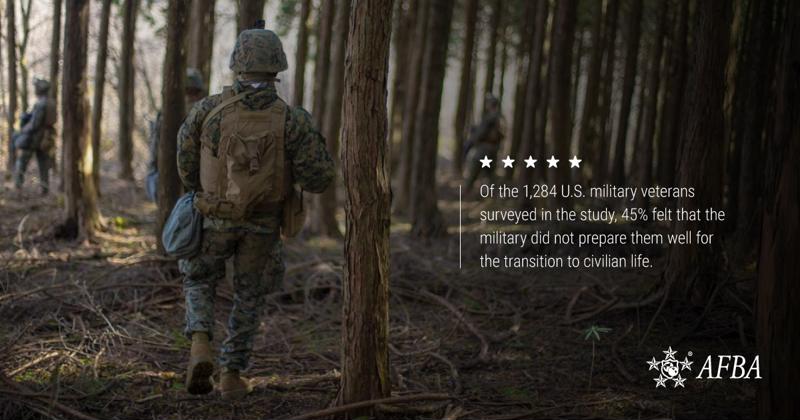
The transition from active duty to civilian life
Of the 1,284 U.S. military veterans surveyed in the study, 45% felt that the military did not prepare them well for the transition to civilian life.
However, nearly half of post-9/11 veterans reported that the transition to civilian life was challenging, with 16% describing it as very difficult and a third describing it as somewhat difficult.
This stands in contrast to the relatively smooth transition experienced by pre-9/11 veterans: 78% considered the transition somewhat or very easy. Only 4% described it as being very difficult.
Civilian work-life challenges
In the first months and years following reentry into civilian life, veterans struggled with:
- Paying bills.
- Finding employment.
- Obtaining medical care.
- Alcohol or substance abuse.
- Emotional distance from friends and family.
- A lack of structure in civilian life.
The study found that about two in five post-9/11 veterans believed they were overqualified for their first post-military civilian job, although the majority stayed for at least one year. However, more than two-thirds reported that their deployment had a positive financial impact compared to the majority of pre-9/11 vets who felt it had no impact.
The older generation was more likely to feel pride in their service and optimism about their future, while the younger generation was more likely to find government assistance levels inadequate.
Mental and emotional health consequences
The post-9/11 generation was more likely to have experienced emotionally distressing or traumatic experiences and post-traumatic stress as a result of deployment.
The Pew study concluded that post-9/11 combat veterans, in particular, were the most likely to have experienced emotional trauma and were, therefore, more likely to struggle generally. The research revealed that 57% of all combat veterans had witnessed someone they served alongside be killed or seriously injured.
Because twice as many veterans saw combat in the post-9/11 era, twice as many came away with the emotional scars of those experiences. Of post-9/11 veterans, 42% reported that their service had negative mental health consequences, compared to only 17% of pre-9/11 veterans who felt similarly.
However, the post-9/11 generation was more likely to seek out help for emotional issues (35% compared to just 10% of pre-9/11 veterans).
Higher likelihood of serving in a combat zone
The difference between the experiences cited by both generations, according to Pew researchers, was the greater likelihood of serving in a combat zone. Post-9/11 veterans were far more likely to have experienced at least one deployment and were twice as likely to be combat veterans.
Over three-quarters of post-9/11 vets were deployed at least once, with 10% having been deployed eight or more times. Additionally, about half of post-9/11 vets experienced combat; less than a quarter of pre-9/11 vets did.
And yet, despite experiencing a more difficult transition from active duty to civilian life, roughly four in five post-9/11 veterans said that they would still encourage a young person to enlist.
The complete results of the study are available on the Pew Research Center's website.
During the holiday season, families around the U.S. remember loved ones serving on active duty as well as those who have made the ultimate sacrifice. National Wreaths Across America Day gives communities around the nation the opportunity to gather in fellowship in remembrance of our fallen heroes.
Wreaths Across America
Through the nonprofit organization Wreaths Across America (WAA), volunteers and community members gather together to lay holiday wreaths on the graves of U.S. veterans. This nationwide event is part of WAA's mission to remember fallen veterans, honor those who serve in the armed forces and teach the next generation about the value and price of freedom.
The commemorative day has taken place on the second or third Saturday of December since 1992. Following a week-long escort down the East Coast, National Wreaths Across America Day is being recognized on Dec. 14, 2019 this year.
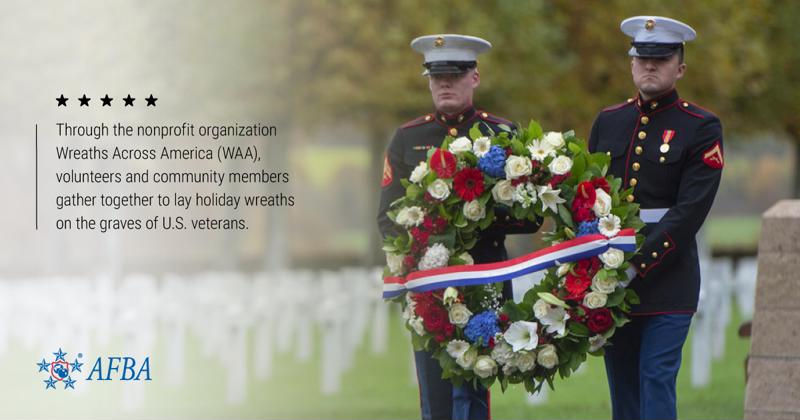
The escort, which began in Maine on Dec. 7, will pass through Massachusetts, Connecticut, New Jersey, Delaware, Maryland and Washington D.C. before concluding at Arlington National Cemetery in Virginia on Dec. 14. Led by Mona Gunn, the national president of American Gold Star Mothers, the escort will host ceremonies and dinners at local schools, civic spaces and religious institutions along the way, as well as at war memorials in the nation's capital.
As wreaths are laid in Arlington, concurrent ceremonies will occur at more than 1,600 locations throughout all 50 states and overseas. Nearly 1.8 million wreaths were placed on veterans' headstones in 2018. The organization anticipates a similar impact this year.
'Everyone plays a part'
The theme for the 2019 Wreaths Across America Day is "Everyone plays a part." This theme was chosen by Miles Worcester, the 10-year-old grandson of the organization's founder, who observed that "those serving in the military are doing their part, but it is our part as Americans to remember and honor them, and that's what Wreaths Across America does."
As such, there are many ways to participate in National Wreaths Across America Day. Beyond attending an event along the escort route, members of the public may also attend wreath-laying ceremonies at cemeteries throughout the U.S. During these ceremonies, volunteers place wreaths on the markers of our fallen heroes, speaking each veteran's name to remember and honor their legacy of service and sacrifice.
WAA relies on volunteers to place wreaths, coordinate ceremonies at new locations, lead fundraising efforts, offer corporate sponsorship and donate trucking services to transport the wreaths. Individuals may also sponsor one or more wreaths or a specific cemetery. Those interested in becoming location coordinators, wreath-layers or sponsors can express interest through a volunteer form on Wreaths Across America's website.
Remembrance Trees
In Columbia Falls, Maine, balsam tree boughs are harvested to make the wreaths that grace veterans' graves. Through WAA's free Remembrance Tree Program, the nonprofit produces customized dog tags for families to display on a specific evergreen. These Remembrance Trees become living memorials honoring those who are no longer with us.
Karen Worcester, Miles' grandmother and WAA's Executive Director, has explained that this is a more permanent way to uphold the organization's mission.
"This endless forest is a truly visual representation of our unwavering commitment to our mission to Remember, Honor and Teach and to recognize our veterans and families this year and for many years to come," Worcester said.
Produced by the Association of the United States Army (AUSA), a graphic novel series titled "Medal of Honor" illustrates the true stories of the real-life action heroes who have been awarded the U.S. military's highest and most prestigious award.
AUSA's 'Medal of Honor'
The medal itself recognizes those who have distinguished themselves by valiant action against enemy forces.
Part of AUSA's Book Program, the graphic novel project strives to make these remarkable stories of valor accessible to new audiences in a new medium.
Legendary comic book artists and writers helped bring these stories to life. Each episode is illustrated with vivid frames and action-packed plotlines summarizing true events on battlefields around the world and throughout history.
Available as free PDFs, the first four issues can be read online or downloaded and shared. They were also bound in a free compendium at AUSA's annual conference in October 2019.
Alvin York
The first issue in the series honors WWI hero Corp. Alvin York, the most decorated veteran of WWI.
On Oct. 8, 1918, during the Meuse-Argonne campaign, much of York's platoon was brought down German machine gunfire behind enemy lines. York quickly assumed command of his unit. His seven surviving soldiers took a defensive stance, guarding their German captives.
Meanwhile, York led a decisive solo attack against the machine gun nest. With no time to reload his rifle, the Tennessee sharpshooter switched to his pistol, leaving few survivors. His fearless advance led 132 enemy soldiers to surrender.
Roy Benavidez
The second issue recounts the herculean efforts of Special Forces Staff Sgt. Roy Benavidez.
On May 2, 1968, Benavidez survived countless injuries on his way to rescue a dozen members of a reconnaissance team trapped by the North Vietnamese infantry. After racing across 75 yards of open fire to provide medical aid to the wounded soldiers, he went back again to assist those wounded by the crashed rescue helicopter.
Once another helicopter evacuated the group, Benavidez was placed in a body bag; he had lost so much blood the medics assumed him to be dead. However, his determination that day saved his own life and those of eight other soldiers, making him a Green Beret legend.
Audie Murphy
The third issue in the series highlights the most highly decorated U.S. soldier, 2nd Lt. Audie Murphy.
Murphy single-handedly held off six Nazi tanks in Holtzwirh, France on Jan. 26, 1945. For over an hour, he resisted waves of infantry assault from a disabled American destroyer tank with flames and smoke billowing out of it.
As the enemy closed in on his position, the 5-foot-5-inch, 110-pound Texan maintained communication with his men, coordinating artillery missions while taking down as many Nazis as possible. After using up all of his ammunition, Murphy returned to his unit to launch a triumphant counterassault.
Sal Giunta
The fourth issue honors Spc. Sal Giunta, the first living Medal of Honor recipient since the Vietnam War.
Under the cover of night in Afghanistan's Kkorengal Valley, Giunta's platoon was ambushed by Taliban enemies on Oct. 25, 2007. The Iowa-born soldier advanced into the line of rifle fire and rocket-propelled grenades to drag one of his own men to safety. "There were more bullets in the air than stars in the sky," he remembered in an interview.
Refusing to leave anyone behind, Giunta then rescued another from the arms of two Taliban attackers. His heroic deeds turned the tables so that American gunships could close in on the enemy.
Future issues
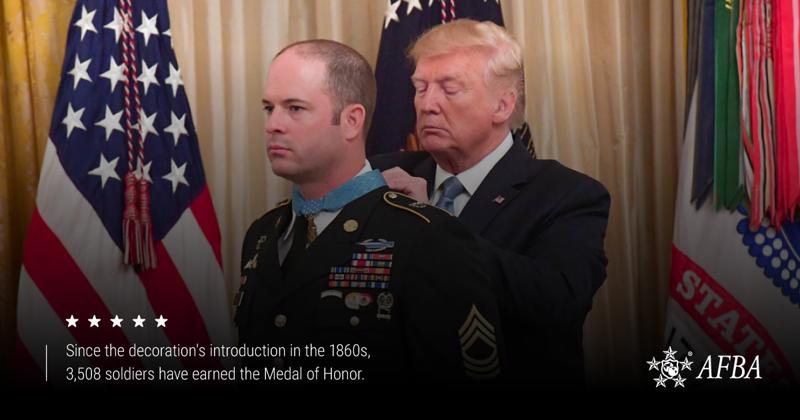
Since the decoration's introduction in the 1860s, 3,508 soldiers have earned the Medal of Honor. There are thousands of equally remarkable stories to share — and AUSA plans to bring more to the forefront in 2020.
Until then, military families and comic-book lovers can read Issues 1 through 4 for free on AUSA's website.
American families will gather around the dinner table to celebrate Thanksgiving on Nov. 28, 2019. Meanwhile, many of the 1.4 million servicemembers currently on active duty won't be able to enjoy the comforts of home.
This year, we give thanks to the brave servicemen and women who protect our country on Thanksgiving Day and every day.
Thanksgiving traditions
Over the years, military members have celebrated Thanksgiving in a variety of ways.
President George Washington instituted a "day of public thanksgiving" on Oct. 3, 1789. Similar days were observed during the Revolutionary and Civil Wars, but the holiday as we know it wasn't instituted until 1863.
President Lincoln's Thanksgiving Proclamation made it clear that those at home and abroad are welcome to take part: "I do therefore invite my fellow citizens in every part of the United States, and also those who are at sea and those who are sojourning in foreign lands, to set apart and observe the last Thursday of November next, as a day of Thanksgiving and Praise."
During World War I, service organizations arranged Thanksgiving banquets, football games, and entertainment for military personnel to enjoy. After Armistice Day, those deployed in France enjoyed a distinctly American meal with French families.
From World War II onward, fall feast ingredients have been shipped or sourced locally so that military units around the world can observe and enjoy the holiday — even when such logistics seem impossible.
In November 1944, 1.6 tons of fresh turkey were plated up for Soldiers fighting in the European Theater of Operations. During Operation Desert Storm in 1990, President George H.W. Bush, sat down to Thanksgiving dinner with the troops stationed in Saudi Arabia.
It's now a military tradition that senior leaders dish out the Thanksgiving meal, when and wherever possible. Following a series of standardized recipes, each branch hosts Thanksgiving feasts on-base where the menu includes L-161-00 (roast turkey), I-013-00 (pumpkin pie) and Q-069-02 (marshmallow sweet potatoes). Veterans and guests are typically welcome to join.
Alternatively, servicemembers may sit down for a meal with a local family and share their beloved American customs wherever they are.
What you can do this Thanksgiving
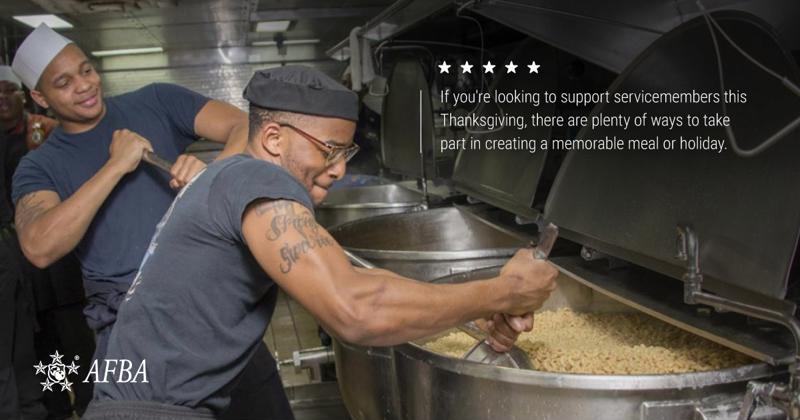
If you're looking to support servicemembers this Thanksgiving, know that there are plenty of ways to take part in creating a memorable meal or holiday.
Invite any servicemembers you know to join you for Thanksgiving dinner, or join an "adopt a servicemember" program to host someone in your area. Connect with the Morale, Welfare and Recreation (MWR) office at a nearby base or reach out to the USO or the Armed Services YMCA to learn about holiday programs and opportunities to give back.
In a story for Military.com, one military spouse wrote, "the inherent stress of inviting more than 40 soldiers … who were unable to travel home was more than balanced by the laughter and gratitude they shared with us."
This Thanksgiving, active-duty servicemembers will be thinking of nearly 2 million family members back home. Holidays can be difficult during a loved one's deployment, so extend some warmth and welcome a military family into your home.
Operation We Are Here publishes a list of locations opening their doors to military families for Thanksgiving dinner — see if you can volunteer to serve up turkey, stuffing and pie.
You can also support servicemembers abroad. Send a Thanksgiving card or care package to servicemen and women overseas or donate goods to a charitable organization that's arranging holiday shipments.
Finally, remember to include the brave men and women of the armed forces in your thankful thoughts this year.
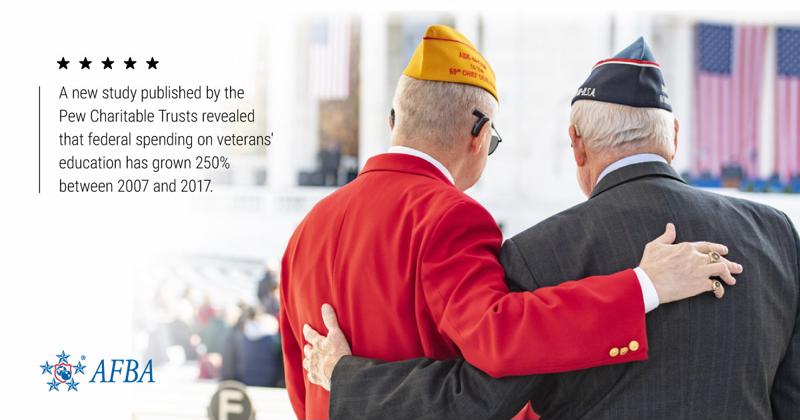
A new study published by the Pew Charitable Trusts revealed that federal spending on veterans' education has grown 250% in 10 years' time.
Titled "Two Decades of Change in Federal and State Higher Education Funding," the Pew study detailed the decrease in state support and the concurrent increase in federal higher education support.
In 2017, the government dedicated $13.6 billion to veterans' education benefits. The third-largest category of contribution behind financial aid grants and research funding, veterans' education amounted to about 18% of all federal higher education support.
That was a significant departure from where things stood a decade prior. In 2007, the U.S. government dedicated only $3.9 billion to veterans' education.
"Between 2007 and 2017, federal spending on veterans' higher education benefits grew nearly 250 percent, in inflation-adjusted terms, primarily because of the Post-9/11 GI Bill," the Pew study explained. "Other veterans' education support programs shrank over the past decade."
Indeed, other veterans' education initiatives — including the Survivors' and Dependents' Educational Assistance (DEA) program, the Vocational Rehabilitation and Employment (VR&E) program, and the Montgomery GI Bills — have been cut back. Spending on these programs, and others, shrunk by about 48% to $2.4 billion in 2017.
It's the Post-9/11 GI Bill that has been single-handedly driving the change.
Veterans' education and the Post-9/11 GI Bill
Of the $13.6 billion allocated to veterans' education in 2017, $11 billion came from the Post-9/11 GI Bill.
Approved by President George W. Bush, the Post-9/11 Veterans Educational Assistance Act of 2008 extended GI Bill eligibility and educational benefits to those who have served since September 2001.
The bill was designed to cover many of the expenses that veterans and their families incur when pursuing higher education or vocational training. It funds up to three years of tuition and fees with an annual stipend for textbooks and supplies. It also covers certification test fees, plus a housing allowance with possible relocation assistance
For public universities, all tuition and fees are covered at in-state rates. A set amount is available for private institutions as well; it's capped at roughly $24,500 for the 2019-2010 academic year, although this figure increases each year.
According to the 2019 Pew study, most of the bill's beneficiaries choose to attend private colleges and universities. Of the veterans and service members financing their education through the Post-9/11 GI Bill, roughly one-third attend private nonprofit schools, one-third attend private for-profit institutions and one-third enroll in public schools.
More changes are coming with the Harry W. Colmery Veterans Educational Assistance Act, known as the Forever GI Bill, which was signed by President Donald Trump in 2017. This program expands eligibility even further with a few other modifications and added benefits, including more support for science, technology, engineering and math (STEM) education and the elimination of some benefit-related expiration dates.
How to apply for benefits
To qualify for the Post-9/11 GI Bill, veterans and active-duty service members, including reservists, must have served for at least 90 days in total since Sept. 10, 2001. Those who served for 30 continuous days before being discharged on the basis of a service-related disability during this timeframe are also eligible.
Some veterans and service members are also eligible to transfer these benefits to a dependent such as a child or spouse.
Eligible individuals may apply online or call 1-888-GI BILL-1 (1-888-442-4551) to request an application by mail. It's also possible to apply at one of the three VA regional offices that handle GI Bill claims. At many schools, VA Certifying Officials are available to help within the financial aid or registrar's office.
Michigan business owner Meredith Rogan has found a creative way to support service members.
"When we [would] do the pledge of allegiance or sing the national anthem and there were vets in the audience," she remembered, "I would look at them in awe, like they did something I know I can't do. And I have always been looking for something to do to give back to them."
Rogan co-owns Joy Abendmode Bridal Boutique with her sister Diana in Royal Oak, Michigan. This November, the salon is partnering with Brides Across America (BAA) to give free wedding dresses to military and first responder brides.
"If you are a first responder, if you are a veteran and if you are a spouse of one of these people you are important, and we think that we think that deserves recognition," Rogan said in a local news interview.
Operation Wedding Gown
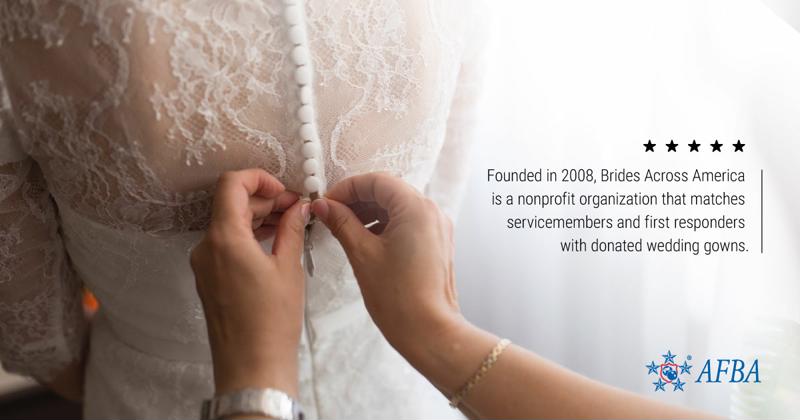
Founded in 2008, Brides Across America is a nonprofit organization that hosts dozens of "Operation Wedding Gown" events across the country. So far, BAA has matched up 24,000 brides with donated wedding dresses and arranged free weddings for 22 couples.
To participate, either the brides or their fiancés must be military service members, veterans or first responders. BAA caters to those planning weddings within the next year and a half. They also work with couples who were legally married in civil ceremonies and are now planning formal celebrations.
At Operation Wedding Gown events, dresses are available on a first-come, first-served basis. A variety of styles and sizes are available thanks to donations from retailers, designers and individual sponsors, but the boutiques do all they can to help brides find gowns they love.
In July 2019, Something New Boutique in Colorado Springs, Colorado, gave away some 30 wedding gowns valued at $1,000 to $4,000 while Ashley Grace Bridal in Lynchburg, Virginia, had 70 gowns available during their July giveaway.
Military and first responder brides get the VIP treatment
Vera Wang, wedding dress designer to the stars, partnered with BAA on her namesake brand's 30th anniversary in fall 2019. She styled 10 couples and their wedding parties in Vera Wang attire — and gifted the couples jewelry, stationery and bedding from the brand's various product lines.
The designer personally attended all of the fittings and gave brides the full VIP treatment. In interviews with WWD, brides called the experience "surreal" while BAA founder Heidi Janson considered the collaboration "a dream come true, a fairy tale."
"Many military women lose their femininity being consumed by their careers," one giveaway winner's submission noted. "I want her to see that she should be just as passionate about herself as she is with keeping our country safe."
How to partner or participate with Brides Across America
BAA's Operation Wedding Gown giveaway events are held in July and November in honor of Independence Day and Veterans Day, respectively. BAA also hosts events on the first Friday of every month at its headquarters in Andover, Massachusetts.
To participate, couples can find local events and register through BAA's website. The boutiques ask to see proof of service and identification and will then assist brides in choosing a dress from the available selection. There is a tax-deductible registration fee to cover administrative expenses and costs of the event, and dress alterations are covered by the brides themselves.
For those looking to give back, there are a few ways to get involved with Brides Across America. Individuals can donate new and used wedding gowns as long as they're in good condition. BAA also accepts donated rings and jewelry, veils, wedding favors, gift cards and other special occasion gowns. Bridal salons can register to host future events, as well.
Joy Abendmode Bridal Boutique is currently gearing up for three days of appointments with military and first responder brides. "They served us; it's time for us to serve them," Rogan explained.
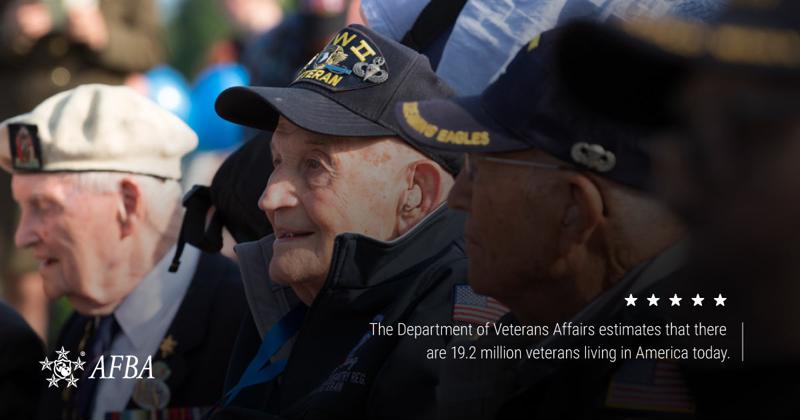
Originally celebrated as Armistice Day to commemorate the end of World War I, Nov. 11 became Veterans Day in the U.S. in 1954 to recognize all who have served during times of war and peace. The Department of Veterans Affairs (VA) estimates that there are 19.2 million veterans living in America today.
Here are eight ways to share your time, resources and gratitude with our veterans.
Make a donation
Veterans of all ages and circumstances can benefit from a range of support programs. Many nonprofit organizations, including United Service Organizations (USO) and the Wounded Warrior Project, offer extensive services to the veteran community. Support the work that they do with an individual donation or host a local fundraiser to bring your community together around a worthy cause. If you're interested in supporting a specific project, consider organizations like Building Homes for Heroes, which gifts mortgage-free homes to vets, or the Honor Flight Network, which takes vets to see the national memorials honoring their service.
Help a vet find employment
Nonprofits like Hire Heroes assist veterans in finding rewarding civilian careers after years of military service. Donate your time and skills to provide job counseling, mock interviews or professional headshots — or hire a veteran if you can.
Train or sponsor a service dog
Service dogs offer mental health support and companionship for veterans suffering from PTSD. Socialize a service dog in-training as a "weekend puppy raiser" through an organization like Patriot PAWS or sponsor the training process with a donation to a nonprofit like Puppies Behind Bars.
Connect homeless vets with essential resources
Hosted by the VA, local Stand Downs are one- to three-day events that provide homeless veterans with clothing, food, health screenings, VA Social Security benefits counseling and referrals to other support services. Visit the VA's website to find an upcoming Stand Down in your area and see how you can participate.
Document a veteran's story
The Library of Congress' Veterans History Project "collects, preserves, and makes accessible the personal accounts of American war veterans so that future generations may hear directly from veterans and better understand the realities of war." Participate by contributing an oral history or video interview with a veteran in your life. You can also share photos, journal entries, sketches, letters and other first-hand accounts.
Send a letter or care package
Through an organization such as Operation Gratitude, you can send a veteran a heartfelt, handwritten message of thanks. Bring your family or community together for a card-writing session on Veterans Day to show your gratitude for those who have served. Find a local care package collection drive where you can donate treats and essentials.
Assist a local veteran
The Disabled American Veterans' (DAV) Local Veteran Assistance Program makes it easy for volunteers and vets to connect. Vets often request home maintenance, yard work, meals and companionship; search your area to see how you can help. You can also join the DAV Transportation Network and drive vets to doctors' appointments. Or, contact your local VA hospital to find out about volunteer opportunities there.
Say "thank you"
This Veterans Day, tell a vet how much you appreciate their service. If there's a veteran in your life, or if you see someone who identifies themselves as a veteran, don't be afraid to approach them to say "thank you." Pay it forward and treat someone who served to a meal or a coffee if you can, but remember that a simple smile and a word of gratitude can go a long way.
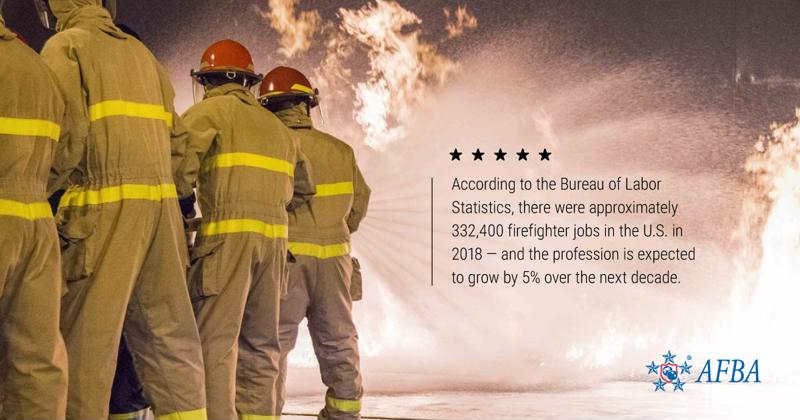
Each and every day, the selfless service of firefighters across the nation helps keep our communities safe. According to the Bureau of Labor Statistics, there were approximately 332,400 firefighter jobs in the U.S. in 2018 — and the profession is expected to grow by 5% over the next decade. If you're ready to join the forces of these courageous first responders, here's your complete guide to becoming a firefighter.
Meeting the basic eligibility requirements
In order to become a firefighter in the U.S., you'll have to be at least 18 years old (or 21 in some municipalities). You'll need to hold a valid driver's license, a high school diploma or GED, and a clean criminal record. Keep in mind that requirements vary across different cities and states. You'll also need to possess a few essential qualities, like the compassion and courage it takes to help others in the face of danger.
Getting involved as a volunteer firefighter
Many career firefighters began as volunteers. While volunteering isn't usually required, it can be an excellent first step. There may opportunities to help your local department with public outreach, assist at the station or go for the occasional ride-along. You'll get to know other career firefighters, familiarize yourself with the day-to-day, and make sure the trade is right for you.
Pursuing the right education
You'll have a lot to learn if you want to become a firefighter. You'll need to know all about the equipment and how fires spread, and you'll have to be up to date on emergency management techniques, local building codes and best practices for educating the public. You can study fire science through a technical college or four-year degree program, although a degree isn't always required. Alternatively, you can attend a local fire academy. The U.S. Fire Administration certifies programs across the U.S. and even offers online courses.
Getting physically fit
The work of a firefighter is strenuous, so you'll need to get into shape. To meet the fitness requirements, focus on building muscular strength and endurance, cardiovascular fitness and a flexible range of motion. You'll likely undertake a conditioning program if you join a fire academy, and you'll prove your readiness by taking the Candidate Physical Ability Test (CPAT).
Earning the necessary certifications
In addition to the CPAT, you'll typically need to be CPR certified. Most fire departments will also require that you become certified as either an emergency medical technician (EMT) or paramedic. You'll also need to become a certified firefighter, which you can either do through your fire academy or through one of the certification courses offered by the National Fire Protection Agency. Veterans are eligible to have their course fees waived.
Acing the application process
Once you're ready to start applying for jobs, you'll have to pass a series of tests in order to get hired. You'll take a written exam, which will test things like your problem-solving and critical thinking abilities, communication skills, memory and interpersonal skills — all things you'll rely on when on the job. Additionally, you'll need to pass physical and psychological screenings as well as a background check and a drug test. Plus, you'll have a few in-person interviews with members of the department.
Once you kick off your career as a firefighter, the journey doesn't stop there. You may eventually advance in the profession, to engineer or lieutenant, and you may have the chance to take on leadership roles on your way to becoming a fire chief.
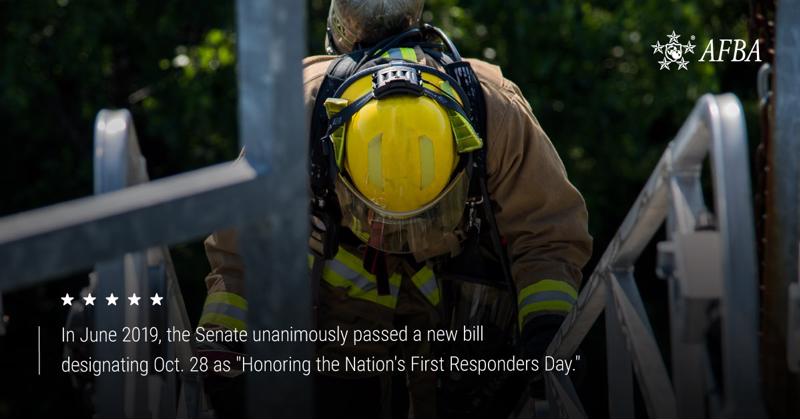
In June 2019, the Senate unanimously passed a new bill designating Oct. 28 as "Honoring the Nation's First Responders Day." On the inaugural occasion of this observance, we recognize the vast number of people who serve in these critical roles to protect communities around the nation.
How many citizens serve as first responders?
In 2003, the Department of Homeland Security defined first responders as "individuals who in the early stages of an incident are responsible for the protection and preservation of life, property, evidence, and the environment, including emergency response providers […], as well as emergency management, public health, clinical care, public works, and other skilled support personnel (such as equipment operators) that provide immediate support services during prevention, response, and recovery operations."
According to a 2015 report by the U.S. Department of Labor, there are approximately 1.2 million people employed as first responders. Many of them are veterans, including 10% of emergency medical technicians (EMTs), 19% of firefighters and 25% of police officers who continue their service in communities across the nation.
Additionally, the American Security Council Foundation estimates that another 62.6 million volunteers operate in first-responder capacities, offering emergency support and disaster recovery aid. The following statistics from the ASCF illustrate just how many people it takes to keep the nation safe from harm and provide emergency aid in times of trouble.
Emergency medical service (EMS) professionals care for patients before they arrive at the hospital, transporting and treating 16 million patients by ambulance each year. Around 890,000 EMS professionals currently serve in the U.S., including about 142,000 paramedics and 600,000 EMTs.
Law enforcement officers patrol local communities, protecting citizens in need and putting a stop to criminal threats and activities. An estimated 800,000 police officers serve throughout the U.S.
Firefighters rush to road incidents, burning buildings and citizens in danger to put out fires, administer rescue operations and provide life support services. Of the 1.3 million firefighters in the U.S., about 31% are career firefighters and 69% are volunteers.
How can we honor first responders?
First responders work long hours, face significant dangers, and risk their lives in service of others. On National First Responders Day, we remember those who have saved lives and those who have lost their own in the line of duty. We thank those who bravely fight to save the people and property impacted by hurricanes, floods, and wildfires. Additionally, we recognize those whose courage, readiness, and day-to-day service too often goes unnoticed.
Communities around the U.S. have erected monuments and memorials, distributed commemorative coins, and organized tributes to thank first responders for their sacrifice and service. On a more personal level, there are plenty of ways to show gratitude to the selfless individuals in our lives and communities.
You can express your support by mailing a thank-you note to a paramedic unit or sending a gift basket to your local fire department. Donate your time or money to a charitable drive or cause hosted by the first responders in your area. Use your online presence to dedicate a few words to our nation's first responders, or simply say "thank you" when you see a police officer at work.
As Sen. Ron Johnson of Wisconsin said in a statement, "Our first responders save countless lives every day, and many tragically pay the ultimate price in the line of duty — a sacrifice we should never forget. Designating a day to honor their service and sacrifice is the least we can do to express our gratitude."
This year, Columbus Day falls on Oct. 14, 2019. However, many states and municipalities across the U.S. recognize the holiday as Indigenous Peoples' Day. The revised name indicates that many citizens wish to change who they honor and remember on this occasion.
What happened in 1492?
The Italian explorer Christopher Columbus is typically credited with discovering America during his famous 1492 voyage across the Atlantic, which was sponsored by Spanish monarchs. Yet the stories about the famous man who "sailed the ocean blue in 1492" contain some myths alongside the facts.
Those in favor of renaming the holiday point out that Columbus never actually landed in what is now the continental U.S. On Oct. 12, 1492, his crew set foot in the Bahamas, then made their way to Central America, South America and a few Caribbean islands.
Columbus was certainly not the first man to sail from the Old World to the New. The Norse explorer Leif Erickson serendipitously reached the Americas by way of modern-day Canada around the year 1000. But European colonization of the Americas didn't begin until some 500 years later, after tales about Columbus' experiences circulated throughout Europe.
Moreover, an estimated 10 million indigenous people already inhabited the continent at the time. By changing the holiday's name from Columbus Day to Indigenous Peoples' Day, citizens have the opportunity to formally acknowledge and honor the First Peoples.
"There is power in a name and in who we choose to honor," Maine Governor Janet Mills said when the state renamed the holiday in April 2019. "Today, we take another step in healing the divisions of the past, in fostering inclusiveness, in telling a fuller, deeper history, and in bringing the State and Maine's tribal communities together to build a future shaped by mutual trust and respect."
Which states observe Indigenous Peoples' Day?
U.S. citizens first observed Columbus Day on Oct. 12, 1792, on the 300th anniversary of the voyage. In 1934, it was deemed a federal holiday by President Franklin Roosevelt and became an occasion for celebrating Italian-American heritage. Businesses and government offices around the country typically close for the day, but states and cities aren't required to observe the holiday.
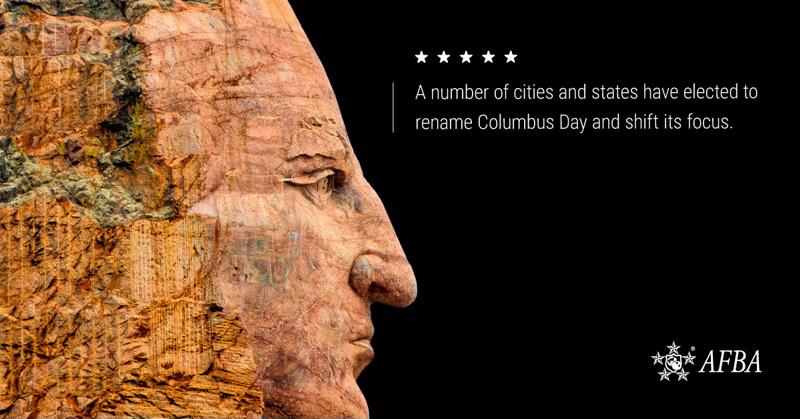
As a result of its controversial history and contested significance, a number of cities and states have elected to rename the holiday and shift its focus.
South Dakota began calling it Native American Day back in 1989 while Berkeley, Calif. held its first Indigenous People's Day in 1992. Alabama jointly honors Columbus Day and American Indian Heritage Day, while Nevada observes Aug. 9th as International Day of the World's Indigenous Peoples, a holiday which was instituted by the U.N. in 1994.
In Alaska, Indigenous Peoples' Day was celebrated twice before it was signed into law in 2017. "This official recognition is just one way we as a state can acknowledge and celebrate the contributions made by First Peoples throughout the history of this land," Bill Walker, Alaska's then-governor, said in a statement.
Vermont, Oregon, Minnesota, New Mexico, Maine and Louisiana have also followed suit, along with over 130 towns and cities; the numbers grow each year.
Still, at the federal level, it remains Columbus Day. In a 2018 statement issued by the White House, President Donald Trump proclaimed, "On Columbus Day, we commemorate the achievements of this skilled Italian explorer and recognize his courage, will power, and ambition — all values we cherish as Americans." The statement continued to "acknowledge the important contributions of Italian Americans to our country's culture, business, and civic life," reflecting the original intent of the holiday.