
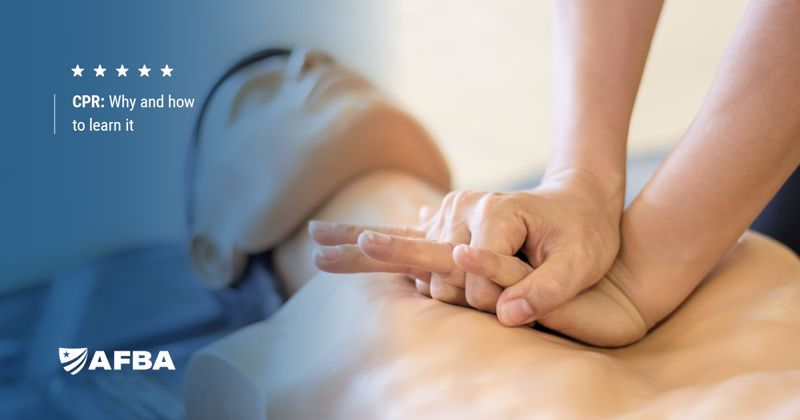
Cardiopulmonary resuscitation (CPR) is a life-saving medical technique consisting of chest compressions and, at times, rescue breaths. It refers to a series of tasks meant to restore blood circulation and oxygenation during instances of cardiac arrest, such as those associated with a heart attack or near-drowning.
If you’re not trained in CPR, you might want to seek out a class. Here, we’ll describe what CPR is, provide a resource describing the steps, and explain how you can find a CPR course near you.
 “The appearance of the U.S. Department of Defense (DoD) visual information does not imply or constitute DoD endorsement.”
Who can perform CPR?
Anyone with sufficient physical strength can perform CPR, as it requires no tools. It does, however, require training, especially if you want to learn rescue breaths.
When cardiac arrest occurs, blood flow throughout the body stops, preventing oxygenation. Without rapid intervention, this can cause brain damage in minutes. When CPR is done successfully, it restores blood flow to the body long enough for emergency medical services to arrive and restore a normal heart rhythm.
This procedure can be performed for adults, children and infants, though it should not be done for newborns less than four weeks old.
How do you perform CPR?
The American Heart Association (AHA) provides a popular set of guidelines on how to perform CPR. The list of steps involved is likely lengthier than you realize.
After assessing the situation, you or someone nearby needs to call 911. If you’re untrained, you will be given instructions. The procedure primarily involves doing hard and fast chest compressions at 100-120 per minute. An automated external defibrillator (AED) can come in handy in these situations and requires no training as the mechanism comes with instructions.
The key words when attempting chest compressions are “hard and fast.” You might have seen CPR done on TV or in movies, where they lightly press on the chest repeatedly. They do this because using the proper amount of force required in real-life CPR could cause injury.
Persistence is often a factor, as you could be making chest compressions for a lengthy amount of time before blood flow is restored. That’s why you’ll need some physical strength and endurance.
Where can you learn CPR?
One of the top resources for finding classes that teach CPR is the AHA tool or find a class near you on the American Red Cross website. All you have to do is to enter your location. After you provide one, you’ll be presented with a list of nearby places holding official classes.
You can use the provided filters to sort results based on what type of class you’re looking for. For example, you could choose to see only Basic Life Support (BLS), Advanced Cardiovascular Life Support (ACLS), Pediatric Advanced Life Support (PALS) or other classes with specific focuses.
You can also sort by the times classes take place: morning, afternoon, evening and nighttime. Other filters include spoken languages and class format, which is either a classroom setting or a “blended learning” mix of online and in-person instruction.
Most people should start with BLS before attempting more advanced courses. Look over every option and choose a class that fits your skill level and needs.
CPR can save lives, and is worth learning
Few people know proper CPR techniques. But it’s a skill you should have for a simple reason: If there’s a medical emergency and you’re the only person capable of performing the technique correctly, it can make the difference between life and death. At such times, you might be the one person present who can save their life.
What led up to the Declaration of Independence? Yes, it certified America as being independent of Britain, but influential thinkers like John Adams — who was initially considered a radical for wanting complete separation — didn’t become mainstream until Thomas Paine’s “Common Sense” publication. This piece will explore the development of how the idea of full independence came to be.
King George’s mercilessness shaped later public opinion
At the very beginning of the Revolution, most colonists didn’t want independence from Britain, but reconciliation. Still feeling loyal to King George III and Britain but opposed to the extreme taxes and unfair laws imposed upon them, they wanted to make a deal with the king and return as British citizens.
John Adams was one of the first individuals who called for full independence — to make America its own nation and government. However, he and others who thought like him were unable to change the majority opinions of the colonists — for a time.
Public sentiment started to shift as King George III ramped up his efforts to eliminate the rebels. When news of his intentions reached the colonies, the ideals of Adams and other “radicals” rapidly became more popular.
However, even this wasn’t the turning point. Many conservatives still held on to the idea that reconciliation was possible. The notion that America should be fully independent only became cemented in the majority of colonists’ minds after Thomas Paine published a pamphlet titled “Common Sense.”
 “The appearance of the U.S. Department of Defense (DoD) visual information does not imply or constitute DoD endorsement.”
“Common Sense” and its influence
Thomas Paine’s 47-page “Common Sense” pamphlet was published in Philadelphia in January 1776. Within it, Paine illustrated a passionate ideal for American exceptionalism. Believing America represented a “promise” that could only be achieved through total independence and separation between Americans and Britains, he laid out his case that this was the only natural option.
“Common Sense” was immensely popular. Its ideas influenced a massive number of colonists and galvanized support for the Revolution. By the time the Revolutionary War ended, it had sold about 500,000 copies — an astronomical number for its time. The publication would even influence some parts of the U.S. Constitution and the Bill of Rights.
Jumping back to 1776, the Continental Congress soon adopted Paine’s idea of separating from Britain and forging a new nation. On July 2, about seven months after Paine’s publication was released, Congress held a vote on declaring independence. The Declaration of Independence was ratified on the 4th and America became its own nation.
Thomas Paine’s humble beginnings belied his impact on history
Born in Thetford, England in 1737, Thomas Paine had little formal education and was plagued by a series of job failures and tragedies.
His luck would pick up when he met Benjamin Franklin in the spring of 1774. Offering Paine a letter of introduction so he could start a new life there, Franklin suggested he move to the American colonies. In November, Paine would arrive in Philadelphia and soon began editing the Pennsylvania Magazine. It was here he wrote a series of pieces following his ideals.
While nothing he wrote came anywhere near the influence of “Common Sense,” Paine wrote other essays and pamphlets. These included “The Age of Reason” and “Rights of Man,” which discussed religion’s role in society and a defense of the French Revolution, respectively. Another example proving he was well ahead of his time is “African Slavery in America,” a piece condemning the slave trade.
Celebrate the history of America’s independence this July 4th
America may never have been its own nation without the ideals and philosophies of people such as John Adams and Thomas Paine. This Independence Day, be grateful that these immensely influential and historically invaluable individuals helped bring you the liberty you have today.
Virtually everyone has used insurance at least once. It comes in a wide range of forms covering practically everything, from life and auto insurance to protection for parcels in the mail. You can even insure items like your watch or smartphone against being lost or stolen. The list may genuinely be endless.
If it can be insured, someone probably offers coverage for it. But do you regularly compare your insurance needs with the insurance you own? Are you getting what you need at the right price?
Do you need life insurance when you’re young (you do) or should you wait until you’re older? How likely do you think you are to be in an auto accident? Are you covered if you become ill or injured and need an emergency room visit or hospitalization?
Depending on the answers to questions like these, you may wish to alter your insurance plans. That’s what National Insurance Awareness Day — observed on June 28 every year — is for.
Insurance has been available for thousands of years
Some of the earliest civilizations had insurance. Somewhere between 4000 and 3000 BCE, Babylonian sea merchants would purchase bottomry contracts. These had a ship’s owner use their vessel as collateral in exchange for a loan including interest. If the ship was lost at sea or heavily damaged, the insurer would be out of luck; but if the ship returned safely in good condition, the loan and its interest would be repaid.
Marine insurance continued to develop in new forms across the world, including in ancient Greece and those who traded with them. The Romans, while they were busy revolutionizing civilization, invented life insurance.
In the 17th century, the famous and still-existing Lloyd’s of London was founded. Its founder, Edward Lloyd, would gather information about shipments from docks and compile them into the Lloyd’s List publication. While its information-gathering is a little more sophisticated than when it began, Lloyd’s List is still being updated today.
 “The appearance of the U.S. Department of Defense (DoD) visual information does not imply or constitute DoD endorsement.”
Why evaluate your insurance needs?
First, consider what you want to be insured. Medical bills and your automobile are some of the most popular options. Other types such as life insurance are all too often passed over.
Even if you have all the insurance you need, you may be paying too much. Rates are constantly changing, and it’s worth the time and effort to shop around for the best price.
If your life circumstances change, so should your insurance. Have you taken a new job that requires driving in dense traffic? Has your health changed? What about your marital status? Many life events warrant taking a fresh look at your insurance options.
You don’t necessarily need to shop for a new insurance provider and go through the paperwork all over again. You can talk to your current company and ask if they have other choices or promotions that might better suit your life situation. Many insurance companies allow you to customize your plan online.
Seeking out other ways to lower your insurance costs is something else to consider. Have you purchased a new car with advanced safety features? Bring it up with your auto insurance company. Are you taking care of yourself better? Maybe hitting the gym more, eating well and better controlling your weight? You could be eligible for health insurance discounts.
Look at your insurance options on National Insurance Awareness Day
It’s strongly recommended that you take the time annually to look at all your insurance options and find the best policies and rates that fit your specific needs.
Perhaps the most important thing you get from insurance is peace of mind. Knowing you’re covered in the event of an incident makes you feel better with less stress and worry — which can mean a longer lifespan and better overall health.
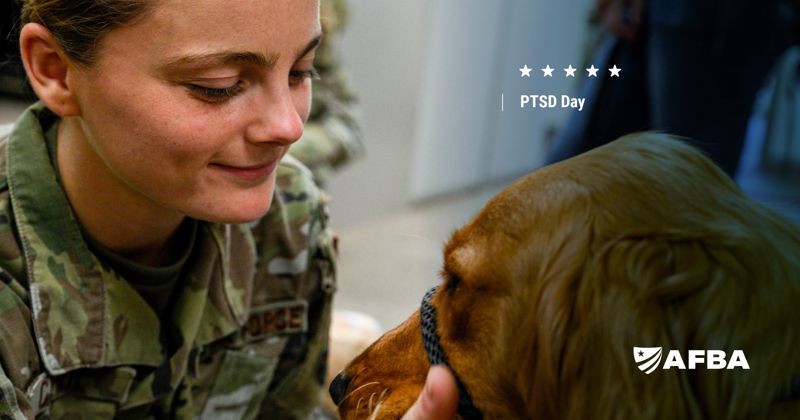
Despite the prevalence of psychiatric illness in America, many cases go ignored and undiagnosed. This is also true for veterans with post-traumatic stress disorder (PTSD). Stigma and unhealthy attitudes toward seeking treatment for mental health affect this population at least as much as any other. This is the focus of PTSD Awareness Day on June 27.
PTSD is a serious issue for many returning from active duty, yet studies can only estimate its prevalence.
Thankfully, more help is available for veterans now than ever before. The Red Cross, in particular, offers a range of workshops specifically designed to help veterans cope and process experiences with PTSD.
Here, we’ll discuss what the statistics say before detailing a couple of PTSD-focused resources veterans can use.
 “The appearance of the U.S. Department of Defense (DoD) visual information does not imply or constitute DoD endorsement.”
The difficulties of measuring PTSD in veterans
Measuring PTSD rates is challenging in that it’s not as simple as a blood test. The illness can be difficult to detect and relies heavily on self-reported symptoms. Because those with PTSD have an increased risk of mortality, and the illness can’t be diagnosed post-mortem, the true numbers may be significantly higher than what the surveys report.
Due to the stigma surrounding mental health, those with PTSD symptoms are also less likely to seek help. While stigma has become somewhat lessened in modern culture compared to decades ago, many with psychiatric symptoms still do not seek help. This can also hinder attempts to gather accurate statistics.
What the statistics say
In general, veterans have a higher rate of PTSD than civilians, according to the U.S. Department of Veterans Affairs. However, the most vulnerable populations are those who experience combat and women veterans. The latter are more than twice as likely to develop PTSD than their male counterparts, in part because of the increased risk of military sexual trauma (MST) compared to men, per a report by the Pentagon.
The Red Cross’ PTSD-centered workshops
Many organizations and mental health advocacy groups recognize that PTSD is a serious problem in our veteran population. Groups such as the Red Cross offer several programs for veterans with PTSD and their families, such as its Resiliency and Reconnection workshops and Mind-Body programs.
What is a Resiliency and Reconnection workshop?
This type of aid aims to make it easier for veterans to return to civilian life while experiencing symptoms of PTSD. The workshop includes helping the veteran restore their connections to family, friends and community.
There are several methods the program can use to help achieve this, including aiding someone:
- Cope with stress.
- Process trauma.
- Encourage open communication.
- Connect with children.
- Craft healthy responses to intense emotions such as anger.
With skills like these and a space for guided communication between the veteran and their family led by a licensed mental health worker, the Resiliency and Reconnection workshop can produce dramatic results. Those coping with PTSD and their loved ones might find great solace in this workshop.
What is the Mind-Body program?
The Mind-Body program includes a range of concepts focused on encouraging a connection between these two core components of the self. If you’re familiar with the term “mindfulness,” this may sound similar — though the Mind-Body program is larger in scope, including physical exercise, artistic expression and journaling in addition to meditation-based therapy.
More help is available now than ever before
Ignoring symptoms of PTSD or self-medicating to cope with them can be detrimental to your health. Thankfully, you don’t have to deal with it on your own, and there are resources available for this common mental illness.
You can register for the Resiliency and Reconnection workshop, the Mind-Body workshop and other programs here.
Father’s Day is a time to celebrate dads everywhere. But serving dads — whether military dads or first responder dads — deserve special appreciation for the uncommon challenges they face while serving, whether directly or indirectly.
The different types of serving dads
All serving dads are included in Father’s Day, but what does that term include?
Military dad and first responder dad are terms that can apply to many people. It can be a father serving in the armed forces or a first responder unit to a mother, son or daughter at home. It includes a dad supporting a serving mom. Just as the term “military family” refers to any proud kin who’s there for a related servicemember, a military dad is any type of serving dad.
 “The appearance of the U.S. Department of Defense (DoD) visual information does not imply or constitute DoD endorsement.”
Unique challenges serving dads face
Depending on the role of the military or first responder dad in their family, each faces unique challenges to be recognized and appreciated on Father’s Day.
Serving dads can be called to duty at any time, leaving their families for as long as their service is needed. Military dads are often required to relocate frequently, perhaps staying in one location for no more than a few months before being redeployed elsewhere. This forces them to leave shallow roots in their former place of residence to grow new ones elsewhere, which can cause stress to everyone in the family.
Being in the armed forces or a first responder unit inherently involves a degree of danger. For the serving dad, they must come to terms with the worry they may impose on those at home. The serving dad works all hours, day or night, whenever he’s called to action, which can potentially make communication with family members at home difficult.
The dad who supports his serving family member is on the other end of this. Perhaps they worry for a mother, son or daughter who serves. Maybe they, too, are facing the difficulties of keeping in touch when their servicemember could potentially be halfway around the world, or a first responder works 12-hour shifts, from evening to morning the next day.
Serving dads sacrifice uncommonly to serve their country and community. It is important to acknowledge this on Father’s Day, whether you’re a friend or family member of one.
Ideas for celebrating serving dads
What a serving dad may appreciate most differs from one to the next, but almost all would cherish a special gesture or two on Father’s Day. Here are a couple of ideas to get you started.
Write them a letter by hand
The difference between a phone call and a letter is permanence. Serving dads would almost certainly appreciate a phone call, but having a genuine letter carries a special significance. When times are toughest, the serving dad can take the time to stop, feel the paper in their hands and read the letter as many times as they wish.
Include a printed photo as an added bonus that they’ll be sure to appreciate.
Pay them a visit
If possible, go to where the serving dad is and spend some time with them.
Being a good listener can come in handy here. A serving dad to a military or first responder family member may have fewer opportunities than they’d prefer to talk about their challenges.
If you think they’d appreciate it, take them out to a favorite place of theirs, whether it’s a park, restaurant or some other special location.
However you show your appreciation on Father’s Day, do it with sincerity
Feel free to use one of these ideas or think of something special yourself. Few are the serving dads who wouldn’t feel their spirits lifted at a Father’s Day gift — especially those that carry a sincere gesture from the heart.
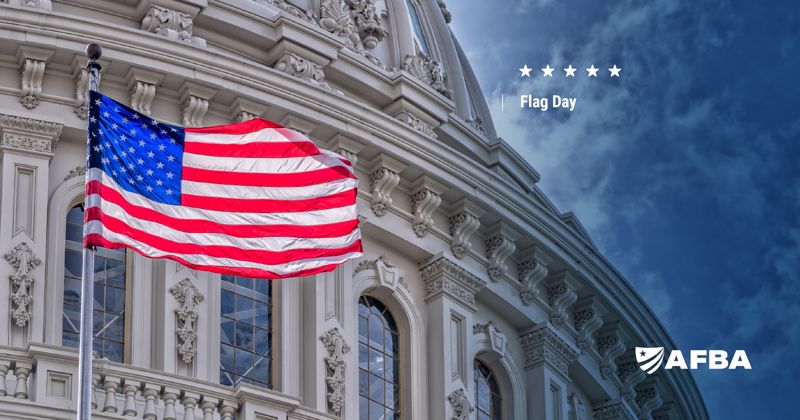
Flag Day, also called National Flag Day, commemorates the date in 1777 when the United States approved the design for its first national flag. In 1916, President Woodrow Wilson formally established June 14 as Flag Day on the anniversary of its creation. The U.S. has since celebrated the day on the same date every year. Congress recognized Flag Day as a national observance in 1949.
For 2023, we’ll discuss the meaning behind the holiday before detailing how to respectfully display and handle the American flag, including how to dispose of a damaged one.
The American Flag took a couple of tries to get right
When the Colonial armies were fighting the British during the Revolutionary War, there was no official American flag they could fly. Instead, regiments designed their own flags to be flown during battle.
This didn’t last long: In 1775 — the same year the War began — the Second Continental Congress convened. On the agenda was coming up with a flag that could be flown for the first Continental Army across the beginnings of the United States of America.
Referred to as the Continental Colors, the flag consisted of alternating red and white stripes accompanied by a Union Jack in the corner. However, many disapproved of the design, including George Washington, objecting that it was too similar to the British flag. When Congress met again in 1777, they reworked the flag to include 13 stars and 13 stripes. This was the first official national flag.
 “The appearance of the U.S. Department of Defense (DoD) visual information does not imply or constitute DoD endorsement.”
How to properly display the American flag
Public Law 94-344, also known as the Federal Flag Code, formally establishes the rules regarding how to fly and handle the American flag. There are no federal penalties for violating this code, but states may impose their own. If you plan to display the flag, here are a few guidelines to do it respectfully:
The flag must be displayed where there’s light
Display a flag outdoors from sunrise to sunset. Indoors, you can show it at night, but only if it’s exposed to proper lighting.
Take the flag down during harsh weather
Don’t display the flag during wind storms, snow or rain, as these elements can damage the flag. All-weather flags are an exception, as these are highly resistant to weather damage.
When hoisting the flag, do it rapidly; when lowering it, do it respectfully
How you hoist and lower the flag is meaningful in its own right. You should raise it powerfully and lower it ceremoniously.
If you cross the American flag with another, the former should face a specific direction
Facing away, you should hoist the American flag so it faces the right. This would look like it’s facing the left from an observer’s point of view. Also, the American flag’s staff must be in front of the other’s.
Dispose of a flag in poor condition with integrity
If the flag is no longer fit to fly, you must dispose of it honorably. Ideally, you should burn it. A dignified burial is also acceptable. Never throw an American flag in the trash, no matter what condition it’s in.
The American flag is legally considered a living symbol; treat it appropriately
Many people enjoy displaying their own American flags both indoors and out. If you, too, wish to fly it, follow all local laws and ensure you treat it with the Federal Flag Code in mind.
The American flag is much more than just cloth; it’s a living symbol, according to the law. It should be treated as such — and you should always fly it with pride.
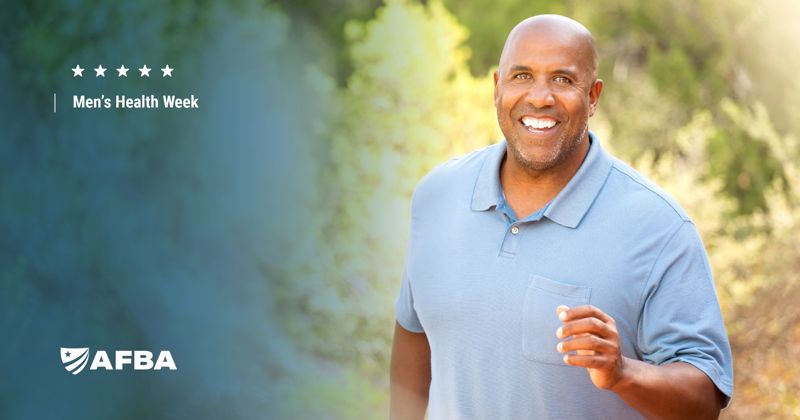
Men have unique health needs and challenges, but not enough people know what they are, and even fewer pay heed to them. That’s what Men’s Health Week brings attention to. The observance always begins on the Monday before Father’s Day and ends on the holiday itself (June 12-18 in 2023).
Men’s Health Week is part of National Safety Month in the U.S., but it’s also celebrated in other countries, including Canada, Australia and New Zealand.
What are the core aspects of men’s health, and how can you set a proper “SMART” goal to improve yours? Let’s talk about how you can take control of your health as a man — or support one who wants to.
What Men’s Health Week is about
What do you think is the most important aspect of men’s health?
- Fitness?
- Diet?
- Lifestyle?
- Mental wellness?
The answer is all of the above. That’s why Men’s Health Week doesn’t just focus on one aspect of men’s health but all of them.
 “The appearance of the U.S. Department of Defense (DoD) visual information does not imply or constitute DoD endorsement.”
How to improve your health as a man (or supporting one)
Some recommendations are almost obvious: Get 150 minutes of exercise a week. Eat nutritious foods, not those that can cause health issues. Avoid tobacco and alcohol.
These are all good enough tips, but they are not, in themselves, plans. You can’t do anything about your health if you don’t have a solid plan first.
The key to making a plan is to form one that works for you. It might not necessarily work for the person sitting next to you, and vice-versa.
But the ability to form one that’s doable is a skill in itself.
Luckily, there’s a formula.
The SMART method
Any goal, health-related or otherwise, needs to have five qualities; it should be:
- Specific.
- Measurable.
- Achievable.
- Relevant.
- Time-bound.
Turn those into an acronym, and you get SMART.
Before you start forming your goal, consider what part of your health you want to improve. You can improve one or several aspects, but you need to make SMART goals for each one.
For example, say you want to improve your lifestyle by cutting down on the amount of alcohol you drink. Merely telling yourself, “I want to cut down on my drinking,” is unlikely to get you very far. It’s vague, includes no way of measuring progress and is easy to put off because it’s not bound by time. Changing the statement to “I want to stop drinking starting today” isn’t any better; if you have a problem with your drinking, it may not be realistic to go from 100-0 that quickly. You’re likely to rebound and end up just feeling bad about yourself.
Instead, change it up and follow the SMART method. Make it:
Specific: “I want to have one fewer drink per week until I reach seven or fewer each week.”
Measurable: In this scenario, it would be counting the number of drinks you’re leaving out.
Achievable: Ask yourself, “Is this realistic?”
Relevant: Does it matter if you succeed? Does it complement your other long-term goals?
Time-bound. This is the “per week” part. It offers a timespan you can aim for.
Improve your health as a man to feel better and live longer
Yes, it’s a cliche, but it’s true: Exercising, eating healthy and avoiding tobacco and alcohol is the well-known — yet often ignored — secret to feeling better and living longer.
Observe this year’s Men’s Health Week by setting a proper goal to improve your own or support someone who wants to. Being healthy doesn’t mean you have to be a fitness model, so set a goal you know you can achieve and feel the results.
June is National Safety Month, when all employers and workers can ensure they’re working as safely as possible. Evaluating workplace safety is crucial for virtually all forms of work, whether you’re a construction worker, EMS employee or have a desk job.
Here, we’ll talk about some recommended ways to stay safe.
Why workplace safety is important for everyone
An unsafe workplace will — sooner or later — cause a range of problems for both the employer and employees.
For the employer, frequent workplace injuries or illnesses can lead to lost productivity and reduced profits at best. Employees are more likely to leave if they’re not satisfied with their working conditions. At worst, it can make you liable if your organization doesn’t follow proper safety standards set forth by the government and results in highly unsafe working conditions.
The employee is directly affected by any health issues the dangerous workplace results in. Generally, such workers are eligible for workers’ compensation, but that can offer limited comfort if you’re experiencing the unpleasant effects of an illness or injury.
It’s in everyone’s best interest to maintain a safe working environment. This starts with education on how to take care of yourself on the job.
 “The appearance of the U.S. Department of Defense (DoD) visual information does not imply or constitute DoD endorsement.”
Basic workplace safety 101
Here are some easy-to-follow tips for staying safe at work.
Wear appropriate protective gear
Helmets, reflective clothing, nonslip sneakers, fire-retardant clothing — whatever you need to stay safe on the job, use it.
Hydrate frequently
If you’re absorbed in your work and lose track of time, you may potentially go for long periods without drinking any water. A lack of hydration can lead to a range of issues, from fatigue to lightheadedness and even fainting. If the opportunity rises (you may have to make time), take the time to stop and have a drink of water.
Prevent injury while working at a desk
Carpal tunnel syndrome, which can sometimes require surgery, occurs when your wrists are bent while you use a keyboard and mouse, causing pressure to mount on your median nerve. An excellent way to prevent this is to use pads both below your keyboard and underneath your mouse so your joints remain straight while working.
It’s also a good idea to get up and move often. Sitting still for too long can cause your shoulders or neck to stiffen and hurt. You might even benefit from mastering desk yoga to keep yourself limber.
To prevent eye strain, use the 20-20-20 rule. Every 20 minutes, take a break from looking at your screen to focus on something 20 feet away for at least 20 seconds. This might mean taking periodic breaks to stand up and gaze out your window for a moment before returning to your desk.
If you’re an EMS worker, take extra precautions
EMS workers are exposed to many different people, and with such exposure comes an extremely high risk of infection. Near the height of the pandemic, EMS agencies reported that almost 27% of their employees had to quarantine at least once, according to an April 2021 survey by the National Association of Emergency Medical Technicians (NAEMT).
Proper use of personal protective equipment (PPE) is necessary to minimize the spread of illness among EMS employees and the people they come into contact with. Gloves, masks and other appropriate gear should be worn when there’s a risk of exposure. All EMS agencies have plans in place depending on the situation, so follow all safety precautions.
Respond to National Safety Month by reevaluating what you can do
National Safety Month is the perfect time to look at whether you’re doing all you can to stay safe in your profession. Incorporate these tips into your daily routine to ensure you stay healthy and injury-free at your job.
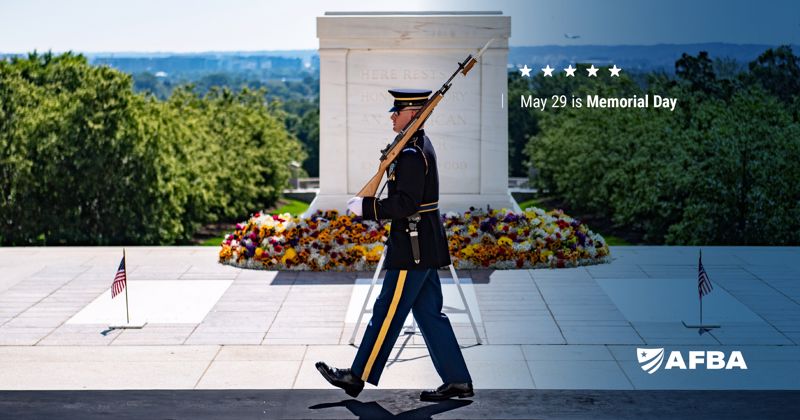
Some might consider Memorial Day little more than a day off — a time to break out the barbecue or hit the swimming pool. But that would be selling the holiday tragically short.
Memorial Day was created to commemorate deceased veterans, lost servicemembers and soldiers killed in action who gave their lives to bring you liberty.
You don’t have to be a friend or family member of a fallen servicemember to pay your respects on Memorial Day. All are welcome to participate.
The day is always held on the last Monday of May, which falls on the 29th in 2023.
 “The appearance of the U.S. Department of Defense (DoD) visual information does not imply or constitute DoD endorsement.”
How to observe Memorial Day
While there is no “right” way to observe Memorial Day, here are a few ideas.
Display the American Flag on your property
This is something almost anyone can do to pay respects. You could install a flagpole or simply insert smaller flags around your property. If possible, ensure the flag is at half-staff from sunrise to noon, then full-staff until sunset. Homeowners’ Associations may have certain rules they expect you to follow, so check with them to ensure your display is appropriate.
Visit a local cemetery to pay personal respects
While official ceremonies take place across a wide range of cemeteries, they can’t include every single one. If you know of a place where lost soldiers are buried, feel free to visit their resting places.
It’s common practice to leave something at the grave site. Flowers, coins and stones are possible options. It would be wise to familiarize yourself with what each type of item represents. For example, pennies indicate you have no formal relationship with the deceased, but dimes are for when you served with the servicemember. Be especially careful with the quarter: This means you were present at the time of their death.
This type of remembrance may be especially useful if you’re a loved one of the fallen servicemember and would prefer to pay respects in private. Or you may feel similarly about soldiers you might not have known in life but wish to honor in your own way.
Attend an official service
All over the nation, organizations hold services to commemorate Memorial Day. Both urban and rural areas hold ceremonies, so it’s highly likely that your local community or one close to you is having its own.
For example, the Kansas Commission on Veterans Affairs has planned observances beginning at 10:00 AM local time at all four of its state cemeteries. California has compiled a comprehensive list of its own ceremonies taking place across the state on military grounds, main public streets, beaches and other locations. Whatever state you live in, you’re sure to find an opportunity to pay your respects at an official Memorial Day service.
No ceremony may be more famous than the one held annually at Arlington National Cemetery, where the President of the United States of America pays their respects and delivers an address for the thousands of visitors in attendance. The president or their designee also lays a wreath at the Tomb of the Unknown Soldier where all unidentified servicemembers are represented.
All official Memorial Day services are open to the public and require no bookings or tickets in advance.
However you observe Memorial Day, do it solemnly
Feel free to do one, some or all of these activities during Memorial Day. If you’re feeling especially creative, come up with something on your own.
However, it’s important to remember that Memorial Day is not meant to be a carefree celebration, but a holiday for the solemn paying of respect for fallen servicemembers who can’t be there. Keep this in mind when planning your observance.
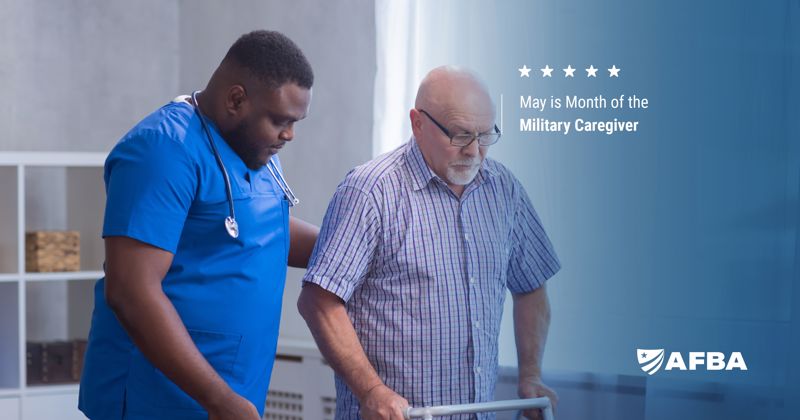
There are few jobs as selfless or necessary as the military caregiver. These individuals — who can be friends, distant relatives, family members, or anyone else who wants to help — assist disabled members of the military with activities they can no longer perform on their own. This can include showering, eating or dressing. A military caregiver might also be called a veteran caregiver if the individual receiving care is a veteran but not an active servicemember.
Despite the name, not all military caregivers identify as caregivers. A military caregiver isn’t necessarily a job title (though for some, it can be), but rather a catch-all term for someone who helps a servicemember or veteran with daily activities.
While they’re necessary to the service member’s life, many military caregivers don’t get the resources they need to manage. Being a military caregiver is often extremely stressful, and many give up basic necessities in their lives to serve their member(s) of the military. That’s why, in addition to talking about how valuable military caregivers are, we’ll also be discussing the resources available to them — and how you can help.
 “The appearance of the U.S. Department of Defense (DoD) visual information does not imply or constitute DoD endorsement.”
How else do military caregivers help?
A military caregiver may not assist with physical activities at all, but instead (or even in addition to this) serve a servicemember by:
- Offering emotional support.
- Taking care of legal or financial responsibilities.
- Managing their schedule and transportation to and from appointments.
Active duty members of the armed forces and veterans alike often don’t get the help they need to function in their daily lives. A military caregiver is someone who makes that possible.
The challenges military caregivers face (and the help they can get)
Serving indirectly as a military caregiver isn’t easy. It can be incredibly stressful and eventually lead to burnout, which in turn can lead to serious psychiatric symptoms such as anxiety and depression.
Luckily, there are some programs available that aim to assist those who sacrifice more than just their own time and energy to care for active service members and veterans (many give up their education, health and finances as well). One is the Department of Defense, which has been reaching out to military caregivers since 2013 to provide support. They offer resources such as networking opportunities with other caregivers to help each other cope emotionally, physically and financially. For many military caregivers, opportunities like these are invaluable for their own well-being.
Other nonprofit programs such as the Wounded Warrior Project exist to help wounded members of the military return to being active participants in their community, among many other services the organization offers. Military caregivers can also take advantage of the extra help.
What can you do to help?
If you want to become involved in helping military caregivers care for both their service member(s) and themselves, reach out to one and offer whatever assistance you can. They will surely appreciate it.
Alternatively, you can donate to a cause such as the Wounded Warrior Project that directly benefits military caregivers. You can also call up your nearest army station or veterans affairs office and ask if they know of any local opportunities to get involved.
Become a positive force for military caregivers so they can continue to serve
Military caregivers give their bodies and souls to caring for an active duty service member or veteran. Just as the military community constantly needs help, so are the people who are crucial in improving their quality of life.
This May, recognize and honor those who indirectly serve in this way.