Amid the COVID-19 outbreak, veterans may have questions about how to stay safe while accessing important health benefits and services. Read on for answers and resources related to accessing VA health care resources, along with guidance from the Centers for Disease Control and Prevention for how veterans can protect themselves during this time.
Take extra health and safety precautions
To protect yourself from the fast-spreading coronavirus, be sure to follow all state and federal guidelines. The CDC advises staying home, limiting contact with other people and adopting social distancing measures such as keeping a 6-foot distance between yourself and others. You should wash your hands frequently and can wear a protective face covering when out in public. Now is also a good time to thoroughly clean and disinfect your home, focusing on high-touch areas.

Request that prescription refills be mailed to you
Having medication mailed to you will limit the amount of exposure you would otherwise experience by visiting a pharmacy in person.
According to the Department of Veterans Affairs, if you currently receive your VA prescription refills by mail, your deliveries will continue. Otherwise, you may request that a refill is sent to you by mail. To do so, you will first need to confirm that the mailing address in your VA.gov profile is accurate.
Next, you can request your refill using either the RX Refill app from a mobile device, the MyHealtheVet prescription tracker online or the VA pharmacy phone number printed on your prescription label. You may also complete and mail the prescription refill form included with your prescription to request a refill.
The VA has updated refill policies so that in-person refill evaluations can be conducted through telehealth appointments. If you run out of medication or need assistance refilling your prescription, you can use the secure messaging service to connect with your provider or call your local VA facility.
Choose telehealth services for non-emergency VA health appointments
Health care facilities around the nation may have limited in-person availability to non-COVID-19 patients. Consider using telehealth services to attend to your routine health needs. Virtual appointments mean you won't need to visit a hospital or health care center for non-emergency health matters.
If you have a routine appointment or a doctor's visit scheduled for a non-urgent health matter, you have a few options. The Department of Veterans Affairs advises either canceling or rescheduling non-urgent appointments, including elective procedures, to a date farther in the future. Alternatively, you can keep your appointment but conduct it in a telehealth format over the phone or a video meeting portal, such as VA Video Connect.
To contact your provider and book a telehealth appointment, the VA recommends using the My HealtheVet secure messaging portal or the VA appointment scheduling tool. If your care facility participates, you may be able to use the VA Health Chat app as well. Keep in mind that only some health services can be conducted over a phone or video appointment. Check your local VA health facility's website for the latest information and to learn more about your options.
If you have a standing appointment or service scheduled with a community (non-VA) health care provider, contact them directly to see if you can reschedule or conduct the appointment virtually. Referrals to community care facilities are still being issued, with an emphasis on referrals for those in urgent need. The VA has noted that referral eligibility requirements remain unchanged.
Prioritize your mental, physical and emotional well-being
Take the time to prioritize all aspects of your personal wellbeing. Unless you are sick, the CDC suggests taking a walk in a local park and exercising at home. Virtually check in on loved ones and work on staying connected, even if from a distance.
Reach out for help if you need it, by contacting a trusted friend or family member or through the Substance Abuse and Mental Health Services Administration's Disaster Distress Helpline, at 1-800-985-5990 or via SMS by texting "TalkWithUs" to 66746.

While first responders and health care workers serve on the front lines of the coronavirus pandemic, Army researchers are battling behind the scenes in the fight for a cure.
Researchers at the U.S. Army Medical Research Institute of Infectious Diseases (USAMRIID) are responding to the COVID-19 outbreak, continuing the unit's mission to study, cure and contain the harmful pathogens at the root of global outbreaks and biological warfare.
The 'germ warriors' of USAMRIID
According to a report by Wired, USAMRIID's researchers received blood samples from one of the first U.S. citizens to contract the virus. These "germ warriors" isolated the SARS CoV-2 virus and have been reproducing copies to distribute to other research laboratories developing a cure or treatment.
USAMRIID has a disease-fighting history spanning more than 60 years. The unit was officially formed in 1956 with the mission of studying "naturally occurring infectious diseases of military importance" and serving as a defense against biological warfare. Upon its formation, USAMRIID first took on the project of developing a vaccine for Q fever. Since then, USAMRIID researchers have developed many successful vaccines, including an Ebola vaccine that was approved by the FDA in 2019, according to the Department of Defense.
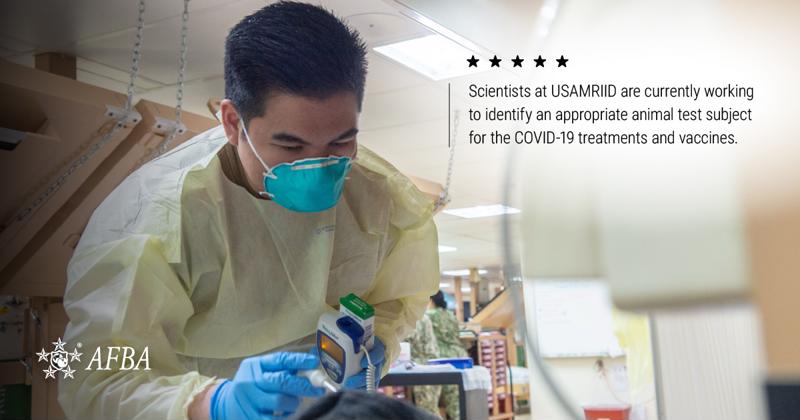
Scientists at USAMRIID are currently working to identify an appropriate animal test subject for the COVID-19 treatments and vaccines, since standard lab mice do not respond to the disease in the same way as humans, due to their genetic makeup. Given the amount of work to be done, senior science adviser Louise Pitt estimates that more than 100 military and civilian scientists will join the ongoing research efforts by summer 2020.
"We have to develop the chemical assays to measure everything," Pitt told Wired. "We have to test for the immune response, the host response, and the disease progression. Because it's a new virus, all the tools have to be built from scratch."
Given the unit's positive track record, Army leadership remains optimistic that a vaccine will be found. "U.S. Army researchers were critical during the SARS epidemic, the Zika virus and the Ebola outbreak as they helped develop antivirals and vaccines," said Army Secretary Ryan McCarthy. "They've done it before and they will do it again."
U.S. Army 'fighting on multiple fronts'
In addition to the work of USAMRIID, Army leadership is taking precautions to protect servicemembers and new recruits from COVID-19.
"The Army is fighting the virus on multiple fronts, from medical support efforts in our cities to searching for a vaccine in order to stay ready, so we can continue to be the Army the nation deserves," explained McCarthy.
The Army has supplemented its nine permanent medical centers with 35 local testing centers. Additionally, the largest Army training post will be equipped to screen 700 recruits each day beginning in late April. The Fort Jackson, South Carolina training post experienced a low number of positive COVID-19 cases earlier this year, but since the adoption of social distancing protocols, testing capabilities and other safety measures, the DOD has reported that the vius has been contained at Fort Jackson.
"The true heroes in this fight are the medical professionals — people like the scientists and researchers at USAMRIID," said Army Chief of Staff Gen. James McConville. "They're working on vaccinations, treatments and better ways to conduct tests that will ultimately help the nation defeat the virus."
AFBA members can learn more about our response to COVID-19 here.
The COVID-19 national emergency has been immensely demanding on the community of U.S. emergency responders and health care workers. For many, traumatic stress in the workplace is being compounded by an unprecedented lack of normalcy at home. There, first responders and health care professionals must contend with the personal difficulties of social distancing, disruptive closures of schools and businesses, and the extreme economic uncertainty that may have a direct negative impact on family and friends.
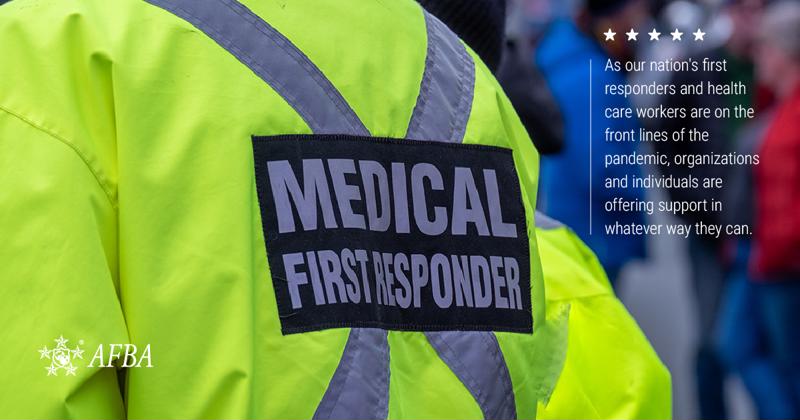
As our nation's heroic first responders and health care heroes are fighting on the front lines of the pandemic, countless organizations and individuals are offering support services in whatever ways they can. This brief list aims to assist those participating in or impacted by the national response to COVID-19 by providing authoritative support resources during this challenging time — and by highlighting the fact that there are many resources available for all aspects of life.
Workplace resources
In addition to comprehensive guidance for the general public, the Centers for Disease Control and Prevention have published a collection of Resources for First Responders and Law Enforcement. These include advice for workers in the fields of law enforcement, emergency medicine, fire services and emergency management who may come into contact with citizens potentially experiencing COVID-19 symptoms.
The Occupational Safety and Health Administration has published COVID-19 Standards, including a section on workers' rights and employers' responsibilities that discusses OSHA's Whistleblower Protection Program and the prohibitions against employer retaliation in the event that a safety or health complaint is filed.
Mental health resources
The Minnesota Department of Health's COVID-19 Responder Self-Triage daily checklist is designed to help emergency workers and health care professionals recognize and manage high levels of stress, including exposure to traumatic stress. As the document explains, "Understanding your trauma risk will help you realize when you need to activate stress management activities to increase your resilience."
The National Suicide Prevention Lifeline maintains a resource hub related to Emotional Wellbeing During the COVID-19 Outbreak. People in crisis can speak with mental health counselors on a 24/7 basis at 1-800-273-8255 or through a live chat.
Family resources
The National Association of School Psychologists has published a guide titled Helping Children Cope With Changes Resulting From COVID-19. This includes strategies for discussing the coronavirus outbreak with children in a way that reduces stress and fear and helps younger family members feel informed, reassured and safe.
Similarly, Talking With Children: Tips for Caregivers, Parents, and Teachers, During Infectious Disease Outbreaks, produced by the Substance Abuse and Mental Health Services Administration, outlines how children at different ages may behave in response to a crisis like COVID-19, offering age-appropriate communication advice for adults.
Financial resources
Local nonprofits and organizations around the country have come together in support of those experiencing financial hardships. The Community Foundation Public Awareness Initiative is maintaining a list of organizations in each state committed to providing COVID-19 relief funds and other support resources.
First responder families experiencing financial difficulties can apply for individual grants through the COVID-19 Emergency Response Fund, operated by the First Responders Children's Foundation. The organization is currently working to raise $200 million to support impacted families.
Information regarding Coronavirus Tax Relief and Economic Impact Payments can be found on the IRS website. Payments are being issued on a rolling basis beginning in April 2020; no action is required for most individuals and families. Additionally, the tax filing deadline has been pushed to July 15, 2020.
To learn more about first responder financial benefits available through AFBA, read our recent message to members or contact a customer service agent. You can reach us by emailing [email protected] or calling 1-800-776-2322.
The U.S. Navy's hospital ships Comfort and Mercy — and the servicemembers and health care providers onboard — are actively responding to the COVID-19 national emergency. These vessels are uniquely equipped floating facilities that have had a steady presence and role in crisis response throughout the nation's history.
A history of 'hospitals at sea'
In 1803, during the Barbary Wars, the wooden bomb vessel USS Intrepid was reconfigured as a hospital ship, setting the standard for converting war vessels of all types into medical facilities. Sister ships USNS Mercy (T-AH-19) and USNS Comfort (T-AH-20) both began life as oil supertankers in the 1970s before undergoing conversions in the late 1980s. The USS Relief is the only purpose-built hospital ship in the history of the armed forces.
Hospital ships have provided their services during times of war and peace when foreign enemies, national disasters and pandemics have threatened the nation. The USS Relief provided assistance following the 1933 Long Beach earthquake, and the USNS Comfort aided survivors of Hurricane Katrina in 2005 after providing shelter and relief services to displaced citizens and first responders following the 9/11 attacks.
Vessels including the USS Red Rover during the Civil War and the USS Solace at the Battle of Iwo Jima have offered ambulatory services, transporting and treating wounded servicemembers en route to a safer harbor. During the First World War and the 1918 influenza pandemic, the USS Solace along with two other vessels, also named Comfort (AH-3) and Mercy (AH-4), took in overflow patients in New York and sailed the sick and wounded back home from across the Atlantic.
Onboard the USNS Mercy and USNS Comfort
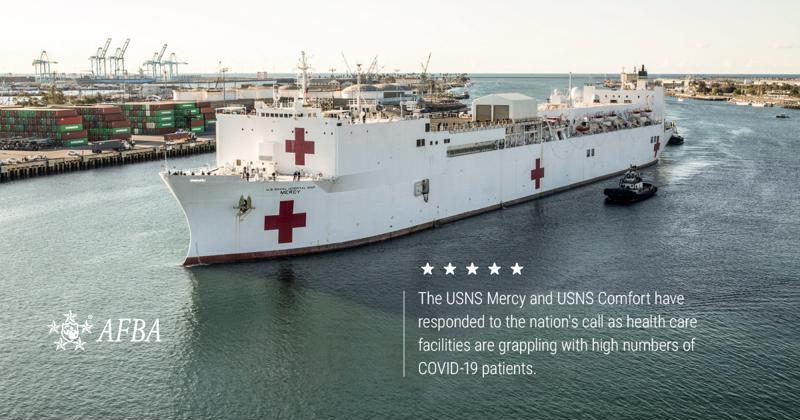
These floating hospitals have responded to the nation's call as health care facilities in major markets have exceeded capacities and grappled with a high influx of COVID-19 patients in addition to others needing medical attention. In March 2020, the hospital ships Mercy and Comfort were deployed to serve the West Coast and New York City, respectively, with the purpose of accepting and treating non-COVID-19 patients.
According to the U.S. Department of Defense, both the Mercy and Comfort hospital ships are nearly 900 feet long and travel at 12 knots. Each can accommodate up to 1,200 health care workers, 71 civil service mariners and up to 5,000 units of blood. There are 1,000 patient beds, 80 intensive care beds and 12 operating rooms, along with medical imaging suites, aboard each. Their white exteriors are emblazoned with nine red crosses, declaring their purpose and signaling that an attack would be considered a war crime.
Re-equipping for the fight against COVID-19
According to the U.S. Naval Institute, fleet systems engineers from the Naval Information Warfare Systems Command (NAVWAR) were called upon to quickly revamp the onboard systems for both vessels while they were en route to their destinations. This included new, fast and secure solutions that rely on fiber optic cables. These systems are critical for managing communications, patient health records and supply inventories onboard and in collaboration with partnering medical centers on land.
"We have been at the center of incorporating advanced technologies that enable new operational concepts for decades and today is no different," said NAVWAR Commander Rear Adm. Christian Becker in a Navy statement. "We have and will continue to innovate, lead and drive ways to speed delivery of advanced capabilities when and where needed to win this fight."
A new piece of Indiana legislation seeks to expand the definition of “first responder” to include public safety workers as well as 911 call-takers and dispatchers.
Indiana House Bill 1198 is a bipartisan proposal with support from five Republican sponsors and three Democrat sponsors. The bill passed the Indiana State House in January 2020 and the Senate in February. and has been signed by the Speaker of the House as well as the President of the Senate. As of March 18, 2020, it stands as an enrolled act, meaning it has been sent to Gov. Eric Holcomb for approval. The act would go into effect in July of this year.
 “The appearance of U.S. Department of Defense (DoD) visual information does not imply or constitute DoD endorsement.”
Defining ‘first responder’
“Public safety matters,” the Indiana bill states. It seeks to update the definition of first responder in Indiana to include those who are employed or volunteer as:
- Law enforcement officers.
- Corrections officers.
- Firefighters.
- Emergency medical service providers.
- Emergency management service providers.
- Public safety telecommunicators.
- “Any other individuals whose duties in serving a public safety agency include rapid emergency response.”
Currently, there is no formal definition of “first responder” at the federal level, although the phrase is often used by government leaders and advocates of the first responder community.
However, the synonymous term “emergency response provider” is defined in 6 U.S.C. 101(6) as “Federal, State, and local governmental and nongovernmental emergency public safety, fire, law enforcement, emergency response, emergency medical (including hospital emergency facilities) and related personnel, agencies and authorities.”
Increasing access to support resources
The Indiana bill seeks to clarify who these “related personnel” are. This not only honors the efforts of these unsung heroes but will make first responder support resources available to those who may need them.
“It is not just police, fire and EMS that have that connection with the people.” Ed Ward, Chief of Wabash Township Fire, said in a local news interview with WLFI. He added that the network of emergency response workers is more expansive than what has been acknowledged in the past.
Although Ward noted that it may be seen as just “an administrative law change,” he believes that “getting this bill passed is a huge step for Indiana” — and those working in the occupations soon to be designated as first responders.
“Some of those folks are incredibly impacted by that job,” Ward added, suggesting the mental health consequences of the high-stress dispatcher and public safety officer occupations.
At present, 911 call-takers and dispatchers are identified as “office and administrative support” workers, but this new legislation recognizes that their job responsibilities are not like other office and admin jobs.
Individuals in these roles may soon be eligible for benefits that have been restricted to law enforcement officers and other colleagues working on the front lines.
“They’ve never really thought that dispatchers would get PTSD,” Rob McMullen of Knox County Dispatch explained in an interview with 44News. “But [if] you figure in the dispatch community, they don’t really have a lot of people to talk to.”
Both Ward and McMullen believe this piece of legislation points to changes at the federal level. “It’s just the first step in getting classified federally,” McMullen said, where these hardworking emergency professionals “[may] be able to get some different benefits.”
First responders are often eligible for financial assistance programs, retirement funds, mental resources and support for surviving family members.
Military service members, firefighters and power industry workers regularly go into the line of duty outfitted in flame-resistant or fire-resistant (FR) clothing. Contractors have embraced innovative textiles to keep uniforms — and the people who wear them — safe. Here is a look at the occupational hazards that necessitate FR clothing and what FR uniforms must do.
Occupational risks
The mission of a firefighter necessitates clothing that can hold up to intense heat and raging flames. FR turnout gear and station wear must reliably offer high levels of thermal protection. But first responders are not the only brave professionals who require carefully engineered protective apparel.
Whether handling ammunition or withstanding enemy fire, the nation's military service members are constantly in harm's way. They need uniforms that enable them to do the work that must be done, without compromising their health and safety.
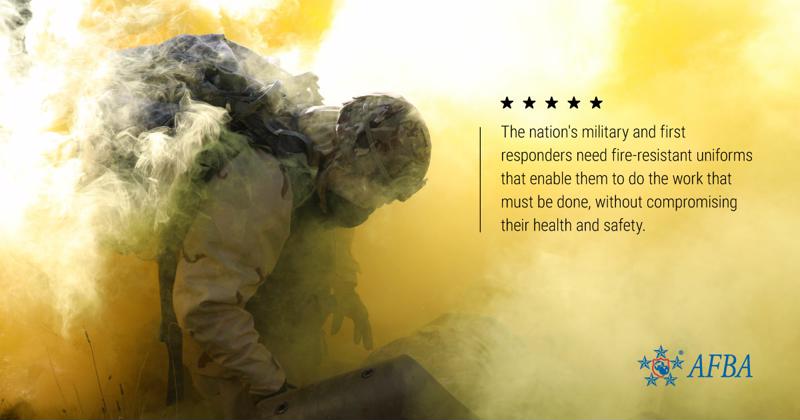
But, according to FR uniform manufacturer DRIFIRE, unsuitable textiles had been putting service members at risk. In 2007, two Marines were killed during a roadside bombing incident when their undergarments melted onto their skin. These garments were polyester — a plastic material which ignites, melts and drips when exposed to heat. Even when a uniform's outer layers are fire-resistant, improper base layers can still pose serious hazards. DRIFIRE notes that the U.S. Marines approached their company for a safer solution following this incident.
In the electric power industry, FR apparel is just as essential. According to the Occupational Health and Safety Administration (OSHA), the heat of an electric arc can exceed the surface temperature of the sun. Even a split-second blast can cause severe or fatal injuries. Combustible dust, flash fires and other unforeseen accidents mean that workers should be properly dressed at all times.
The role of fire-resistant clothing
Working hand-in-hand with OSHA, the Department of Defense and the National Fire Protection Association, the protective apparel industry has made significant strides since the early 2000s.
Workers facing heat, fire and electrical hazards are now required to wear FR clothing from head to toe, and from their undergarments to their outermost jackets. When layered properly, FR apparel provides a higher level of protection that is greater than what's offered by each individual piece.
For anyone serving in the armed forces, on an emergency response team or in the power industry, specialty clothing made from FR textiles is one important component of the personal protective equipment (PPE) that is worn.
For the greatest protection and comfort in the line of duty, fire-resistant uniforms should be:
- Inherently flame-resistant, meaning that the FR properties will not wash away or wear out. Rather than being finished with an FR treatment, the fibers and weave structure must offer the flame resistance themselves.
- Self-extinguishing to prevent the spread of fire, reduce the risk of burns and give workers time to return to safety.
- No-melt and no-drip to avoid bonding to the skin and causing severe burns.
- Low-smoking and non-toxic to prevent smoke-related injuries as the garment self-extinguishes.
- Slightly loose-fitting (but not excessively baggy) to create an insulating layer of air between each piece of clothing and the skin that helps resist the heat.
- Comprehensive with different pieces that are worn together, from the undergarments, middle layers and outerwear to headgear, additional uniform components and weather-related accessories.
- Moisture-wicking and fast-drying to help regulate body temperatures and keep workers as comfortable as possible in hot, stressful and physically demanding situations.
- Antimicrobial to prevent the growth of bacteria inside the uniform.
- Compliant with industry requirements.
Fibers that are prone to melting and dripping such as polyester, rayon, nylon and acetate are generally not utilized for FR clothing. Although natural fibers like cotton and wool will burn to ash rather than melt, they aren't entirely suitable either as they are not self-extinguishing.
Instead, companies in the protective apparel industry have developed and patented specialty textiles. These consist of a blend of unique fibers and innovative weave structures that meet the many demands of the field and keep service members and industry workers who wear FR clothing safe.
Briefing rooms and patrol cruisers across the U.S. are being upgraded with a new generation of law enforcement technologies. These innovative tools and systems enable first responder agencies to boost the efficiency and effectiveness of their communications, crime prevention measures and community protection.
The sheer power of many of these deep-probing technologies has raised some questions related to safety and transparency. Community stakeholders are eager to know how these advanced data processing systems can be safely used in a way that doesn't infringe on peaceful citizens' rights and privacy. However, when used appropriately, they are already delivering results to law enforcement agencies around the nation.
Here are eight technological advancements police forces are adopting, and how they're using them:
1. Artificial intelligence for predictive policing
Predictive policing, or PredPol, systems rely on algorithmic technologies and advanced mapping capabilities, transforming large amounts of data into useful, real-time insights for patrolling officers. Artificial intelligence and machine learning capabilities allow PredPol to assess where criminal activities are statistically likely to occur. This can empower officers to more proactively patrol communities and position themselves strategically within their beat.
2. Unmanned aerial vehicles
According to Police Chief Magazine, there are roughly 1.1 million drones, or unmanned aerial vehicles (UAV), in the U.S. Nearly 350 police departments are currently taking advantage of their ability to assist in search and rescue operations, gather real-time intelligence from high-risk situations, monitor crowds and add new perspectives during crime scene analysis.
3. Automatic license plate recognition
The automatic license plate recognition (ALPR) technology used by law enforcement agencies is similar to what's used to collect tolls on toll roads. Police departments are now employing ALPR to identify stolen vehicles, monitor roadways for license plates that match up with AMBER Alerts and more.
4. Facial recognition software
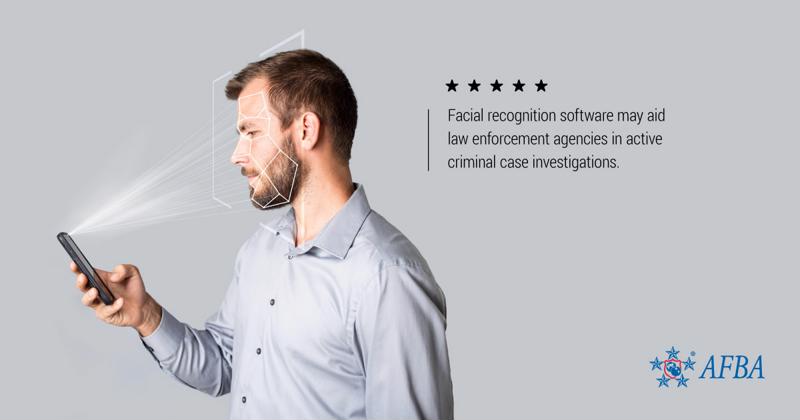
Biometric data and the systems that collect and analyze it, including facial recognition software, poses a variety of privacy concerns when used by government agencies and private companies alike. However, these technologies may offer advantages to law enforcement agencies in target identification, trial evidence and active criminal case investigations, according to the American Bar Association.
5. Gunshot detection systems
Gunfire locators like ShotSpotter use acoustic sensors, artificial intelligence and algorithms to identify the source of live gunfire, according to the Associated Press. The strategically located sensors continually monitor for potential gunshot sounds and triangulate the source so that officers patrolling parts of the community miles away can rush to the scene.
6. Integrated body and dash cameras
Body-worn cameras and police dashcams record on-duty police work through first-person perspectives. New developments in inter-connected camera systems allow for synchronized high-resolution footage and audio recordings across multiple points of view. More accurate data helps clarify incident escalation to protect community members as well as the first responders that wear the body cameras.
7. Rugged mobile computing devices
New field-ready mobile phones, tablets and laptop computers help law enforcement officers streamline communications and access vital information when on-the-move. This new generation of devices offers secure and compliant data storage, durable construction and impressive battery life.
8. IoT-enabled devices
Many of the aforementioned tools and systems connect through the Internet of Things (IoT). Surveillance drones, body cameras, mobile devices, and other sensors, cameras and detection systems can all connect and feed into an advanced system. With this, law enforcement agencies can work not just across their own departments but with community partners to implement crime prevention measures.
A draft memorandum of a White House artificial intelligence report was released earlier this year, offering guidance to federal agencies on how to regulate the use of AI.
 “The appearance of U.S. Department of Defense (DoD) visual information does not imply or constitute DoD endorsement.”
American leadership and AI technologies
Released by the Office of Management and Budget (OMB), the draft memo was developed to comply with the 2019 Executive Order on Maintaining American Leadership in Artificial Intelligence.
This order states that the U.S. “must drive technological breakthroughs in AI” across the public and private sectors “in order to promote scientific discovery, economic competitiveness, and national security.”
It also asserts that the U.S. “must drive [the] development of appropriate technical standards and reduce barriers to the safe testing and deployment of AI technologies.”
As such, the OMB’s 2020 draft memo indicates that White House officials strive to prevent AI over-regulation, encourage its adoption and support American leadership in the field.
Stewardship of artificial intelligence
The draft memorandum covers 10 “Principles for the Stewardship of AI Applications.” Agencies are asked to consider the following points when reaching regulatory and non-regulatory decisions about the development and implementation of AI technologies outside of the federal government:
1. Public Trust in AI: Despite the possible risks associated with AI adoption, artificial intelligence is expected to have positive impacts on social and economic life. As such, federal agencies should further “reliable, robust and trustworthy” uses of AI to help encourage public validation and trust.
2. Public Participation: Agencies are encouraged to provide ample public information and invite citizens to contribute to and participate in the rulemaking process.
3. Scientific Integrity and Information Quality: The draft memo asks that agencies “leverage scientific and technical information and processes” that are held to “a high standard of quality, transparency, and compliance” when formulating regulatory and non-regulatory approaches.
4. Risk Assessment and Management: Before making decisions on AI regulation, agencies should apply risk assessment and risk management best practices and maintain transparency about any findings. This approach is intended to “avoid hazard-based and unnecessarily precautionary approaches to regulation that could unjustifiably inhibit innovation.”
5. Benefits and Costs: Agencies are urged to assess “the full societal costs, benefits and distributional effects” associated with AI-related measures. This involves considering the impact on systems and processes AI tools are intended to replace.
6. Flexibility: The draft memo notes that “rigid, design-based regulations” around AI-related technical specifications will be unsuitable, and may cause American companies to fall behind other global leaders. Instead, it advises agencies to undertake “performance-based and flexible approaches” that can be easily adapted to evolving AI technologies.
7. Fairness and Non-Discrimination: Agencies should be mindful that, while AI has the potential to minimize discrimination and bias caused by human activities, it can also have the opposite effect. As such, agencies must consider non-discrimination and fairness as related to the results and effects of AI applications.
8. Disclosure and Transparency: The draft memorandum advises that disclosure and transparency around AI technologies and the rulemaking process can increase public trust, encouraging agencies to uphold these practices.
9. Safety and Security: Agencies are asked to promote AI applications that are “safe, secure and operate as intended.” They should carefully consider data security measures and integrity when addressing AI applications.
10. Interagency Coordination: Finally, the document calls upon agencies to work hand-in-hand to promote AI policy consistency and collaboratively reach decisions that “advance American innovation and growth in AI, while appropriately protecting privacy, civil liberties, and American values.”
This draft memo of the White House artificial intelligence report suggests a focus on innovation and public validation, and a desire to prevent burdensome regulatory and non-regulatory measures that may stunt growth in this rapidly evolving field.
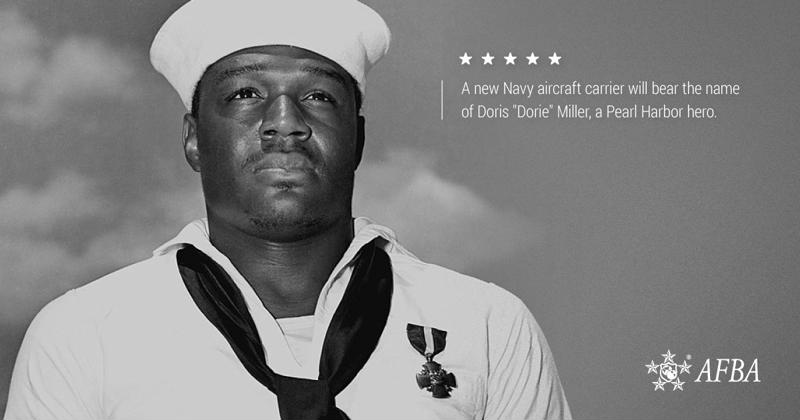
On Martin Luther King Jr. Day, 2020, Acting Navy Secretary Thomas Modly christened a new Navy aircraft carrier in honor of the African American WWII hero Doris "Dorie" Miller. The ceremony was held in Pearl Harbor, the site where Miller demonstrated combat valor that earned him the Navy Cross in 1941.
Miller's service in the racially segregated Navy
Born in 1919 as the grandson of enslaved laborers, Dorie Miller was raised in the segregated community of Waco, Texas. After dropping out of high school in order to help his family make ends meet, Miller looked to the armed forces for a source of steady work. In September 1939, at 19 years old, he enlisted in the U.S. Navy.
At that time, African American men who wished to enlist had to attend a racially segregated boot camp and were restricted to serving in the role of messman. Black mess attendants essentially worked as servants to white officers. They were responsible for shining shoes, making beds, doing laundry and waiting tables. And, instead of wearing buttons with the Navy's insignia on their uniforms, men like Dorie Miller were given uniforms with unmarked buttons.
On the basis of race, these mess attendants were ineligible for promotion or special training. And the only interaction black Navy servicemembers were allowed to have with gunnery was to feed ammunition to primarily white gunners.
Becoming a Pearl Harbor hero
Miller was transferred to Pearl Harbor aboard the battleship West Virginia, due to growing pressure between U.S. and Japanese forces.
Dorie Miller was below decks doing laundry the morning of Dec. 7, 1941 when the Japanese Imperial Navy launched a surprise attack. He immediately sought an assignment and was tasked with carrying his mortally wounded commanding officer, Capt. Mervyn Sharp Bennion, to shelter.
While the battleship sustained continued torpedo damage and heavy air fire, Miller started feeding ammunition into a machine gun, under orders from a junior commissioned officer. Noticing an unattended second gun, Miller jumped into action, launching fire on the Japanese planes overhead with absolutely no training or experience.
According to Navy Times, Miller later recalled that "when the Japanese bombers attacked my ship at Pearl Harbor I forgot all about the fact that I and other Negroes can be only messmen in the Navy and are not taught how to man an antiaircraft gun."
After exhausting his store of ammo, Miller proceeded to rescue other Sailors from the waters and decks as they were engulfed in flames. He was one of the last three men to exit the West Virginia.
Miller's heroism soon circulated in stories out of the Navy's press office, although his name remained unattached to his actions. Eventually, after much debate, Miller was awarded the Navy Cross in May 1942, becoming the first African American Sailor to be recognized with the medal. He then conducted a war bond tour, speaking across the country and urging black communities to support the war effort.
Miller's death and legacy
On Nov, 24, 1943, Miller was aboard the escort carrier Liscome Bay, which was loaded with massive quantities of oil, bombs, and ammunition. After being hit by a Japanese torpedo, the ship exploded, killing Miller in action.
While Miller's actions and memory did not end racism and segregation in the U.S. Navy, they did serve as a catalyst for lasting change. After his death, the Navy launched a program that graduated 13 African American officers in 1944. In 1973, a new Navy destroyer was named in Miller's honor to carry on his legacy.
"He died as he lived, an American sailor defending his nation, shoulder to shoulder with his shipmates, until the end," Modly said during the recent aircraft carrier naming ceremony. "Dorie Miller stood for everything that is good about our nation. His story deserves to be remembered and repeated wherever our people continue to stand the watch today."
The U.S. Department of Veterans Affairs (VA) recently announced its request for a $243.3 billion budget for fiscal year (FY) 2021. The new figure signifies a 10.2% increase from the VA's FY 2020 budget.
This is the current administration's fourth consecutive VA budget increase proposal, which is consistent with the pattern of gradual increases over the past two decades. Military Times has reported that the proposed $243.3 billion budget for FY 2021 marks a 440% increase from the $45 billion VA budget just 20 years ago.
Priorities reflected in the new VA budget
Increasing veterans' access to traditional and mental health care services is a significant focus of the new budget. The budget proposes $313 million to fund suicide prevention programs and $626 million for expanded women's health care services. It also provides support for a modern medical care scheduling system designed to improve veterans' experiences and provide greater access to critical health care resources.
According to the VA budget documents, this proposal "supports key Administration priorities such as veteran suicide prevention and opioid abuse prevention programs, and continues to integrate the changes enshrined in the VA MISSION Act of 2018, providing veterans greater choice in and access to the medical care they deserve."
Streamlining and modernizing the VA's IT systems is another major priority reflected in the FY 2021 budget. A proposed $2.6 billion is earmarked for replacing outdated infrastructure through the ongoing electronic health record (EHR) modernization plan. This will ensure a seamless transfer of health data between the Department of Defense and the VA to ease the transition from active duty service to civilian life.
The budget documents explain that the proposal supports "critical priorities, such as electronic health record modernization and information technology (IT) enhancements, to strengthen efficiency, transparency and accountability within the Department."
Key VA budget changes
Notable VA budget increases in the FY 2021 plan include:
- An 82% increase in the funds available for EHR modernization.
- A 32% rise in the budget for suicide prevention programs, as part of a 7.2% increase in the budget for mental health services.
- A 14.1% increase in the resources allocated to health care, benefits, national cemeteries and discretionary funding.
- A 12.4% boost in the funding for IT infrastructure modernization.
- A 9% boost in the budget for women's health care services.
- A 7.2% increase in funding for benefit programs including veterans' housing, insurance, compensation, pensions and readjustment benefits.
"The budget request will ensure Veterans and their families experience health improvements and technological modernization advancements," said VA Secretary Robert Wilkie in a statement. "That's evidenced by the increase in budget funds we're receiving — that not only increase health care services and benefits to Veterans — but allow VA to lead the way in forward-thinking innovation."
Additional budget highlights
Under the current administration's proposal, titled "A Budget for America's Future," the VA is the only agency to see such a substantial budget increase.
If the $4.8 trillion funding plan is adopted by Congress, The Department of Homeland Security and the Pentagon would experience modest budget increases of 3.4% and 0.5%, respectively. The Commerce Department, the Department of Interior, the Department of Transportation and the Department of Labor would see double-digit budget reductions.
Despite the cuts, the budget documents assert that one of the top DOL budget priorities will be to "[support] the transition of the Nation's veterans, servicemembers and their spouses from active duty to civilian life."