
The needs facing veterans today are the same as those affecting everyone else. They need stability, security, jobs, places to live, peace of mind. When returning from active duty, however, these basic necessities can be hard to find. This is why it's heartening to see organizations stepping up to help the veterans living in their communities. Service members gave of themselves in their military roles, and deserve all the best once they are home. Their transitions to civilian life represent a big step that will determine the tone of their next few years.
Necessity No. 1: Jobs
Work can easily be the deciding factor in how an individual's life is going. When jobs are attainable and rewarding, everything else can fall into place. A recent Detroit News report indicated that the the U.S. Chamber of Commerce is making an effort to ensure veterans find willing employers upon their re-integration into communities on the home front.
The news provider focused on one event in Detroit's Comerica Park, set to be hosted by General Motors and the Detroit Tigers in collaboration with the Chamber of Commerce and the Michigan Veterans Affairs Agency. The gathering will feature representatives from more than 100 companies that are hiring, and the veterans themselves aren't the only ones who can benefit. The brands will also give consideration to the spouses of current and former military personnel.
According to The Detroit News, GM itself is very proactive in its hiring of veterans, and it also runs educational programs based around certifications in the automotive field. Sometimes, returning service members have experience that would be very valuable to civilian employers, but not the recognition that will prove it. These side programs will help with the accreditation process.

GM Military and Veteran Affairs Officer Keith Nattrass told the news provider that it makes sense for businesses to look at veterans as potential hires. He explained that the disciplined approach and openness to training that persist among military personnel are the kinds of skills that work well in civilian roles. Making the connection between employers and veterans works well for both parties.
Receiving necessary skills
Automotive skills aren't the only abilities being conveyed by classes pitched to veterans. The Salt Lake Tribune highlighted Culinary Command, which is designed to turn military personnel into competent cooks, ready for commercial roles, over the course of six weeks. The class ends with a "graduation dinner" in which the students cook for the public, and covers a wide variety of topics. Students don't pay, and all the costs involved in running the program are paid by donations.
The founder of Culinary Command, David James Robinson, told the news provider that he believes veterans are well suited to the world of professional cooking, where intense hours of work are carried out under a strict command structure. He noted that rather than learning a whole new set of skills, military personnel can re-tune their current proficiencies to become valuable members of a kitchen staff. Robinson has seen several of his graduates continue on cooking professionally after his training, and is proud that so many have done well, seeing as previous cooking knowledge is not a requirement to join the course.
It sometimes takes a tremendous effort for veterans returning from active duty to resume their lives in the civilian world. It's hugely important to support these individuals, both on personal and organizational levels, because the consequences of coming home yet not feeling part of society can be crushing for veterans.
Fortunately, people are rising to the cause all over the nation, creating programs that will smooth the path from the armed forces back into the towns and cities where veterans will reside once they come home. These can take many forms, but their efforts are all serving the same worthy cause.
Miami-Dade County gets United Way program
The Miami Herald recently focused on the launch of United Way Mission United in Miami-Dade county. This is a specialized process designed to help integrate veterans successfully into civilian roles after their time in the armed forces has ended. A similar program in Broward County served as a template for the new effort, and the need for such a process is clear: According to the Herald, there are more than 62,000 veterans now living in Miami-Dade County.
United Way Mission United is not based around one single method of helping veterans. Instead the news provider stated that it consists of smaller programs each designed to address one element of the re-integration experience. On a macro level, the organization pairs veterans with case workers who periodically make sure their assigned individuals are doing well.
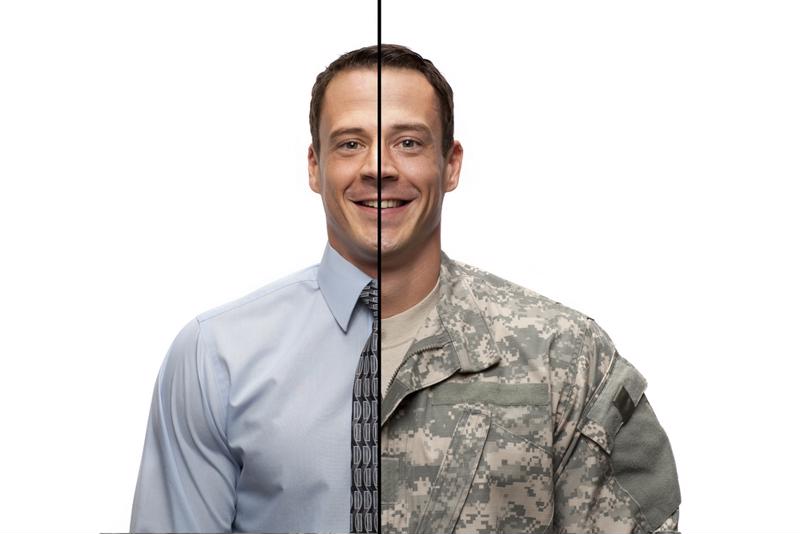
Beyond the use of case workers, there are social functions that keep veterans active and in contact with one another and the public at large. For instance The Miami Herald reported that on Warrior Wednesday, individuals gather at United Way's headquarters for discussions. Another facet of the program is a get-together to celebrate the Army-Navy college football game. The focus is on creating community spaces in which veterans can interact, taking away feelings of isolation that might set in after leaving the military.
The news provider reported that despite the relative newness of Mission United, it has already been helpful. Army Reserve Specialist Franck Kouadje told the source that his struggles following a car accident were eased by the program.
The importance of connection
In a recent Military Times piece on Lockheed Director of Government Relations Joe Rice, he spoke about his own transition from active duty to the Army Reserve and urged veterans to take part in community activities. Isolation is dangerous, and the stark differences between military service and civilian life can take a serious toll if individuals are on their own rather than interacting.
Rice explained that his employer offers its own group for veterans who want to connect with one another and avoid becoming too closed off. Whether through one of these organizations or one that serves a community, such as in the United Way example above, veterans returning home have options when it comes to increasing contact and staying in touch. The journey from soldier to citizen is critical but difficult, and going it alone tends to just make it more taxing. That simple fact highlights the value provided by groups.
Women serve in a full range of roles in the military but, according to a recent report by Southern California Public Radio, they don't always feel adequately recognized or visible once they leave the armed forces and return to civilian life. The Department of Veterans Affairs, to its credit, has resolved to take steps to change this status quo and give female veterans a reception equal to that of their male peers. Taking the next step in such processes is critical in taking the next steps and improving the VA overall.
Becoming welcoming to women
According to the report, VA officials realize that a lack of services for women has resulted from the organization's founding with men in mind. Their task now is to expand the purview of VA hospitals and other affiliated agencies. Dr. Patty Hayes, who is serving at the chief consultant in the effort to serve female veterans more effectively, told Southern California Public Radio that today, 15 percent of individuals leaving the armed forces are women. During World War II, the figure was only 2 percent, which is a large reason why the system was created the way it was.
The news provider cited stories from women who have felt overlooked, either when going for care or in general. There is still a mainstream perception that military careers are solely male, and female veterans can have an uphill struggle to be recognized for their accomplishments and receive the treatments they need.
"It's weird to me that people don't think, or even let it into their head, that females go into the military and serve their country as well as men do," Ramona Yates, a Marine Corps veteran, explained to Southern California Public Radio. "It's interesting and bothersome at the same time."
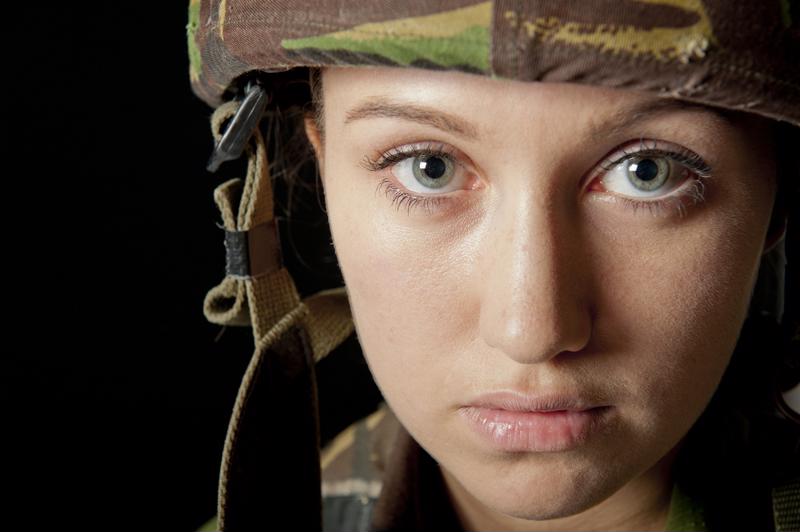
Yates told the radio station that she goes to a women-only clinic opened by the VA, but feels "invisible" when in other areas of the hospital. This is the kind of environment that will have to change as the VA grows and becomes more capable of supporting all service members in their needs, specifically in getting them the medical care they need.
A huge impact
As previously mentioned on this blog, the suicide rate among veterans remains staggering. Getting the rate down requires drastic attention and, relevant to the VA's female outreach efforts, women in particular can be prevented from taking their own lives through active engagement with medical services. A recent VA study determined that the suicide rate among female veterans increased 4.6 percent since 2001 for those in contact with the VA – and 98 percent for those who don't deal with the VA.
Seeing such plain evidence of the positive effect health services can have on individuals' lives, the need to make women feel more included becomes obvious. By increasing outreach and introducing specialized programs, the VA is in a position to positively impact lives. The armed forces today are more diverse than ever before, and the constant presence of female service members can't be ignored. Programs for veterans are moving in the right direction by acknowledging these individuals' contributions.
It's vitally important that communities have plans in place to help returning veterans re-integrate into civilian life. The unique strain of serving in the armed forces means these individuals sometimes have a circuitous route back to a happy and healthy everyday life. Fortunately, many cities and states have implemented helpful programs that aid veterans and family members in several ways. They can serve as examples of how to assist military personnel in times of need.
Several efforts involved in military outreach take the form of sports events or leagues. The communal spirit and pulling together associated with games can serve as a bridge between the sometimes-isolated world of returning veterans and the communities they have come home to.
Hockey league opens doors to veterans
A recent report from The Oakland Press highlighted a hockey program that caters directly to veterans with a current or pending disability rating, as well as those who earned Purple Hearts while serving. The news provider explained that there is no need to be an expert in the sport – any individual fitting the above criteria can participate, from the most to least experienced in hockey. The Michigan Warriors Hockey Program creates a space for hurt veterans to communicate and engage with one another in a recreational setting, hopefully helping them rejoin civilian life.
Wheelchair lacrosse proves life-saving
Fox6, a local news station in Wisconsin, reported on another league designed to help those with disabilities. Playing wheelchair lacrosse has proved to be an important and positive outlet for veterans who have suffered traumatic wounds. The psychological strain that can come with such an injury is a real risk, and playing a sport designed for those with a physical disability has the potential to restore hope and optimism.

"Many have gone down to the wrong pathway where there's drug abuses, violence. As soon as we bring them into adaptive sports and give them an ultimatum, 'We will kick you out if you go back to that life' – almost 100 percent of them turned around," Dr. Kenneth Lee, wheelchair lacrosse team founder and an Iraq veteran, told Fox6.
The news provider noted that the wheelchair lacrosse league is made up of veterans and civilians alike, brought together by the desire to enjoy a game with the attendant camaraderie and teamwork.
Games reach 36th year
Sports have long been harnessed as a way to help injured veterans engage with life after service. In fact, as Salt Lake Tribune columnist Kurt Kragthorpe pointed out,the National Veterans Wheelchair Games are in their 36th year. The event is an ambitious blend of sports and games, and this is the first year that it will include bobsledding – though just as an exhibition this time around.
This year's event has drawn more than 625 athletes who have served in the U.S. military, showing that there are many people eligible for such competitions. As more of these events pop up around the nation, individuals with pressing needs can find exciting new opportunities through sports and games. There is more than one way to help a veteran re-integrate into civilian life, and plenty of examples have appeared lately.
When service members return home and re-integrate themselves into civilian life, they often face challenges related to their time on active duty. The unique strain of military service can prove harmful unless these individuals receive assistance from concerned third parties. Thankfully, such groups are stepping up their efforts to be helpful and improve quality of life for veterans who have returned home. Facing longtime challenges with new technology is one of the interesting trends developing in this space lately.
Valuable counseling via text
A recent Military Times report zoomed in on an effort to connect individuals in crisis with help. The source noted that the military community is coalescing around the service, Crisis Text Line, which was originally developed for teenagers facing difficult situations. Over its three years of operation thus far, the line has branched out into new groups of individuals facing personal crises, veterans among them.
According to Military Times, it's impossible to tell exactly how many service members are receiving these texts due to the confidential nature of the program. That said, the organization behind the service believes military use is up 33 percent over two years. These service members are seeking help facing issues that can be triggered or exacerbated by the strain of life in the armed forces, depression, anxiety and suicidal thoughts among them. Furthermore, financial problems tend to be more common than expected. All of these issues deserve attention to keep sufferers safe.
Due to the line's wide-ranging nature, urgent texts from a number of different groups are receiving replies, the source explained. Military members on active duty can text the line, as can veterans and family members helping their loved ones deal with these issues or facing problems themselves. The line's founder, Nancy Lublin, told Military Times that while the organization does not provide ongoing counseling or therapy, it seeks to assist those in moments of crisis, de-escalating trouble and helping individuals move forward.

Filling a vital need
Services that help veterans through crises are valuable and much-needed at present. The Wall Street Journal recently reported on a sobering VA report that showed the suicide rate among veterans is still shockingly elevated. The survey, designed to determine an accurate figure of how many veterans commit suicide each day, put the daily figure at 20. That is lower than the 22 a day determined by previous research, but still frighteningly high, showing signs of a persistent crisis in the veterans community.
The Wall Street Journal reported that suicide is most pronounced among older service members, with 65 percent of those who die this way being 50 years old or older. The news source also noted that there are new efforts afoot to try and bring the rate down dramatically. Now, for instance, the VA has committed to holistic treatment methods that will seek out previously undiagnosed issues and hopefully intervene before it is too late. Mobilizing new efforts to save lives is necessary as a wide variety of groups attempt to make life better for those who have given so much to the country through their service.
Health care is one of the basic services every individual needs. Ensuring that no veteran goes without this necessity, no matter the types of health problems an individual may be facing, is one of the most pressing efforts facing the veterans organizations active today. The past few years have seen great strides and some setbacks, but through it all there has been a focus on achieving positive new outcomes for service members who have returned to civilian life.
The VA takes on cancer
According to Military Times, the Department of Veterans Affairs is part of a massive new effort to fight cancer using any means possible. The source noted that the current project comes from a White House initiative referred to as a "moonshot" and budgeted at $1 billion. The stated aim of the plan is to spend five years of concerted effort gaining 10 years' worth of medical knowledge.
The practical element of the partnership involves new capabilities for hospitals aligned with the VA. According to Military Times, the veterans organization now has agreements with the National Cancer Institute, Prostate Cancer Foundation and more. This is on top of an alliance with computing giant IBM and its Watson artificial intelligence program.
"We're essentially taking expertise that exists in our high-end centers and making sure that it is available in even our most rural centers," VA Undersecretary for Health Dr. David Shulkin told the news provider. "It's going to result in different treatment options and better decisions, and making sure every veteran is getting world-class cancer care."
The department's targets are ambitious when it comes to how many individuals will receive treatment – Military Times explained that 10,000 or more veterans are in line for therapy to help combat cancers. The involvement of the IBM computer may help doctors concoct treatment regimens that are personalized to each patient. This level of customization can help save lives, and it is fast: The news source reported that Watson requires as little as a day to create treatment plans in some cases.
The VA's efforts to defeat cancer are notable for their focus and ambition, and they should represent a promising addition to the capabilities of affiliated hospitals and other medical facilities. Every improvement to VA care is good news for veterans, whose care needs once they return from active duty need to receive consistent and sustained attention.
The drive to improve
The anti-cancer initiative is part of a greater effort to improve medical care at the VA. Massachusetts TV station WWLP recently reported that the recently released congressional report into conditions at the organization shows signs of progress. The VA has hired over 100 workers since over the course of two years, and while consistency is still in line for improvement, 97 percent of medical appointments at VA facilities are now handled within 30 days.
Veterans' service must be rewarded with great treatment once they have returned home. Therefore, the ongoing improvements to VA medical care, both incremental and drastic, are welcome developments. Leaders within the organization will no doubt strive to keep progress going over the next few years and beyond.
The idea of "cloud security" might sound to average individuals like something they don't have to worry about on their own. After all, the term alone may seem a little complicated, and this type of online service isn't necessarily used by everyone, at least not actively. However, people should understand that if they have smartphones and other connected devices, they may be saving things like pictures, videos, documents, or simply songs to the cloud without even realizing it.
And for that reason, people need to do more to educate themselves about what the cloud is, and how they can use these platforms without putting themselves at risk of identity theft. One recent study found that in 2017 some 443 billion gigabytes (or 443 exabytes) will be used in the cloud worldwide every month, up about 350 percent from cloud traffic seen in 2012, according to a report from Dark Reading. Furthermore, cloud traffic is expected to grow another five times or so over the next five years.

How to protect it
When people are saving things to their own personal cloud services, whether it's via Dropbox, Google Docs, Apple iCloud, or something else, what they have to keep in mind is these accounts should be protected like any other online account. That ought to include having a robust password – at least 10 characters, with numbers, letters, and symbols included – and only uploading files that are free of personally identifying information or financial data that could be used in identity theft.
Moreover, people should only connect to these accounts when they know they are on a secure internet connection. What that means is they shouldn't access personal accounts like this if they're using public WiFi networks, such as those at a cafe or even their respective offices. Simply put, when uploading or downloading sensitive information online, people should be sure they can trust the connection.
Taking the next step
Some security experts also recommend investing in some platforms that could provide additional layers of security, the report said. For instance, some cloud services come with encryption so that only the people who are supposed to access a given file can actually view it, while others do more to give users control over their accounts on an ongoing basis. This, of course, often requires people to pay for their cloud services, which may go above and beyond what they think will actually be needed to do to protect themselves. However, experts would further caution that if sensitive data is being put onto those servers, it's always better to be safe than sorry.
Indeed, the best advice people can get when it comes to online security of any kind is to be cautious and use common sense whenever possible. While some may not tap cloud services much right now, it's likely that their use of these platforms will grow in the near future, and the more they can do now to understand the risks that can come with it, the better off they'll be down the road.
The vast majority of parents across the country know full well that their kids are online for big chunks of almost every day. Whether they're chatting with friends, watching videos, or spending time on social media, children tend to live a lot of their lives on the internet. However, that comes with an inherent risk, because many may not know about the potential threats they face online. It's therefore very important for parents to educate them about how to avoid these problems.
One issue that many kids face online is that cyberbullying is still quite prevalent on social networks, according to a report from the Wichita Eagle written by Denise Groene, the state director of the Better Business Bureau of Kansas. While this used to be playground or classroom territory in the past, the ability of mean kids to track down and harass others online spreads to 24 hours a day with the internet, and can be extremely harmful. As such, telling kids how to handle and report this type of treatment is vital to their ongoing mental and perhaps even physical health.

What else should kids know about social networks?
In addition, kids may not have the filter to know what they should and shouldn't say or do online, Groene wrote. (This is, unfortunately, also true of many adults.) Problematic posts – like those with objectionable language, photos, videos, and so on – can end up coming back to haunt them even years later, and do damage to their reputations that can cost them significant opportunities down the road.
How to keep kids protected
Of course, it falls to parents to help kids understand the threats they face online, and not just from their peers and themselves, the report said. Kids may also serve as prime targets for criminals looking to steal personal or otherwise sensitive information, particularly when it comes to phishing scams that ask them to simply turn the information over. Most children aren't going to be savvy enough to identify these potential threats of this kind, often because no one has told them what to look out for.
This is also true when it comes to kids potentially clicking on links or downloading files that contain viruses and other malware, which can then be used for things like identity theft, said Groene. For this reason, it's important for parents to not only talk to their kids about what they should and shouldn't click on, but also to make sure every device on their networks has comprehensive anti-virus, firewall, and other security software in place. That can help to ensure that even if a mistake is made by a child, the resulting damage will be as limited as possible.
Again, many adults may not know the ins and outs of cybersecurity in this regard. As such, the more they can do to educate themselves before passing any knowledge on to their kids, the better off everyone in the household is going to be in the future.
People probably hear about issues like cybersecurity and hacking all the time, but it's often one of those things that gets ignored, or at least categorized as something that "can't happen to me." But the truth of the matter is that there are so many cyber threats out there that even if hackers aren't targeting any individual specifically, random people still run the risk of having their computers, networks, and devices affected by these issues.
As a result, there's probably a lot the average person needs to know about cybersecurity in general, but doesn't, according to a report from the consumer financial advice site Bankrate. The first and most important issue in this regard – especially for people who bring laptops out of their homes on a regular basis – is that they should password-protect their phones, computers, and networks. The best passwords tend to be long and random, and incorporate letters, numbers, and symbols. Having that as a first line of defense if a device is lost or stolen – or even if a hacker tries to gain access – could be hugely beneficial.
Likewise, people who take their laptops out of the house and connect them to public Wi-Fi networks should be extremely cautious about doing so, the report said. If an average user can connect to a network, so can a hacker, and at that point the cybercriminal can monitor all the transmissions on that network. As such, people should never use these connections to send sensitive data including personally identifying or financial information.
Take other precautions
In addition, many people may find themselves annoyed by pop-ups on their computers asking them to click links, but they shouldn't be encountering these intrusions, the report said. That's why things like firewalls, anti-virus programs, and malware scanners can go a long way toward ensuring that people's devices, their personal networks, and most importantly their files and sensitive data have additional layers of security between them and the outside world.
Another issue
Of course, all these things prevent hackers from actively gaining access to a system, but what about passive threats? After all, many consumers have their personal information stolen because they inadvertently download attack programs, rather than someone actually going to the trouble of hacking their systems, the report said. As such, it's vital that people know what to look for when they download things or visit certain sites.
However, it's not always easy to identify these threats unless people know what they're looking for, the report said. For instance, loved ones whose systems were infected may seem to send emails with attachments that appear to be photos or other non-threatening files, but are actually viruses or malware. If things don't seem like they're on the up-and-up, it's better to be safe than sorry, and just avoid them.
In general, the more that can be done to follow common-sense steps for even basic precautions, the better. The best practice when it comes to keeping a device or network safe is to be vigilant and carefully consider security on an ongoing basis.
Millions of Americans use Wi-Fi internet connections on a daily basis, and rarely encounter problems with them. However, depending upon where and how they use those hotspots, they may be putting themselves at significant risk of hacking attacks, identity theft, and the like. As a consequence, it's important for people to remember the best security practices for using Wi-Fi both in their homes and in public, because even knowing the basics can be incredibly helpful.
The area where consumers face the biggest threat on Wi-Fi is when they use it in public, at places like coffee shops, restaurants, shopping centers, and so on, according to a report from Investor's Business Daily. That's because if one person can use them, anyone in the area can, including people who plan to hack those networks. And because so many people connect not only laptops, but also smartphones and other devices to these networks, that may put them at significant risk for being targeted.
"When you join a Wi-Fi network, and I can join that same network, I know that I can attack your computer," Josh Wright, a Providence, Rhode Island-based security consultant, told the site. "And the Wi-Fi hot spot provider, whether it's a coffee shop or whatever, really has no interest in providing additional security for you because that's an added cost for them."

What can be done?
The smartest thing people can do with respect to staying safe on public Wi-Fi networks is to not use them, but sometimes this is unavoidable, the report said. For that reason, it's also smart for anyone connecting to such a network to make sure they have up-to-date virus protection and firewall software that can help them detect any efforts to gain control of his or her system or the files contained on it.
Another important issue to keep in mind here is that not joining a Wi-Fi network on a smartphone is actually the most secure thing that can be done, because these devices have unique one-to-one connections with the service provider and their transmissions cannot be intercepted in nearly all cases. As such, when there is a need to transmit sensitive data, including credit card or bank account details, private personal information, and so on, using these devices without Wi-Fi is often a smart way to go.
What about at home?
Meanwhile, it's important for people to make sure the Wi-Fi networks they use at home are secure as well. In much the same way unprotected public connections can allow hackers access to people's computers, home networks can fall into the same category as long as any potential attackers happen to be in the area. Consequently, home computers should also have anti-virus and firewall programs installed, and passwords for home Wi-Fi networks should follow industry standard guidelines.
The best passwords are those that are long, and which incorporate a series of numbers, letters, and symbols. It's often even wiser to make those passwords totally random, and change them on a regular basis. By doing so, consumers can make sure all their most important information is kept as secure as possible.