
There have been plenty of headlines in recent years about the ways in which health care systems – both public and private – sometimes fail veterans and their families. The good news, though, is that with increased visibility of these issues comes a stronger push to fix the problems former service members face in getting the care they need. And while that might not provide much relief right now, the ability to get those wheels in motion could pay off considerably down the road.
One such issue that recently began to gain attention in the Midwest is in Sioux Falls, South Dakota, where an elderly veteran who needed to go to the hospital was taken by ambulance to a non-VA care center, according to a report from the Sioux Falls Argus Leader. The portion of the bill that came from that hospital stay and wasn't covered by Medicare Part A came to nearly $10,000 and needed the VA to either approve or deny its coverage of those costs so his family could move forward.
That has yet to happen, despite the fact that the vet is now in hospice care, the report said. As a result, it may be difficult for his family to proceed with other issues they need to address.

A common problem
Unfortunately, long delays in getting VA approval for non-VA care when they have another insurer are well known among vets across the country, the report said. Hundreds of thousands have been left in the lurch over the years, and federal lawmakers have worked to draw attention to the issue. U.S. Senators Mike Rounds and Amy Klobuchar – a South Dakota Republican and Minnesota Democrat, respectively – have asked the VA to hurry this process along and resolve lingering financial problems for many veterans nationwide.
This comes in the wake of a ruling from the U.S. Court of Appeals for Veterans Claims made back in April, which said the VA should have to take care of vets' bills when another insurer is involved, the report said. However, the VA is appealing that ruling.
Other VA issues
Meanwhile, the VA is no stranger to controversial issues stemming from to how it handles veteran care and related issues, as evidenced by a recent investigation from USA Today. Specifically, the investigation turned up internal ratings for VA care centers across the country, which previously hadn't been shared with the public. As a result of the investigation, the VA moved to publish that data on its website so that people could more carefully evaluate the quality of care they might be able to receive in their regions.
"120 of the 146 medical centers saw some improvement."
"I am glad to see these ratings finally made public," U.S. Rep. Martha Roby, an Alabama Republican who has been pushing for the disclosures, told the newspaper. "This not only helps veterans know basic information about their health care options, it allows stakeholders in the community and members of Congress to demand better of the VA when improvement is needed."
The good news for veterans at this time is that greater publicity of the VA's struggles with quality of care seems to be pushing hospitals in the right direction, the report said. In all, 120 of the 146 medical centers listed – more than 82 percent – saw at least some improvement in their ratings from 2015 to 2016. Meanwhile, only five posted declines in quality of care during that same period.
But despite these improvements, federal lawmakers say they want even more transparency from the VA and pledge to work toward new ways for veterans to get as much information and high-quality care as possible, the report said.
Moving in the right direction
The good news is that veterans' feelings seem to match internal VA metrics for measuring quality of care, according to the Harvard Business Review. A recent poll found that 3 in 4 veterans say they get effective care and service from the VA, up from fewer than 2 in 3 a year ago, and organization officials say a big part of that improvement has come as a result of inward focus. The VA now works with medical professionals both from within and outside the military as a means of getting a more holistic view of how best to treat the nation's service members, which particularly helped to identify inefficiencies with previous systems.
Further, one of the big complaints about the VA was always that it was a little too rigid in how it dealt with veterans who needed care, the report said. Now, leaders say the organization is far more focused on principle. VA employees say they feel they have greater agency to achieve various goals they might not have if they were strictly adhering to rules and regulations.
Veterans who regularly tap VA services for their various health issues may see the improvements mentioned above slowly but surely, and that can provide some necessary peace of mind as they pursue a happy, healthy civilian life.
While the organizations, systems and legal frameworks available to veterans are far from perfect, there has been recent progress in several relevant areas. One improvement has been the increasing understanding of post-traumatic stress disorder and the greater number of solutions put into place to address it among veterans. Nonprofits and government agencies at all levels have taken divergent approaches to assist vets struggling with PTSD. Some of the latest breakthroughs have come in the form of new legal protections directly dealing with stress in the military.
Spending authorization bill addresses PTSD, other mental traumas
The recent National Defense Authorization Act conference report included a bipartisan bill designed to assist veterans with metal traumas, including PTSD. The piece of legislation was put forward by senators Gary Peters, Steve Daines, Thom Tillis and Kirsten Gillibrand, according to The Oakland Press. It ensures that when service members leave the military with a less than honorable discharge caused by mental trauma, there are structures in place to assist them. Disorders left untreated can become even worse for their sufferers, making such legislation vital.
"Discharges may sometimes be directly caused by the symptoms of mental trauma."
Less than honorable discharges typically cause veterans to become exempt from many benefits which take effect after their service. The news source noted that the behavioral issues that lead to such discharges can be minor, and may sometimes be directly caused by the symptoms of mental trauma. In such cases, it's clear that veterans need help and assistance, rather than a severed connection to further government programs.
"This legislation will give our brave men and women who are suffering from the invisible wounds of war an opportunity to access the benefits they've earned through their service," Sen. Peters said, according to the source. He praised President Barack Obama for signing the bill into law.
Sen. Peters is himself a former U.S. Navy Reserve lieutenant commander. He restated his efforts to ensure veterans have help from the federal government as they transition into civilian situations. Those with traumatic brain injuries, PTSD, or any mental conditions brought on by trauma, will stand a better chance of making that move due to the passage of the recent amendment.
More specialized assistance needed
While the aforementioned bill and others like it will undoubtedly help some veterans, there's always more to do in the fight against trauma-related disorders. According to Idaho news channel KIDK, there is a need to focus on mental health services specifically for female veterans. With more women serving in the military than ever before, it stands to reason that they are being increasingly affected by the issues that can harm service members.
Army veteran Kelly Thompson told the news source that more specialized offerings are necessary, as female veterans sometimes feel hesitant to speak out about their experiences, especially if they are related to sexual harassment or assault. KIDK noted that the Female Veteran Suicide Act, signed into law by President Obama in June, tasks the Department of Veterans Affairs with investigating new ways to ensure female veterans receive the help they need. The suicide rate among female vets is six times that of women who have never served, and demands immediate attention.
When veterans get home from serving their country, many have a number of options available to them. And while some take job offers straight away and others choose to start their own businesses, a healthy portion instead decide to head to a college campus in pursuit of a degree. However, some of them may have a difficult time adjusting to the difference between military rigor and civilian life, and therefore need a helping hand to re-acclimate themselves. Fortunately, many colleges and communities are now investing in counseling and other mental health services to specifically serve these veteran students.
Experts generally agree – and there's also plenty of anecdotal evidence to suggest it as well – that it's not always easy for veterans to make that transition without help, according to a report from the Military Times. As a consequence, more schools are recognizing this issue and devoting significant resources to helping vets feel connected to their classmates and communities.
How they do it
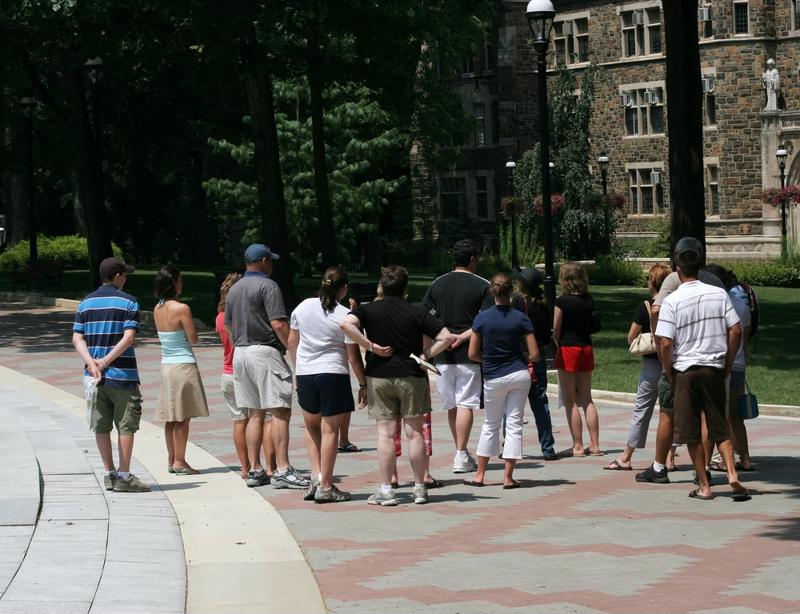
The first step most colleges take when it comes to making campus veteran-friendly is to reach out to vets to talk to them about their options for assistance soon after they first apply, the report said. That way, the former service members will often be able to weigh how best to proceed even before they arrive on campus. And once they do, veterans attending some schools may find their new communities have also developed veteran-specific orientation programs to better familiarize them with campus life.
"Most colleges reach out to vets soon after they first apply."
Next, it's vital for various veteran support services to coordinate carefully throughout the year so that they catch any problems veterans may encounter before they become significant issues, and work together to support former service members through any difficulties they may have. That can include working with professors to adjust exam times and class scheduling to better accommodate each veteran's specific needs. In the end, everyone on campus wants to see veterans succeed, so this level of coordination is typically undertaken enthusiastically.
"To come on campus in your mid-20s after having served, having nothing in common with your peers, it tends to generate feelings of separation," Retired Army Lt. Col. John Bechtol, who now serves as assistant dean of students for veterans' services at the University of Wisconsin's Madison campus, told the publication. "Even beyond considerations of post-traumatic stress and other mental health issues, there's often just this sense of loneliness, a feeling of being disconnected from their classmates."
Other forms of outreach
Of course, help in the classroom is often easy to coordinate, but if vets don't feel like they fit in, that can present its own challenges, according to Tulsa, Oklahoma, television station News On 6. And at the University of Tulsa, the school recently received a grant to deal with these issues specifically. The money went toward new appliances, flooring, and paint for the school's Student Veterans Center, and crews – which included campus veterans – worked hard to get the job done quickly.
The recently completed renovations on the center allow former service members – many of whom are several years older than the majority of their classmates – to connect with fellow students who also served and potentially foster a small community that can rely on each other in addition to school-provided services, the report said. But the building will also be home to counseling and career services specifically aimed at vets, so it becomes something of a one-stop shop.
"Outreach from other local veterans' organizations can still be a huge help."
Off-campus help
Finally, outreach from other local veterans' organizations that aren't specifically college-focused can still be a huge help to service members who are just getting home from duty, according to The Leader of the Wildwoods. Organizations such as the American Legion can help connect vets of all ages with access to all the benefits that are rightly due to them, which isn't always easy. This can be especially true when it comes to the kind of health care more recent veterans may need on an ongoing basis.
"VA members have come down to help maximize benefits, and to promote community-based health care," Michael Francis, veterans liaison for U.S. Rep. Frank LoBiondo, told the newspaper at a recent VA event. "We're trying to maximize the health care the veterans are getting already."
One of the newer VA offerings that is catching on with vets regardless of their backgrounds is the telemedicine option that can help eliminate wait times for care at VA facilities, the report said. While some may not be totally comfortable with the idea, those who have used it say it's just another resource that can go a long way toward helping vets deal with whatever issues they may be dealing with.
For years, there has been a commitment at nearly all levels of government to get homeless veterans off the streets and into stable housing situations. Through a number of different efforts, some cities – and even entire states – have successfully whittled the number of homeless former service members down to zero, and others continue to diligently work toward that goal in many areas across the country, often with the help of the private sector as well.
One place where a nonprofit is working in conjunction with local officials to eliminate the scourge of veteran homelessness is Milwaukee, where the Milwaukee Homeless Veterans Initiative helped close to 350 vets get some sort of housing last year alone, and is on track to hit that number again this year, according to a report from Wisconsin Public Radio. However, the organization says it is overwhelmed because there are just so many homeless vets in the area, and many of them just can't check all the boxes when it comes to government efforts to put them into housing.
What can go wrong?
There may be many reasons why homeless vets may struggle to find government-provided assistance in dealing with their housing issues, the report said. For instance, those who lose jobs unexpectedly can quickly find themselves on the street again, and if they are victims of domestic violence that can raise a number of problems as well. There's also a general shortage of housing options for many of them because some landlords are wary of giving discounted rates to those who had previously been homeless, an unfortunate but all too common stigma. To that end, the city of Milwaukee recently donated $5,000 worth of mattresses and other bedding to the organization.
"So many veterans fall through the cracks. Not everybody has access to the same thing," Kirsten Sobieski, executive director of the Milwaukee Homeless Veterans Initiative, told the station. "So even though there are programs in place for veterans to receive vouchers for housing, a lot of them we're serving are not eligible for vouchers. So many of them are sleeping in cars. So many of them are staying out of the public places where people tend to see homeless individuals during the day and in the evening. There's a pride factor. A lot people that are homeless do not want people to know that."
Regions relying on federal dollars
Meanwhile, in Oregon, the U.S. Department of Housing and Urban Development recently announced that it would provide nearly $35 million in assistance to 130 Oregon-based efforts to reduce homelessness in general, according to the Bend Bulletin. Included in that money is about $27,000 earmarked for the Central Oregon Veterans Outreach, with the specific goal of helping disabled vets with a history of regularly becoming homeless into more stable and hopefully permanent housing situations. Likewise, another $14,000 will go toward helping veterans who have children.
The organizations in question will not receive this funding until July 1, 2017, and a large portion of the total $34.7 million will be directed to solving homelessness issues in Portland, specifically, the report said. The reason why that's the case is simple enough: Larger cities tend to likewise have larger homeless populations that need assistance.
"Unfortunately, many homeless vets say they don't want a hand out."
Florida's efforts paying off
Finally, a private effort in Florida is starting to pay dividends alongside government-run services, according to a report from Palm Beach television station WPTV. In Palm Beach and Indian River Counties alone, there are about 200 homeless veterans living on the streets, so the Stand Down House in Lake Worth is working with the West Palm Beach VA Hospital to address the issues those former service members face on an ongoing basis. Stand Down House relies heavily on private donations, while the VA hospital obviously receives its funding from the federal government.
One of the big issues relates to the pride factor mentioned above: Unfortunately, many homeless vets say they don't want a hand out and want to try to work through their issues on their own, the report said. However, those who rely on private and public assistance tend to get up on their feet a lot more quickly. Even that level of basic stability is a big help for many vets on their path to get off the streets.
"I never wanted to exploit the name veteran. So I was always scared to say, 'I need help, I'm a veteran.' That just doesn't sound right to me," Kandyss Touchstone, an Air Force veteran who now receives assistance from local providers, told the station. "I can plan ahead now instead of just for today and I know where I'm going now versus I didn't know where I was going before."
Any organizations trying to assist homeless veterans can provide a world of good for them. As a result, experts generally hope that more local, state, and federal efforts will come along in the near future to further those efforts.
When returning from active duty, many veterans go directly to higher education. With legislation such as the GI Bills in place, it's clear that this is an encouraged path. However, to follow this route, vets need to navigate the transition from military life to academic classes, with all the behind-the-scenes work that entails. It's important to ensure individuals are aware of the resources available to them and overcome the challenges associated with finding an ideal college program.
Solving the course credit conundrum
Time Magazine recently spotlighted an issue that has vexed some veterans moving from military roles into higher education: It can be difficult to receive college credit for skills learned while serving. The source noted that there are reasons for this lack of connection. For instance, there is no standardized framework creating equivalencies between military training and classroom learning. Furthermore, there are some key differences between what military personnel are trained on and what they might learn at a college.
Faced with the above disconnect, organizations have attempted to craft a happy medium that will placate both vets and schools. Failure to do so leads to absurd situations. Time recounted the case of Navy vet Steve Mayou, who initially qualified for no physics credit, despite the fact that he had worked directly with nuclear reactors on submarines. With veterans slowed and stymied in their educational careers by an inability to receive credit for training, groups such as the Council for Adult and Experimental Learning have pointed out the need for new systems.
Fortunately for college-ready vets, states are becoming aware of the need for recognition and taking direct action to create a streamlined approach. Time reported that 13 states are members of the Multi-State Collaborative on Military Credit. This is a working group designed to ensure there are better ways for vets to receive college credit in the near future. The source explained that every participant in the system has an incentive to make it work correctly: Veterans want a good education, colleges want a fresh supply of enrollees and states want the qualified new workforce members who will emerge with degrees.
Changing circumstances
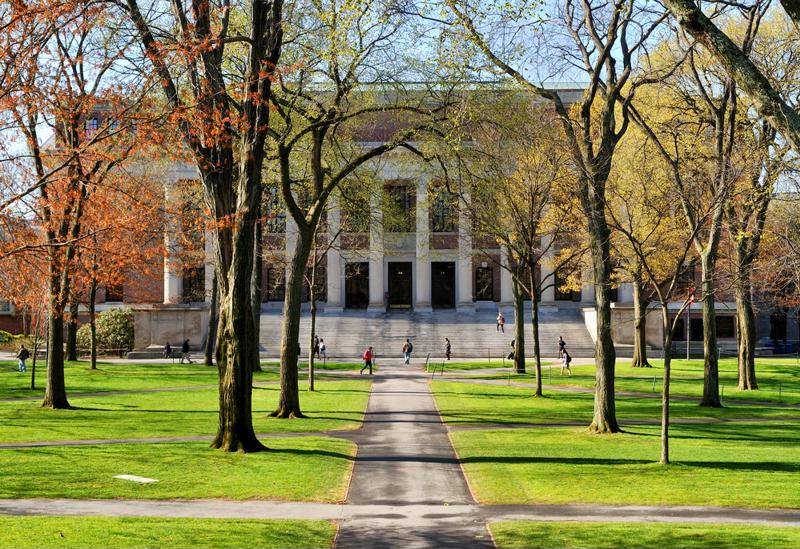
The differences between serving in the military and attending college classes can be stark, and serve as another barrier between vets and a complete education. Thankfully, The Durango Herald noted that there are groups attempting to close this gap, too. Peer Advisors for Veteran Education (PAVE) programs try to take the shock out of going from active deployment overseas to the less structured world of school.
The source noted that many different factors can harm veterans' college performance if left unaddressed. For instance, individuals who have experienced combat and the stresses that come along with it have a very different background from their civilian classmates. They can find it hard to relate and form connections at first. Mentors can also help military students cope with the fact that they have just come from an environment where they were surrounded by fellow service members who became as close as family. No matter the stresses facing vets, PAVE mentors help find solutions and get students on the path to success.
Service members come from a great diversity of backgrounds, and the veteran experience will vary somewhat based on these divergent origins. Therefore, it's worth investigating the needs and perspectives of different groups of veterans to find out how to better serve and honor these individuals who have given so much for their country.
It's to this end that President Barack Obama recently created a commission specifically to study and work with foreign-born veterans to ensure these new Americans have access to services and benefits that suit their requirements. Honoring all service members means ensuring everyone is receiving exemplary treatment, whatever that may entail on an individual level.
Serving new American service members
The official White House blog post announcing the new Interagency Working Group explained that foreign-born service members have made extraordinary contributions to the armed forces, playing a part in the long-term American traditions of immigration and building strength through diversity. Ensuring their adopted country gives back to these personnel is the commission's primary task.
Veterans born overseas are often interested in becoming naturalized citizens, sometimes during military programs such as the Naturalization During Basic Training Initiative. The White House posting pointed out that despite the existence of such processes, some service members still encounter too many setbacks during their quests to move through the immigration system. Smoothing this pathway is an example of a service the new working group can tackle right out of the gate.
It's important that during and after their military service, veterans are afforded the opportunity to live life well, the White House explained. The post quoted Obama's address to naturalized veterans and family members, explaining his commitment to their continued well-being.
"All of you did something profound: You chose to serve. You put on the uniform of a country that was not yet fully your own. In a time of war, some of you deployed into harm's way. You displayed the values that we celebrate every Fourth of July – duty, responsibility, and patriotism," the president stated.
Secretary of the Army praises diversity
A naturalization ceremony also provided an opportunity for Secretary of the Army Eric Fanning to explain how diversity among recruits strengthens the military and country. Two veterans were among those naturalized at the ceremony where Fanning gave his address, and he noted that the diversity of backgrounds among soldiers is one of the elements that makes the Army strong. Fanning explained that nearly 20 percent of Medal of Honor recipients have been immigrants, demonstrating that valor in military service comes from individuals from a multitude of origins.
At the ceremony, French immigrant and retired Army Captain Florent Groberg received "Outstanding American by Choice" honors, an award given to naturalized citizens who have given back to their adopted country. Groberg received the Medal of Honor after a tour of duty in Afghanistan and explained that his ability to achieve so much in service of the nation despite being born overseas demonstrates that anything is possible in America with the application of effort. These are the types of stories that have led to the creation of the new working group to assist foreign-born vets.
Affordable and available places to live are essential facets of creating a comfortable life. Without housing stability, families will always have trouble achieving peace of mind. This is why it's so important for government and private-sector programs alike to develop affordable homes for veterans to inhabit upon the end of their military service.
The transition period between active duty and settled civilian life is noted for its unique challenges, especially for veterans who are still very young, or who experienced physical or mental trauma. It's therefore hugely reassuring to know there is a comfortable and affordable place to live while receiving professional help to cope with the strain of combat and the readjustment period.
Sizable new housing development set for New Jersey
The South Jersey Times recently described a new project called Camp Salute, a several-unit development going up on former farmland in Clayton, New Jersey. The apartments will give preference to veterans and Gold Star families, and the developers have set aside 19 units for vets with disabilities. While many housing projects targeting veterans are designed as transitional spaces that will get homeless individuals into more hospitable surroundings, the company behind Camp Salute sees it as the next step – it's a permanent home for those who have stabilized their lives and need an affordable place to live long-term.
Camp Salute is also set to offer services beyond housing. A permanent staff of accredited claims agents will staff a resource center on the premises. Veterans from the region will be able to go to this center for help with Department of Veterans Affairs filings and claims, and seniors will gain a place to get help with Medicare, Medicaid or other medical program issues.
"Many vets living within the same community could tap into a sense of camaraderie."
Developers of the property told the South Jersey Times that the advantages are numerous for veterans who move into their new apartments. For instance, the presence of many vets living within the same community could tap into a sense of camaraderie and create a great feeling of connectivity. The property's benefits include more general housing advantages, too, such as convenient access to transportation.
Racine project gets new attention
Another development with veteran preference is set to emerge in Racine, Wisconsin. The project to create 74 high-quality housing units meant for vets lost momentum this summer, but was recently revived by a different developer, according to The Journal Times. The apartments will replace an abandoned industrial complex that has fallen into disrepair, and are intended to include impressive amenities such as a medical office, a business center and even a patio for train watching. A private company is set to begin construction, bolstered by tax credits.
Permanent homes hold importance
The above projects are both cut from the same cloth: veteran-preference developments that will serve as long-term, comfortable homes for vets and their families. These projects have an important role to play alongside the temporary homes that act as the backbone of plans to help homeless vets and those struggling to find places to stay. While the latter kind of communities are designed to help individuals at their lowest point, the former point the way toward a more settled future.
In some ways, it's easy to think less about historical wars, and the people who fought in them, as time goes by. Decades have passed since World War II and the Korean War, and many of those who took part in these conflicts have passed away. However, in spite of the march of time, it's essential to let surviving vets from that era know that their service to their country has not been forgotten. One way to keep the bond with these generations strong is to ensure that honors are handed out where they've been earned, even though more than half a century has passed.
South Korea honors American vets of Korean War
Although there have been times when the Korean War has failed to attract the historical notice it deserves, the South Korean government recently took the time to remember and honor the American military personnel who served. According to Deseret News, a recent ceremony in Salt Lake City involved the presentation of Ambassador for Peace medals to 67 Utah-based veterans of the war.
The event came about at the behest of John Cole, a Marine Corps veteran. When he received the Ambassador of Peace Medal in Korea, he realized that it is an honor that deserves to be shared by his fellow vets. Now, he works with state organizations and the Korean Consulate to make it possible for others to receive recognition.
"It's important to let vets know their contributions are valued while they're with us."
Participants reflected on the meaning of the service to Deseret News. Former Marines draftsman Gene Christiansen explained that seeing the progress South Korea has made in the decades since he fought alongside its military makes him proud of his time there. Army vet James Willis expressed surprise at having the ceremony after all these years and noted that it is a timely event as veterans of the Korean War are aging. It's important to let vets know their contributions are valued while they're with us.
Wartime Service Medals handed out in Connecticut
Another effort to give out overdue honors took place in Connecticut. According to the Hartford Courant, assisted living facility One MacDonough Place and the Connecticut Department of Veterans Affairs conducted a ceremony for veterans from three different conflicts. Korean War Army vet Richard Hassett and World War II Navy vet Bob Steele are among the facility's residents, and the community's dining services director Edward Gorman III served on a submarine during the Gulf War. All three men received Wartime Service Medals, cementing ties between decades of service and branches of the military.
The ceremony also served as a remembrance for four veterans who have passed away. Four men received posthumous medals, two of whom served in World War II, and the other two in the Korean War. The Hartford Courant explained that Connecticut uses the Wartime Service Medal as a way to commemorate state residents who fought during times of crisis. The efforts these veterans made in wartime have had repercussions through the years.
Veterans from some of the conflicts that defined America and the world are getting older, but it's not too late to honor their sacrifices and contributions, and to let them know they are remembered.
Furthering their education is just one route veterans can take after leaving active duty. Moving from the military into undergraduate, vocational or advanced schooling can equip former military members with the tools they need to carve out successful new roles within the civilian sphere. With the assistance provided by legislation, vets are going back to school and realizing their potential. However, assuming current programs are perfect as is would be a mistake. There are still ways for individuals to fall through the cracks, and efforts to keep students on the path to good degrees and job opportunities are still necessary.
"The legislation blocks non-certified schools from taking G.I. Bill funds to train veteran students."
New bill meant to fight unaccredited programs
What happens when a veteran goes through a whole academic program, only to learn that the school is not accredited? This scenario could result in lost job prospects, and lawmakers are eager to make sure it doesn't occur anymore. According to Inside Higher Ed, the government spending bill recently approved in the Senate contains the Career Ready Student Veterans Act. This piece of legislation is meant as a way to block non-certified schools from taking G.I. Bill funds to train veteran students.
According to Veterans for Education Success Policy Director Walter Ochinko, some states require colleges to get their programs for specific vocations such as teaching or nursing accredited at the state level to make students eligible for state exams. When educational institutions fail to go through this process, they can claim G.I. Bill funds, teach veterans – and leave the graduating pupils unable to sit for their exams. Inside Higher Ed stated that when Ochinko studied 300 G.I. Bill-approved programs at for-profit colleges, he found 20 percent of them lacked proper accreditation.
Providing a specific example of a course of study that failed its students, the news source noted that Westwood College ran a Chicago-based criminal justice course that did not give its students the credentials needed to move into law enforcement work in Illinois. Westwood is now defunct. Furthermore, Inside Higher Ed pointed to the Federal Trade Commission's action against online college Ashworth. The FTC says Ashworth didn't accurately represent the credentials it could give out.
Other education provisions
The protection from unaccredited programs is only one of the legal provisions for veteran education currently moving forward in Congress. According to Military Times, the most recent omnibus veterans reform bill ensures war widows are able to claim some of the education benefits promised to veterans. Some spouses of military personnel killed between September 11, 2001, and January 1, 2006, were previously excluded from claiming educational credits, and they have now been added to the coverage. The education provision was among what the source described as a non-controversial assortment of items in the spending bill.
When it comes to veterans and spouses, education benefits are important and worth defending because they point the way to a more productive and positive future in a civilian setting. Legislators have taken action several times in recent years to work more educational benefits and protection into laws, and every time a veteran successfully makes the transition from the military to the workforce via a degree or vocational certification, their efforts pay off.
As more military members came home from service over the past few years, some might have struggled to find job opportunities that aligned with both their skill sets and their passions. For this reason, a large number of veterans have decided to turn to entrepreneurship as a means of supporting themselves and their communities. And in many cases, they've also found that those communities were more than happy to support them as well.
Veteran entrepreneurship is growing in both success and popularity nationwide, as an ever-larger number of former service members find fertile ground for their business ideas across the country. One of the big cities where such activity is increasingly located these days is San Diego and its outlying suburbs, because the region is home to hundreds of thousands of veterans already, according to a report from The New York Times. In fact, no metro area anywhere in the country has a larger veteran population. Today, veterans are 45 percent more likely to run their own businesses than those who did not serve in the military.

Why start in Southern California?
The reason so many veterans live in the San Diego area is two-fold: First, the climate is quite nice, and second, the city is home to significant military operations, the report said. In fact, many of the businesses veterans start in the region after leaving the military cater directly to these bases and both active and former service members. Moreover, the city of San Diego itself has tried to concentrate on fostering an environment in which veteran-owned small businesses can thrive.
Currently the greater San Diego area has dozens of services designed to help small businesses thrive, across a number of fields, the report said. But where veterans in particular are concerned, separate organizations exist to help them work their way through the startup process, which can include the tricky task of obtaining capital to get going in the first place. Often, vets may not have the easiest time in this regard – especially in competitive markets such as San Diego – because they don't have any real business background financial institutions or private backers might otherwise like to see. Training to help bridge that knowledge and experience gap can therefore go a long way.
"When you're starting a brand-new business and you don't have any type of business track record because you've been serving in the military, it's very hard to get a loan or find investors," Carlos Figari, director of the SoCal Veterans Business Outreach Center, which puts together programs for would-be veteran entrepreneurs, told the newspaper. "If you are starting a company that's directly connected to the experience obtained while you were in the military, then you have a network to tap. But if you want to open a Subway, that's a totally different story."
"Public and private organizations are working to help veterans get a leg up."
Other efforts proliferating as well
Of course, San Diego isn't the only place where public and private organizations are working to help veterans get a leg up as they set out for themselves in the business world. At New York University's Tandon School of Engineering, located in Brooklyn, a number of vets recently completed a short training period of 14 weeks designed to help them start their own businesses off on the right foot, according to a report from the Brooklyn Eagle.
The no-cost program was created through collaboration between NYU Polytechnic School of Engineering and the Brooklyn Chamber of Commerce, and funded by a locally based state lawmaker's office, the report said. Specifically, it works to help vets develop what their companies will offer to the world – be it goods or services – as well as some basic how-to about getting the word out with public relations, fundraising and so on.
The training effort is designed to help vets with just about any business vision hit the ground running, even if they're working in collaboration with other business partners, which they often are, the report said. One recent graduate was planning to launch a media production company, while another had developed a product that measures water quality and reduces waste, and others planned subscription services and emergency alert equipment for motorcycles.
When these programs work as intended, they can provide a massive benefit to many of the men and women who served their country but also have big plans for their post-service lives. And the good news for those vets who may have a business idea brewing in their heads but aren't sure of how to proceed is that such efforts exist all over the country. All it may take to connect them with a training program that can help them advance their ideas from concept to execution is an hour or two of online research.