
In an ideal world, military personnel returning home from active duty wouldn't have to worry about employment. That said, many individuals do find it difficult to slip into civilian jobs when their time in the service comes to an end. This is why it's important to seek out and publicize industries and programs that help veterans find work. A job is a cornerstone of a settled life, and when service members have fewer troubles finding work, the whole transition to home front life is easier.
Trucking industry makes direct pitch for vets
A recent Arkansas Democrat-Gazette report showed that trucking organizations are making efforts to get veterans as drivers, not just for the sake of supporting these individuals but because they tend to excel in those roles. The news provider spoke with leaders of transport companies who noted that skills honed in the military, from logistics knowledge to detail-oriented thinking to the ability to manage oneself independently, help drivers become top employees.
"Attention to detail, in layman's terms, is noticing things that other people would walk past and just not see. We have to constantly monitor our truck, inspect it and make sure everything is what it's supposed to be," veteran and truck driver Nathan Waite told the Democrat-Gazette. "I would also add self-discipline. It does take a lot of self-discipline to drive a truck, be on time, and get up out of bed when you're supposed to. They definitely teach you that in the military."
The news provider explained that there is now a joint program between transport industry organization FastPort and the Hiring Our Heroes Foundation, a U.S. Chamber of Commerce agency. The Trucking Track is meant to create connections in the industry, so that veterans may match up with companies eager to hire them. This mutually beneficial situation will have more trucks out on the road and fewer veterans looking for work.
That isn't the only program designed to bring military personnel into trucking, either. The Democrat-Gazette mentioned Troops for Truckers, a Veterans Resource Network service. This program includes the option of training, enabling veterans to move right into the transport field, even if they didn't perform similar work before or during their time in the armed forces.
Occupational programs popping up
Of course, fields beyond transport and logistics also have roles for veterans, and there are more general programs to help soldiers become civilian employees. California news provider Valley News recently highlighted California Employment Development Department funding for workforce training. The EDD's director, Patrick Henning Jr., cited military-honed traits such as discipline and dedication as reasons why employers should work with veterans.
Valley News reported that the funds described above, distributed by the Riverside County Economic Development Agency, have prepared military personnel for roles in numerous civilian fields, with construction, health care and the energy industry among them. With strong skills from their days in the armed forces and programs designed to help them find new employment, veterans have something to look forward to when they return home. Communities with good job training opportunities are helping these individuals enter a new stage in life.
Today, the problems and challenges facing veterans returning from active duty are drawing attention, perhaps more than ever before. This is a positive development, as if the issues were going unseen, many military personnel would be more likely to suffer without the help they need. A wave of grassroots efforts around the country is becoming evident, with organizers hoping to take action and assist the veterans in their communities. For inspiration, these rising events can look to some of the long-running gatherings setting the mold for veteran care.
"The event offers services to approximately 1,000 veterans every year."
San Diego event reaches 29 years
Fox 5 San Diego recently reported that Stand Down For Homeless Veterans, a program that runs over three days every year, has returned for its 29th year. The event, founded in 1988, offers services to approximately 1,000 veterans every year, dealing with some of the most vulnerable individuals in today's society – those who have returned from war only to end up with no home.
There are several different facets to the program, according to Fox 5, with clothing, housing and counseling needs all being addressed. It has become a blueprint for similar events in other cities, as the problem of homelessness among veterans is not limited by geography, and the numbers of individuals living with no shelter remains high. San Diego's Point-in-Time Count of homeless veterans found 584 in shelters and 573 unsheltered. Though the numbers are still high, they are moving in the right direction – 631 were unsheltered last year.
The news provider noted that Stand Down is accompanied in the San Diego area by Housing Our Heroes, a joint program between federal and local organizations, with a bill totaling $12.5 million. With that much funding muscle, organizers can help the homeless find permanent living situations. So far, 18 families have received homes through the effort, with 130 more individuals signed up and qualified. Between the families housed already, their are now 34 children with roofs over their heads.
Assistance in Georgia
A related program to help homeless veterans recently began in Georgia, according to local news source South Metro Neighbor. Stand Up For Stand Down is a drive to collect personal care items and toiletries to be given to the homeless in the area. The donation period lasts for months, from July through early September, then the products collected are handed out at affiliated Stand Down events similar to the San Diego version mentioned above. By inviting the public to donate toiletries in small and travel-sized packages, the Stand Up for Stand Down drive gives people an easy way to get involved when they want to assist the homeless with everyday needs.
According to the news provider, the 2015 version of the event created a large stockpile of personal care products, which were distributed to over 1,500 individuals throughout the state of Georgia. The extreme vulnerability of homeless populations calls for varied and determined efforts from those able to help. Fortunately, organizations and events such as these exist to fill that requirement – hopefully more will take up the call and strive toward the ultimate goal of ending veteran homelessness.
Post-traumatic stress disorder is one of the most prominent and dangerous threats facing veterans today. When affected by this serious psychological condition, coming home from active duty becomes exponentially more difficult. Thankfully, resources are being directed toward programs and solutions that may be able to spare veterans from PTSD's most serious effects.
The use of therapy animals is one of the methods rising to prominence to help individuals suffering from trauma. The most common image of an animal companion is the faithful service dog, but some of these programs have taken on a different character, as there are many ways to treat PTSD.
Parrots as therapy animals
CBS recently shed light on an underexposed corner of the therapeutic world, pointing out that parrots are being used as therapy animals in programs for combat veterans. The birds bond with their human caretakers, with the connection helping to form an oasis of calm. For those suffering from stress and the after-effects of traumatic experiences, this type of quiet time caring for an animal may be just what they need to regain some equilibrium.
"They've taught me patience, they taught me trust. They taught me all about how you can be happy and playful even in the midst of pain," Coast Guard Reserve veteran Lilly Love told CBS. Love lived through a helicopter crash that killed many others and dealt with depression.
Lorin Lindner, founder of animal sanctuary Serenity Park, explained to the news provider that interacting with birds can bring out feelings of calm and softness that may be hard to access for those dealing with trauma, even in other types of therapy. The connection between human and animal can serve individuals in ways that conversations with other people cannot always accomplish. This shows the value of therapy animal programs relating to PTSD
CBS noted that the birds used as service animals tend to have had traumatic experiences of their own. Domestic parrots need frequent care, and when they live longer than their owners, they may end up cast out and cut off from that attention. Receiving that much-needed upkeep can soothe the birds, even as they help bring calm to the veterans feeding and grooming them.
PTSD receiving consistent attention
The use of therapy animals isn't the only approach currently being taken to counter the harmful effects of PTSD. Thankfully for veterans suffering from the condition, many events have been organized in the past few years to ease their burden. Pennsylvania-area news site Lehigh Valley Live recently focused on one such project, the Carry The Fallen Ruck March. This is a hike of about eight miles, with each participant carrying gear that stands in for the emotional burden of PTSD.
The news provider explained that the ruck march is a non-profit endeavor, raising money for Active Heroes, the owner and operator of a retreat for veterans. The event is open to people of all ages, with children as young as 7 marching alongside adults, all united in their attempts to raise awareness of and money for those who have returned home suffering from PTSD. Through more community events such as these, hopefully more individuals will find the help they need.
When veterans fall on hard times, there are often many ways in which they can get help. However, while plenty of organizations exist to help veterans receive anything from medical care to job opportunities, it's not always easy for those former service members to track down every option available to them. To that end, a non-profit in Arizona recently created a directory to help those in the Grand Canyon State get a better handle on things when they need a leg up.
There are currently more than half a million veterans living in Arizona alone, making it fertile ground for a project like the Veterans Directory, according to a report from the Arizona Republic. On the site, veterans can look up a number of different services for both themselves and their families, as well as learn about all the veteran-owned businesses in their area that they can easily support. The site has been open since May, and has data about job opportunities, training classes, financial help, legal advice, events for veterans, and more.
How it started
The Veterans Directory began when a Vietnam vet approached its CEO, Danita Rios, at another veteran's funeral and mentioned that the deceased's death (a suicide) might have been avoidable if the victim had better access to mental health services, through a "Yellow Pages" type of website, the report said. Four years later, the site was a reality, with plenty of fundraising and prep work in between. Currently, 90 percent of the people who work for the site or serve on its board are veterans. Private contributors, donators, and other funding helped get the site off the ground.
"It's been a beautiful, beautiful creation so far," Rios told the newspaper. "It can be a daunting, time-consuming task to comb through the hundreds of websites to find the right information about services. The Veterans Directory makes it easy by curating all the relevant information veterans in Arizona need when it comes to thinking about what's next."
Ongoing needs
Any veteran-owned businesses, or services that help former service members in some way, can be listed on the site, the report said. However, they have to submit themselves for approval through a form available through the Veterans Directory itself, and will be added after a review of their credentials.
The fact of the matter is that veterans face a lot of challenges, and sites like this can go a long way, not only toward helping them take small steps forward, but potentially changing their entire lives. That's because something as simple as a job with a good salary can often mean the difference between life and death for those who are struggling with some of the most common symptoms that can befall vets after they get out of the service. Issues like PTSD and depression need to be addressed as quickly and directly as possible. Fortunately, there now seems to be a growing number of options, including the Veterans Directory, to help them do just that.
It's always heartening when protection and support for active duty service members and veterans are added to state and federal laws. These regulations show that lawmakers are aware of the issues that affect today's military personnel and are doing something to help.
The challenges that come with serving and coming home from active duty are well known and documented, and this means there is plenty of scope to take action and step up aid at both state and national levels. The United States prides itself on being a country that looks after its veterans and current military members, and a few recent laws should help it live up to that promise.
Two new bills in Massachusetts
As the Eagle-Tribune recently reported, Massachusetts has recently passed not one, but two laws designed to help with everyday needs faced by military members in the state. The first piece of legislation eliminates state excise tax on vehicles. The bill was sponsored by state Representative Diana DiZoglio, who heard from a constituent that when military members are on active duty, their vehicles rack up high tax bills back home. Creating the new exception allows a little more financial peace of mind for service personnel.
The news provider reported the bill has now become a law after getting the approval of Governor Charlie Baker, and applies to members of the military deployed outside of Massachusetts over a period of six months or more. The fact that the new law deals with a single tax shows that it was conceived and passed with a specific problem in mind.
As for the second new military-focused bill, the Eagle-Tribune explained it is a wide-ranging bill seeking better conditions for veterans. It will achieve this end by authorizing the creation of a commission. The new body is meant to investigate pressing matters for returning service personnel, such as the risks of suffering from depression, anxiety or post-traumatic stress disorder. Broader topic areas to be addressed by the committee include the transition process from active duty soldier to civilian, with all the challenges that entails.
Medical records fees waived in Rhode Island
Rhode Island newspaper The Breeze recently explained that the state has just passed its own piece of practical, veteran-friendly legislation. The Rhode Island bill is designed to ensure that veterans applying for benefits do not need to pay money to access their medical records. One of the bill's sponsors, state Senator Donna Nesselbush, explained that the law is meant to create a clear pathway to benefits, a much-needed consideration when individuals return home with pressing medical needs.
The news provider laid out the fees covered by the law, including processing, retrieval and copying fees as well as postage. Language in the legislation also insists that agencies process requests quickly – within 30 days of submission. This is yet another bill that has a narrow scope but could be a huge help for the many veterans returning to their communities and applying for valuable medical services that can improve their quality of life.
Returning from active duty in the armed forces is a major transition, and veterans will have to take stock and decide what to do next. This might involve going back to school and receiving either a bachelor's or advanced degree – which could be a ticket to better employment and drastically improved quality of life.
Of course, getting back into the education pipeline is not automatic – in some cases, it's not even easy. This is why it's fortunate that some schools and programs have begun taking up the slack, making special efforts to get veterans involved, helping them on the way to valuable degrees.
Grant for veteran center in Illinois
The Northwest Herald highlighted one example of a program on campus meant to help veterans perform the day-to-day tasks they must handle to secure an education. At McHenry County College, the campus veteran center sees 300 visits a month by students who have served in the military. Now, the building is set for a major upgrade, after a Veterans Center Initiative Award, initiated by the Home Depot Foundation and Student Veterans of America.
The money will improve a campus amenity that provides vital services for the veterans who attend MCC, with the news provider explaining that the center is used for registration aid, mentoring, housing help and preparing Veterans Assistance Commission claims. Both the existence of this space and the focus on its improvement could serve as positive examples at other schools that attract significant numbers of former military personnel as students.
The Northwest Herald also shared some facts regarding why it's so important to prioritize veteran education, namely that returning combat personnel between the ages of 19 and 34 can use secondary education to re-integrate into civilian life. If individuals return from the military but receive no support afterwards, the journey from solider to community member could be difficult to navigate. Schools with dedicated programs and spaces to accommodate veteran needs ease that process.
Representative on campus in Michigan
The above example focused on a physical space where veterans can get help with their unique questions and needs. Another recent report, this one from Michigan's The Oakland Press, involves a person who works with people to ensure service members succeed as students. The news provider specified that Oakland University, in Oakland, Michigan, will now have a veteran resource representative on campus as a full-time employee. The representative's daily tasks include liaising with Student Veterans of America and meeting individually with veteran students.
The Oakland Press also explained that the new role will be an advocate for military-affiliated pupils, whether dealing with the school or the community at large. Having someone there to create positive connections between veterans and the civilian organizations around them could make the transition from military to home front life easier.
The news provider specified that OU is currently host to over 300 veteran students, meaning having a dedicated official is a relevant choice. Some of the support for the new hire comes from an outside program – the Michigan Veterans Education Initiative. Such organizations are helping colleges become havens for veterans as they learn new skills.
Now that the presidential race has been whittled down to two candidates, there's a lot more focus put on the issues that each will try to address if elected. Certainly, that will include the ways in which the federal government works to help veterans through all aspects of their daily lives. And recently, presumptive Republican nominee Donald Trump took the time to outline a 10-point plan that would overhaul the way the U.S. Department of Veterans Affairs operates on a daily basis.
Among the plans Trump has established for how veterans would be treated by the VA going forward is that he would set up a hotline at the White House for veterans to lodge complaints about their care or service at the VA, according to a report from the Beltway news site Politico. All calls would be fielded by a human, and the Trump administration would work to address each one of the complaints received. If, after a given period of time, the issue had not been dealt with, it would be forwarded to the desk of Trump himself, to handle the complaint personally. Trump would also immediately appoint a new Secretary of Veterans Affairs.
"[That appointee would make it his or her] personal mission to clean up the VA," Trump said, according to the site. "And this will be a person of great competence. This will not be a political hack."
Other details
Beyond that first issue, Trump also said that he would work to gain more control over day-to-day operations of the VA, including the ability to discipline and even fire those working for it, the report said. With this power, Trump believes he would be able to better control things if something goes awry and the VA "fail[s] veterans or breach the public trust."
However, Trump also said that he would use his power to protect good workers at the VA, and put them in a position to move more quickly up the ladder in the department, the report said. The incentives for those workers might include a system in which employees who are shown to save money through their work could be able to get a cash bonus for doing so.
Potential speed bumps
However, as with many things related to Trump, this plan is not without controversy, according to a report from the Christian Science Monitor. Some veterans groups have already criticized it for an aspect of the plan that would privatize veteran health care, giving former service members the ability to show a card at just about any health care facility that accepts Medicare and receive treatment. Those groups say that this could lead to veterans running into similar hurdles when it comes to getting treatment, because private doctors may likewise not be equipped to handle the demand that comes with treating many veterans in a short window.
Certainly, the presidential election is something that veterans will have to monitor closely, as they carefully examine the issues that will affect them and work to determine which candidate will best serve their interests going forward.
The needs facing veterans today are the same as those affecting everyone else. They need stability, security, jobs, places to live, peace of mind. When returning from active duty, however, these basic necessities can be hard to find. This is why it's heartening to see organizations stepping up to help the veterans living in their communities. Service members gave of themselves in their military roles, and deserve all the best once they are home. Their transitions to civilian life represent a big step that will determine the tone of their next few years.
Necessity No. 1: Jobs
Work can easily be the deciding factor in how an individual's life is going. When jobs are attainable and rewarding, everything else can fall into place. A recent Detroit News report indicated that the the U.S. Chamber of Commerce is making an effort to ensure veterans find willing employers upon their re-integration into communities on the home front.
The news provider focused on one event in Detroit's Comerica Park, set to be hosted by General Motors and the Detroit Tigers in collaboration with the Chamber of Commerce and the Michigan Veterans Affairs Agency. The gathering will feature representatives from more than 100 companies that are hiring, and the veterans themselves aren't the only ones who can benefit. The brands will also give consideration to the spouses of current and former military personnel.
According to The Detroit News, GM itself is very proactive in its hiring of veterans, and it also runs educational programs based around certifications in the automotive field. Sometimes, returning service members have experience that would be very valuable to civilian employers, but not the recognition that will prove it. These side programs will help with the accreditation process.

GM Military and Veteran Affairs Officer Keith Nattrass told the news provider that it makes sense for businesses to look at veterans as potential hires. He explained that the disciplined approach and openness to training that persist among military personnel are the kinds of skills that work well in civilian roles. Making the connection between employers and veterans works well for both parties.
Receiving necessary skills
Automotive skills aren't the only abilities being conveyed by classes pitched to veterans. The Salt Lake Tribune highlighted Culinary Command, which is designed to turn military personnel into competent cooks, ready for commercial roles, over the course of six weeks. The class ends with a "graduation dinner" in which the students cook for the public, and covers a wide variety of topics. Students don't pay, and all the costs involved in running the program are paid by donations.
The founder of Culinary Command, David James Robinson, told the news provider that he believes veterans are well suited to the world of professional cooking, where intense hours of work are carried out under a strict command structure. He noted that rather than learning a whole new set of skills, military personnel can re-tune their current proficiencies to become valuable members of a kitchen staff. Robinson has seen several of his graduates continue on cooking professionally after his training, and is proud that so many have done well, seeing as previous cooking knowledge is not a requirement to join the course.
It sometimes takes a tremendous effort for veterans returning from active duty to resume their lives in the civilian world. It's hugely important to support these individuals, both on personal and organizational levels, because the consequences of coming home yet not feeling part of society can be crushing for veterans.
Fortunately, people are rising to the cause all over the nation, creating programs that will smooth the path from the armed forces back into the towns and cities where veterans will reside once they come home. These can take many forms, but their efforts are all serving the same worthy cause.
Miami-Dade County gets United Way program
The Miami Herald recently focused on the launch of United Way Mission United in Miami-Dade county. This is a specialized process designed to help integrate veterans successfully into civilian roles after their time in the armed forces has ended. A similar program in Broward County served as a template for the new effort, and the need for such a process is clear: According to the Herald, there are more than 62,000 veterans now living in Miami-Dade County.
United Way Mission United is not based around one single method of helping veterans. Instead the news provider stated that it consists of smaller programs each designed to address one element of the re-integration experience. On a macro level, the organization pairs veterans with case workers who periodically make sure their assigned individuals are doing well.
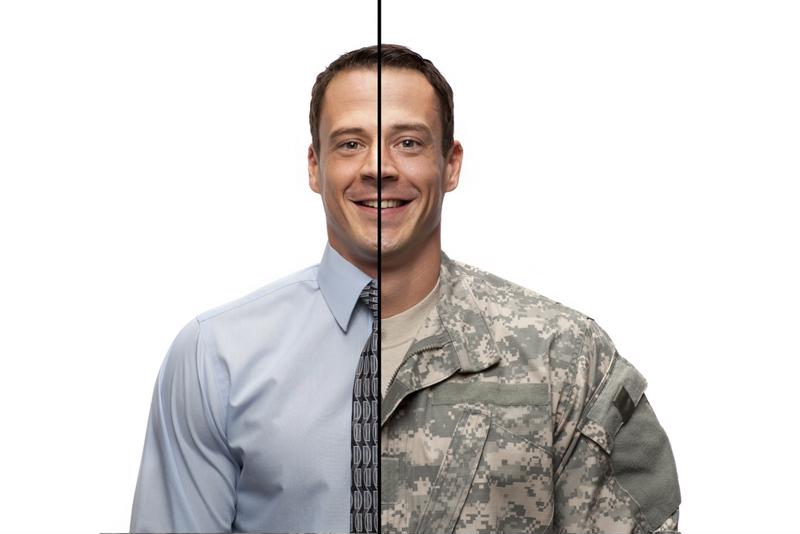
Beyond the use of case workers, there are social functions that keep veterans active and in contact with one another and the public at large. For instance The Miami Herald reported that on Warrior Wednesday, individuals gather at United Way's headquarters for discussions. Another facet of the program is a get-together to celebrate the Army-Navy college football game. The focus is on creating community spaces in which veterans can interact, taking away feelings of isolation that might set in after leaving the military.
The news provider reported that despite the relative newness of Mission United, it has already been helpful. Army Reserve Specialist Franck Kouadje told the source that his struggles following a car accident were eased by the program.
The importance of connection
In a recent Military Times piece on Lockheed Director of Government Relations Joe Rice, he spoke about his own transition from active duty to the Army Reserve and urged veterans to take part in community activities. Isolation is dangerous, and the stark differences between military service and civilian life can take a serious toll if individuals are on their own rather than interacting.
Rice explained that his employer offers its own group for veterans who want to connect with one another and avoid becoming too closed off. Whether through one of these organizations or one that serves a community, such as in the United Way example above, veterans returning home have options when it comes to increasing contact and staying in touch. The journey from soldier to citizen is critical but difficult, and going it alone tends to just make it more taxing. That simple fact highlights the value provided by groups.
Women serve in a full range of roles in the military but, according to a recent report by Southern California Public Radio, they don't always feel adequately recognized or visible once they leave the armed forces and return to civilian life. The Department of Veterans Affairs, to its credit, has resolved to take steps to change this status quo and give female veterans a reception equal to that of their male peers. Taking the next step in such processes is critical in taking the next steps and improving the VA overall.
Becoming welcoming to women
According to the report, VA officials realize that a lack of services for women has resulted from the organization's founding with men in mind. Their task now is to expand the purview of VA hospitals and other affiliated agencies. Dr. Patty Hayes, who is serving at the chief consultant in the effort to serve female veterans more effectively, told Southern California Public Radio that today, 15 percent of individuals leaving the armed forces are women. During World War II, the figure was only 2 percent, which is a large reason why the system was created the way it was.
The news provider cited stories from women who have felt overlooked, either when going for care or in general. There is still a mainstream perception that military careers are solely male, and female veterans can have an uphill struggle to be recognized for their accomplishments and receive the treatments they need.
"It's weird to me that people don't think, or even let it into their head, that females go into the military and serve their country as well as men do," Ramona Yates, a Marine Corps veteran, explained to Southern California Public Radio. "It's interesting and bothersome at the same time."
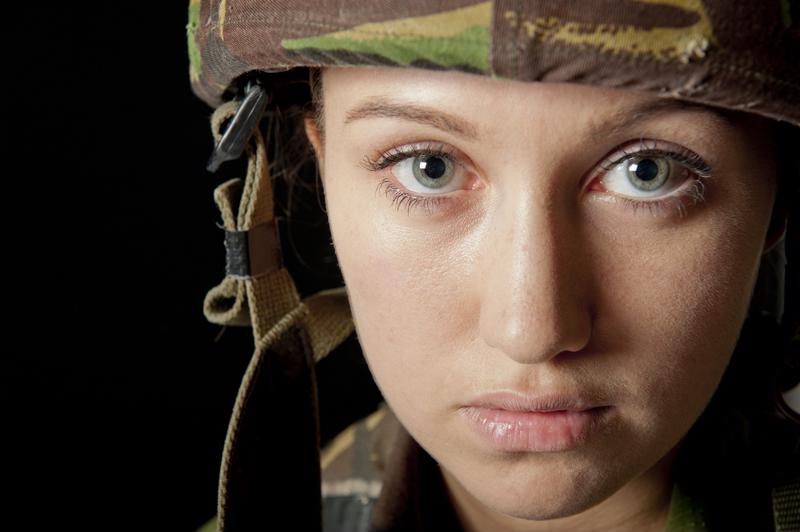
Yates told the radio station that she goes to a women-only clinic opened by the VA, but feels "invisible" when in other areas of the hospital. This is the kind of environment that will have to change as the VA grows and becomes more capable of supporting all service members in their needs, specifically in getting them the medical care they need.
A huge impact
As previously mentioned on this blog, the suicide rate among veterans remains staggering. Getting the rate down requires drastic attention and, relevant to the VA's female outreach efforts, women in particular can be prevented from taking their own lives through active engagement with medical services. A recent VA study determined that the suicide rate among female veterans increased 4.6 percent since 2001 for those in contact with the VA – and 98 percent for those who don't deal with the VA.
Seeing such plain evidence of the positive effect health services can have on individuals' lives, the need to make women feel more included becomes obvious. By increasing outreach and introducing specialized programs, the VA is in a position to positively impact lives. The armed forces today are more diverse than ever before, and the constant presence of female service members can't be ignored. Programs for veterans are moving in the right direction by acknowledging these individuals' contributions.