
Veterans living with post-traumatic stress disorder have been subject to a large, long-lasting conversation throughout the past several years, as advocates, the medical community, government agencies and others have worked to heal service members. Dogs have been the most popular animals involved, with programs taking shape across the country that pair veterans with service canines, and many have shown clear, positive results in a relatively short period of time.
The federal government is weighing a funding bill to make this a national pursuit, but other groups have not faltered or delayed their attempts to get veterans the support they need through this somewhat novel approach to therapy. Now, a new animal is entering into the conversation, as a program in one state is gaining traction and helping participants cope with their PTSD.
Equine therapy
WATE, a local ABC affiliate, recently reported that veterans living with PTSD in Grand Haven, Michigan, are beginning to partake in a form of therapy that couples them with rescue horses, with Out Side In Stables running the initiative. According to the news provider, horses rescued after racing on the tracks often need their own level of support, and allowing people and horses to heal together has had a massive impact on some of the individuals involved.
"It feels (like) freedom. It's hard to describe freedom," Air Force veteran Chris Timmer, who served as a combat engineer throughout 1990s and 2000s, told the source. "A horse lives in the moment. I have a hard time living in the moment. So he's helped me live in the moment."

Interestingly, WATE pointed out that the farm's executive director, Jennifer McVoy, has been working to rescue race horses for years, as about 10,000 of these animals are slaughtered in Canada and Mexico each year following the retirement from racing. In establishing this program and getting it beyond the pilot, which has been going on for a few months now, McVoy is effectively helping to heal two groups, of different species, in need of support.
"Just like the horses, the veterans are so valuable for so many reasons when they come back," she told the source. "They just have to find the things that they're good at."
Two at a time
Although some of the more mainstream programs that pair canines with veterans specifically use service dogs to assist in PTSD therapy, others take approaches similar to Out Side In Stables. Yahoo! News reported that Pets for Vets, a nonprofit organization, has also been working to provide therapy and assistance to veterans living with PTSD and dogs who have been rescued in animal shelters of late.
This dynamic approach to therapy can make a big impact on any community, especially as so many states across the nation have large populations of stray dogs, and veterans with PTSD can be found in so many communities. More projects such as this one are likely to sprout up in the coming years as the nation becomes more conscious of the problems facing the veteran community.
One of the first challenges veterans face upon completing their active duty relates to education, as additional skills and accreditations will need to be gathered to make the jump into the private sector. Although plenty of service members have the necessary credentials to get a job, more advanced learning will increase their stock in the job pool.
Unfortunately, this has been a turbulent subject in the veteran community. For example, the federal government recently filed charges against a man who tricked veterans into thinking they were getting an education from an accredited university when they were not, levying $35 million from the victims, Inside Higher Ed reported. Another report pointed to the need for better and more thorough support of veterans looking to attend a university.
Data quality issues
Military Times recently reported that while new software and technology are being developed to assist high school students in deciding on a college, there is an immense lack of similar services available to veterans. The news provider stated that federal agencies have tried their hands at developing solutions that specifically help veterans through their unique path toward earning a graduate or undergraduate degree after service, but with relatively poor results.
It does not appear as though the situation will improve any time soon.

"I think we're still far away from having the kind of reliable information that people can base good decisions on," American Association of State Colleges and Universities Director of Federal Policy Barmak Nassirian explained. "These [tools] are works in progress, and at the end of the day, you really do need to do your own due diligence."
Better data and more personalized approaches to application development will need to be priorities among agencies working on these tools should they hope to make a positive difference in the fight to educate veterans.
Opportunities are available
Several organizations, as well as the U.S. Department of Education, offer services to veterans who are looking to decide upon a college to attend following their service. Some are even specialized in accordance with unique needs, such as the Association on Higher Education and Disability. Veterans can search for other opportunities to navigate the complex process of choosing a college through local universities, the U.S. Department of Veterans Affairs and elsewhere.
Soon, though, the tools discussed above will likely streamline the college selection process among American veterans.
Post-traumatic stress disorder has gone through many phases of awareness and understanding throughout the past century, but is just now beginning to hit a point at which treatments are progressing effectively. Innovative approaches to coping with PTSD have been as diverse as they are impactful on the veterans they serve, and could not have come at a more opportune time given the sheer volume of former service members who suffer from this disorder.
The U.S. Department of Veterans Affairs estimates roughly 11 to 20 percent of veterans who served in Iraq and Afghanistan to be living with PTSD, compared to 7 to 8 percent of the population as a whole. Several new methods of treating PTSD have entered into the equation of late.
Art as relief
Atlanta Magazine recently reported that Jason Smith, a medic who served in Iraq with the Marines, was suffering from severe PTSD until he came to realize that painting was a helpful form of relief. He affirmed that art allows him to bridge the gap between the debilitating aspects of PTSD and his ability to control his mind.
The magazine spoke to National Intrepid Center of Excellence art therapy leader Melissa Walker regarding this approach to therapy.
"It's difficult for them to verbalize what they've been through, so traditional talk therapy doesn't always work," Walker told the source. "The art-making process accesses other parts of the mind."
According to Atlanta Magazine, Smith has been among the many veterans to leverage artwork in efforts to manage PTSD. Similar programs and opportunities to those offered by the National Intrepid Center of Excellence can be found across the country.

A new app
The New Prague Times reported that a Minnesota man has developed an app that essentially makes a device vibrate right before a veteran might begin to experience a night terror or waking-life symptoms of PTSD. The news provider stated that the app will monitor a user's heart rate and movements for 10 days, eventually learning the indications that a severe event might take place, while the creator, Tyler Skluzacek noted that it is in the same vein as using service dogs to disrupt PTSD symptoms.
The app raised $26,000 following its initial Kickstarter initiative, the The New Prague Times noted, and Skluzacek was inspired to develop it because of his father's experiences with PTSD following service in Iraq.
Dogs still spreading
Although the federal initiative to fund service dogs for veterans suffering from PTSD has been slow-moving at best, local efforts are getting helping canines into the lives of veterans. ABC 10 reported that yet another graduation has taken place for service dogs that were a part of an initiative from 4 Paws 2 Freedom. Even the eight weeks leading up to graduation provide therapeutic benefits to veterans, as the news provider noted they work with the canines to ensure a healthy relationship down the road.
More funding of these niche PTSD treatment tactics will likely translate to even more opportunities for veterans to heal in the coming years.
Veteran homelessness has been a major problem across the United States for years, but local communities and governments are getting behind service members in need of housing with the hope of ending the issue in the near future. The National Coalition for Homeless Veterans estimates that 1.4 million veterans are at risk of becoming homeless, and that nearly 50,000 veterans are sleeping without a house on an average night.
The federal government has been working on its own programs to end this particular epidemic, but it appears as though cities and states are more quickly and effectively acting on the matter at hand. Two recent examples of this came from Denver, Colorado, and Detroit, Michigan.
Advocacy group's big push
The Denver Post recently reported that local advocates in the Mile High City are aiming to spend about 100 days on a project that will house 65 homeless veterans in Larimer County. One state-backed initiative will bring 140 homeless veterans together to help construct the buildings, and is being run by Homeward 2020, the source affirmed.
Interestingly, this project and others have been part of the federal initiative put into place in 2009 that aimed to end veteran homelessness by last year and, while that goal has not been met, progress has been made. According to the news provider, 35 percent fewer veterans are homeless today than in 2010, which is a significant drop. However, with 50,000 still living without a home across the nation, more concerted efforts are still necessary.
The Denver Post added that advocate Bryan Tribby who is himself a former homeless veteran, decided to begin supporting those who now suffer the way he did by volunteering for both Homeward 2020 and Homeless Gear, offering his experiences to guide initiatives.
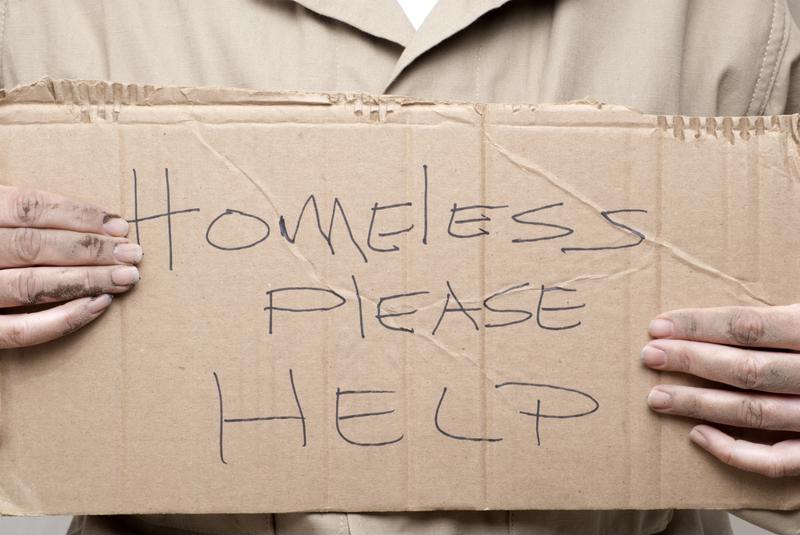
Project completed in Detroit
The Stamford Advocate reported that a low-income rent project in Detroit has been completed, and more than 24 veterans are set to move into their new living spaces in the coming days. According to the source, the project involved a major renovation of an apartment building in the city, and cost roughly $6.1 million to complete.
Housing the homeless is not the only feature of this building, as other groups are getting involved to offer services and support. For example, the source pointed out that Detroit Central City Community Mental Health will be actively engaged in providing assistance to veterans who reside in the building.
"We wrap our arms around those in society who need extra support," director of the nonprofit Curtis Smith told the Stamford Advocate. "Those who have experienced being homeless, folks who have mental illness and we also look at folks that have criminal backgrounds."
Ending veteran homelessness is certainly a righteous cause, but relevant efforts will need to be coupled with forward-looking strategies to maintain stability among former service members once they move into houses. With the help local communities, these objectives and more are realistic.
Unemployment has been one of the greatest challenges facing veterans for decades. However, the private and public sectors, as well as nonprofit organizations and advocacy groups, have made up some serious ground in the fight to get veterans to work in the past few years, which ought to have significantly positive impacts on the community at large. Veterans are often hailed for their work ethic and skills, making them exceptional candidates in many industries.
Additionally, considering the fact that homelessness is also a major threat to veterans, ensuring that they have access to capital upon returning home from their service can help to alleviate a range of hardships among the group. One major, national initiative that is among the biggest around today is moving along at a healthy pace, but leaders of the program have argued that there is still plenty of work to be done with respect to giving veterans real opportunities.
A complex challenge
Military Times recently reported that JPMorgan Chase and Starbucks have managed veteran job initiatives throughout the past several years and seen real impacts as a result, but are looking to increasingly focus upon the lasting effects for participants. The source pointed out that 314,000 veterans have been hired in the past five years through JPMorgan Chase's Veteran Jobs Mission, while Starbucks has The Muster to ease the strains of transitioning into civilian life.
According to the news provider, retired Army General Ray Odierno argued that the programs indeed need some improvement to ensure that veterans are engaged and retained in their newly acquired employment positions while speaking at an event in the nation's capital last week. As a note, about 300 leaders from a range of backgrounds attended this event to hear discussions related to veteran hiring initiatives.
Interestingly, Military Times discussed the event with Starbucks Senior Vice President of Global Responsibility, Community and Public Policy who stated that this particular meeting was meant to bring the conversation into the long-term. It appeared as though most of those who ran the discussions wanted the focus to turn away from pure employment gains to the substantive, lasting impacts of the programs involved, with sustainable gains being the highest priority.
A necessary pursuit
Veteran unemployment rates have dropped to historic lows in some states, and the numbers have been on a healthy track on the national level as well since the recession. This is partly due to the efforts of organizations like those mentioned above, but also has a lot to do with the improving economy. One of the hottest areas of employment today is IT, and many veterans will be returning from service with applicable skills in the technology arena.
Veterans who are struggling to gain employment in the IT industry or elsewhere can find support through myriad channels today. Taking advantage of the programs in place to boost veteran employment is a great way to position oneself for success in the job market.
Veterans who have post-traumatic stress disorder are often at greater risk of experiencing economic, social and health issues than those who do not. This leads to a range of problems within the community, especially given the gains needed in awareness regarding how to support and help these individuals. In many instances, the most challenging aspect of combating PTSD's negative impacts on veterans is knowing they need assistance.
The PTSD Foundation of America estimated that more than 60 percent of veterans diagnosed with serious symptoms from the disorder do not try to find assistance at any point in time, and that about 33 percent of those returning today have indeed been diagnosed. Again, awareness is critical, and needs to be present from the top to the bottom, meaning those involved in government and law should also understand the challenges of living with PTSD.
Judge's show of solidarity
The ABA Journal recently reported that a judge in North Carolina decided to stay overnight in jail with a veteran to show him support and care for him, knowing that the individual suffered from PTSD. According to the news provider, the judge sentenced the veteran because of a violation of his probation program, and the stint was to last for 24 hours. It might have helped that the judge, Lou Olivera, is a veteran of the Gulf War himself.
The source pointed out that the judge made the decision to stay overnight in the jail with the veteran, Special Forces Green Beret Joseph Serna, upon seeing the defendant's physical reaction to the sentence.
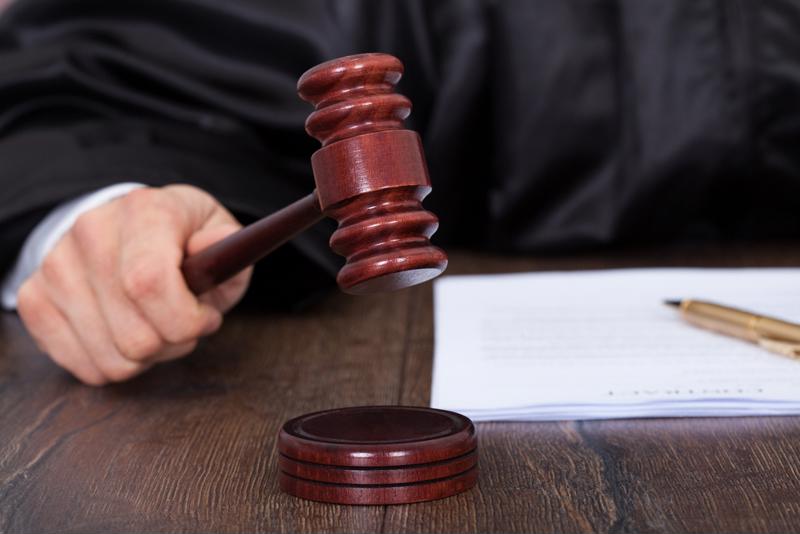
"I thought about a story that I once read," Olivera explained, according to the ABA Journal. "It talked about a soldier with PTSD in a hole. … A family member, a therapist and a friend all throw down a rope to help the veteran suffering. Finally, a fellow veteran climbs into the hole with him. The soldier suffering with PTSD asks, 'Why are you down here?' The fellow veteran replied, 'I am here to climb out with you.'"
Notably, the entire case took place in a veterans-focused legal system of sorts, and one can only wonder how veterans suffering from PTSD will be received in civilian courts. These types of differences between the veteran community's handling of PTSD and that of the civilian shows that there is plenty of room for improvement from an awareness standpoint.
Contributing to the cause
Because PTSD has become so widespread, more programs and organizations are being devoted to assisting veterans who are suffering from the disorder. Veterans who want to get involved in raising awareness can do so as well, with the U.S. Department of Veterans Affairs running a program, and many others managing similar initiatives across the nation.
A unified approach to combating PTSD that brings together all members of a given community might be the best weapon against the disorder available today, as so much of the fight to recover relies on having a strong, diverse support system.
Veterans have been hailed for their unique leadership skills often gained while completing their service in the military, and the ways in which that acumen can be applied to business ownership. Nonprofit groups, private businesses and government officials alike have been pushing for more projects to boost entrepreneurship in the veteran community, especially as this is one of the more effective ways to combat unemployment among service members.
Last month, ride sharing giant Uber announced that following the completion of its initial UberMilitary program, which saw 50,000 veterans sign up to become drivers, the firm is setting its eyes on real economic improvements for the group, Fox News reported. The source stated that Uber intend to inject about $500 million into the veteran community through the end of the decade. Other programs, including those that produce more traditional entrepreneurs, are also making a big difference on the national level.
Launching new companies
Washington Square News, New York University's school news paper, recently reported that the second class from the Veteran Entrepreneur Training program has graduated, and four startups are already set to be launched by the graduates. The university has been working with Brooklyn's Chamber of Commerce, which initiated the Veteran Entrepreneur Training program, for several years.

The source pointed out that the 10-week course is specifically tailored to veterans, and teaches students a range of business management skills. Interestingly, the school has also been involved in sustainable energy-related projects that work specifically toward the encouragement of more startups that yield green innovations. Washington Square News noted that the Energy Economic Department was established by a veteran who graduated the program and now help businesses become more environmentally friendly.
"The mission is to advance America's energy profile into the new millennium," James Hendon told the school newspaper. "It's one thing if you have this great idea in your mind; it's another thing when you speak to other people about it and they give you feedback and they force you to be very disciplined in how you analyze your ability to make it successful, to make it profitable, for it to work and achieve your grand mission."
Another graduate created a startup devoted to supporting veteran-run breweries, and this is not the first service member foray into the craft brew arena.
A thriving industry
MilitaryTimes reported that veterans are highly involved in the craft brewery industry today, which has been one of the healthiest of all in the United States, noting that one study from the Brewers Association estimated an 18 percent increase in sales in 2014 alone. The source cited several success stories from veterans who have cultivated a strong business with their craft beers, including one brand that had a $5 million investment tag and $17.5 million in revenue through the first three years.
The U.S. Small Business Administration and other government agencies can also provide veteran entrepreneurs with resources needed to get the startups off of the ground and into action.
Veteran unemployment, much like national unemployment, has dropped significantly in the past few years, especially compared to the years directly following the recession. Myriad programs have been launched to assist veterans through the challenges of finding a job, starting a company, running for office and other means of employment, and some have been immensely successful.
Last fall, Military Times reported that unemployment in the veteran community had dropped to the lowest level in seven years, falling from 6.9 percent in October 2013 to 3.9 percent that same month in 2015. There is still much to be done in this area, but clearer information regarding the best employment opportunities available to veterans is becoming available.
Top professions
G.I. Jobs® recently released its latest report regarding the best jobs for veterans in the country, and announced that business operations manager roles were ranked No. 1 this year. Those occupations were followed by information technology specialist, logistician and supply chain manager, customer service manager, and sales representative and business development for the top five.
"It's exciting to see the dichotomy of occupation types open to today's service members," VictoryMedia's G.I. Jobs® chief product officer Daniel Nichols, who also served in the Navy, explained. "Notably, positions on the 2016 Top 25 Hot Jobs list focus less on military occupational skills and more on intangible skills and attributes gained through military training: teamwork, leadership, effective communication, trainability and logistics experience. What company wouldn't want those?"
Interestingly, the remaining five positions in the top 10 were highly related to the types of training certain military members undergo while completing their service. For example, engineers, electrical technicians, mechanical technicians, industrial systems operators and operations and facilities managers were all within the top 10, while asset protection officer positions appear to be a highly coveted role for veterans. The analysts noted that this was the first year that position made it into the top 25.
This type of information can help veterans make better decisions when navigating the job market for the private sector, though there have been some setbacks in the public sector related to veteran employment.
Government's hot and cold outlook
The Washington Post recently reported that the programs in place to boost hiring of veterans into public sector positions have had mixed reviews throughout their roughly seven years in action. According to the news provider, the biggest problem right now is more so related to a miscommunication of the employment programs and laws, and that resentment has become an issue in certain areas.
The source noted that about one-third of the individuals hired by federal government departments and agencies are now veterans, and that these figures are largely due to a bill put in place back in 2009 by the Obama administration. With the economy showing more promise with the passing of each year, veterans will likely enjoy a more promising job market in both the private and public sectors for the foreseeable future.
In recent years, the major hacking attacks on retailers' and other websites have gained a lot of infamy. And unfortunately, one recent issue has arisen which specifically impacts the security of personal data and medical information for a large number of veterans. This incident not only highlights how vulnerable everyone's data may be – even if it's stored on a government website – but also how important it is for people to understand the best practices for securely using the internet on a daily basis.
The hack in question impacted the eBenefits website run by the U.S. Departments of Veterans Affairs and Defense, and put a lot of information at risk for potentially millions of veterans nationwide, according to a report from Seattle television station KING 5. One victim, whose account was improperly accessed twice in a six-month period, said that the direct deposit for his monthly disability check was moved to an account he did not recognize both times the incidents happened.
"Why would I change my bank account and put it on a Green Dot card? Why?" veteran Marvin Corbin, told the station. "I'm like, 'The landlord isn't going to understand this,' and we [were] like 'Other creditors ain't either.'"

More details
While the VA has not revealed the source of the problem at this time, it does seem to be widespread, the report said. Specifically, the VA added that it's "too early to draw any conclusions" about why the attacks were happening.
But nationwide, some 713 veterans have filed at least one report with the agency since last year, the report said. Corbin further noted that because of the hacking attacks he's suffered, he no longer uses that site to handle his finances, despite the convenience it is supposed to bring.
What else can veterans do?
In hacking incidents like this, consumers regardless of former military status may not have a lot of ways in which they can protect themselves. However, everyone should still follow basic cybersecurity measures to make themselves far less likely to be impacted. That should include having a unique password that includes letters, numbers, and symbols, and isn't something that could be easily guessed like a birthday, pet name, or the like. In fact, many experts recommend that passwords be totally random, and involve at least 10 characters, to ensure that they will be extremely difficult to crack. These passwords should also be changed every six months or so.
Likewise, veterans and others should make sure they're careful about the websites and especially the email attachments they click on. That's because viruses and other malware can come in even the most innocuous-looking packages. This is also true of downloading apps on some mobile platforms. Having anti-virus and firewall software, and so on, will go a long way toward protecting personal, financial, and medical data for veterans and civilians alike.
That, in turn, can provide significant peace of mind for people as they go about their daily lives in an increasingly online world.
The suicide rate within the veteran community has been widely discussed for several years, especially following the landmark report released by the U.S. Department of Veterans Affairs in 2012. The Los Angeles Times once reported that the prevalence of suicide among veterans is 50 percent higher than within the population as a whole. In the wake of such reports, many programs have been established to help dramatically reduce the number of veterans who experience this fate.
One of the more prominent types of events takes place on the 22nd day of each month, which is the same number that is generally cited as being the amount of veteran suicides each day. Mission 22, as it is called, will have several events on April 22 to raise awareness and reach out to those in need of support.
This April
The veteran community has become a bit more unified in its approach toward combating suicide. The New York Times reported that social media is increasingly being used as a tool to bring these individuals together and act as a platform through which support and care can be found. According to the news provider, some groups have launched pushup challenges, while others will simply check in on the other veterans with whom they were deployed.
The source pointed out that social media is also becoming a powerful tool when coupled with geographic technologies, as maps can provide veterans with immediate locations of places where they can get support. Generally, the events that are established through Facebook and other social media websites will coincide with the 22 of each month. Although this particular tactic has not been effective at all times, it has been viewed as a highly positive movement.

The New York Times added that some participants in buddy checks and similar social media activities have viewed these activities as therapeutic, incorporating those opportunities into standing rehabilitation programs and assisting in acclimation post discharge. Awareness is one of the greatest weapons against veteran suicide and similar issues in the community, and other events are scheduled to take place this month to ensure the word gets out.
A long jaunt
Daily Journal recently reported that veterans in Mississippi will participate in what is being called a "ruck" that will span 22 miles on April 22 in Tupelo. The source spoke to one of the event's organizers, Marine Matthew Foster, regarding his experiences in putting the hike together.
"People started contacting me with their stories, about their husband or son who killed themselves," Foster told Daily Journal. "I knew it was a serious issue, but I didn't know it was right here. It is definitely a problem in our community, with guys who actually live here. It was barely on my own radar, so I would imagine normal people don't know at all."
Veterans in need of assistance when re-acclimating themselves to civilian life or struggling with post-traumatic stress disorder can find support through smaller groups, as well as government resources.