
Military children are often unsung heroes, quietly facing a slew of unique challenges that come with being part of a military family — from frequent moves and parental deployments to the uncertainty of military life can take a toll on their young lives.
Support during these transitions is not just beneficial; it's essential. On average, military children move between six to nine times during their K-12 education, meaning they must frequently adapt to new schools and make new friends in addition to dealing with the absence of a parent. A network of support can make all the difference in helping them feel secure and understood during these times.
This blog aims to offer a compass for navigating the complexities of military life, specifically focusing on the children who brave this journey. We'll explore practical tips for helping military children manage the changes they face, ensuring they have the tools to adjust and thrive no matter where their family's service takes them.

1. Establishing a Sense of Security
Creating a stable home environment is paramount for military children, who often face a great deal of instability in their external worlds. Parents can foster this stability by maintaining a consistent and comforting home life, where love and security are constant, regardless of the changing circumstances outside.
Consistent routines can serve as anchors in a sea of change. Even when the physical surroundings shift, maintaining familiar rituals and schedules provides a sense of normalcy. This could mean keeping bedtime routines, mealtime habits and even weekend activities as consistent as possible, which helps children feel grounded and secure.
2. Communication is Key
Encouraging children to express their feelings about the changes in their lives is vital. Open dialogue allows them to process their emotions and ensures they don't feel alone in their experiences. Parents should create a safe space for their children to share their worries, excitement and everything in between.
Discussions about military life should be tailored to the child's age and understanding. Younger children might need simpler explanations and reassurances, while older children and teenagers might benefit from more in-depth conversations about the implications of military service. This helps them make sense of their unique lifestyle in a way that's comprehensible and less intimidating.
3. Building Resilience
Teaching coping strategies is an integral part of building resilience in military children. Parents can help by equipping their children with tools to manage stress, such as deep breathing exercises, journaling, or engaging in physical activities. These strategies can empower children to handle their emotions constructively.
Fostering adaptability and problem-solving skills prepares military children to face and overcome the challenges that come their way. Encouraging them to see change as an opportunity for growth, rather than a setback, instills a mindset that can transform obstacles into stepping stones for personal development.
4. Maintaining Social Connections and Support
Keeping in touch with friends and family is crucial for military children, who often leave behind a network of relationships with each move. Encouraging them to maintain these connections provides continuity and a sense of belonging, which can be especially comforting during times of transition.
Leveraging technology has made it easier than ever for military children to stay connected with loved ones, regardless of distance. Video calls, social media, and instant messaging can help bridge the gap, allowing children to sustain friendships and family ties that might otherwise be disrupted by the nomadic nature of military life.
5. Educational Continuity
Navigating school transitions smoothly is a significant concern for military families. Parents can help by gathering records and communicating with both the current and future schools to ensure a seamless transition. Involving children in the process can also give them a sense of control and understanding of the changes ahead.
Utilizing educational resources for military families can greatly assist in maintaining academic continuity. Many organizations and programs are dedicated to supporting the educational needs of military children, offering tutoring, counseling, and scholarship opportunities. Taking advantage of these resources can help mitigate the academic upheaval that often accompanies relocation.
6. Community Involvement
Participating in local events and activities can be a wonderful way for military children to feel integrated into their new surroundings. Whether it's through sports, arts, or volunteering, getting involved helps them form connections and lays the foundation for a supportive social network in their new community.
Finding support in both military and civilian communities is equally important. Military support groups understand the unique challenges these families face, while civilian networks can offer a sense of normalcy and stability. Encouraging children to engage with peers and adults in both spheres can provide a well-rounded support system that appreciates and addresses their diverse needs.
Embracing Change with Courage
These approaches provide a framework for helping military children navigate the complexities of their lives with confidence — but supporting the well-being of military children requires more than any single individual's effort. Parents, educators, and community members alike must actively put these strategies into practice to ensure military kids receive the support they need to thrive.
Navy parental leave policies have undergone significant changes in recent years, offering a more supportive environment for new parents. The recent updates to both Navy paternity leave and maternity leave policies aim to provide parents with the time and resources necessary to welcome a new family member — whether through birth or adoption. ensuring that service members can balance their family responsibilities with their commitment to national defense.
But what exactly do these updates cover, and who is eligible?

Parental Leave in the Navy: What Are the Regulations?
In January 2023, the Department of Defense set forth regulations that allow for a generous 12-week parental leave for military parents. This initiative is part of a comprehensive package designed to support military families during significant life events. For Navy service members, this means an invaluable opportunity to spend time with their newborn or newly adopted child, without the immediate pressure to return to duty.
A key aspect of the updated parental leave policy is the distinction between parental leave and maternity convalescent leave. While maternity convalescent leave is specifically for birth mothers to recover from childbirth, parental leave is more inclusive, extending to non-birth parents, including fathers and adoptive parents. This distinction ensures that all types of families and parental roles are supported, reflecting the diverse nature of the military community.
This policy represents a significant leap forward. Not only does it align with modern family dynamics but it also ensures that all service members, regardless of gender, have the opportunity to bond with their new child.
Access to related resources on military parental leave is readily available through platforms like Military OneSource, providing service members with guidance and support as they navigate the joys and challenges of this new chapter in their lives.
What Are the Details of Military Family Leave Policies?
Comparing the current policy to its predecessors, it's clear that the DoD has made significant strides in providing more comprehensive support for military families. This journey has been legislative as well as cultural.
The inclusion of these expanded parental leave rights in the 2022 National Defense Authorization Act (NDAA) was a landmark achievement. This act not only solidified the commitment to supporting military families but also ensured that service members did not have to choose between their duty and their family obligations.
The Marine Corps, Navy, Air Force, and Coast Guard have all since aligned their policies with the NDAA, ensuring that service members across all branches have access to consistent and supportive parental leave options. This uniformity across the services is crucial in maintaining the morale and effectiveness of the armed forces. By allowing service members to take necessary time off for birth, adoption, or foster care, the military not only supports the individual service member but also strengthens the military family as a whole, which is an integral part of morale and the nation's defense infrastructure.
What Other Well-Being Measures Has the DoD Implemented?
In addition to revising parental leave policies, the Department of Defense (DoD) has introduced several other measures aimed at enhancing the well-being of military families.
One such initiative is the introduction of dependent care flexible savings accounts, which allow service members to set aside pre-tax dollars for childcare expenses. This financial tool can significantly ease the burden of childcare costs, making it easier for military families to manage their budgets and ensure high-quality care for their children.
The availability of Pre-K at DoD schools represents another strategy for supporting military families. By providing early childhood education on or near military installations, the DoD is ensuring that service members' children have access to quality educational opportunities from a young age. This initiative not only benefits the children but also provides peace of mind to parents who are often faced with the challenges of finding reliable child care amidst frequent relocations.
The DoD has also set its eyes on streamlining the Exceptional Family Member Program as part of its commitment to family well-being. This program provides vital support to families with special needs, ensuring they have access to the necessary resources and services they need. By making the program more efficient, the DoD is enhancing the quality of life for these families, allowing them to focus more on their loved ones and less on navigating bureaucratic hurdles.
The My Career Advancement Account program offers another example of these DoD efforts by facilitating the portability of professional licenses for military spouses, as well as expanding spouse eligibility. These initiatives recognize the sacrifices made by military spouses and aim to mitigate some of the career challenges they face due to the mobile military lifestyle.
Ultimately, the goal of these initiatives is to ease family life for active-duty military personnel. It's an acknowledgment that a strong and supported family unit is crucial to the readiness and resilience of the armed forces.
How Are You Looking Out for Your Family?
As service members look out for their country, organizations like the Armed Forces Benefit Association (AFBA) ensure they have the support to look out for their families.
Whether it's the loss of a loved one, a significant life event like birth or adoption, or the need for convalescent leave, AFBA offers solutions that honor the service and sacrifice of military members and their families. These offerings are designed to ensure that families are financially protected no matter what.
For active duty military and veterans alike, exploring these coverage options is a step towards securing their family's future. It's about making an informed choice that reflects the love and responsibility they feel towards their loved ones.
Become a member today and join a growing community dedicated to military family support.
The Lifeline of Emergency Response
In the throes of an emergency, the thread that often holds the chaos at bay is effective communication. It's the beacon that guides first responders through the night — the difference between confusion and clarity in high-stakes situations. When every second counts, the ability to convey critical information swiftly and accurately becomes paramount.
It's not an overstatement to say that the quality of communication can determine the outcome of life or death scenarios. This reality places an immense responsibility on the systems and protocols that facilitate such exchanges, highlighting the need for a robust and fail-proof communication network during crises.
As we delve into the intricate web of emergency communication, we'll explore the key components that ensure first responders maintain that essential lifeline of connection. From the technical infrastructure to the human skills required, we'll shed light on the multifaceted nature of communication in emergency response and the critical role it plays in safeguarding lives.

The Anatomy of Emergency Communication
Emergency communication systems are a complex network of tools, protocols, and personnel working in unison to manage crises effectively. At the heart of these systems lie various components such as alert mechanisms, communication devices, and information management platforms. Each element is designed to perform under the extreme pressures of an emergency, ensuring that vital information reaches the right people at the right time.
In addition to the physical infrastructure, communication systems also rely on established protocols — the blueprints for action, dictating the flow of information and how to respond in an emergency. Clarity and precision are essential here, as these protocols act as the guardrails that keep the response on track, preventing the descent into disorder.
Training and Preparedness: The Human Element
Of course, first responders can't rely solely on tools and protocols. Training ensures that all team members know how to use their tools and equipment and what to do in an emergency. For emergency responders, it's not just beneficial; it's a critical component of any effective emergency response strategy.
When responders are well-prepared, they can navigate the complexities of crisis communication with confidence and efficiency. Regular drills and exercises that simulate emergency conditions help to engrain best practices and ensure that when a real crisis hits, the response is almost second nature. The human element of communication—comprising skills such as clear articulation, active listening, and quick comprehension—can make all the difference in high-stakes situations.
Barriers to Effective Communication
Despite best efforts, several obstacles can impede first responder communication. There are the obvious culprits, such as noise, weather, and terrain, which can disrupt communication channels. Human factors, including stress-induced errors or lack of clarity in messaging, can further complicate the situation, making it challenging to maintain effective communication.
However, technical issues like equipment failure or network overload can lead to critical delays, and the consequences of miscommunication in emergency scenarios are dire. A single misunderstood directive or a delayed message can escalate an already perilous situation, potentially leading to increased harm or loss of life.
So how do first responders overcome these obstacles?
Technological Tools for Crisis Management
Cutting-edge communication technologies are continuously revolutionizing the landscape of emergency response. From advanced radio systems that remain operative even when traditional networks fail to software platforms that provide real-time data sharing and collaboration — they all aid in the efforts of emergency responders.
With the aid of technology, emergency response teams can synchronize their efforts, optimize resource deployment, and ultimately, save more lives. But that's not to say emergency responders are adopting technology just for the sake of it. As the National Institute of Standards and Technology (NIST) highlights in a recent first-responder survey, they want tech that:
- Offers a user-friendly, error-proof interface.
- Reduces product or service expenses.
- Minimizes unintended consequences.
For a recent example of tech that checks these boxes, look no further than the rise of Drones as First Responders (DFRs). These unmanned aerial vehicles offer eyes in the sky, giving responders a bird's-eye view of the situation.
Technological advancements like these have a profound impact on the coordination and response times during a crisis. They enable a seamless flow of information, allowing for quicker situational assessments and more informed decision-making.
Communication is the lifeline that connects all facets of crisis management, from the initial alert to the final resolution. As we look to the future of emergency response, it is imperative that we continue to innovate and refine our communication systems. This means investing in new technologies, enhancing training programs, and fostering a culture of continuous improvement.
The call to action is clear: we must prioritize effective communication in emergency response to ensure that when disaster strikes, our frontline workers remain strong, reliable, and unbreakable. Their lives and ours depend on it.
The transition from military service to civilian life poses a unique set of challenges. For many veterans, the pursuit of higher education is often a key component of their reintegration into civilian life. It provides them with the opportunity to develop new skills, enhance their knowledge and prepare for a new career path.
However, the financial burden of tuition, books and living expenses can be a significant barrier to entry for many. Without accessible education, veterans may struggle to find their place in a civilian workforce that increasingly demands higher education qualifications.
VA benefits and various scholarships play a pivotal role in making higher education more accessible for veterans. They alleviate some of this financial strain and allow them to focus on their studies rather than how they will pay for school.
Fortunately, there is a wide variety of benefits and scholarships available to veterans, each with its own set of criteria and benefits. In this guide, we'll take a closer look at the federal, state, private and institution-specific benefits and scholarships available to help you plan for your continued education.

Federal and State Education Benefits
The GI Bill offers various programs, such as the Post-9/11 GI Bill and the Montgomery GI Bill, each with its own eligibility criteria and benefits. These benefits can cover tuition and fees, provide a monthly housing allowance, and even offer an annual stipend for books and supplies. To be eligible, veterans typically must have served a minimum period of active duty service, and the benefits can vary depending on the length of service and other factors.
In addition to federal benefits, many states offer their own education benefits for veterans. These state-specific benefits can include tuition waivers, scholarships and grants that can be used at state colleges and universities. Some states also offer benefits for the dependents of veterans, such as children and spouses. These benefits can sometimes be used in conjunction with federal benefits, further reducing the financial burden of higher education.
Private Scholarships and Grants
Private organizations play a significant role in supporting veterans' educational aspirations through scholarships and grants. These organizations range from veteran-specific groups to philanthropic foundations, and they often seek to honor the service of military members by easing their transition to civilian life through education.
Some well-known organizations include the American Legion, Veterans of Foreign Wars (VFW), and the Disabled American Veterans (DAV). Their scholarships can be particularly beneficial as they may fill gaps not covered by the GI Bill or state benefits, such as summer courses or study-abroad programs. Veterans should explore the various private scholarships available to them, as they can be an invaluable resource in funding their higher education.
Institution-Specific Scholarships for Veterans
Many colleges and universities recognize the value that veteran students bring to their campuses and offer dedicated scholarships to support them. These institution-specific scholarships can vary widely in terms of eligibility, award amounts and application requirements. Some schools provide scholarships that cover the full cost of tuition, while others offer smaller awards that can be used to pay for books, housing, or other educational expenses.
When considering these scholarships, veterans should also look at the overall support system the school offers to veteran students. After all, a scholarship is just one aspect of the educational experience, and attending a school that provides robust resources for veterans can be just as important as the financial aid itself.
Consider factors such as the presence of a veterans' resource center, the availability of counseling services,r and whether the school has staff members dedicated to assisting veteran students. By choosing an institution that offers both financial support through scholarships and a supportive environment, veterans can set themselves up for success in their academic pursuits.
Continuing Support For Veterans' Education
We offer the Charles C. Blanton AFBA Family Survivor College Scholarship to surviving family members of eligible fallen AFBA members. More information on this scholarship can be found here. Beyond that, AFBA members and their dependents can apply for scholarships through our partnership with AUSA. More information on these scholarships can be found here.
For first responders, high-stress situations are the norm, not the exception. They are routinely exposed to traumatic events, life-threatening scenarios, and the pressure of making split-second decisions that can have profound consequences. This constant exposure to stress can take a significant toll on their mental and physical well-being, making stress management not just beneficial, but essential.
In this blog, we'll explore five practical stress management techniques that can help first responders navigate the challenges of their demanding roles:

1. Breathing Exercises
The act of taking deep, controlled breaths is a powerful tool for mitigating the immediate effects of stress. When we engage in deep breathing, we activate our body's natural relaxation response, which can counteract the surge of adrenaline and cortisol that accompanies emergencies. This physiological shift can help first responders stabilize their heart rate, lower their blood pressure, and calm their nerves, enabling them to think more clearly and respond more effectively.
First responders can incorporate simple breathing exercises into their routine with minimal effort and no equipment. A basic technique involves inhaling slowly through the nose for a count of four, holding the breath for a count of four, and then exhaling through the mouth for a count of four. This can be repeated several times and can be done amid a busy shift or during a brief moment of downtime, providing a quick and accessible way to manage stress on the job.
2. Physical Fitness: Strengthening Resilience
In addition to breathing exercises, first responders can also use regular physical exercises to manage stress. Not only is this vital for the demanding aspects of their work but also for strengthening their psychological resilience. Exercise releases endorphins, the body's natural mood lifters, which can help to alleviate the symptoms of stress and anxiety.
First responders can benefit from a variety of exercise routines, from strength training and cardiovascular workouts to flexibility and balance exercises. Activities such as running, cycling, or team sports can fit well into their schedules and can also provide the added benefit of social interaction. Even brief bouts of exercise, like a quick walk or a 10-minute bodyweight circuit during a break, can make a significant difference in managing stress levels.
3. Cultivating Calmness Through Mindfulness and Meditation
Mindfulness is the practice of maintaining a moment-by-moment awareness of our thoughts, feelings, bodily sensations, and surrounding environment with openness and without judgment. For first responders, cultivating mindfulness can be a refuge from chaos, allowing them to reduce stress and anxiety by focusing on the present rather than worrying about past or future events.
Meditation is often practiced as a component of mindfulness and can be tailored to fit the unpredictable schedules of first responders. Techniques such as guided imagery, progressive muscle relaxation, or even short, focused sessions of breathing meditation can be integrated into their daily routines. These practices can help create a sense of inner peace and can be particularly effective during times of crisis or after exposure to traumatic events.
4. The Importance of Community
The shared experiences of first responders create a unique bond that can be a powerful source of support during stressful times. By connecting with colleagues, individuals can find comfort in knowing they are not alone in their experiences. Sharing stories and coping strategies can also provide validation, reduce the sense of isolation, and foster a supportive community that understands the specific challenges of the job.
There are both formal and informal support systems available to first responders. Formal systems may include employee assistance programs, peer support groups, or mental health services provided by their agency. Informal support might come from debriefing with colleagues after a tough call, engaging in team-building activities, or simply having a trusted partner to talk to. Both types of support systems are invaluable resources for managing stress and promoting mental well-being.
5. Seeking Professional Help When Stress Becomes Unmanageable
Asking for help is a sign of strength, not weakness. First responders should be encouraged to monitor their mental health and to understand that it is okay to reach out for help when the burden becomes too heavy to bear alone. Early intervention can prevent more serious mental health issues from developing and can provide individuals with the tools they need to cope with stress more effectively.
Many organizations now recognize the importance of mental health and offer services that are confidential and tailored to the unique experiences of those in high-stress professions. Outside of their employers, first responders can also find a range of counseling services, stress management programs, and crisis hotlines specifically designed to cater to their needs.
For instance, Safe Call Now (+1 206 459 3020) offers a confidential 24-hour crisis referral service for first responders and their family members.
Utilizing these resources can make a significant difference in a first responder's ability to maintain their mental health and their capacity to perform their duties.
Integrating These Techniques Into Daily Life
First responders need to take proactive steps toward managing their stress. This might mean setting aside time each day for a breathing exercise, finding moments for physical activity, or reaching out to a colleague or mental health professional when the signs of stress are becoming overwhelming. By integrating these strategies into their daily routines, they can achieve a greater sense of balance and peace of mind, even in the face of adversity.
Military life comes with its own set of unique challenges that can impact a family's financial stability in many ways. The very nature of military service, for example, means families could find themselves moving frequently. This can disrupt employment for spouses, education for children and lead to additional costs that come with moving.
For all these reasons and more, military families need to recognize these unique challenges and address them with a comprehensive financial plan. If you're a member of a military family, read on for tips for creating a financial plan that can help address your needs.

1. Understand your financial situation
First, you need to have a clear sense of your financial situation. Gather key financial information, including income, assets, expenses, debts, savings, and so on.
2. Establish financial goals
Next, you want to consider your short- and long-term financial goals. Do you plan on buying a home? Do you have debt to pay off? It's important to have clarity on these plans as you put together a plan.
3. Create a budget
When developing a budget, you want to account for your regular expenses, such as housing, utilities, groceries and transportation. But you also need to set aside money for your savings and any debt repayment.
Tip: To make setting aside money a lot easier, use automatic transfers to savings accounts and retirement plans.
4. Set up an emergency fund
Given the unpredictable nature of military life, an emergency fund to cover unexpected expenses or loss of income is critical. Your established financial situation and budget should influence the scope of your emergency fund.
Tip: To determine the appropriate size of your emergency fund, calculate your average monthly expenses and multiply that by the number of months you want to cover. The stability of your income, the predictability of your expenses and your current financial obligations are all factors to consider.
5. Know your benefits
As a member of the military, you have access to many benefits that should factor into your family financial plan. Here are just a few not to forget:
- Basic Allowance for Housing (BAH)
- Basic Allowance for Subsistence (BAS)
- Dislocation Allowance (DLA)
- Temporary Lodging Expense (TLE)
- Retailer discounts for military families
- And many more, which can be found here.
Tip: By incorporating your discounts and benefits into your financial plan, you can reduce everyday expenses and put more funds toward savings and debt reduction.
6. Plan for deployments
If there's a chance you'll be deployed, make sure you have a plan in place to manage finances while away from home. Your spouse or a trusted family member should have access to key financial information if you're unable to oversee everything while deployed.
7. Consider education expenses
Whether you, a spouse or children plan to pursue higher education, start saving for tuition and other education expenses. Fortunately, there are education benefits available to military families, such as the GI Bill.
8. Be ready to make changes
Understand that a family financial plan isn't just something you set once and forget about. It will require constant monitoring and adjusting depending on your family's financial situation.
Being a first responder is not just a job; it's a calling that requires a unique set of skills and attributes that can mean the difference between life and death. These heroes are the first on the scene of accidents, natural disasters or any other critical incidents where life and safety are at risk. These emergency situations often demand high levels of physical exertion, sometimes over extended periods.
First responders must be able to carry heavy equipment, move debris or even carry individuals to safety. In addition, they must also maintain mental alertness and resiliency while being able to recover quickly. The ability to work long shifts under these conditions is a testament to their dedication and the rigorous training they undergo to serve their communities effectively.
In the blog, we'll be exploring some of the often-overlooked physical demands of the job, from training to the hidden health toll many first responders face.

Preparing To Be a First Responder
Preparation is key in the unpredictable world of first responders. Their training programs are a comprehensive regimen encompassing everything from strength training and cardiovascular conditioning to agility drills — all designed to keep them fit for the rigors of their work.
Simulated emergency scenarios play a crucial role at this stage, offering a realistic yet safe platform to hone their skills, build muscle memory and confidence and foster team coordination. These exercises ensure they're not just physically ready, but mentally prepared to make critical decisions in the heat of the moment.
The Long-Term Health Implications
The physical exertions and emotional strains of first responders are not without consequences. Repetitive motions, exposure to adverse conditions and the sheer physicality of their tasks often lead to musculoskeletal disorders. Meanwhile, exposure to hazardous materials can escalate their risk of chronic diseases.
Beyond the physical labor of their daily responsibilities, first responders often wage a silent battle against the stress and adrenaline that come with their line of work. The fight or flight response, which they may face on a daily basis, can have long-term health impacts, not only leading to physical issues, like hypertension, heart attacks and strokes but also mental health problems.
Not only are first responder jobs high-stress environments with irregular work hours, they also expose workers to potentially traumatic scenes. This can lead to issues like anxiety, depression, sleep disorders, PTSD and other mental health issues. Addressing these needs is essential, not only to help our heroes in return but also to reduce the stigma around seeking help in the first place.
Supporting Our Heroes
Whether they're maintaining resilience on the job or joining the road to recovery, first responders deserve a helping hand. Access to quality healthcare, specialized rehabilitation centers and mental health services is fundamental, ensuring they can recover from injuries and cope with the mental toll of their duties.
Peer support and counseling offer additional layers of support, providing a space to share experiences and coping strategies. Many first responder organizations offer professional counseling services designed to address the specific needs of those in the profession. Similarly, departments and agencies will often provide employee assistance programs (EAPs), which offer confidential assessments, counseling and referrals for a range of issues, including stress, mental health, substance abuse and family problems.
There is also a wide range of first-responder charities and foundations providing essential support to our heroes on the frontlines. Whether you need assistance or you're looking for ways to help, consider checking out these organizations:
- Survive First
- First Responder Foundation
- First Responders Children's Foundation
- National First Responder Fund
As first responders continue to bravely answer their call of duty, it's our collective responsibility to protect and serve those who do the same for us.
Tracing its roots to the early colonial militias of the 1600s, the National Guard has evolved significantly over the centuries. It has played a pivotal role in every major American conflict, from the Revolutionary War to the recent operations in Iraq and Afghanistan. However, its core capacity to serve local communities has never changed.
In this article, we'll take a closer look at three crucial roles the National Guard plays in our communities.
1. Disaster Response and Relief
When natural disasters strike, the National Guard is often among the first to respond, saving countless civilian lives. Their rapid mobilization capabilities allow them to provide immediate assistance to communities facing crises such as hurricanes, floods, wildfires, and earthquakes.
The Guard's presence brings not only manpower and equipment but also a sense of security and hope to affected areas. Their ability to quickly deploy and operate under challenging conditions makes them an indispensable asset during these critical times, helping to stabilize situations that could otherwise spiral out of control.
The National Guard's search and rescue operations are a testament to their bravery and skill. Whether it's navigating floodwaters to rescue stranded families, digging through the rubble of a collapsed building, or airlifting individuals from remote locations, the Guard's personnel are trained to handle a variety of rescue scenarios.
But the job doesn't stop there. After a disaster, their role shifts from immediate response to long-term reconstruction and rehabilitation. Members work tirelessly alongside local authorities and organizations to rebuild infrastructure, restore essential services, and help communities recover from the devastation.
2. Health and Medical Support
In times of crisis, such as the pandemic, the National Guard's emergency medical services are a lifeline for communities facing dire situations. Guard units are equipped with medical personnel and resources that can be deployed to supplement overwhelmed local healthcare systems. Their swift action in setting up field hospitals, providing triage, and delivering medical care is crucial in preserving the health and well-being of affected populations, ensuring that no one is left without access to essential medical services.
Beyond emergency response, the National Guard also engages in ongoing healthcare programs and assistance. These programs aim to improve the overall health landscape of local communities, particularly in underserved areas. Initiatives may include health screenings, vaccination drives, and public health education campaigns, all of which contribute to a healthier populace. The Guard's involvement in these programs demonstrates their role not just as responders, but as proactive agents of health and wellness within the community.
3. Training and Expertise Sharing
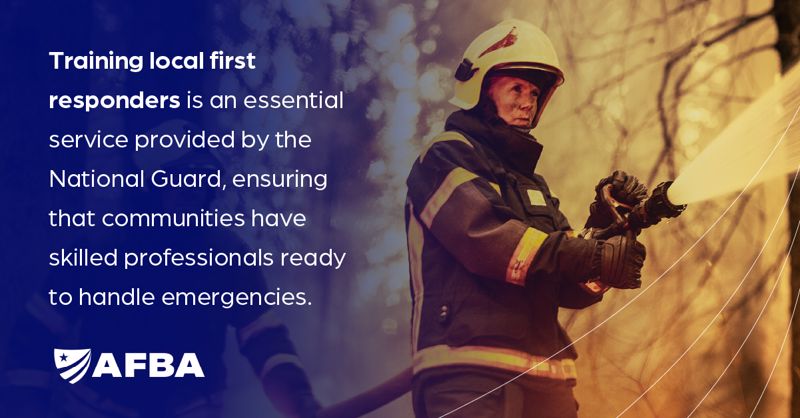
Training local first responders is an essential service provided by the National Guard, ensuring that communities have skilled professionals ready to handle emergencies. The Guard offers specialized training programs that cover a range of skills, from emergency medical techniques to disaster response strategies. By sharing their knowledge and experience, the Guard enhances the capabilities of local emergency services, which is vital for the safety and security of the community.
The National Guard's role in sharing military expertise with community agencies extends beyond traditional emergency response. Their personnel often provide insights into logistics, communications, and coordination, which are critical in managing complex situations. This transfer of knowledge helps community agencies to operate more effectively, whether they're planning large public events or improving their readiness for potential crises.
The National Guard's presence is a cornerstone of strength for countless communities. Their unique ability to operate both as a military force and a community service provider allows them to address a wide range of needs, from disaster response to youth development and public health. As challenges evolve and new threats emerge, the Guard will no doubt continue to adapt and expand its capabilities to meet the needs of the nation.
Military discounts are a token of gratitude offered by businesses to the men and women who have served or are currently serving in the armed forces. These discounts are a small way to honor the sacrifices made by military personnel and their families, helping them save significantly on everything from groceries to travel expenses.
To help you take advantage of these savings opportunities, let's take a look at the top 5 discounts available to military servicemembers and veterans.

1. Automotive Discounts
The automotive industry has a long-standing tradition of supporting military personnel through various discount programs. Many car manufacturers, rental companies and insurance providers offer special pricing to active duty servicemembers, veterans and sometimes even their families. These discounts can apply to the purchase of new vehicles and are often in addition to other rebates and incentives available to the general public. Some of the most well-known car brands have structured programs that can save military members thousands of dollars on a new vehicle purchase, making it more affordable to own the car they desire.
2. Retail Benefits
The retail sector offers a plethora of exclusive in-store and online discounts to active-duty military members, veterans and their families. These discounts span across a wide range of brands and products, from clothing and electronics to home goods and sporting equipment. Many stores have a fixed percentage off the regular price, while others may offer special promotions during military appreciation events or holidays. Some online retailers also partner with military discount services to verify servicemember status, which you can then use to access discounts across multiple online stores.
3. Travel and Accommodation Deals
The travel industry is well-known for its support of military personnel through a variety of special offers and discounts. Many airlines provide reduced fares for active duty military members and their families, recognizing the need for affordable travel, especially when it comes to last-minute trips or emergency leave. Hotels and resorts also extend special rates to military personnel, often under a dedicated military discount program. These military rates can result in significant savings on accommodations, whether for leisure, during a PCS, or while on temporary duty.
4. Dining and Entertainment Discounts
Restaurants across the nation express their gratitude to military members by offering military discounts on meals. These discounts can range from a percentage off the total bill to a free appetizer or dessert. Some dining establishments may even offer a completely free meal to servicemembers on certain holidays like Veterans Day. It's a gesture that not only helps servicemembers save money but also gives them a warm welcome and a sense of appreciation from the community.
Entertainment centers like movie theaters and amusement parks also show their support for military members by offering special military pricing on tickets. This discount can make a night out at the movies or even a weekend resort more affordable, allowing servicemembers and their families to enjoy themselves without straining their budget.
5. Financial Services and Banking Perks
Financial institutions often provide tailored services to meet the unique needs of military members, including reduced loan interest rates. These lower rates can apply to mortgages, auto loans and personal loans, helping service members save money over the life of their loans.
Some lenders also offer special programs for military homebuyers, such as VA loans, which come with additional benefits like no down payment and no private mortgage insurance requirements. Active duty service members are encouraged to explore these options to maximize their financial benefits and make borrowing more affordable.
Looking for More Military Member Benefits?
Discover the discounts an AFBA membership has to offer.
Dogs are more than just pets; they've been loyal companions to humans for tens of thousands of years. In ancient times they helped us hunt, but today, they serve a wide range of roles, from our best friends to vigilant protectors who keep us safe.
Each year, March 13th is dedicated to National K9 Veterans Day — a day for recognizing and honoring the service and sacrifices of military and working dogs. It marks the official birthday of the United States K9 Corps, which was established back in 1942 for the first military dogs who served during World War II.
These dogs, and those that followed, have played critical roles in patrol, detection, search and rescue, and as loyal companions. The observance of National K9 Veterans Day is a testament to the enduring partnership between dogs and humans, particularly in the realm of national defense and public service. It's a day to reflect on the heroism of these animals and give thanks for their countless contributions to our society.
The History of the K9 Unit
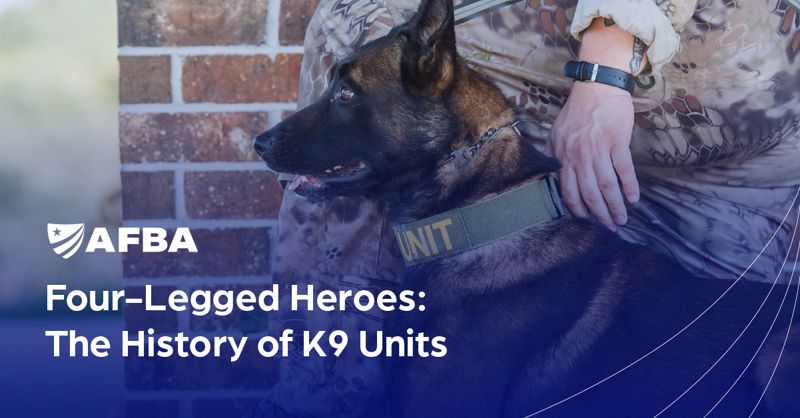
The K9 unit, as we know it today, has a storied history that began long before its formal establishment. Dogs have been used in warfare and security since ancient times, aiding the military forces of Egypt, Greece, and Rome. However, the official use of dogs for military purposes in the United States began during World War II with the inception of the War Dog Program, or "K9 Corps," on March 13, 1942.
This marked the beginning of systematic training and deployment of canines for combat and other military-related tasks. The K9 Corps initially recruited civilian dogs and their owners, training these teams for various duties, including sentry, scout, and messenger roles.
Over the years, the role of K9 units has evolved significantly. In the public sphere, police forces have adopted the concept of training dogs for law enforcement tasks such as drug and bomb detection, search and rescue operations, and the pursuit of suspects. Today, these K9 units are an indispensable part of both military operations and public safety efforts, showcasing the remarkable adaptability and skill of these working dogs.
The Life of a Working Dog
Working dogs play a pivotal role in contributing to public and national security. Their keen senses, particularly hearing and smell, make them invaluable in detecting explosives, narcotics, and even certain medical conditions. Our canine companions are also often the first line of defense for national security, working tirelessly at borders, airports, and high-security events to sniff out potential threats.
The life of a K9 unit begins with rigorous training, where handlers hone their natural abilities to perform specialized tasks. This training is both physically and mentally demanding, ensuring that the dogs are prepared for the challenges they will face in the field without getting distracted.
Throughout their service, K9s form an unbreakable bond with their handlers, built on trust, respect, and mutual reliance. When these dogs retire, they often do so with the same handler or another loving family, where they can enjoy a well-deserved rest and the companionship they have earned through years of loyal service. In some cases, after their tenure in active duty, K9s can often find new ways to contribute to society — especially as the roles of working dogs are continually expanding.
As therapy dogs, they provide comfort and support to veterans and civilians alike, helping to alleviate stress, anxiety, and PTSD symptoms. As service dogs, they assist individuals with disabilities, offering them greater independence and quality of life. Whatever they get up to, K9 units continue to serve and inspire long after their official duties have ended, proving that their heroism extends far beyond the battlefield or the line of duty.